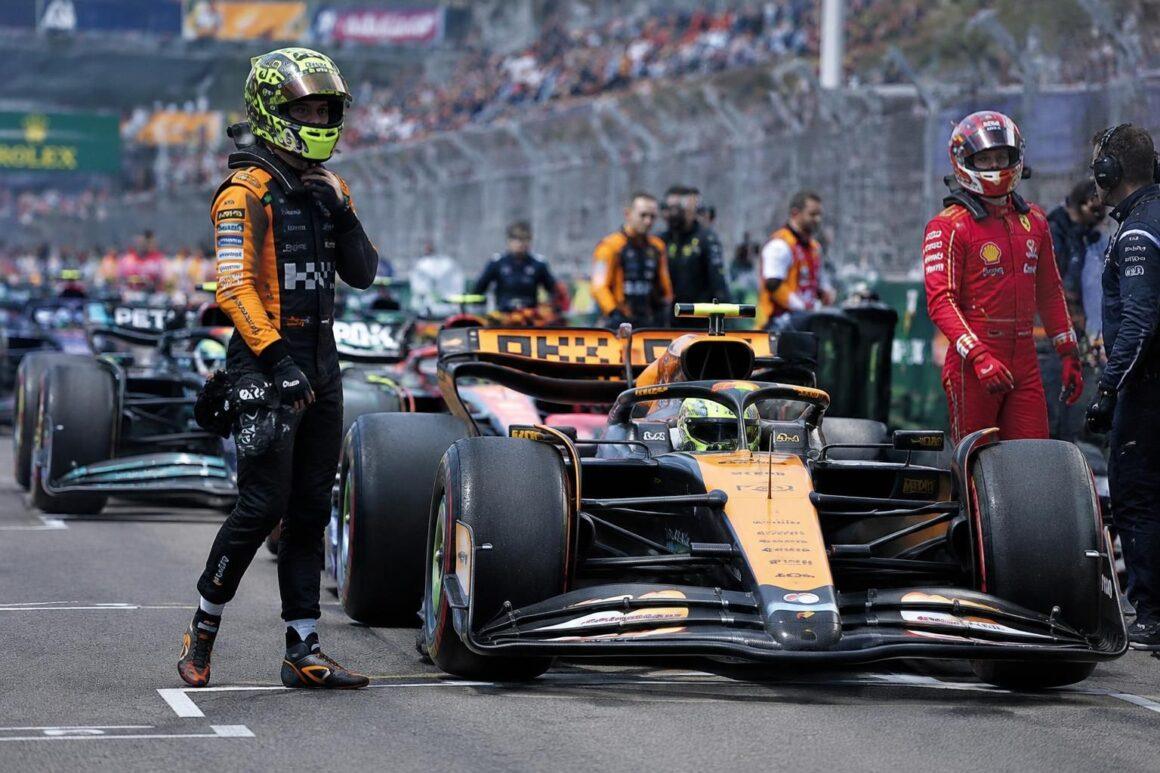


Verstappen chose the long run. Sepang made tyre life the real test. Friday’s order barely tells the story.
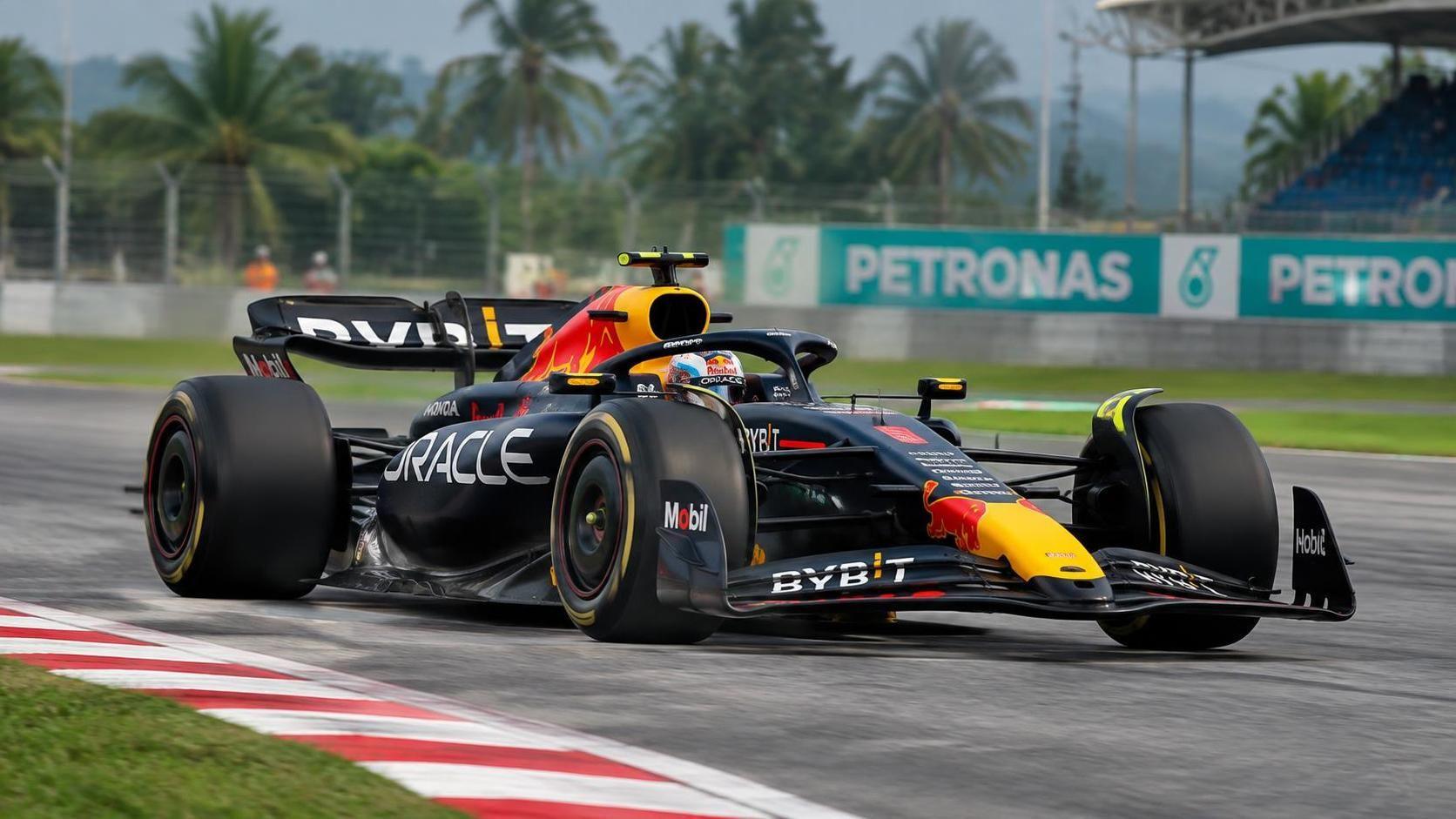
Max Verstappen’s unconventional run plan exposed the defining team challenge at the Malaysian Grand Prix: keeping the tyres alive at Sepang International Circuit. With rain given a 90% chance ahead of Friday’s second practice, Red Bull moved its long-run work forward rather than follow the usual qualifying-simulation schedule. Verstappen completed the medium-tyre work but had no time left for a soft-tyre run.
The choice made sense on a weekend when track conditions left lap times around 4.5 seconds slower than expected. Pirelli recorded degradation of roughly 0.2 to 0.3 seconds per lap on both the medium and soft compounds, putting race pace ahead of a flashy Friday headline. For teams, performance optimization now means managing heat and sliding—not simply chasing one quick lap.
Why Verstappen changed Red Bull’s Friday run plan at Sepang
Most drivers use the middle of FP2 for qualifying simulations, then switch to longer stints. The forecast threatened to scramble that sequence, so Verstappen prioritised race running while the track stayed dry. “I wanted to do a long run in case there was some rain coming in,” he said, explaining why he skipped a soft-tyre flyer.
Red Bull technical director Pierre Wache backed the decision: the team had no medium-tyre data and wanted to understand degradation before the weather changed. That left little time for the soft compound, but the trade-off was deliberate. As the Sepang weekend’s central team challenge, gathering representative long-run data mattered more than adding a qualifying time to the board.
Sepang tyre management puts race pace ahead of Friday times
Pirelli chief engineer Simone Berra described degradation as unusually high, recalling only Barcelona as a comparable weekend. Sepang’s poor surface reduced grip; sliding then raised tyre-surface temperatures, which cut grip further and encouraged more sliding. The cycle makes tire management a balancing act, not a simple instruction to slow down.
The rear axle takes the heaviest punishment, especially through traction zones and fast corners, but the front tyres also risk overheating. Teams must protect both ends without surrendering pace, with rear degradation likely to cost more performance. That is why Friday’s classification carries little weight: long-run consistency offers a better guide to the race than isolated lap times.
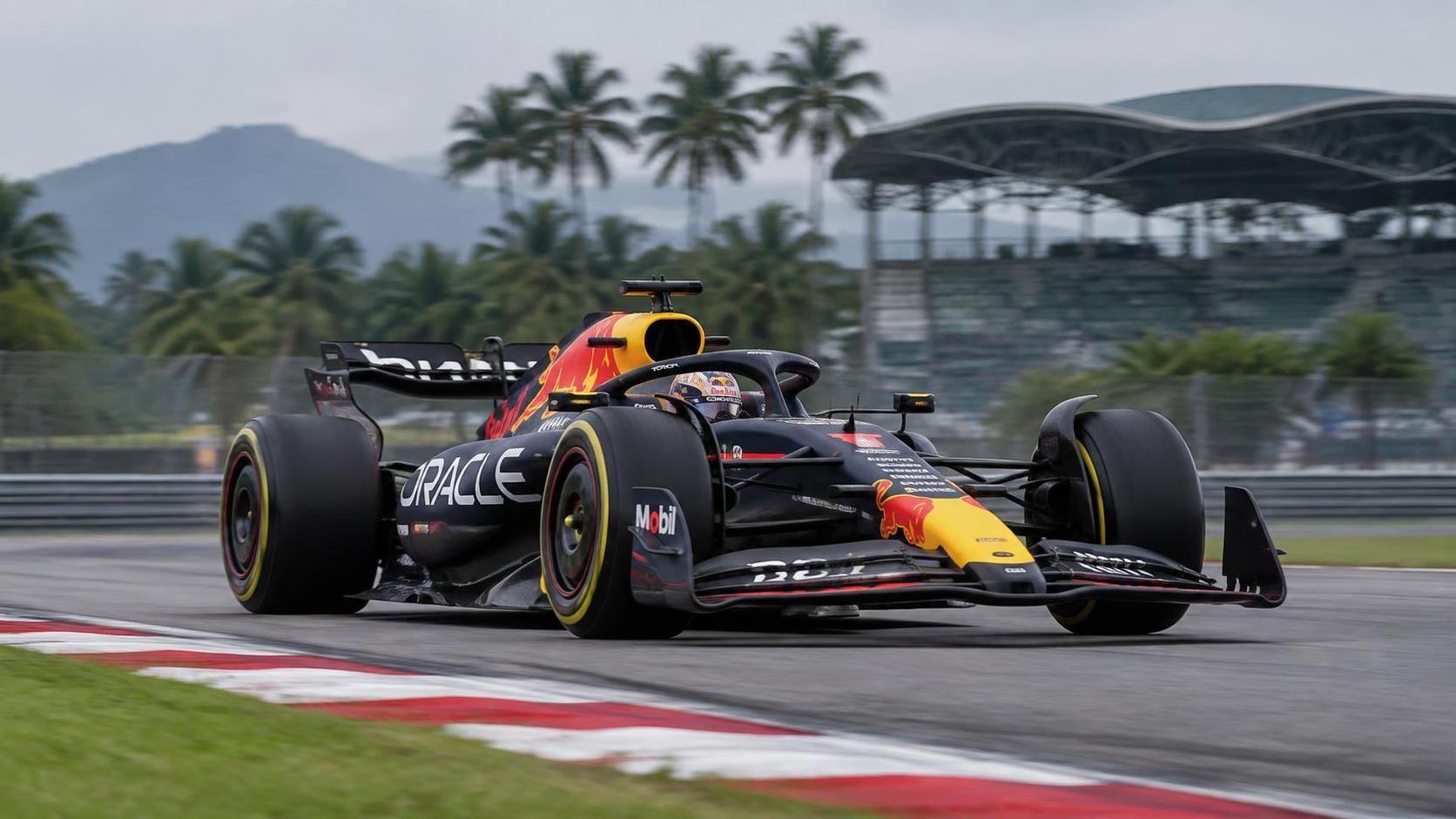
The difference from Baku is stark: qualifying position mattered more there, while Sepang’s higher degradation and overtaking opportunities shift attention to race strategy. Drivers who keep temperatures in range may extend a stint or push harder than rivals. The circuit’s return to the calendar also reconnects with a long history of racing in Malaysia, documented in this look back at F1’s previous Malaysian Grand Prix.
Qualifying uncertainty and open race strategy in Malaysia
Friday’s focus on race pace leaves fresh questions for qualifying. Berra said some teams struggled to bring their tyres into the right temperature window before a flying lap, despite the hot conditions. Protecting the rear during a long stint can leave a car short of grip when a driver needs immediate response on one qualifying lap.
Sunday brings another unknown: every team saved two sets of hard tyres, so nobody had run the weekend’s hardest C2 compound. A harder tyre may slide more and build heat, meaning it will not automatically last longer. With degradation pointing towards a two-stop race, and possibly three, all three compounds remain in play; Sepang’s biggest prize may go to the team that reads its tyres best.
The forecast changed one Friday plan, but the surface and heat shaped everyone’s decisions. At Sepang, the result could hinge less on a single qualifying lap than on how well each team controls tyre temperatures across a stint—a familiar theme in Formula 1 tyre strategy.