

Tsuboi targets F2. Toyota weighs its options. A new chapter beckons.
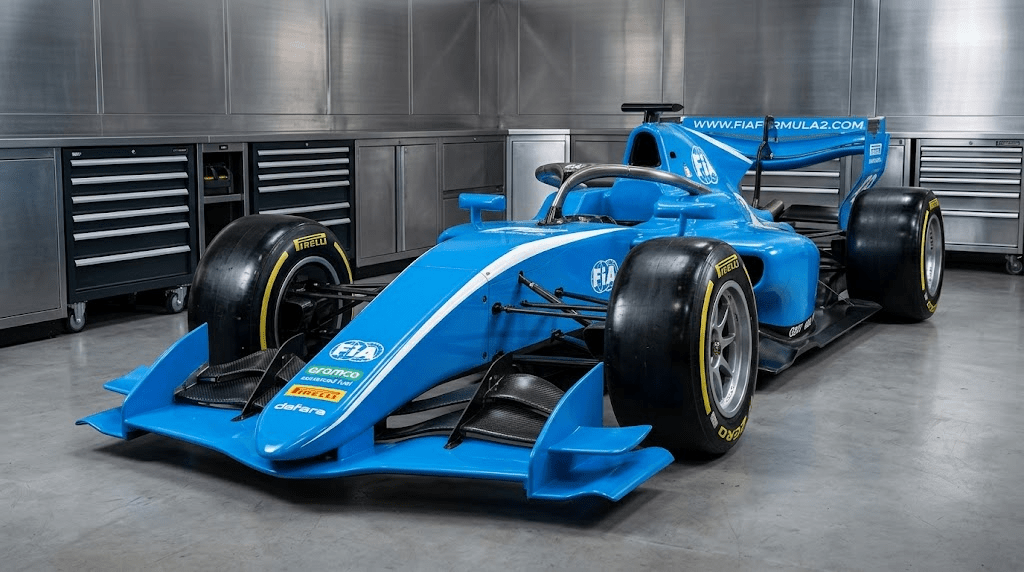
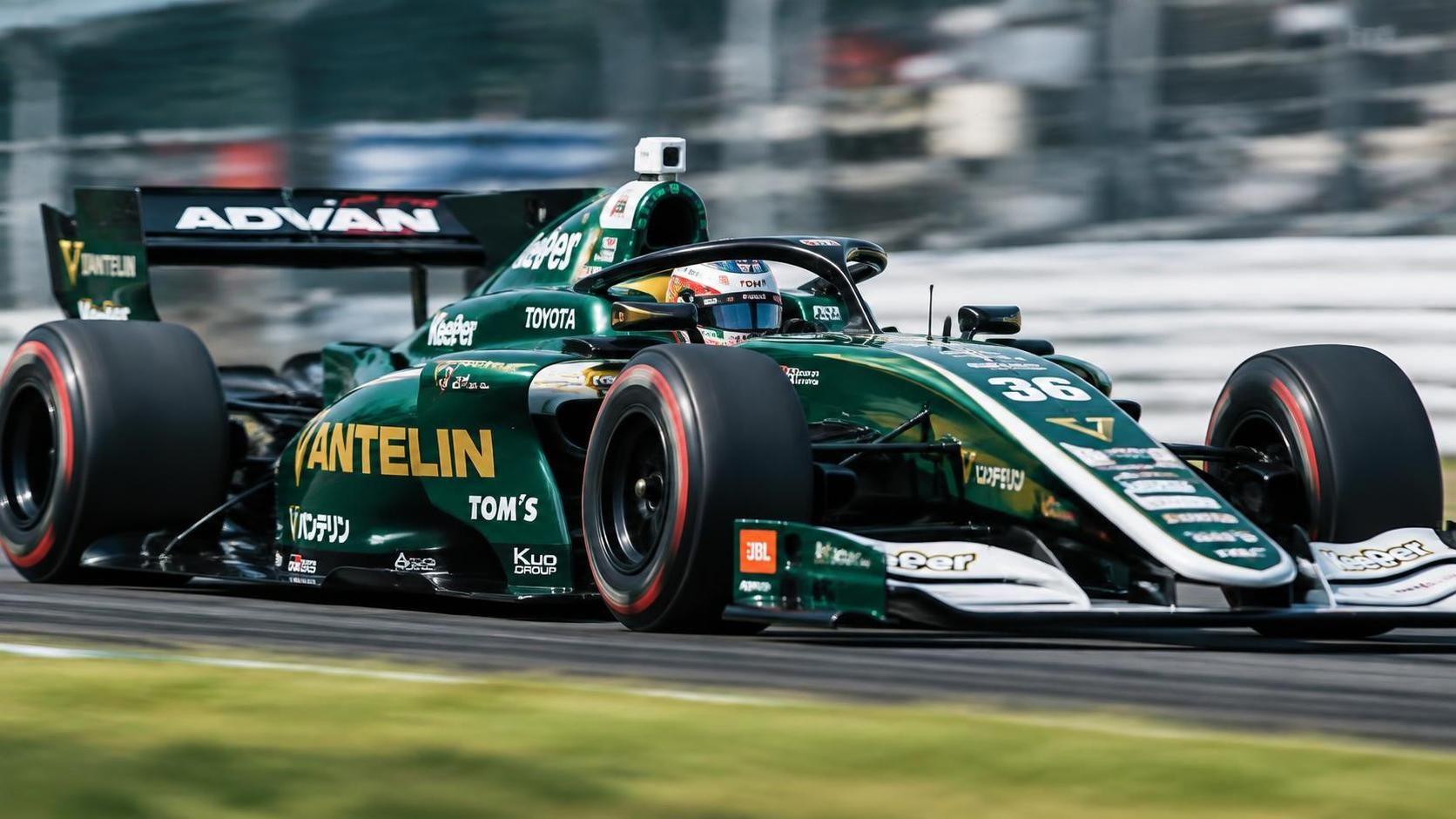
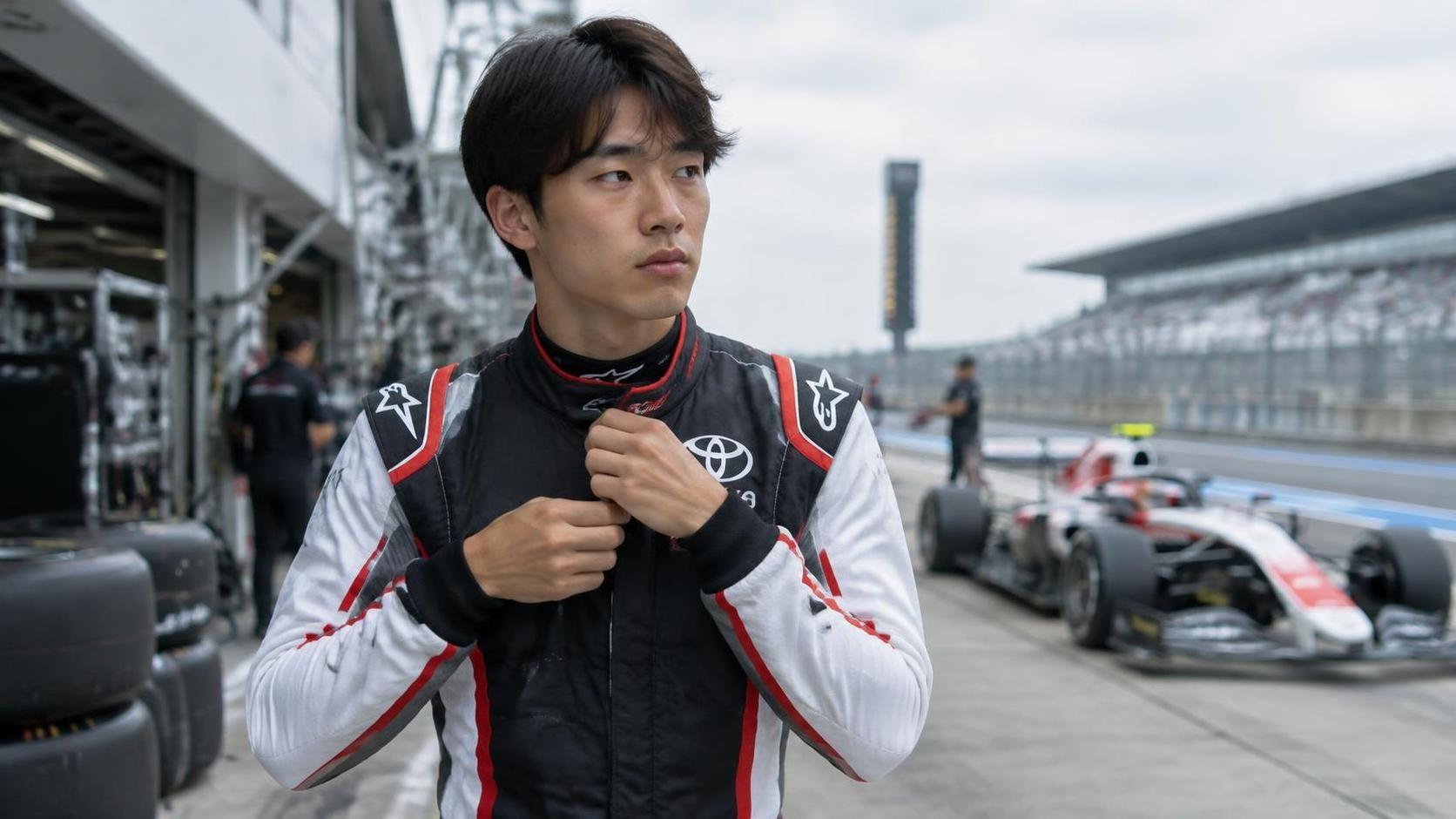
Sho Tsuboi looks set to leave Super Formula after the season and take on a Formula 2 campaign, although Toyota has not confirmed a deal. The 2024 champion has built his reputation at the front of Japanese racing, winning titles in both Super Formula and SUPER GT. Now, regular work in Haas’ Testing of Previous Cars programme has brought an international route into sharper focus. A 2027 F2 drive could align with a larger role around the American F1 team, which works with Toyota, but the next step remains Tsuboi’s decision. If he makes the switch, it would be a significant driver transfer—and a test of how far his open-wheel racing experience can travel beyond Japan.
Why Sho Tsuboi’s F2 challenge is gaining momentum
The move would follow a familiar path: Ritomo Miyata also stepped from Japan’s top single-seater series into F2 after establishing himself at home. Tsuboi, now 31, has already made three Haas TPC appearances this year, including a recent Jerez test alongside reserve drivers Ryo Hirakawa and Jack Doohan. It was his fifth outing with the team since his first run at Fuji last July, giving the rumoured career move a practical foothold in Europe-facing F1 operations.
A Super Formula title does not automatically translate into F2 results. The cars are both fast, high-downforce single-seaters, but Tsuboi would need to adapt to a new calendar, unfamiliar circuits and a grid built around sprint and feature races. His experience managing traffic and extracting pace from a competitive package should help; learning a different team’s procedures and race weekends would still demand a sharp reset. For more context on Toyota’s position in the Super Formula engine debate, the machinery story matters as much as the driver market.
Haas links and Toyota’s international driver strategy
Toyota Racing vice-chairman Kazuki Nakajima stopped short of confirming any plan, saying the first question is what Tsuboi wants for his future. He added that the Haas opportunities may have influenced the driver’s ambitions, and said Toyota would support its drivers if they set international targets. That leaves room for a move, not a signed commitment; the distinction matters as speculation builds around the 2027 Formula 2 grid.
The F2 route could also reshape Toyota’s wider programme. If Tsuboi departs, Miyata may return to Japan after his first F2 win at Madring, despite a more competitive third season with Hitech alongside Colton Herta. His next destination remains open, with a TOM’S reunion in Super Formula and SUPER GT among the possibilities. Recent movement across the Super Formula field shows how quickly seats can shift; Tsuboi’s decision could set another chain in motion.
What a 2027 F2 seat could mean for Japanese racing
A 2027 F2 campaign would put Tsuboi on a longer road towards the F1 paddock, but it would not guarantee a race seat. The category offers mileage on European circuits and direct competition against young prospects already chasing Formula 1, while his Haas TPC work could keep him close to the team’s technical environment. That combination makes the proposal compelling, though its value will depend on where he can race and how much responsibility Toyota and Haas attach to the programme.
For Toyota, backing a proven champion abroad would extend its reach beyond Japanese racing without abandoning its domestic base. For Tsuboi, the choice is more personal: remain a leading figure in Super Formula or accept the steep learning curve of F2. Nakajima has left that call with the driver, and the next clear signal will be whether Toyota turns support into a concrete seat for the season ahead. More updates from the paddock are available through LAS Motorsport’s F1 coverage.