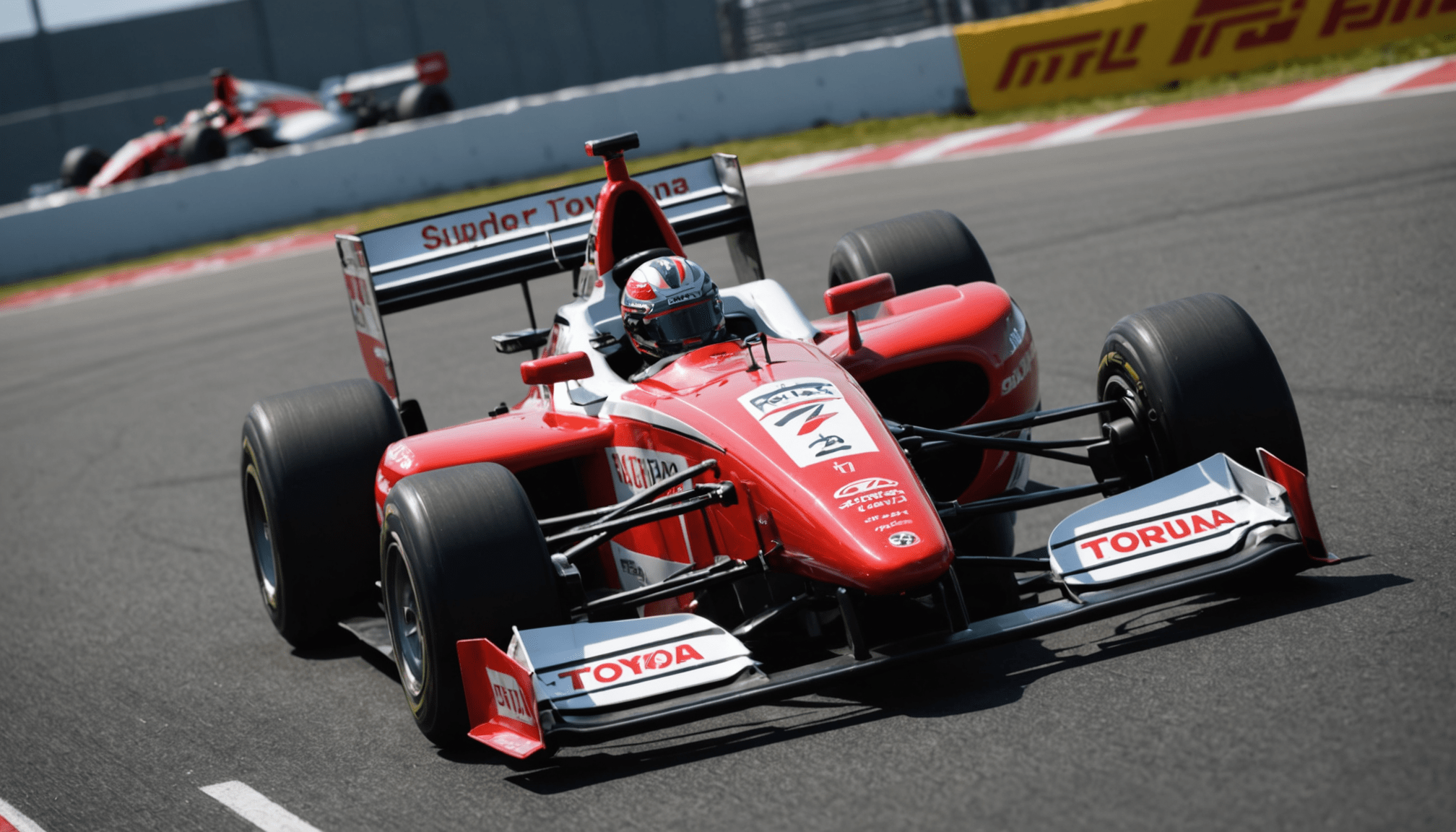

Sho Tsuboi raises alarms over Super Formula’s growing engine gap. Toyota’s dominance is under threat as Honda continues to outpace its rival significantly. The 2024 champion urges series officials to reconsider engine regulations for a fairer fight ahead.
Sho Tsuboi, reigning Super Formula champ and Toyota-powered TOM’S driver, has openly criticised the current engine regulations amid increasing disparity between Toyota and Honda. After the recent Sugo round, Tsuboi highlighted how Toyota teams are losing the battle on raw power, with Honda commanding qualifying and race pace. Despite regulations freezing engine development, the performance gap has widened, leaving Toyota contenders struggling to keep pace. Tsuboi now calls on the series promoter JRP to implement immediate changes ensuring equitable competition. This marks a significant moment in the 2026 season, where the integrity of Japan’s premier single-seater category hangs in the balance.
Tsuboi details Toyota’s problem with Honda
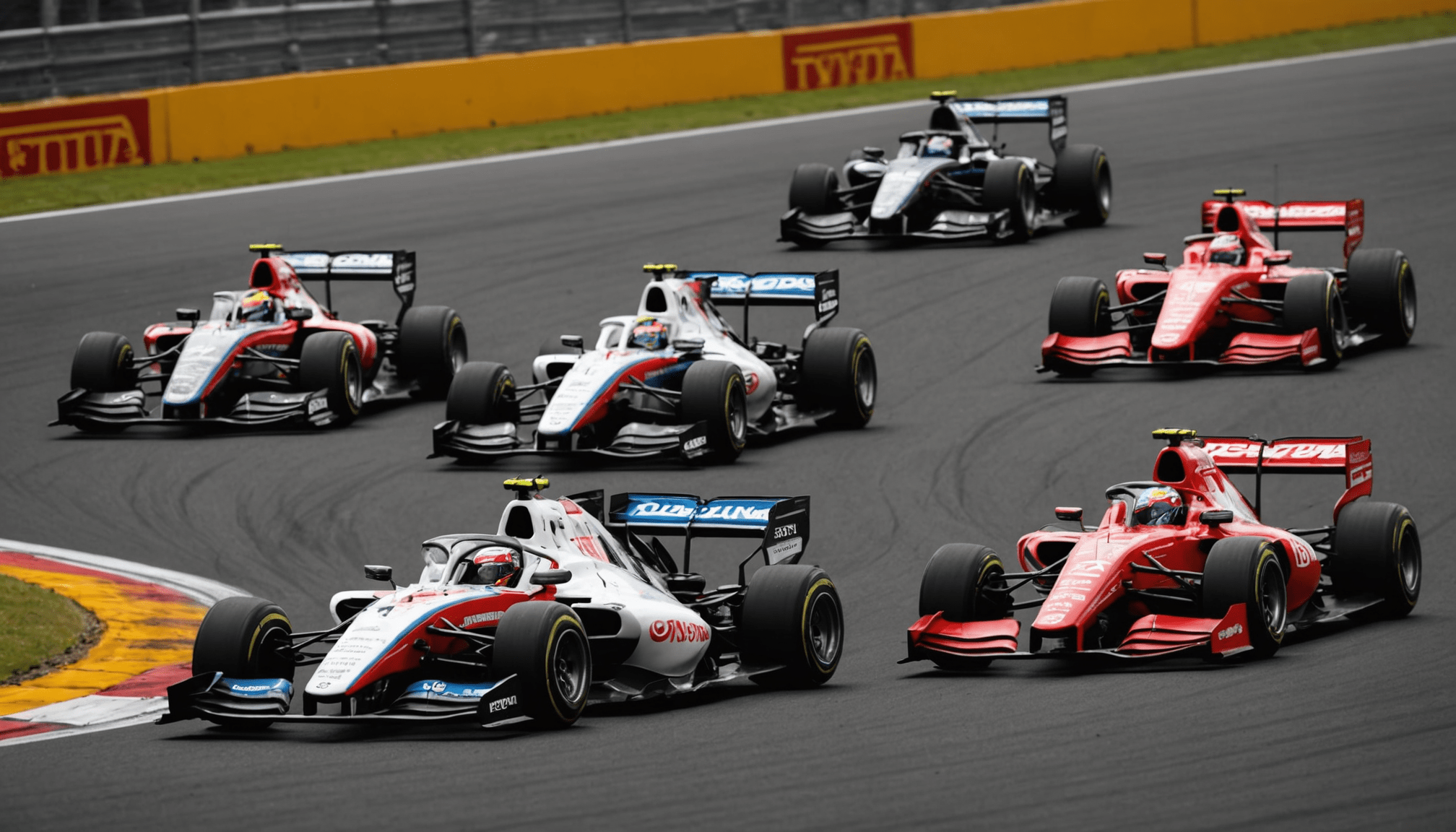
The 2026 Super Formula season has so far seen Honda seize six out of eight poles and dominate five of the eight top-three qualifying lockouts. This level of domination is unprecedented and paints a troubling picture for Toyota. Despite occasional race wins from Toyota-powered drivers like Sacha Fenestraz and Nirei Fukuzumi, only Fukuzumi’s Suzuka victory came from outright pace, while the Sugo win required a fortunate safety car intervention. Tsuboi finished seventh at Sugo, underscoring how Toyota’s power deficit leaves drivers unable to challenge Honda under equal conditions.
Tsuboi illustrated the growing division, describing how Toyota drivers are effectively contending in a parallel championship where Honda sits apart. “We could not properly overtake at Sugo even with the overtake system,” he commented. This blunt assessment signals frustration with the status quo and a desire for changes to relevel the field.
Strategic strains behind the performance gap
Super Formula’s two-litre turbocharged engines have remained mostly frozen in development since 2014. While Toyota’s TRD 01F unit dates back to 2019, Honda’s Mugen-tuned HR-417E debuted in 2017. Despite regulations freezing upgrades, Honda’s electronics or fine-tuning advances appear to have leapt ahead. This unequal evolution may be technical subtleties invisible on paper but crucial on track.
Tsuboi proposes a structured engine development cycle of three to four years to establish waves of competitiveness. This approach could see Toyota engineer upgrades to close the gap legitimately, accepting competitive swings rather than a frozen stalemate. Such regulation adjustments would provide clarity and incentivise true engineering excellence—key for a championship thriving on technical innovation.
What’s at Stake: Championship Impact and Future Directions
The engine imbalance severely affects Toyota’s ability to contend for race wins and championships under the current format. Toyota drivers risk being relegated to a secondary tier within Super Formula. This divides fan interest and damages the series’ reputation for fair, close racing—an issue not lost on series management or the fanbase.
Should JRP enforce Tsuboi’s recommended overhaul, it would establish periodic engine development windows, restoring on-track parity and welcoming a fresh arms race between Honda and Toyota. This could reinvigorate the competition, benefiting drivers, teams, and enthusiasts alike. With Toyota-backed drivers like Tsuboi eyeing higher challenges, such as F1 tests, the stakes extend beyond national series.
For detailed insights on hybrid assistance and energy recovery systems shaping power unit performance, check out the Formula 1 KERS technology overview. Meanwhile, readers interested in how modern racing technology deeply influences car control and pace will find this analysis of F1 braking systems illuminating.