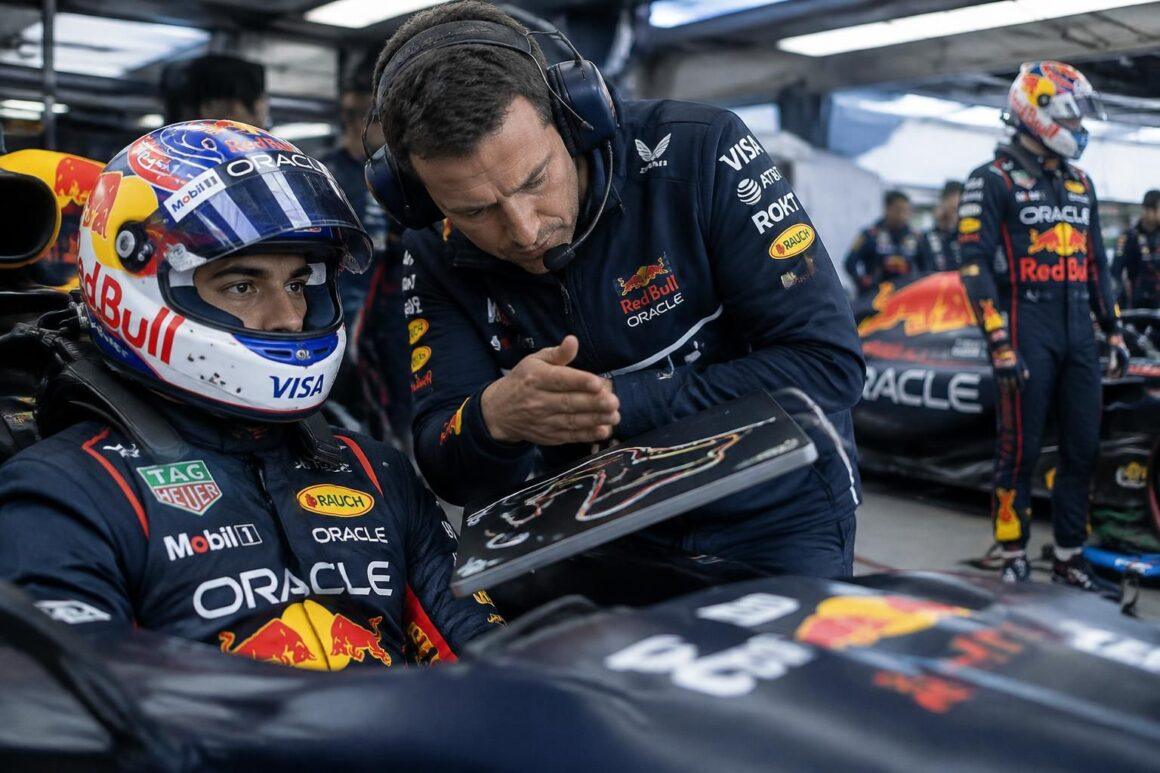


Peak speed figures near 220–230 mph define how fast a Formula 1 car is today. Launches hit 0–60 mph in 2.6 seconds while drivers sustain 5–6G through fast corners. The trade between active aero drag cuts and hybrid deployment decides real lap time.
The sport’s minimum dry weight stands at 768 kg, driver included but without fuel. Early power deployment targets a near 50/50 split, with a 350 kW electrical cap. Peak straights show Formula 1 top speed figures beyond 350 km/h at low-drag tracks, while total output trends toward 1,000 hp; see context in horsepower analysis.
This short technical breakdown helps visualize drag reduction and battery push on straights.
How fast is an F1 car in 2026: architecture
Speed in 2026 hinges on energy split, aero load, and tire state. The hybrid contributes 350 kW, lifting transient acceleration and deployment efficiency at lower gears. Ground-effect floors generate high downforce, amplifying braking and mid-corner grip. Braking capability shapes speed windows; see brake system fundamentals for race references.
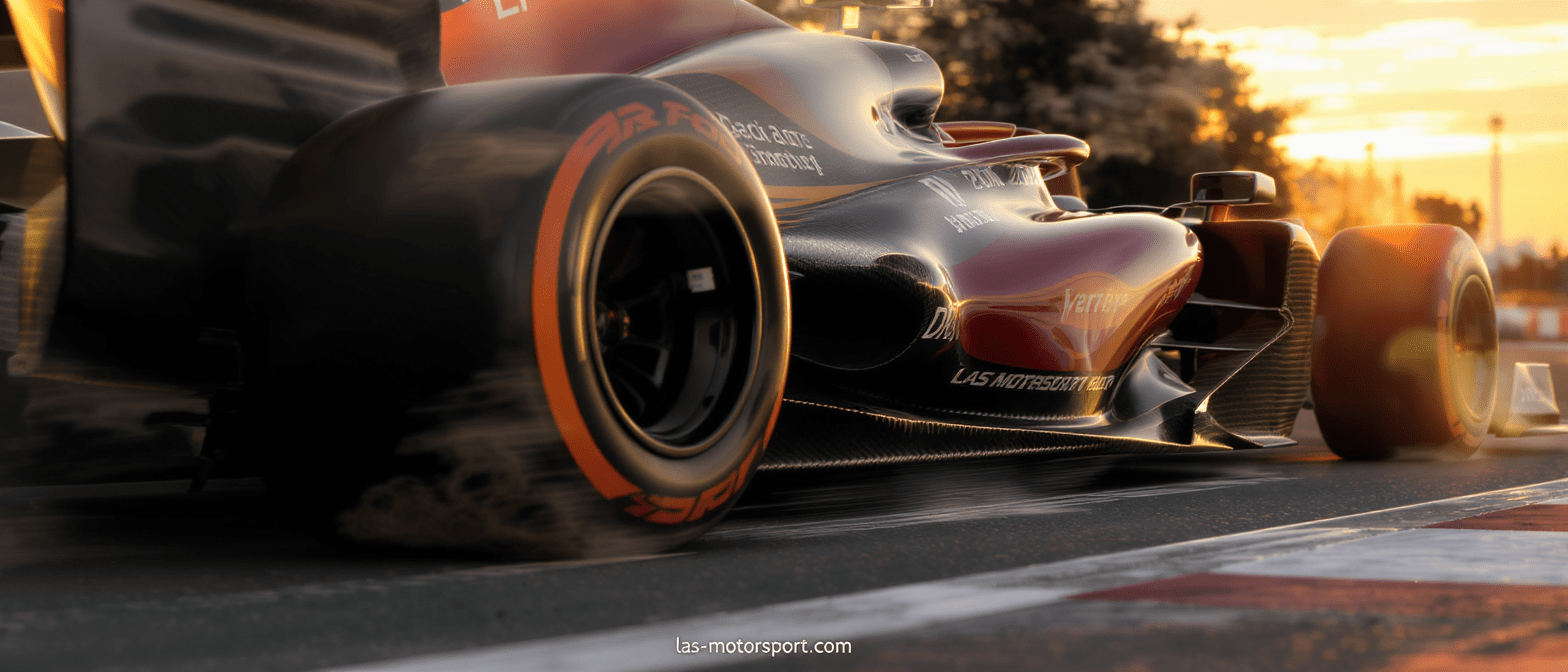
Powertrain, aero, and load paths
The ICE and MGU-K share torque delivery across gears and straights. Battery discharge windows compress, sharpening punch out of slow corners. With 768 kg minimum mass, power-to-weight stays extreme. Engineers target stable platform aero loading to hold ride height.
Active rear wing trims Cd by roughly 20–30 percent under DRS. That cut yields 10–15 mph on long straights, track dependent. Teams balance low drag versus yaw stability under crosswinds. Consistency requires precise underfloor sealing on turn-in.
Telemetry and F1 car performance impact
COTA comparisons show Formula 1 laps about 14.3885 seconds quicker than IndyCar. Average corner speeds stay higher due to underbody suction and efficient wings. Drivers see 5–6G at Copse and Eau Rouge in clean air. Such loads demand elite neck conditioning protocols across events.
Acceleration from 0–60 mph averages 2.6 seconds on optimal rubber. Heavy braking can drop 200 to 50 mph in under three seconds. Initial pedal force often reaches 100–130 bar before modulation. That profile preserves front axle tire support into rotation.
How fast is a Formula 1 car: strategy and history
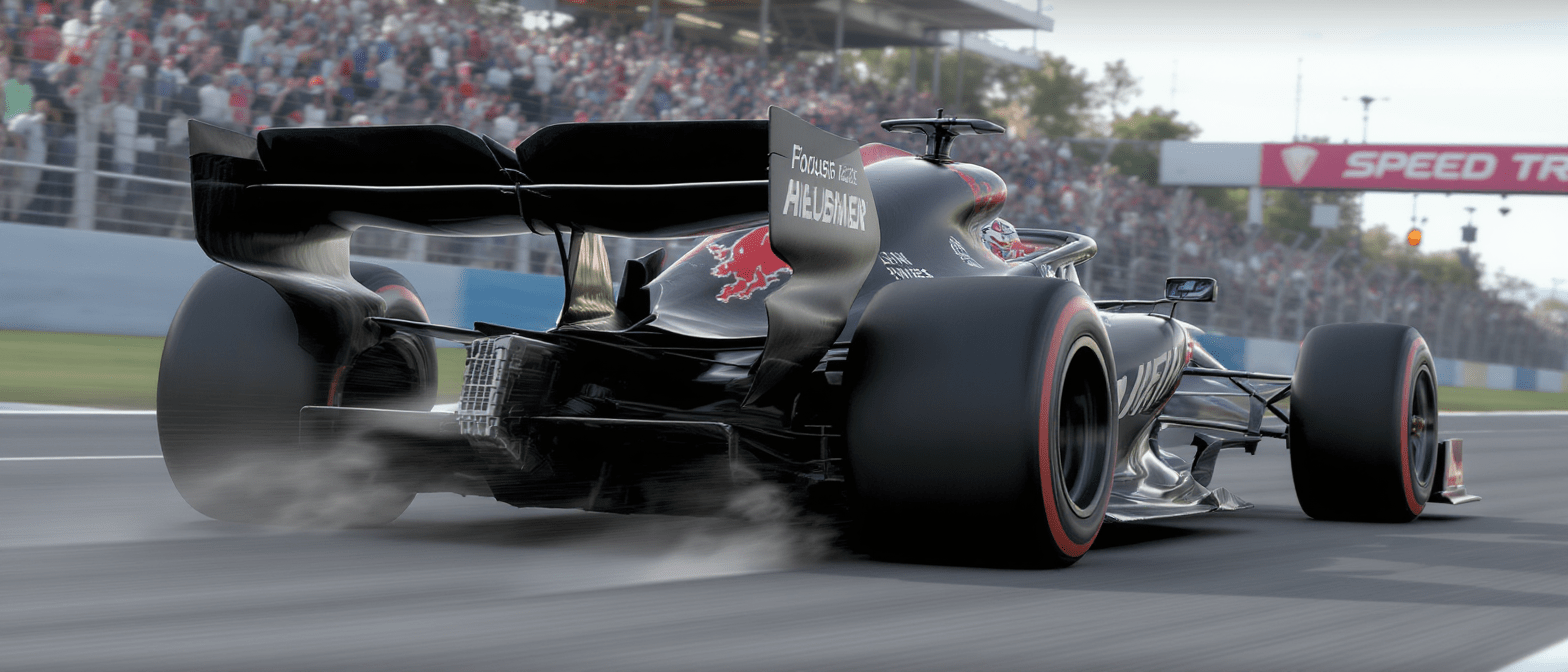
Verified traps at Baku and Monza continue to headline absolute velocity. Bottas reached 372.5 km/h officially in 2016; unofficial peaks touched 378 km/h. Ovals show IndyCar exceeding 240 mph, but road-course laps favor F1. Strategy now blends battery push and aero trim; gearbox logic remains central (gearbox overview).
Race scenarios and lap times
Battery state dictates entry versus exit compromises through traffic. Drivers may save energy through Sector 2 to deploy later. That release boosts passing with DRS assistance down main straights. Net result improves overtake probability and speed per stint.
Setups chase stability under yaw and braking over bumps. Teams trim flap angles for Monza-style runs, protecting traction. The goal preserves tire energy while maximizing straight-line delta. That balance compresses effective lap time losses over distance.
Regulations, aerodynamics, and top speed
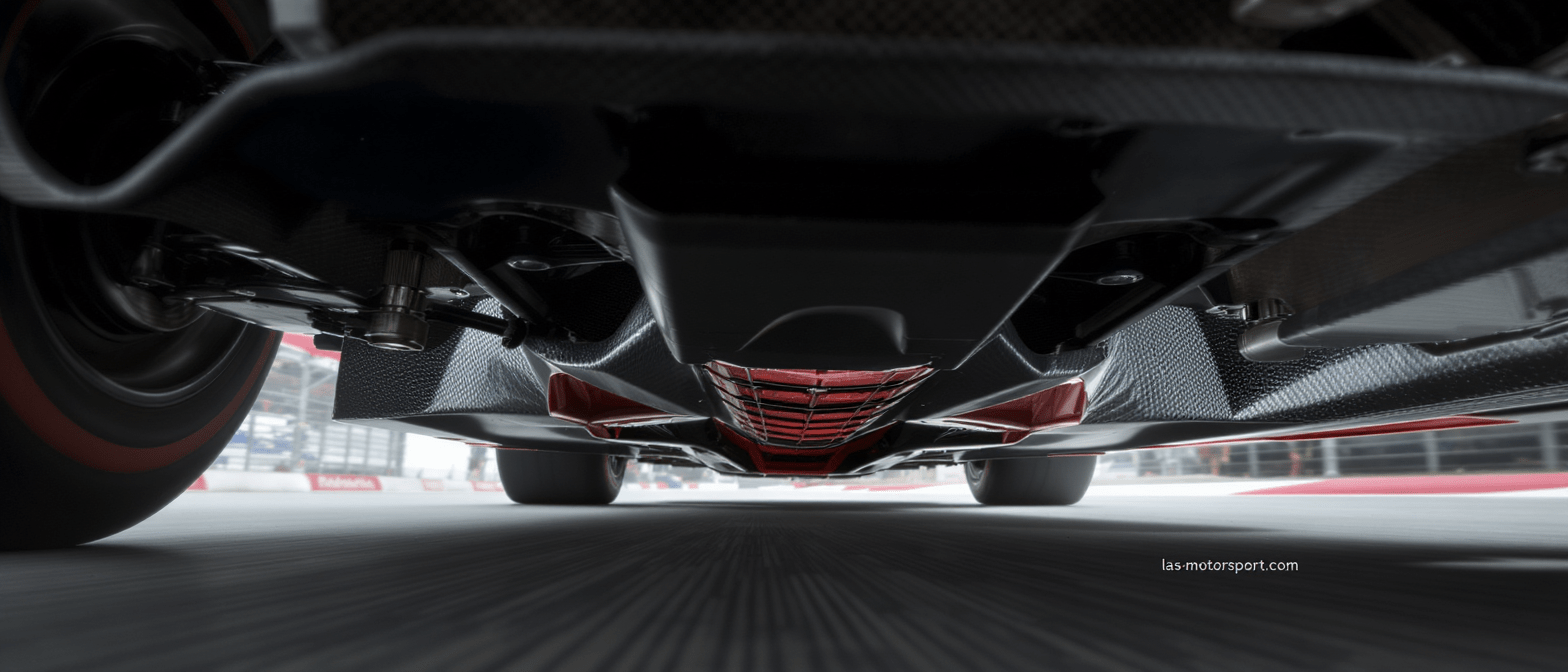
Chassis weight reductions of 30–32 kg sharpen response windows. The minimum at 768 kg helps rotation and braking efficiency. Active aero reduces drag while safeguarding rear stability under DRS closure. Expect realistic top speed on power near 340–360 km/h.
Brake discs touch 1,000°C during repeated heavy stops. Pressure traces open near 120 bar, then taper as downforce bleeds. That modulation prevents lock-up as speed falls and load drops. It underpins repeatable corner entry confidence on longer stints. Notice how DRS closure timing stabilizes rear load just before heavy braking zones.
What defines F1 top speed in 2026?
Active aero drag cuts, a 350 kW electric boost, and optimized low-drag wings set peak velocity. Typical traps range from 340 to 360 km/h at power circuits under ideal conditions.
How does acceleration compare across stints?
Fresh softs and full deployment yield 0–60 mph in about 2.6 seconds. As tires fade and SOC constraints tighten, traction and punch gradually decrease.
Why are F1 lap times quicker than IndyCar on roads?
Underbody downforce and efficient wings raise corner speed and shorten braking distances. That combination lifts average speed, slashing sector times on technical circuits.
What G-forces do drivers experience?
High-speed corners can reach 5–6G laterally, with braking near 5G longitudinally. Conditioning and head-neck support systems mitigate fatigue and risk.
Where can I learn about pedal technique?
Pedal feel and modulation define entry stability and traction on exit. See the guide on how F1 pedals work for cockpit detail.