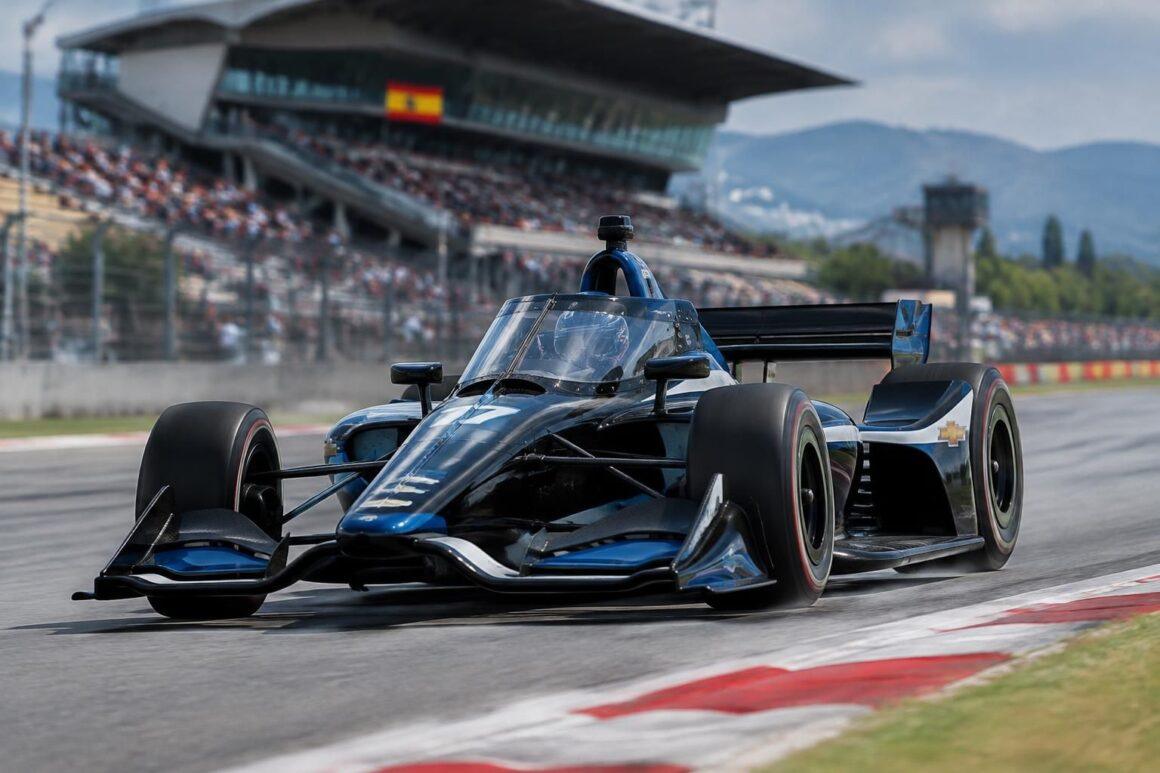


Formula 1 gearboxes are marvels of engineering that challenge traditional concepts of transmission. They blend the precision of manual control with the speed of automation, operating in a way distinct from everyday cars. Understanding how these systems function reveals much about the relentless pursuit of performance in F1 technology.
In short, F1 cars feature a unique transmission system that defies simple categorization as automatic or manual. This system revolves around paddle shifters and a semi-automatic gearbox, offering lightning-fast gear changes driven by the driver’s commands. The integration of this technology shapes both driver interaction and overall race dynamics profoundly.
How Does an F1 Car’s Gearbox Differ from a Conventional Automatic Transmission?
The F1 gearbox is distinct from the traditional automatic transmission used in road cars. While road automatics select gears based on vehicle speed and engine load autonomously, an F1 car’s transmission requires explicit gear change commands from the driver through paddle shifters. This semi-automatic system executes these commands almost instantaneously, enabling rapid responses essential for racing.
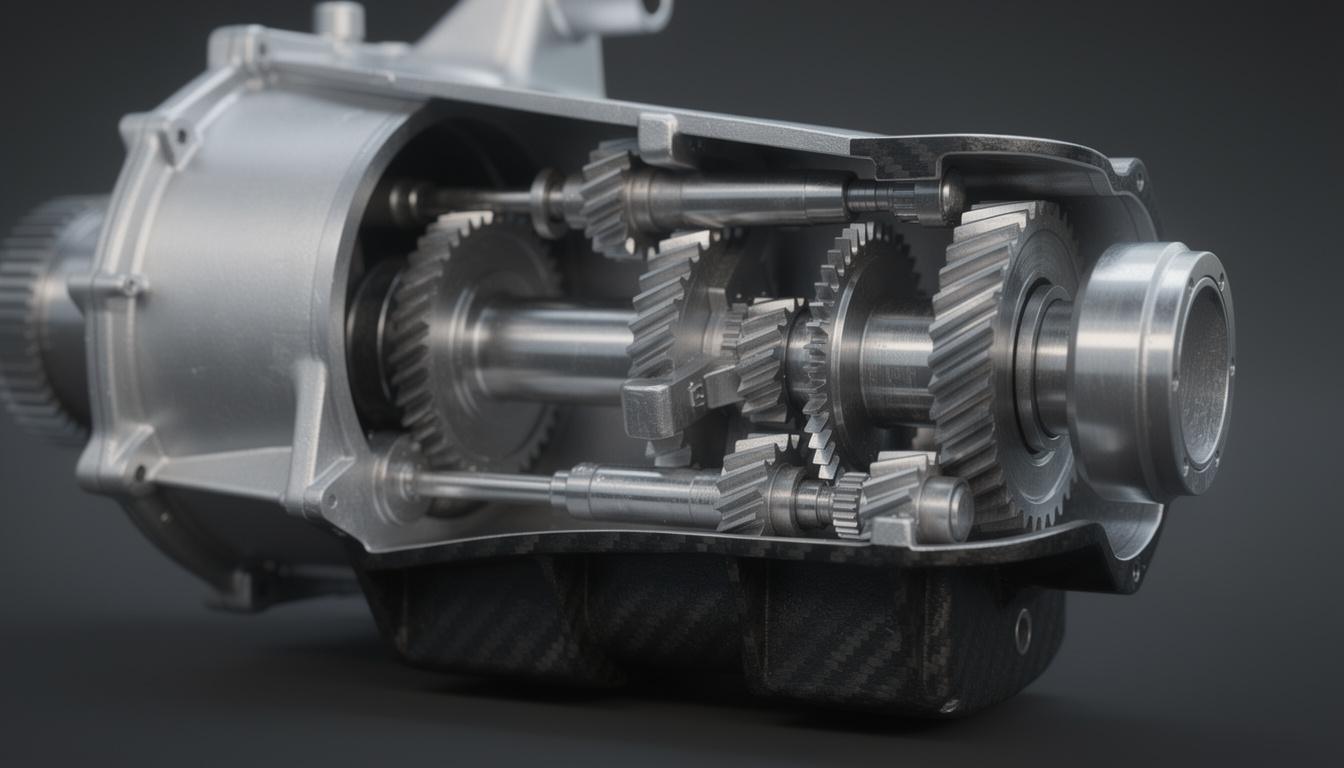
The gearbox within an F1 car is sequential, meaning gears must be engaged in order without skipping, unlike road cars that can jump multiple gears in one shift. This design is optimized to support the engine’s extremely high revolutions and boost performance.
Moreover, shifts occur hydraulically within a mere 50 milliseconds, an impressive feat that minimizes power loss during gear changes and preserves acceleration continuity. This swift changeover is critical given the high-speed demands and frequent shifting inherent in racing conditions.
For deeper clarity on this specialized transmission system, readers may review the seamless gearbox explanation available on LAS Motorsport.
The Role of Paddle Shifters in F1 Gear Changes
Paddle shifters revolutionized how drivers interact with gearboxes in Formula 1 cars. Located directly behind the steering wheel, these paddles let drivers control gear changes with minimal hand movement, reducing driver workload during complex maneuvers. The ergonomics of paddle shifters are essential for maintaining racing focus and performance.
Unlike manual cars with clutch pedals and gear levers, F1 paddle shifters control a multi-plate clutch system automatically during every shift apart from race starts and pit-lane releases. This design allows gear changes without taking hands off the wheel or feet off the pedals, which is vital in high-speed racing scenarios.
How Semi-Automatic Gearboxes Influence F1 Performance
The semi-automatic gearbox plays a direct role in lap times and race strategy. By enabling virtually instantaneous gear shifts, these gearboxes remove the delay that mechanical lever-based transmissions introduce. The rapid gear change capability enhances acceleration and corner exit speed, often deciding the outcome during tight battles on track.
Additionally, these systems are electronically and hydraulically controlled to optimize clutch engagement and disengagement, adapting clutch timing to enhance durability and smooth power delivery. This contributes to tire management and prevents drivetrain stress, which can be vital over race distances.
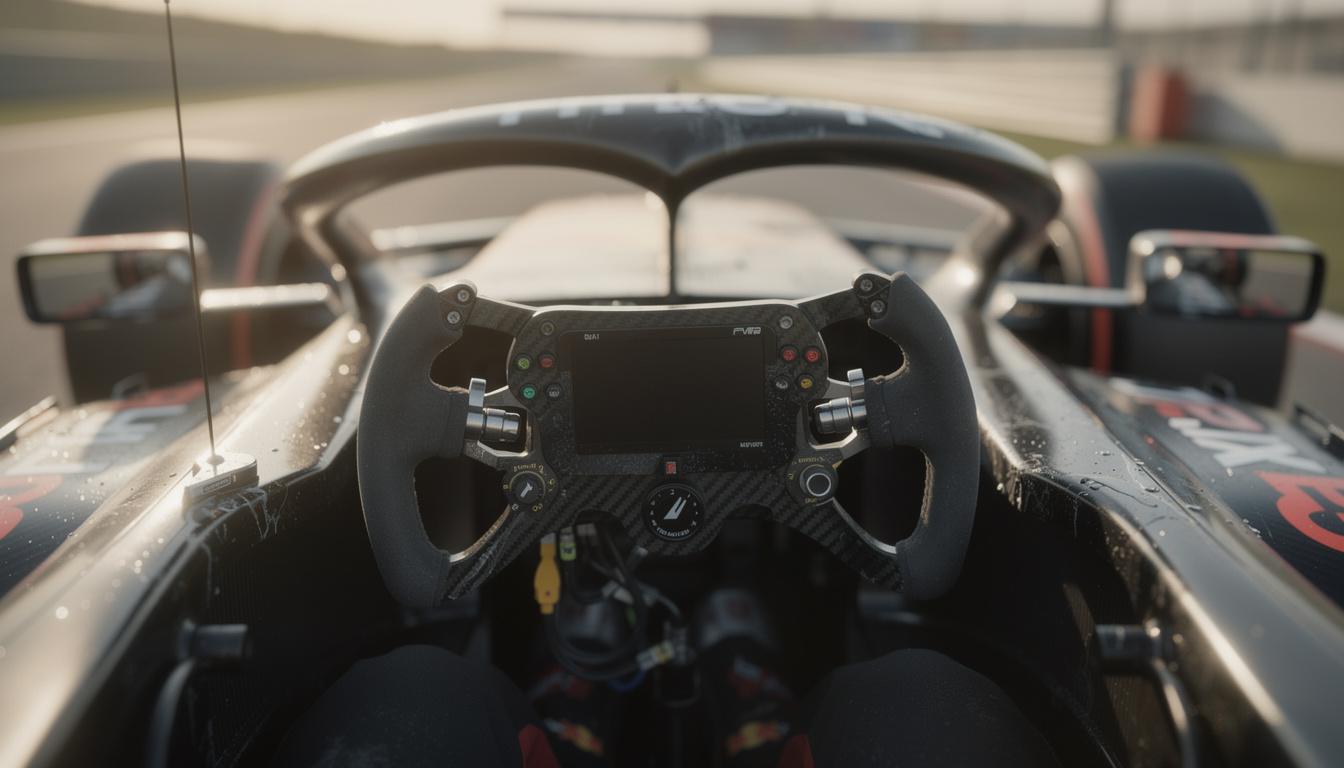
The gearbox’s seamless shifting also assists in reducing drivetrain shock, allowing drivers to focus on precise racing lines and braking without gearbox distractions. Understanding the subtleties of this technology sheds light on the complex interaction between driver skill and engineering excellence.
This video provides an essential overview of how paddle shifters control gear changes in Formula 1 cars, emphasizing their technical and ergonomic benefits.
Why Don’t F1 Cars Have Clutch Pedals Anymore?
Modern F1 cars have eliminated the clutch pedal side by side with traditional gear levers, creating a new driving paradigm. While a multi-plate clutch system remains essential, it is no longer managed by a foot pedal but through paddle controls. Drivers engage the clutch manually only twice: at race starts and when leaving the pit lane after stops.
The absence of a clutch pedal reduces driver workload dramatically, allowing better concentration on steering, throttle, and braking inputs. The combined semi-automatic and hydraulic systems manage gear changes and clutch engagement effortlessly at other times on track.
Historically, Ferrari pioneered this transition with the 1989 Ferrari 640, which introduced the paddle-shift gearbox concept and immediately demonstrated its competitive advantage by winning its debut race with Nigel Mansell at the wheel.
The full shift from manual clutches to paddle-operated systems unfolded throughout the early 1990s, culminating in the complete disappearance of gear levers by 1996. This shift marks a key point in Formula 1’s focus on maximizing driver efficiency and mechanical reliability.
The Clutch’s Role During Race Starts and Pit Stops
The clutch remains crucial during standing starts when precise control is needed to prevent stalling and wheelspin. Drivers use the clutch paddle to hold the bite point, a technique for launching the car smoothly off the line while balancing traction. The MGU-K electric motor is restricted from providing power until the car exceeds 50 km/h, placing clutch control front and center in initial acceleration.
At pit exits, clutch operation helps drivers pull away systematically after tire changes. Misjudging clutch engagement here risks stalling, although anti-stall systems engage automatically to mitigate issues. This safeguard fully disengages the clutch and stops the engine if recovery isn’t possible within ten seconds, maintaining race flow and safety.
Effects of Removing the Clutch Pedal on Driver Performance
Removing the clutch pedal shifts the responsibility of engaging power smoothly to technology, but drivers maintain full control of gear selection via paddles. This division allows them to focus on racecraft without compromising rapid gear response time. The semi-automatic system thus perfectly balances driver input with automation.
It also supports endurance, as drivers avoid the fatigue associated with constant clutch operation seen in road racing. This technical development enhances reliability, reduces gear mis-shifts, and ultimately contributes to faster, more consistent lap times.
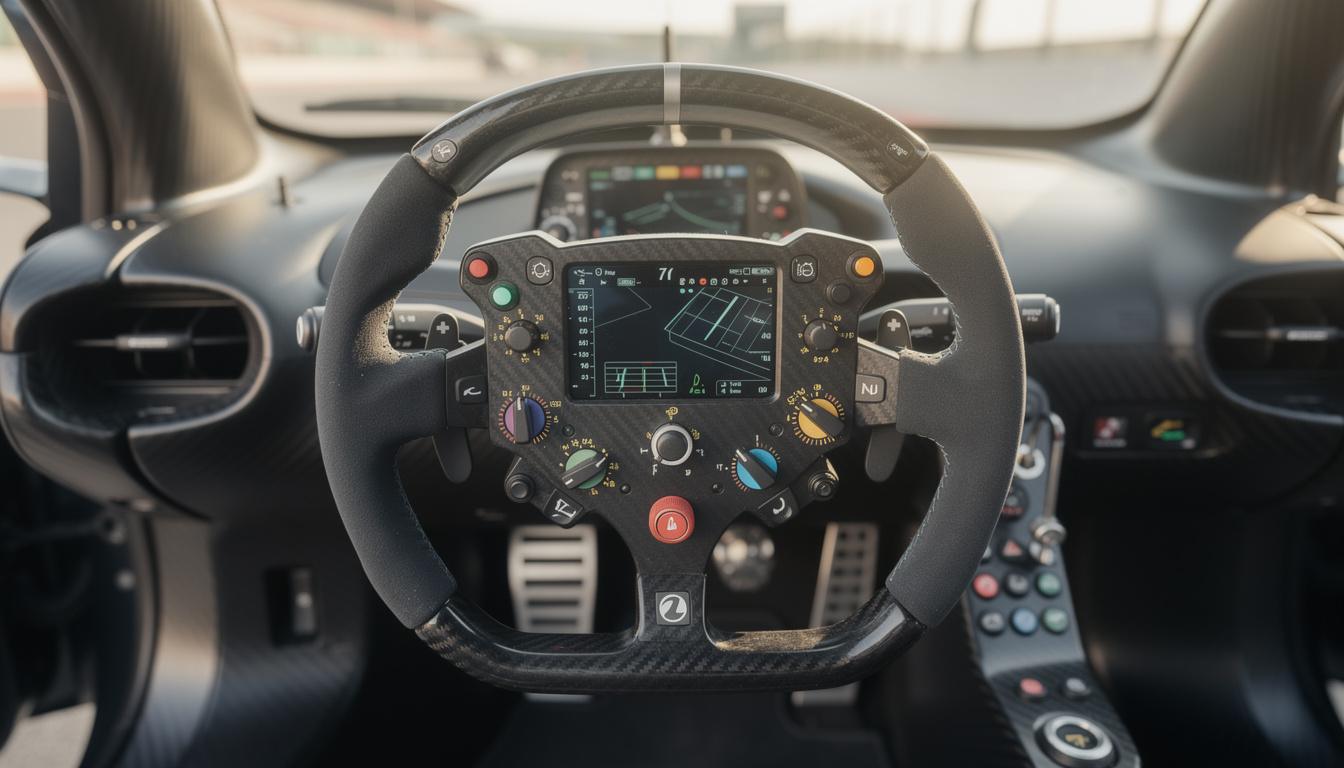
This clip details the critical role the clutch paddle plays during race starts and pit exits, highlighting its unique operation within the F1 control system.
How Speedy Are Gear Changes in an F1 Gearbox?
Time is a defining factor for gear changes in Formula 1. Each shift takes approximately 50 milliseconds to complete from paddle pull to the next gear fully engaged, a pace crucial for maintaining engine power at extremely high RPMs. This speed ensures minimal power interruption, contributing to the car’s seamless acceleration and response through corners.
The mechanical design of the sequential gearbox forbids skipping gears, requiring shifts through adjacent ratios in strict order. This limits complexity but facilitates consistency at the high speeds experienced by modern F1 power units.
Behind the scenes, hydraulic actuation carefully orchestrates clutch engagement and gear selection to minimize torque loss. These technical measures combine to make gear shifts imperceptible to the driver’s balance and steering, translating to improved lap times and vehicle control.
For technical enthusiasts, more can be read about the intricate workings of the F1 gearbox and transmission systems in LAS Motorsport’s detailed feature on gearboxes.
Comparison Between Sequential and Traditional Manual Gearboxes
Traditional manual gearboxes use an H-pattern lever and a clutch pedal, demanding precise driver coordination. In contrast, sequential gearboxes rely on a linear gear selection using paddle shifters, simplifying the interface. The F1 sequential gearbox excels in rapid, reliable gear changes, vital for race performance where milliseconds matter.
Despite the complexity of hydraulic and electronic controls, the system is designed with simplicity from the driver’s perspective. This setup also reduces possible error sources such as missed shifts or clutch misapplication, which could significantly impact performance and reliability.
The Role of Transmission Technology in Modern F1 Cars
Transmission technology remains a cornerstone of Formula 1 performance optimization. The continuous evolution focuses on speed, reliability, and driver integration. Electrical and hydraulic systems work in tandem within the gearbox, allowing seamless shifting and sophisticated control algorithms to handle the extreme mechanical demands.
The complexity behind F1 gearboxes reflects decades of engineering refinement, balancing high engine speed, aerodynamic stability, and energy recovery system integration. Every component is tailored to maximize power delivery and reduce system inertia, driving the cutting-edge nature of current transmission systems.
Are F1 cars considered manual or automatic?
They use a semi-automatic sequential gearbox, controlled via paddle shifters, combining manual commands with hydraulic actuation.
When do F1 drivers use the clutch?
Drivers operate the clutch paddle only during race starts and pit-lane exits; gear changes on track are clutchless.
How fast can an F1 car change gears?
Gear shifts occur in approximately 50 milliseconds, enabling seamless acceleration without power interruption.
Why did F1 cars stop using clutch pedals?
Paddle-operated multi-plate clutches boost driver efficiency and reduce workload, allowing focus on racecraft.
What happens if a driver stalls an F1 car?
Anti-stall systems disengage the clutch and stop the engine automatically within ten seconds if the driver cannot recover.