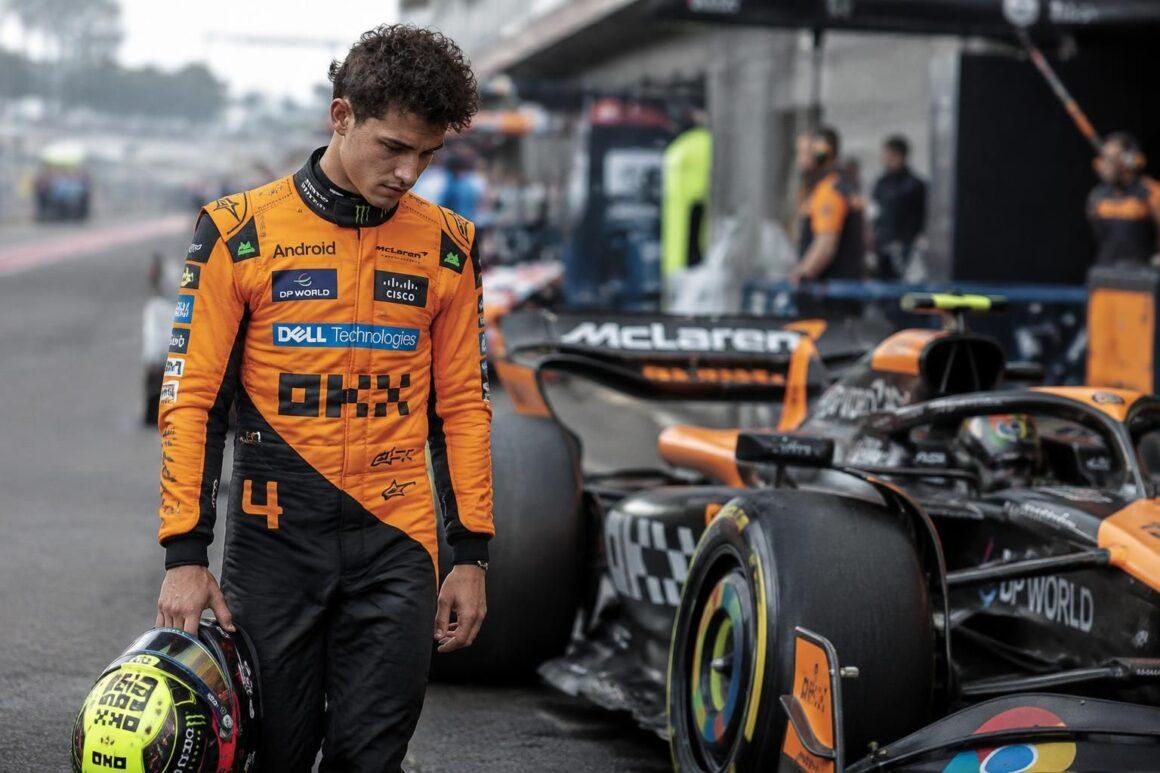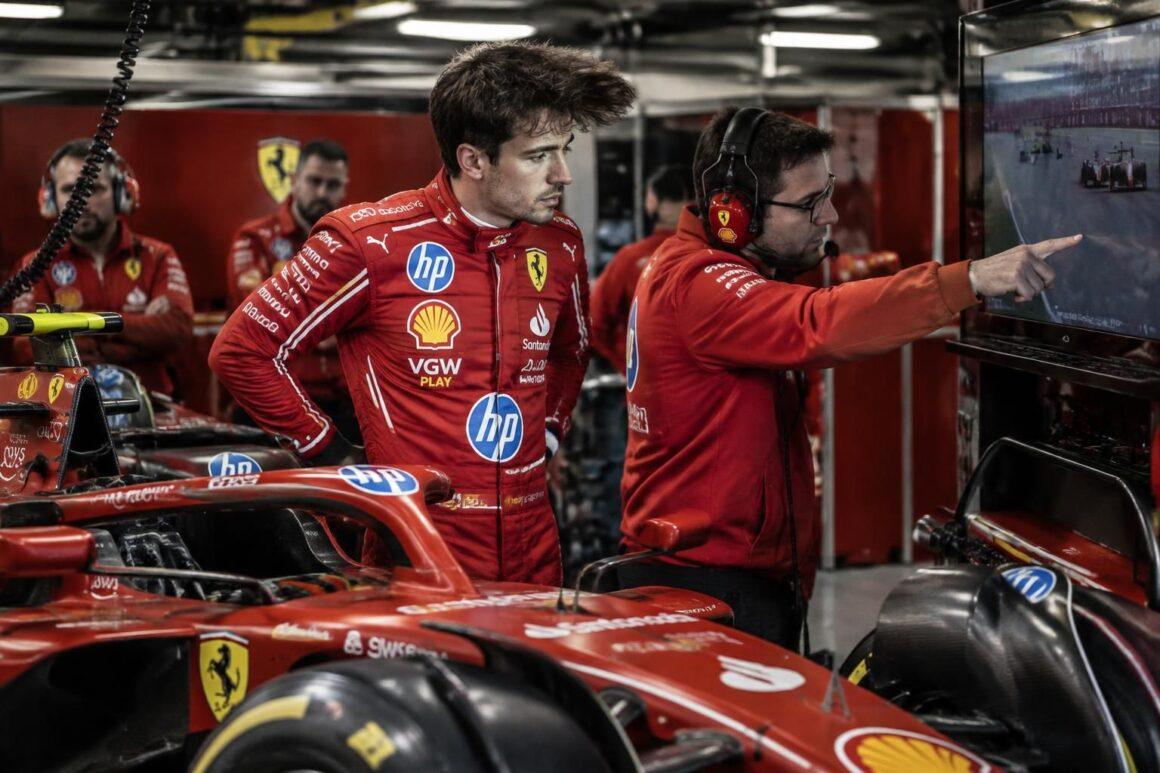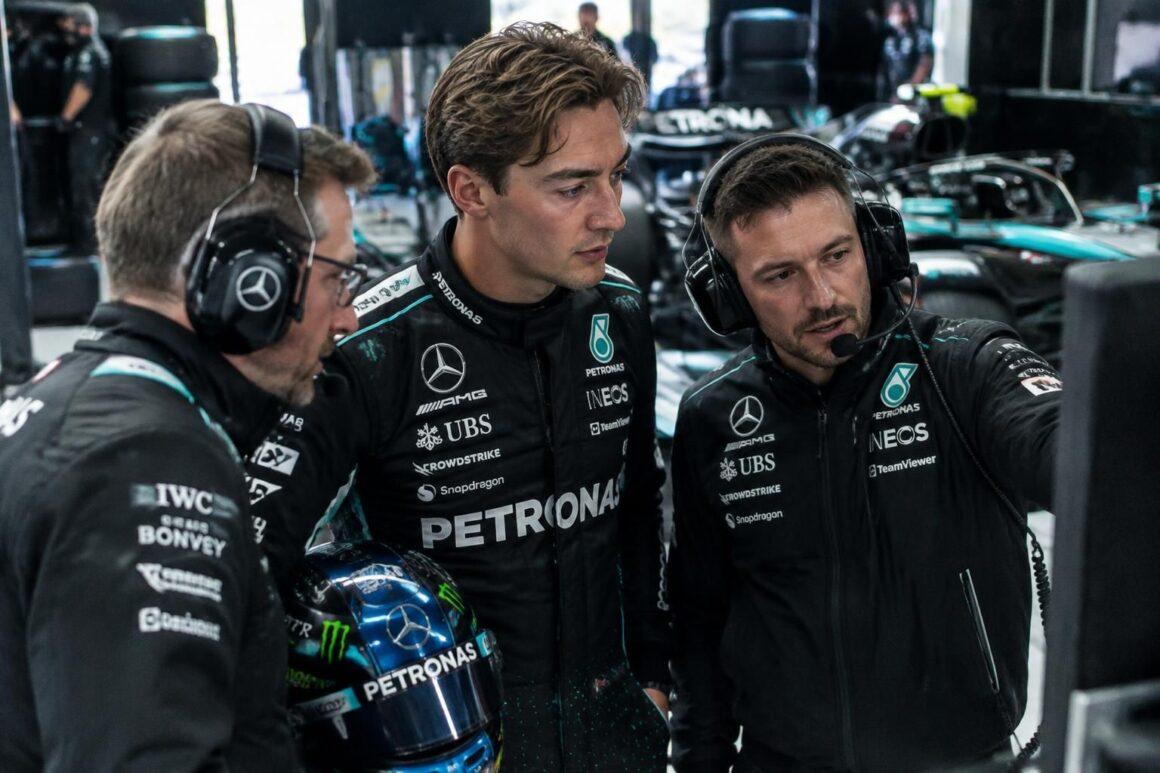

Why Antonelli’s lack of F1 experience could be his secret superpower. Nine wins have put the Mercedes driver on the edge of history. Ricciardo believes youth can keep the pressure at bay.
Andrea Kimi Antonelli heads into the Mexican Grand Prix needing ninth place to secure his first Formula 1 world title, unless neither George Russell nor Lewis Hamilton wins. The 20-year-old Mercedes driver has already taken nine victories in his second F1 season, and another points finish could make him the youngest champion the sport has seen. That record belongs to Sebastian Vettel, and Antonelli would beat it by more than three years.
Daniel Ricciardo sees something beyond speed in the Italian’s rise: youth, he argues, can shield a driver from the doubts and accumulated pressure that come with experience. Antonelli has promised to keep racing for enjoyment after his United States Grand Prix win, a mindset that may be his hidden advantage with the championship within reach. His lack of experience is no guarantee of success, but it may help him approach each race with a fresh perspective rather than a list of past disappointments.
How Antonelli’s youth and fearlessness have powered his Formula 1 title charge
Ricciardo described Antonelli’s advantage on the Beyond The Grid podcast as the freedom of being young and not yet weighed down by racing’s wider pressures. He recalled arriving at Red Bull for 2014 and taking all three of the team’s wins, outperforming reigning champion Vettel in his first season alongside him. The lesson is not that inexperience makes a driver faster; it can make the task feel simpler.
There is a clear parallel with Antonelli’s season at Mercedes, where he has outscored established team-mate Russell and turned a bold promotion into a title run. The same open-minded approach has helped other young drivers, though each arrives with a different support system and learning curve; McLaren’s view of Piastri’s inexperience offers another angle on how teams manage a newcomer’s development. For Antonelli, fearless racing appears most effective when it stays tied to sound judgement.
The mental and technical edge behind Antonelli’s adaptability
Ricciardo’s own career shows how confidence can become harder to protect as decisions and setbacks build up. His 2018 move away from Red Bull brought years of reflection about whether he had chosen the right path; a young driver, by contrast, may be more inclined to focus on the next braking point than yesterday’s doubts. That is not innocence as a substitute for preparation. It is a fresh perspective that can keep attention on the work.
At Mercedes, raw pace still has to meet tyre management, energy deployment and the demands of a changing race. The team must help Antonelli turn instinct into repeatable performance, while his adaptability gives him room to respond quickly when conditions shift. Readers tracking those details can follow the wider Formula 1 news and analysis alongside the technical signals behind his results.
What Antonelli’s title chance means for his future in Formula 1
Antonelli said after winning in Austin that he wanted to enjoy the remaining races and keep chasing another victory, rather than change his approach for the title fight. That response fits Ricciardo’s point: when the target becomes enormous, keeping attention on the next session can prevent the championship from taking over every decision. A ninth-place finish in Mexico would be enough, while a win by either Russell or Hamilton would keep the contest alive.
The comparison with Max Verstappen is unavoidable whenever a young driver approaches a record, but Antonelli’s route is his own; Verstappen’s career profile shows how quickly a teenage arrival can become the centre of a title story. Antonelli still has to close the job on track, yet his second-season form has already shown that the rookie driver’s learning curve can run alongside immediate results. If he lifts the trophy, the label future champion will become a present-tense fact.