
Toyota backs Rally1 to rule the WRC in 2027. M-Sport accepts the threat of Rally2 upsets. A proposed points split could redraw the championship.
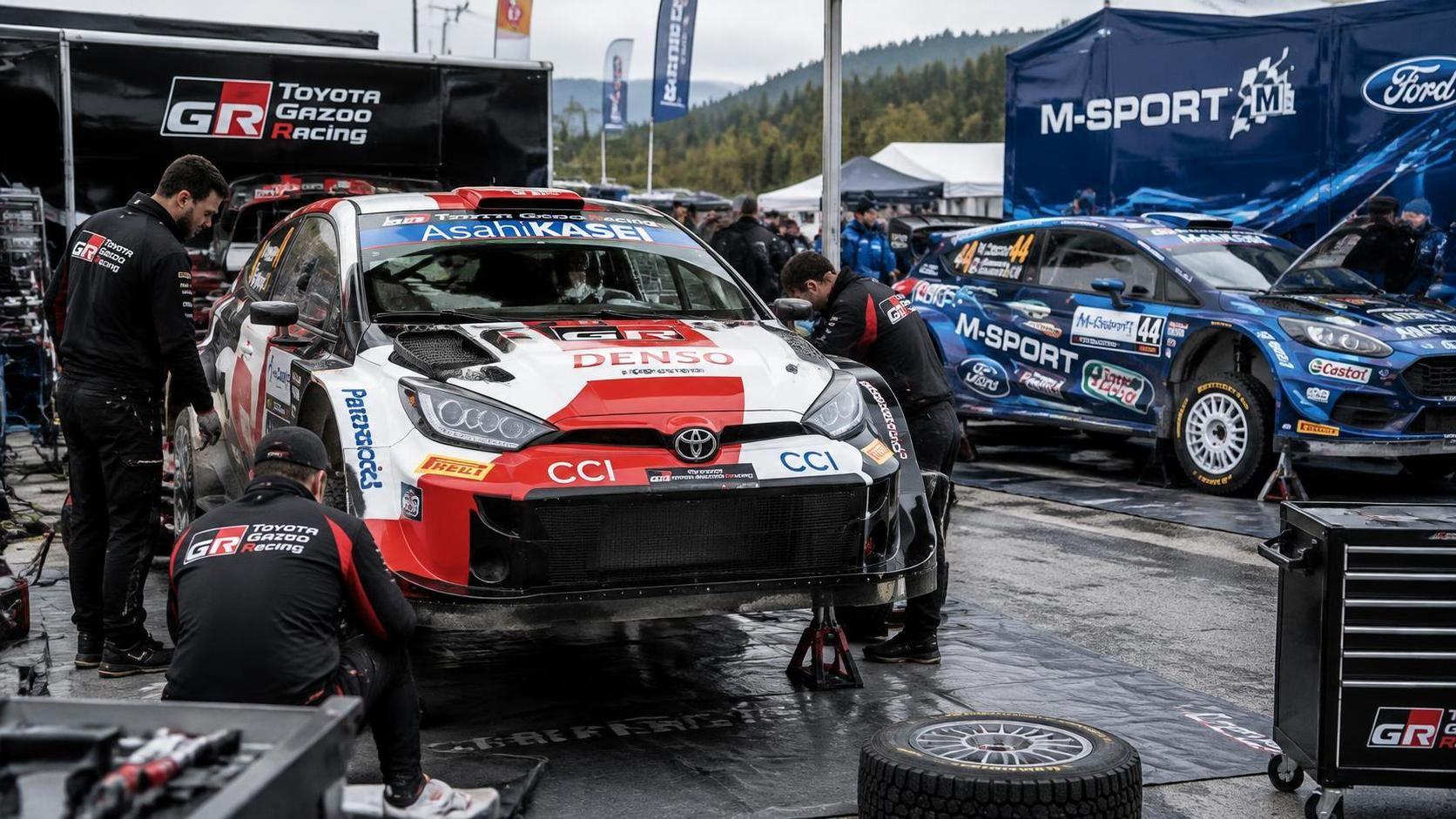
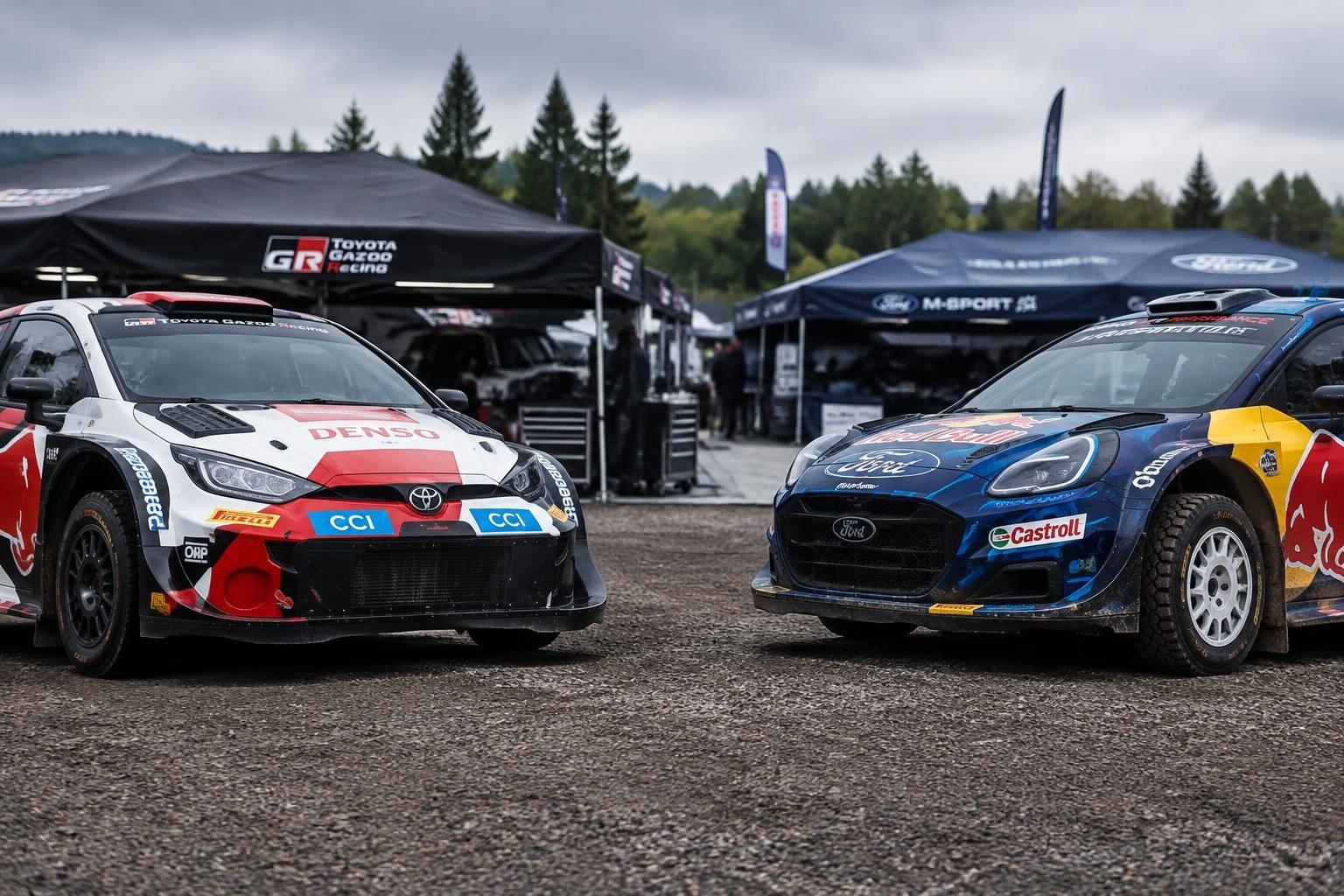
Toyota and M-Sport expect the new top-class cars to hold the edge across the 2027 World Rally Championship, despite technical regulations bringing Rally1 and Rally2 performance closer together. The FIA’s WRC Commission has proposed a separate WRC1 points table, with Rally2 crews barred from the overall title fight. The draft would also reserve Super Sunday points for Rally1 entries. The change aims to clarify the sport’s hierarchy and give manufacturers a stronger reason to build new cars or upgrade existing ones. But snow, gravel and road order can still turn a small pace gap into a sizeable result.
For Toyota team principal Jari-Matti Latvala, outright wins should still favour Rally1 crews over a full event. He accepts that Rally2 cars may top individual stages, but argues that sustaining that pace across three days demands another level of driver and machinery. M-Sport boss Richard Millener agrees on the broad picture, while warning that certain conditions could produce exceptions. The WRC debate now hinges on whether a class split protects the title’s meaning—or sidelines the sport’s underdogs.
Why the WRC wants a separate Rally1 championship in 2027
The proposed regulations would separate points for WRC1, WRC2 and WRC3, rather than awarding championship points to the top ten finishers overall, regardless of car. That matters because the new Rally1 package is expected to hold only a 10–15hp advantage over a standard Rally2 car. The gap is narrower than before, leaving room for road position and conditions to distort the order.
Millener argues that a distinct top class gives manufacturers a clearer commercial incentive to develop a new car or a Rally2 upgrade kit. He also sees a simpler message for new fans: the WRC’s highest title belongs to the highest class. That argument has drawn criticism from purists, who say a separate points table could reward Rally1 crews after costly mistakes, even when Rally2 drivers finish ahead overall.
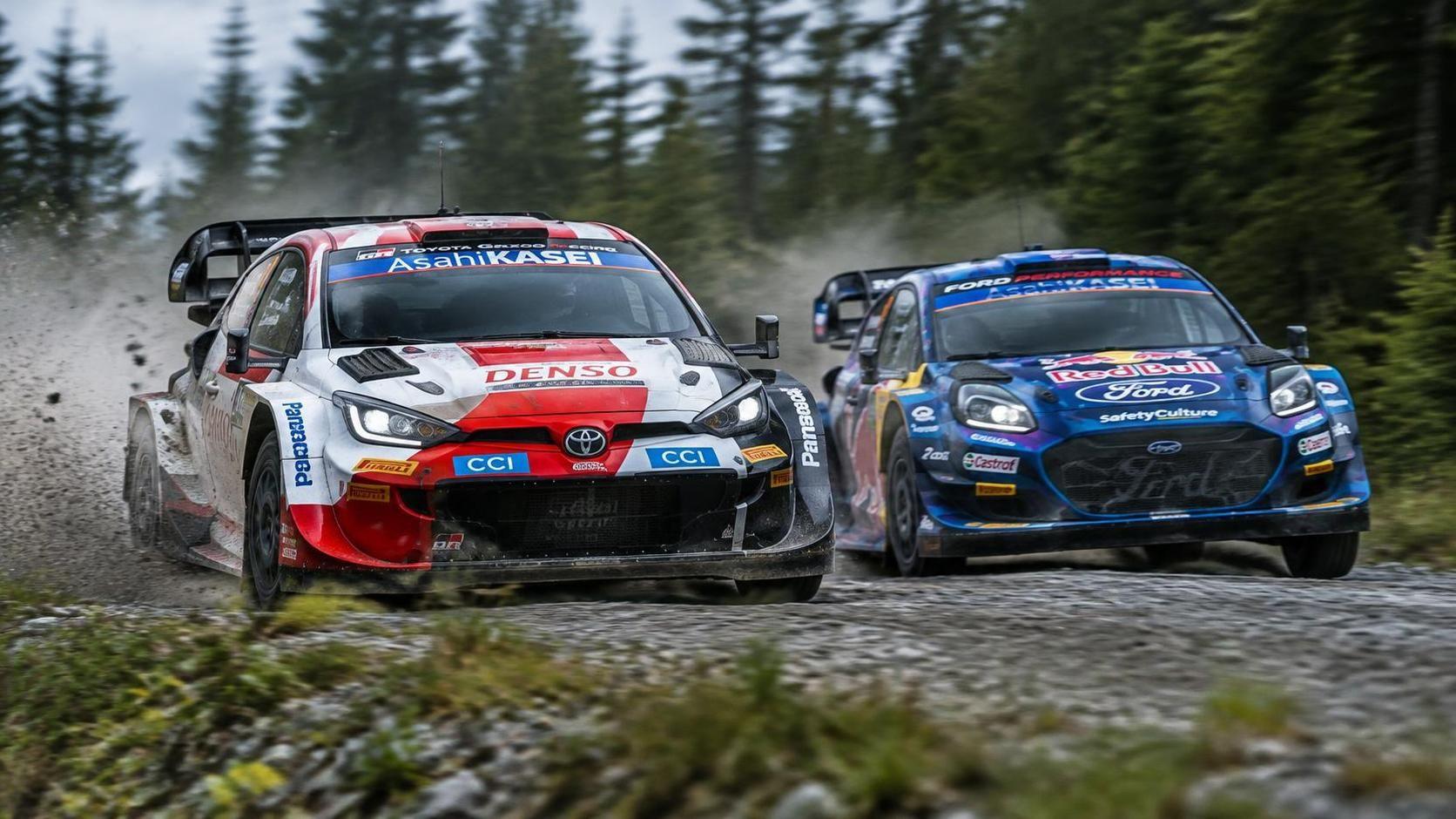
Toyota and M-Sport assess the Rally1-versus-Rally2 pace gap
Latvala believes Rally1 cars and their leading drivers should win most events unless retirements thin the field. Rally2 crews can take stages, he says, but repeating that speed over a whole rally is a different test. His confidence reflects more than engine output: driver depth and consistency remain part of the performance equation.
Millener points to Sweden as a possible outlier. Fresh snow can favour the first cars through, while later crews may find a better-formed line; a swing of 50 seconds or more can outweigh a modest pace advantage. On those roads, the concern is not that Rally2 is inherently faster, but that conditions can create a result fans attribute to starting order rather than performance.
That distinction sits at the heart of the rally car debate: should the championship reward the fastest class, or every crew in the overall order? The FIA proposal answers by separating the prizes, but the final sporting regulations still require approval. More analysis is available in F1 News, alongside coverage of the wider motorsport scene.
WRC 2027 entries could decide whether the points split works
Millener also expects a larger Rally1 field to reduce the risk of an unusually thin top-class points battle. He cited a possible entry of 15 cars or more, including Toyota, M-Sport, Project Rally One and Teo Martín, with potential Rally2 kit programmes from other marques. Those figures remain forecasts, not confirmed entries, but they show why manufacturers’ choices will shape the new format.
Kenya offers a warning about the current system: just 10 Rally1 cars started, while Rally2 entries filled several places in the overall top ten. Under the proposal, points would stay within each class, changing the reward for consistency and misfortune. The WRC Commission’s plan is therefore more than a classification tweak; it is a bet that clearer titles and stronger manufacturer incentives will outweigh the loss of a single, mixed-class standings table.