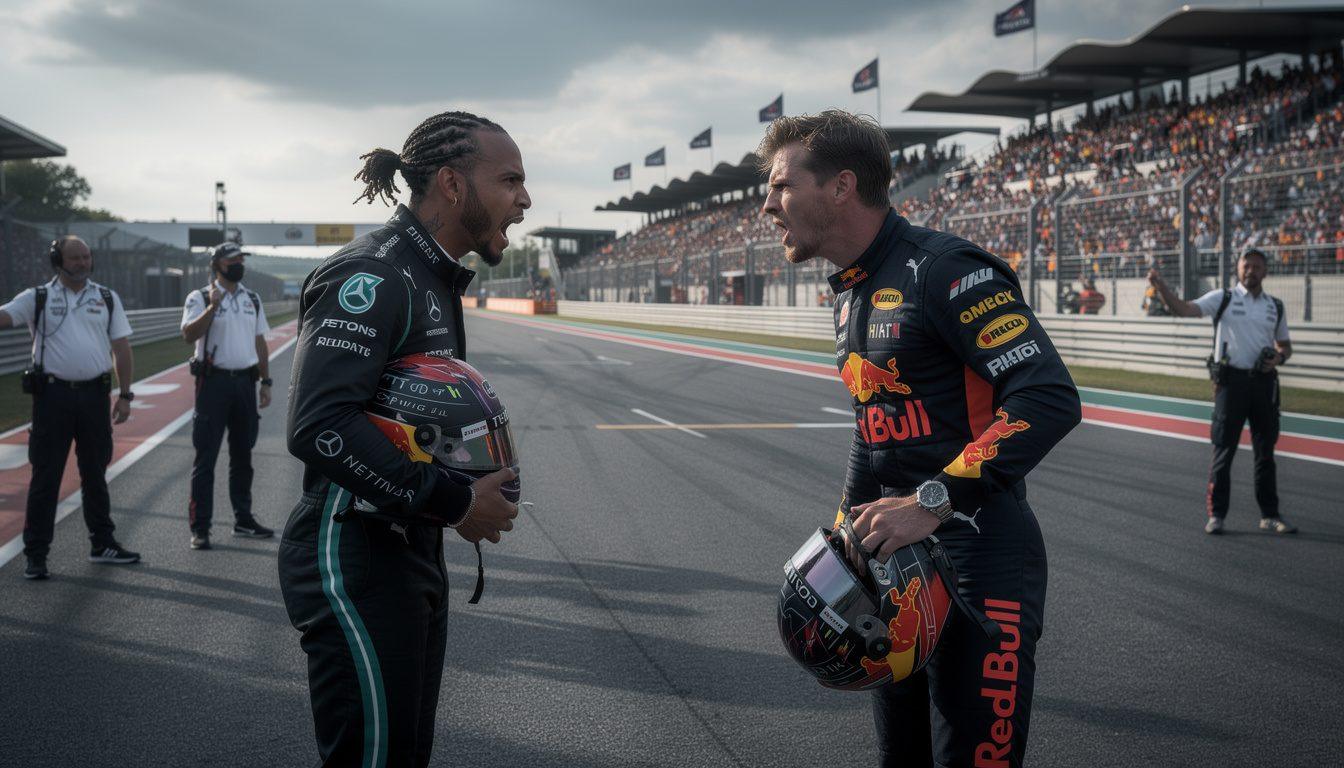

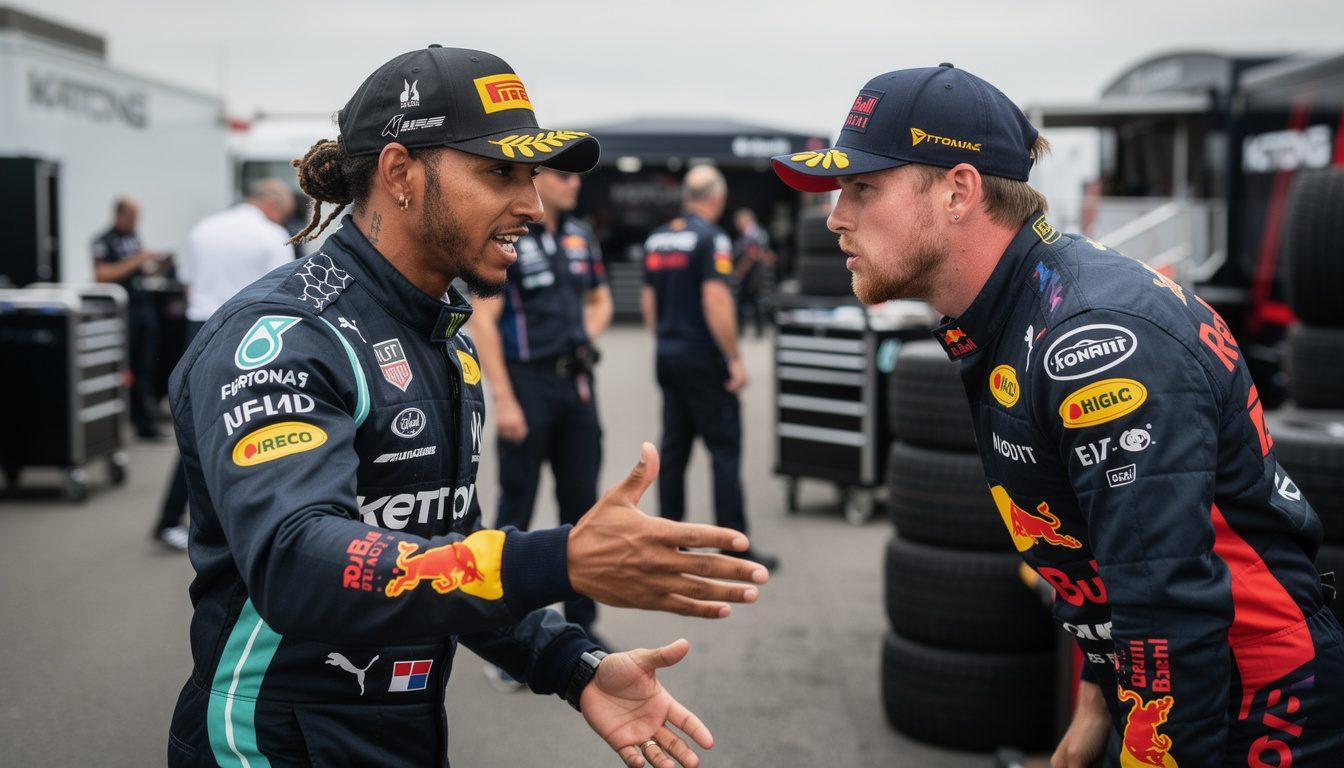
Dear motorsport enthusiasts, brace yourselves for a fresh spark in the legendary rivalry between Lewis Hamilton and Max Verstappen. Their battle now extends beyond the track.
The ongoing controversial rule change in F1 has polarized opinions across the paddock. While Lewis Hamilton embraces the evolution, Max Verstappen expresses serious concerns over its direction. Their differing perspectives deepen the intrigue around this season’s grand prix events.
The Hamilton-Verstappen clash over the 2026 regulations
- Lewis Hamilton and Max Verstappen are at sharp odds over F1’s new engine regulations, which split power output evenly between combustion and electric power.
- Hamilton stands behind the technological shift, arguing it delivers tighter racing, while Verstappen slams the battery-management demands, likening the cars to “Formula E on steroids.”
Hamilton and Verstappen debate engine regulations
The clash between Hamilton and Verstappen spotlights the latest engine adjustments, a central issue for the Formula 1 community. Hamilton praises the new Ferrari’s remarkable race abilities, feeling this car reignites his passion and ability to compete fiercely.
He highlights how the current design allows close racing without major performance losses. This view underscores his revival amid evolving technical standards.
Conversely, Verstappen voices his skepticism passionately, describing the modifications as a step towards “Formula E on steroids.” His call for preserving F1’s traditional spirit pushes for an engine that respects racing heritage.
Verstappen fears a drift away from the power and excitement that made Formula 1 famous. His comments add tension to this high-profile rivalry off track.
Why do the 2026 F1 engines divide the paddock ?
The 2026 power units represent Formula 1’s biggest technical shift in a decade, and reactions have been sharply mixed. The near 50-50 split between combustion and electrical power has pushed drivers into “lift-and-coast”. That drive to manage battery deployment, drawing criticism from figures like four-time world champion
Max Verstappen, who compared the cars to Formula E “on steroids.” Others, including Lewis Hamilton, have defended the new formula as producing the best racing of his career.
Compounding the debate, a compression-ratio loophole controversy has put Mercedes and Red Bull Powertrains under scrutiny from rival manufacturers a dispute now shaping mid-season regulatory reviews.
Impact on racing rivalry and motorsport future
This discord impacts not only the drivers but also Formula 1’s wider fan base and strategic direction. Hamilton’s stance emphasizes embracing innovation without losing thrill, advocating the current rules’ benefits.
He insists the sport can evolve while maintaining intense competition and entertainment value. His optimism contrasts the fears voiced by his opponent.
Verstappen insists that changes drift motorsport too far from its essence, sparking debate about the sport’s future identity. His concern over Formula 1’s identity loss fuels discussions among teams and fans alike.
This tension emphasizes the challenge of balancing technology with tradition. These debates shape the narrative heading into upcoming grand prix.
Fans of the racing rivalry continue watching closely as these two giants influence Formula 1’s direction. The discussions promise to affect strategies, car design, and even driver performances in this rapidly evolving motorsport era. Observing how this controversy unfolds offers a unique insight into the intricate world of Formula 1 competition.