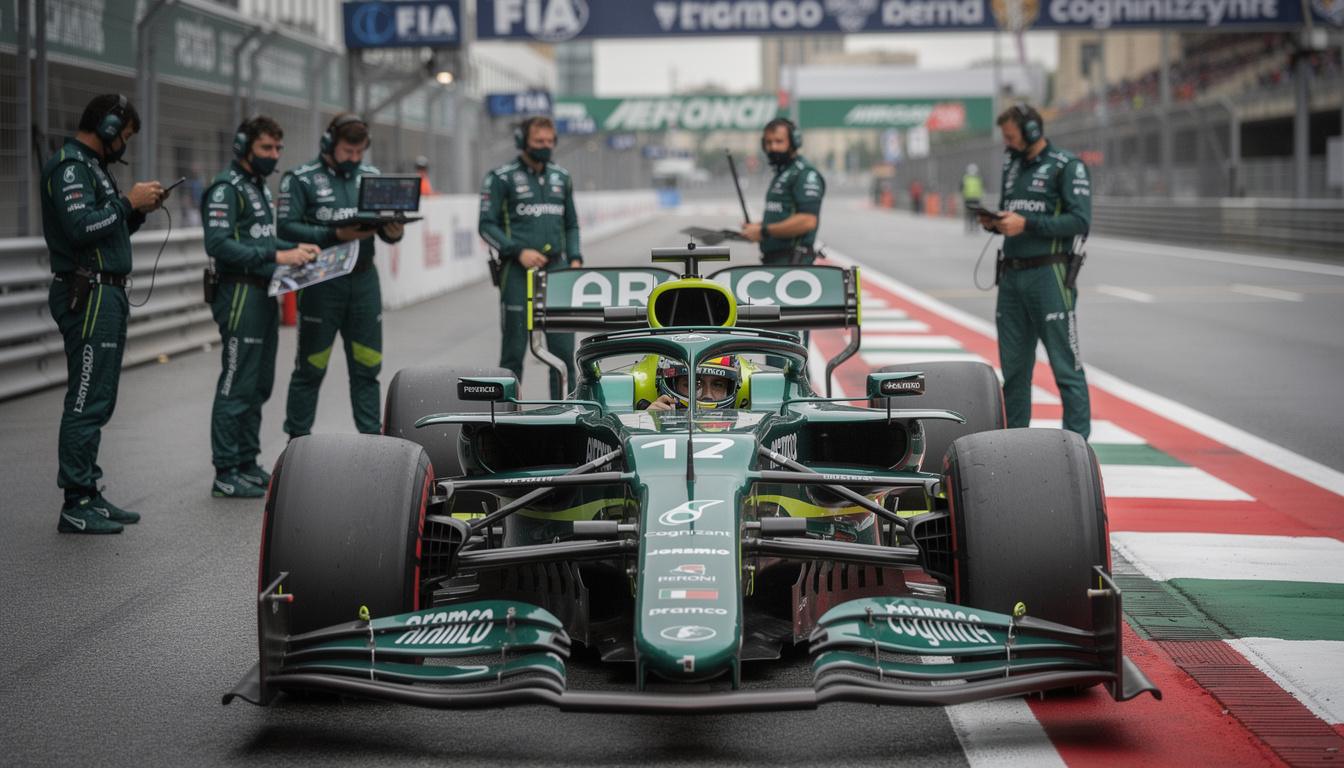

Aston Martin shares have taken a sharp hit amidst growing scepticism over Lance Stroll’s on-track delivery. Market jitters intensify as investor confidence wavers with the Canadian’s lacklustre results. Meanwhile, the team’s technical woes deepen the investment concerns for the Silverstone outfit.
Aston Martin‘s stock has been in freefall following a string of subpar performances by Lance Stroll, raising alarms among shareholders and fans alike. The team’s persistent struggles, exacerbated by Spa-Francorchamps—the toughest circuit for the AMR26—have spotlighted Stroll’s difficulties in extracting performance. Despite upcoming upgrades, the market reaction was immediate, reflecting doubts about his ability to contribute significantly to the team’s season. Aston Martin’s shares histrionically tumbled as investors digest the unfolding scenario. The situation places pressure not only on Stroll but also on the team’s management to arrest the slide and restore confidence in their Formula 1 project.
Spa-Francorchamps amplified Aston Martin’s on-track struggles and investor worries
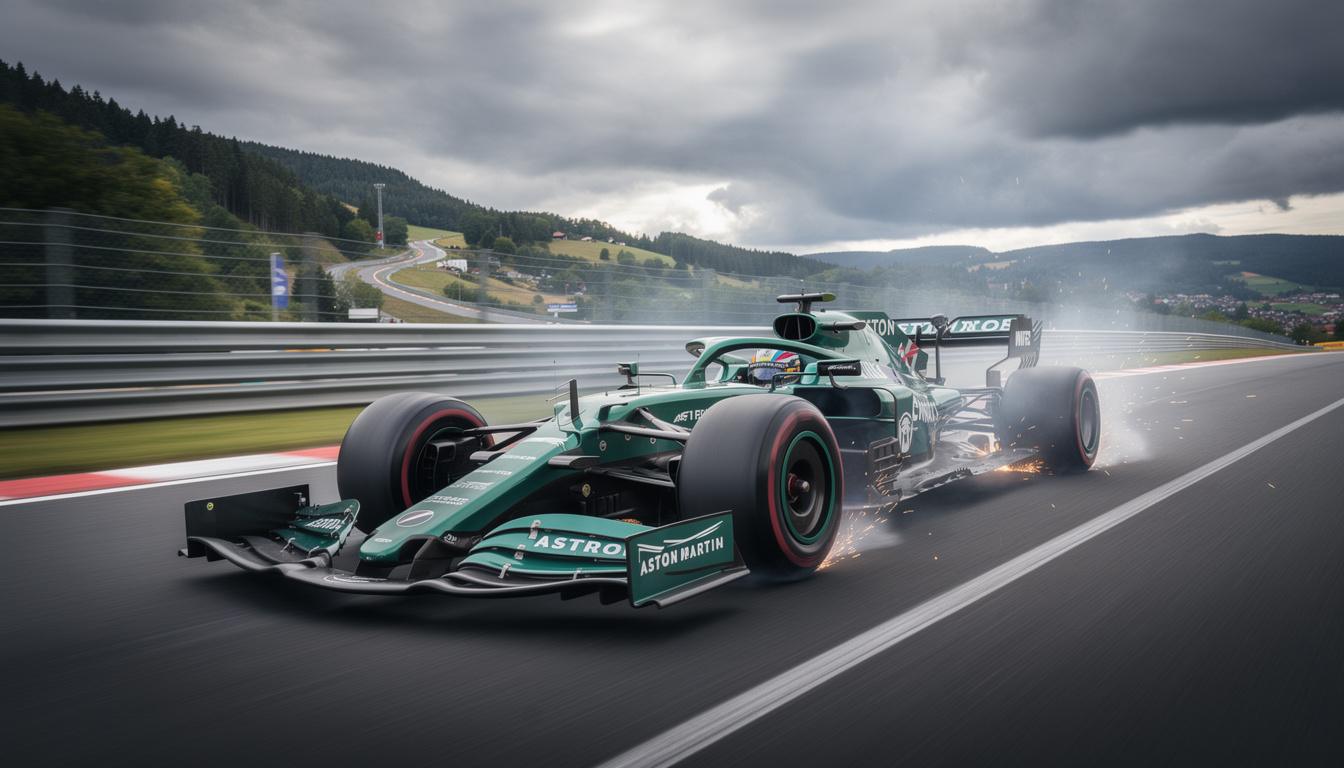
Mike Krack, Aston Martin’s team principal, openly acknowledged that Spa-Francorchamps would pose the season’s harshest challenge for the Silverstone-based squad. The circuit’s 44-lap sprint, filled with long straights and high-speed sections, tests the car’s energy deployment and power unit efficiency like no other event on the calendar. For a package hampered by an already underpowered Honda power unit, the demands of the Ardennes track exacerbate weaknesses that have left Lance Stroll fighting an uphill battle to score points.
Stroll himself conceded that Spa would be “really difficult” and quite possibly their “worst circuit” this year. Krack reinforced this by emphasising that it was not just lap length but the circuit’s unique character that plays against the AMR26’s strengths. The implications of these on-track challenges are twofold: diminished race results and a subsequent dip in investor confidence reflected in the falling Aston Martin shares. These factors combine to exacerbate anxieties about Stroll’s form and future role within the squad.
The Strategic and Technical Struggle Behind Aston Martin’s Stock Slide
The Honda power unit’s relative lack of punch magnifies Aston Martin’s problems on circuits demanding maximised ERS deployment, such as Spa. Honda’s trackside engineers, led by Shintaro Orihara, acknowledge the tricky balance required to manage MGU-K power delivery over multiple long straights, with a particular need to optimise deployment points so as not to lose top speed prematurely. This intricate choreography of energy management represents a strategic challenge that has yet to be fully resolved by the team in 2026.
This operational conundrum directly affects driver performance, especially that of Lance Stroll, whose results have failed to inspire confidence among investors, contributing to the stock tumble. While the upcoming Hungarian Grand Prix promises technical upgrades including chassis and power unit enhancements, it may be too late to reverse the negative momentum. The market continues to question whether the improvements will translate into tangible results or if Aston Martin’s financial and sporting struggles will persist.
What rising concerns over Stroll mean for Aston Martin’s future
The diminishing investor confidence reflects broader unease about the Britannia-based team’s trajectory in Formula 1. Stroll’s inability to consistently deliver points jeopardises Aston Martin’s ambitions and frustrates stakeholders who expect upward movement in both performance and stock valuation. Analysts suggest that unless the Canadian driver ramps up his level, the growing unease could catalyse strategic shifts within the team’s driver lineup or even ownership structure.
As the team eyes the Hungarian Grand Prix for critical upgrades, scrutiny remains intense around not just the car but Stroll’s immediate impact. The coming races will be pivotal for Aston Martin to halt the stock slump and rebuild trust with investors. Meanwhile, fans and the paddock alike watch closely to see if the combination of improved machinery and strategic adjustments can restore Aston Martin’s competitiveness in this challenging season.
Aston Martin’s path forward: balancing performance upgrades with market expectations
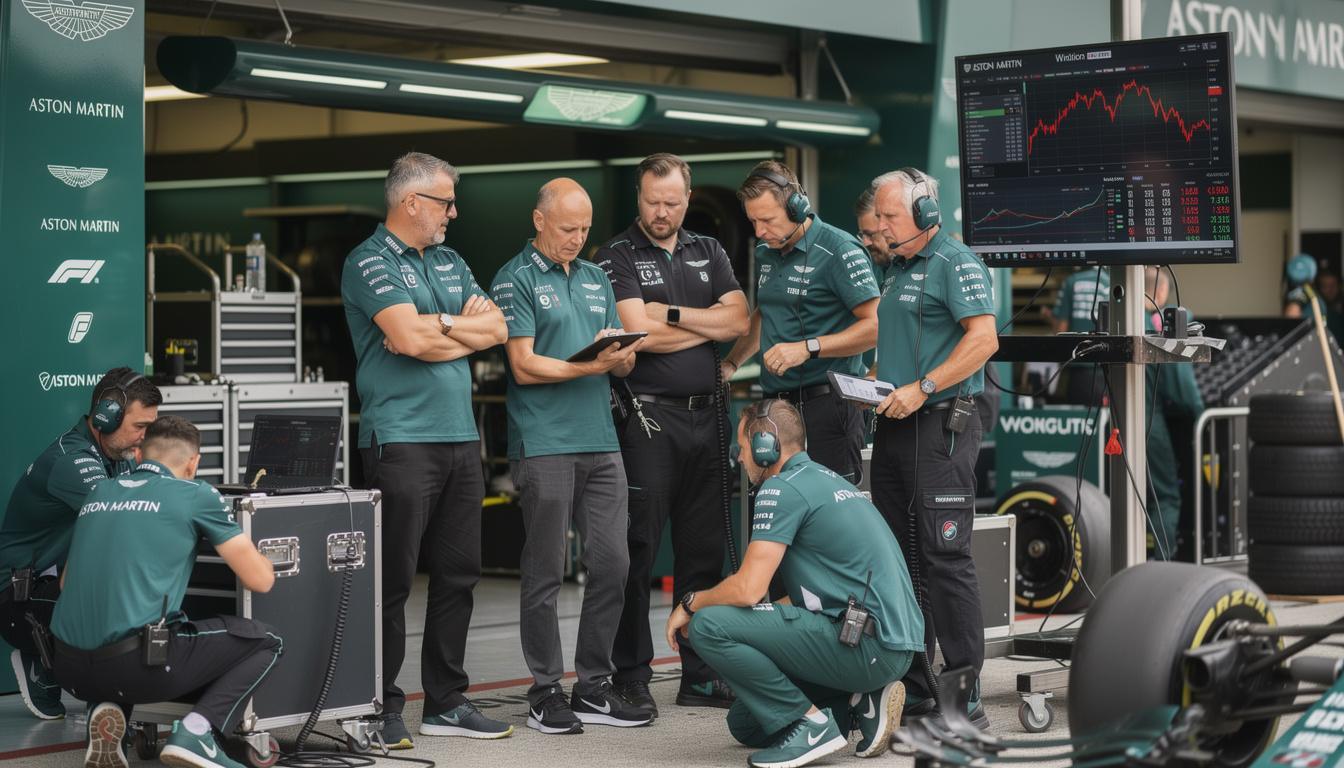
As Aston Martin prepares to introduce significant upgrades, including a refined Honda power unit anticipated at the Dutch Grand Prix, the pressure mounts on Stroll to make the most of these enhancements. The technical evolution of the AMR26 represents a chance for the team to rediscover pace, but execution on track is critical. Investor faith hinges on visible progress, both in the standings and in Stroll’s ability to convert machinery improvements into points.
Meanwhile, the broader Formula 1 grid monitors how Aston Martin will manage its technical and human resources to mitigate the season’s early setbacks. The ongoing situation highlights the volatile intersection of performance and commercial realities within F1. For a team with high expectations, the next phase will test their resilience and strategy more than ever. For further insight on strategic team developments and driver performances, follow updates at LAS Motorsport and detailed race analyses like those at F1 News.