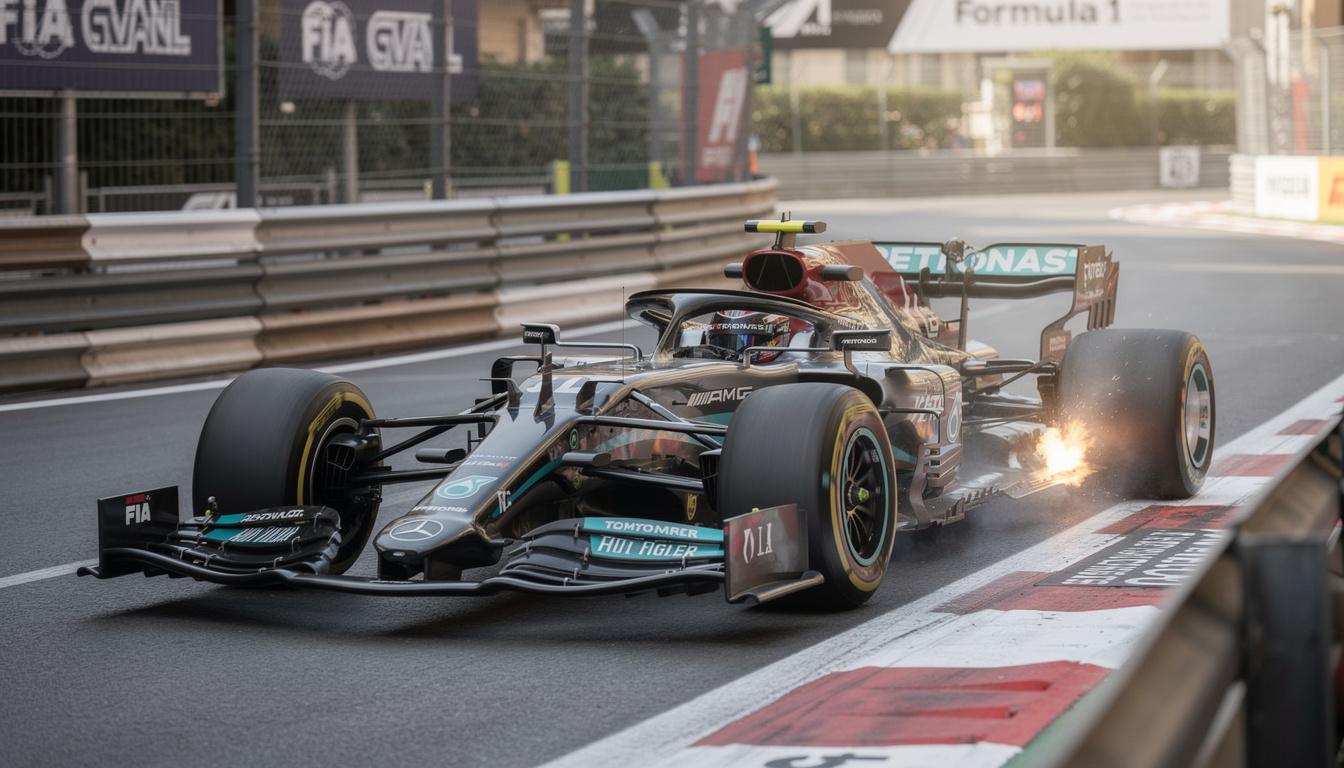

The FIA has rolled out a groundbreaking approach to controlling top speeds at the Monaco GP this year. By deploying an innovative engine mapping strategy, the regulatory body aims to preserve safety without stifling performance. This technical pivot could reshape how teams and drivers tackle the iconic street circuit.
The 2026 Monaco Grand Prix will see a fresh layer of speed control via the FIA’s newly devised power unit restrictions. The core of the intervention lies in an exclusive engine mapping called ‘Rev1’, specifically designed to limit the MGU-K’s power deployment at critical points on the track. With the MGU-K capable of delivering a massive 350kW boost, unchecked top speeds in the tunnel and pit straight could have escalated quickly, raising safety alarms. By tempering the electric motor output earlier than usual, the FIA reduces corner entry speeds and limits risk zones without lowering peak power outright. This technical finesse marks a new chapter in motorsport regulation, where innovation meets pragmatism to enhance both pace and protection.
Engine mapping is reshaping top speed control at Monaco GP
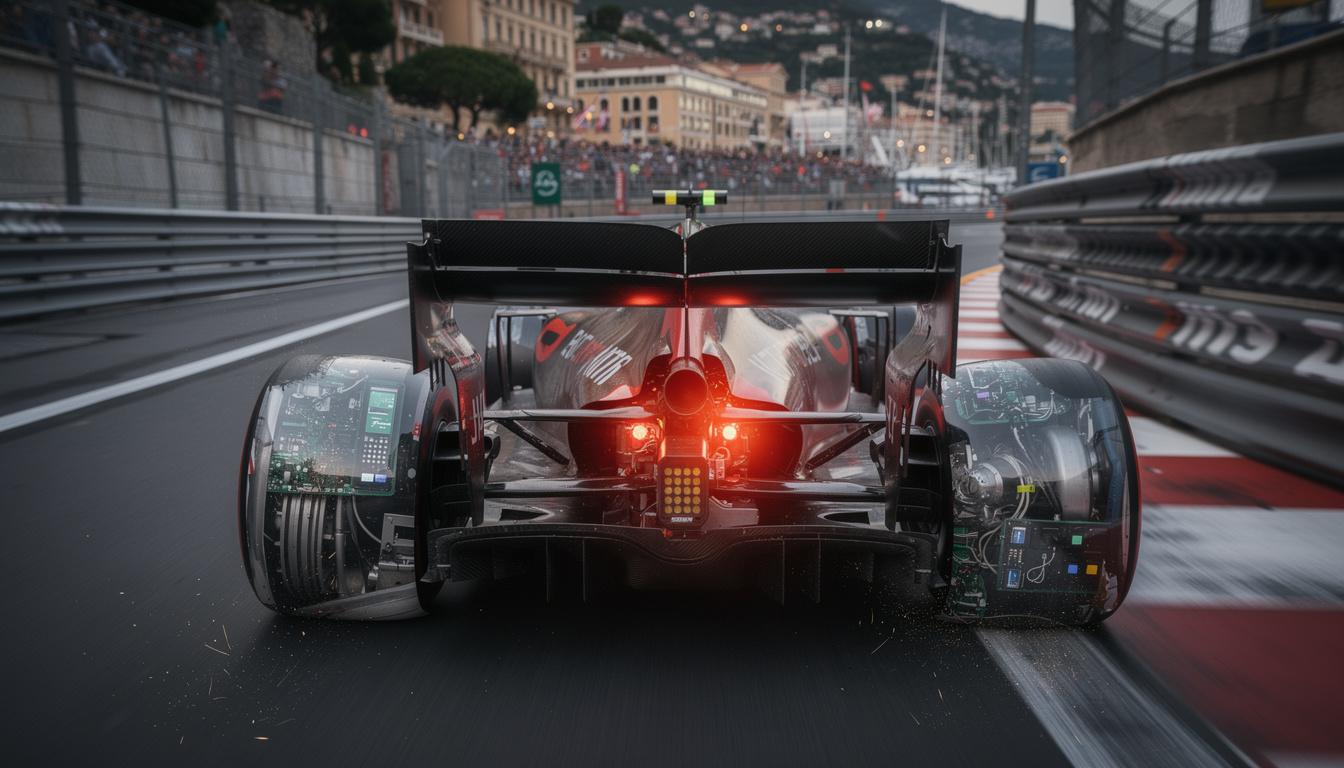
Monaco has always been a unique beast on the Formula 1 calendar—its narrow streets and unforgiving barriers demand a distinct balance of speed and precision. This year, the FIA’s decision to block active aerodynamics throughout the lap converts that challenge into a high-stakes engineering puzzle. Normally, drivers engage DRS in defined activation zones, generally lasting over three seconds, which allows for safe deployment without jeopardising tyre grip or stability. Last year, DRS on Monaco’s pit straight was active for about five seconds, letting drivers ramp up speed to nearly 290km/h.
With the arrival of the 2026 power unit regulations, the MGU-K electric motor has upped the ante, delivering much more power sooner in the acceleration phase. This significantly raises the risk of entering Turn 1 too quickly, especially since the bumpy surfaces require maximum downforce to avoid lock-ups. To sidestep this hazard, the FIA has removed ‘straight mode’—the DRS-led downforce reduction—across the circuit. This control measure both ensures stability in braking zones and avoids unsafe corner entries at excessive speeds. Such a move dramatically alters the drivers’ approach, forcing them to adapt their braking and cornering strategy at one of the world’s most demanding venues.
Technical breakdown of the Rev1 engine map
The FIA’s new strategy pivots on a limit applied to the MGU-K’s output power curve, labelled as ‘Rev1’. In traditional mapping, the electric motor holds its peak 350kW power until velocities close to 290km/h before power starts fading. At Monaco, however, this peak output plateau compresses to only 200km/h. Post-threshold, the power drops sharply — backing off to roughly 100kW at 270km/h and zero at 300km/h.
This engine mapping cleverly tackles Monaco’s unique characteristics. The track is less taxing on fuel and battery energy management thanks to frequent heavy braking zones, which harvest energy effectively. Consequently, the usual deployment of maximum MGU-K power is curtailed early, while the derating curve remains moderated to avoid harsh power transitions. This control ensures smoother energy delivery and prevents drivers from exploiting steep top speeds in dangerous segments like the tunnel and uphill toward Massenet. It’s a masterclass in balancing performance tuning against safety in tight circuits where every inch matters.
Championship implications and the future of speed limiting technologies in F1
The FIA’s move to impose the ‘Rev1’ engine map at Monaco reflects a broader trend in Formula 1 towards sophisticated speed control through software rather than brute regulation. By selectively capping power electronically, the teams face new challenges interpreting data and tweaking race strategy without compromising overall race pace. Drivers, meanwhile, adjust to altered acceleration curves and manage braking points with added care — reshaping the dynamic of racing on this legendary street circuit.
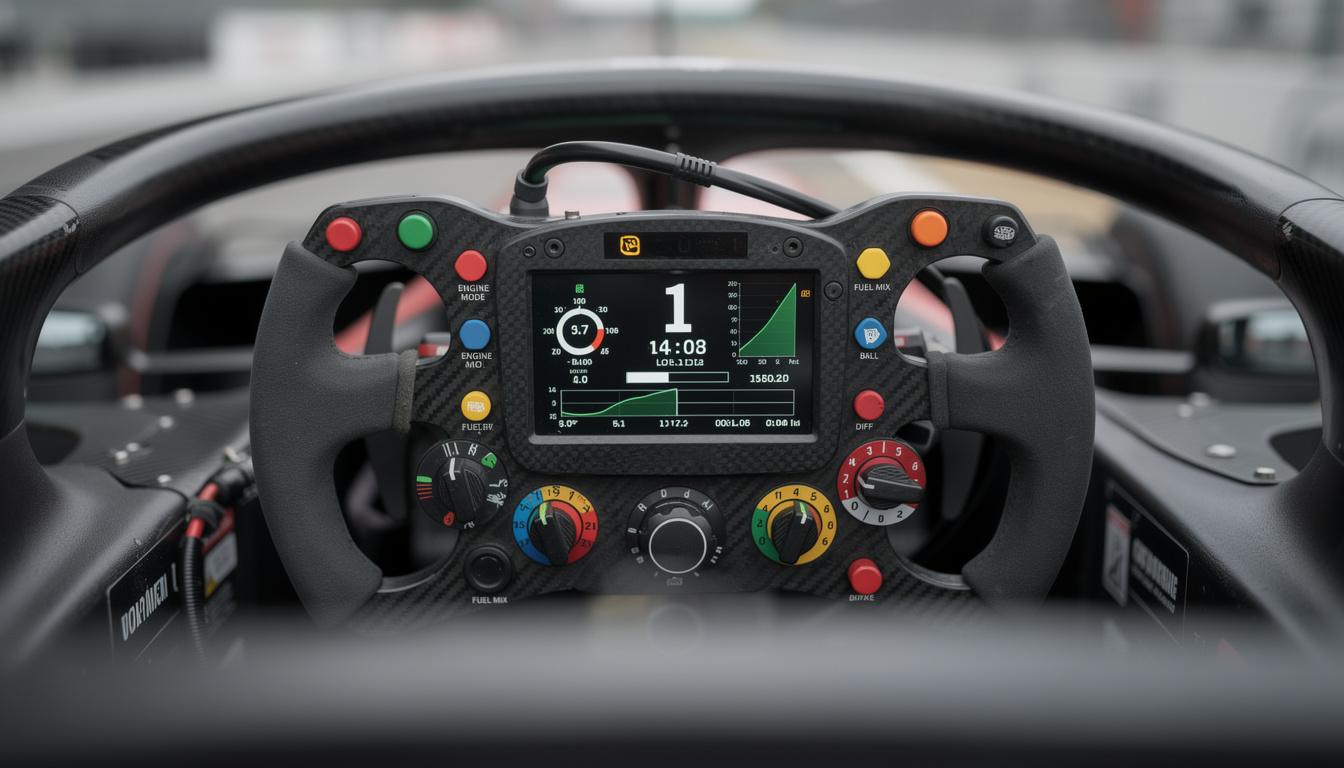
Looking ahead, this form of electronic intervention could become commonplace at other venues where track layouts or safety concerns recommend speed attenuation. The tailored approach allows the FIA to maintain its mandate on race safety without the blunt instrument of uniform power cuts or aerodynamic restrictions. For fans and participants, this signals a new era where the edge is found in the code – the map – rather than just mechanical grip or engine power. For more depth on engine mapping concepts, and the nuances of power deployment in racing, our archives provide detailed insights.
Monaco’s adaptation through innovative power unit management draws a fine line between the need for spectacle and stringent safety. This refined control of electrification performance signals a broader shift in how Formula 1 integrates innovative technology to manage the sport’s increasing speeds. Teams and drivers must master this evolving ecosystem to thrive, while the FIA sharpens its toolbox for a safer, smarter motorsport future.