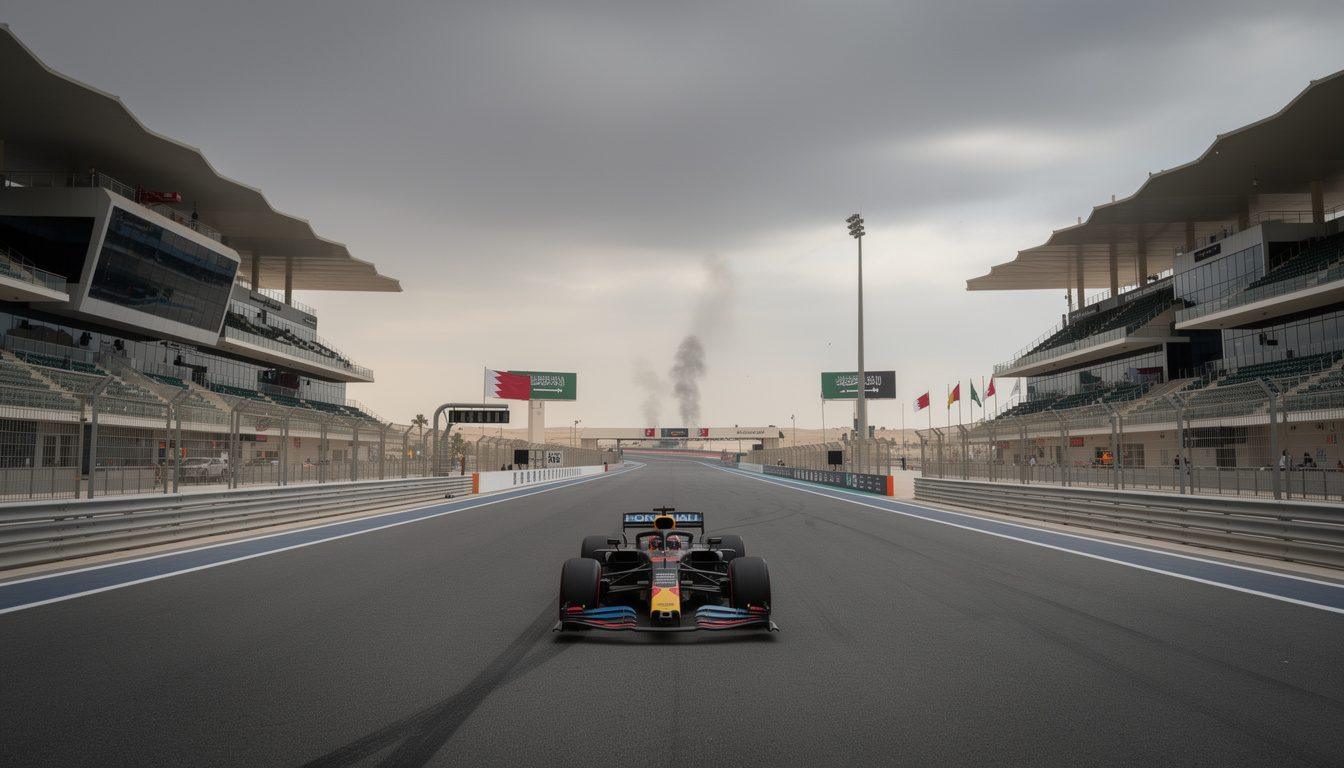

The Bahrain and Saudi Arabian Formula 1 races face cancellation amid severe Middle East turmoil. For spectators and teams alike, this decision abruptly shifts the 2026 motorsport calendar.
The Bahrain Grand Prix had originally been scheduled for April 10-12, 2026, with the Saudi Arabian Grand Prix in Jeddah (April 17-19). They were all cancelled. Here’s why.
Quick answer :
- Formula 1 and the FIA officially cancelled the 2026 Bahrain Grand Prix (originally scheduled for April 10-12) and the Saudi Arabian Grand Prix in Jeddah (originally scheduled for April 17-19)
- Reason : due to the escalating Middle East conflict following US-Israeli air strikes on Iran and Iran’s retaliatory attacks on Gulf states, including Bahrain.
- Any shift ? Neither race will be rescheduled, reducing the 2026 F1 calendar to 22 rounds and creating a five-week gap between the Japanese Grand Prix and the Miami Grand Prix.
Effects of race cancellations on the 2026 F1 calendar
The decision to cancel both races introduces a notable break in the season’s flow. The middle East conflict disrupts event continuity, creating a five-week hiatus between Japanese Grand Prix (March 27-29) and the Miami Grand Prix (May 1-3) rounds.
Exploration of alternative circuits, including Imola and Portimao, failed due to practical constraints. The race calendar rescheduling proves highly complex amidst ongoing uncertainty.
Organizers opted not to add replacement venues, prioritizing consistent planning without compromise. As a result, the 2026 season is reduced to 22 Grands Prix. It’s the shortest calendar since 2023.
The accompanying Formula 2, Formula 3, and F1 Academy support races originally scheduled for Bahrain and Jeddah were also cancelled without replacement. Such choices reflect the balance between safety and competitive rhythm essential to Formula 1.
Safety and strategic considerations amid regional turmoil

The FIA emphasizes that the safety of participants remains paramount in every organizational decision. Given the unpredictability of the conflict, it became impossible to guarantee secure conditions for all involved. Both Bahrain and Saudi Arabia hold important roles in motorsport, yet security risks demanded withdrawal.
Formula 1 CEO Stefano Domenicali acknowledged the difficulty of the cancellation decision, stating:
“While this was a difficult decision to take, it is unfortunately the right one at this stage considering the current situation in the Middle East.”
FIA President Mohammed Ben Sulayem echoed this stance, affirming that :
“The FIA will always place the safety and wellbeing of our community and colleagues first.”
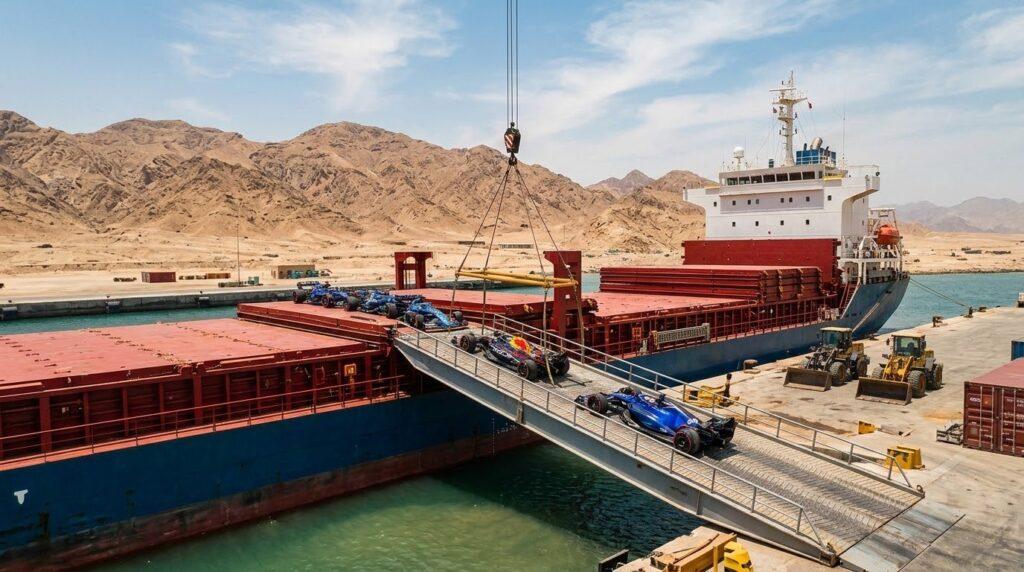
The long-term impact on motorsport schedules worries many fans and professionals. Attention now turns to future stability, hoping for timely resolutions to resume races in these regions. For a deeper assessment, see the detailed report on regional conflict threats affecting F1.
FAQ: 2026 Bahrain and Saudi Arabian Grand Prix cancellations
Why were the Bahrain and Saudi Arabian Grands Prix cancelled in 2026?
Formula 1 and the FIA cancelled both races due to escalating conflict in the Middle East, triggered by US-Israeli air strikes on Iran and Iran’s retaliatory attacks on Gulf states, including Bahrain. Safety concerns for teams, staff, and fans made the events impossible to hold safely.
When were the races originally scheduled?
The Bahrain Grand Prix was set for April 10-12, 2026, followed by the Saudi Arabian Grand Prix in Jeddah on April 17-19, 2026.
Will the races be rescheduled later in 2026?
No. F1 confirmed that neither race will be replaced or moved to another date this season, due to the sport’s already congested calendar.
How many races remain on the 2026 F1 calendar?
The season is reduced to 22 Grands Prix, the shortest F1 calendar since 2023.
What is the gap in the calendar caused by the cancellations?
A five-week gap now separates the Japanese Grand Prix (March 27-29) from the Miami Grand Prix (May 1-3).