


Formula 1’s 2026 overhaul has made the engine, the battery and the movable wings a single strategic package. With further power-unit changes approved for 2027 and 2028, the next development steps could influence the championship battle.
Singapore supplied a useful reality check. Kimi Antonelli left the 11 October race with a 102-point lead over George Russell. That advantage shows a rules reset can produce a clear leader while teams are still learning their cars. The interesting question concerns the scope for improvement as this generation develops.
Fresh evidence changes the championship battle
A new technical era changes how fans read a race and its betting markets. Previous results still provide context, but current performance deserves greater attention. The latest circuit evidence helps explain a driver’s prospects, whether readers follow bookmaker odds, prediction markets or a free race-prediction game. One qualifying sector can reveal outright speed. A longer run also shows the car’s tyre behaviour and energy use.
Understanding the product matters too. Promotional trading credit differs from withdrawable cash, as Sportsbook Review explains in its guide to Polymarket’s welcome offer and deposit conditions. The international sports portal covers live scores, bookmaker information and casino games. Its guide is relevant here because it clarifies the terms behind promotions.
A prediction-market price expresses participants’ expectations. For example, a contract costing $0.60 and paying $1 for a correct outcome suggests a 60% implied probability before fees. The quoted market price can change as fresh information arrives; it cannot measure a driver’s prospects with certainty :
- The precise market outcome may concern a race victory, a podium or the season title.
- The published settlement rules explain how the result will be confirmed.
- The complete transaction cost includes the contract price and any applicable fees.
- The latest performance information provides context for interpreting expectations about each contender.
A bigger battery contribution changes the racing
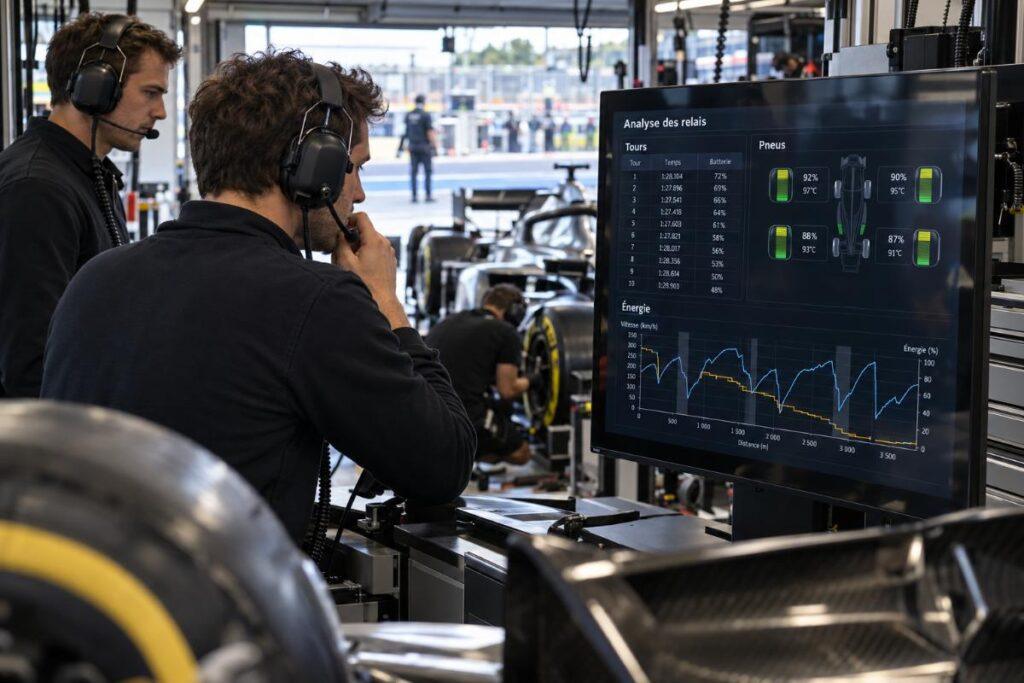
The electric motor’s maximum output increased from 120kW to 350kW for 2026. That is nearly three times the previous figure. The 1.6-litre turbocharged V6 remains, while the MGU-H exhaust-energy recovery system has gone. The stronger electric contribution makes energy deployment a much larger part of performance.
Red Bull’s partnership with Ford and Honda’s Aston Martin programme give familiar team names new technical foundations. The teams must integrate these engines with the chassis and aerodynamics.
Energy timing can decide the championship battle
Drivers can use Boost to adjust power delivery during an attack or defence. Overtake Mode adds a separate opportunity when a following car meets the one-second detection requirement. The timing of deployment matters because stored energy must also be replenished through the lap.
Two closely matched cars approach successive straights. Spending more energy on the first attack might leave less available for the next. The second straight may reveal the value of restraint. Even the most enthusiastic right foot needs to leave something in the battery.
Movable wings reward a balanced car
Active aerodynamics adjust both the front and rear wings. Straight Mode reduces drag, while Corner Mode restores the configuration needed for grip. These systems connect the car’s aerodynamics with its energy use. A well-balanced overall package could therefore outperform a car that excels in only one area.
Circuit differences influence the championship battle
The maximum wheelbase has shortened by 200mm to 3.4 metres. The narrower tyres also change the package teams must understand. However, a compact design alone does not establish a competitive advantage. The demands of circuits still decide which combination of grip, efficiency and stability proves most useful.
Racing games offer a way to explore those differences. EA Sports represents the 2026 season through a paid expansion to F1 25, requiring the base game. Players can investigate the feel of circuits from their sofas, although a home simulator cannot reproduce a team’s private engineering data.
Teamwork turns technical promise into points
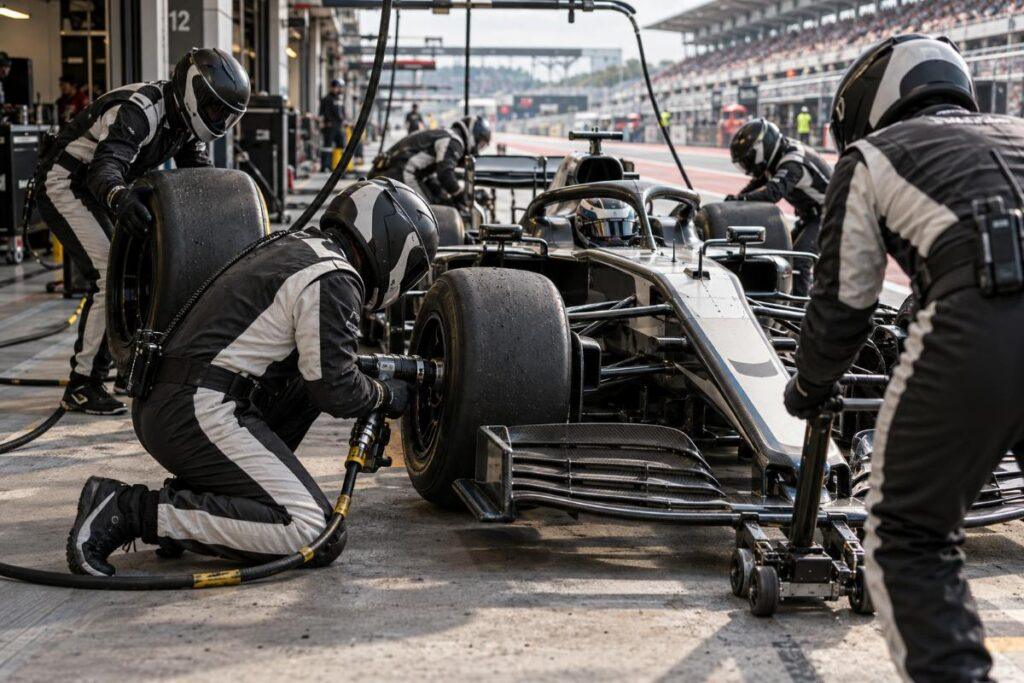
Race strategy links the new hardware to championship points. A driver might gain time by deploying energy aggressively, yet a different tyre plan could change when that pace is useful. The order of decisions matters: an attack needs to fit the next pit stop and the remaining stint.
Reliable operation adds another advantage. The engine, the cooling system and the battery have to work together throughout a Grand Prix. A dependable race package allows a contender to turn pace into regular points, giving the engineers a clearer base for the next improvement.
Driver confidence matters as well. A predictable balance helps a racer repeat braking points and manage the tyres during a long stint. Repeatable laps under pressure can produce a better weekend than a single spectacular sector. The trophy rewards the season, however entertaining the highlights reel becomes.
The next engine update renews the championship battle
The approved 2027–2028 power-unit changes rebalance the engine and electrical contributions. Ratified on 23 June, the package increases combustion output while reducing the standard electric maximum. The changing power balance gives manufacturers another development challenge.
| Season | Combustion maximum | Standard electric maximum |
| 2026 | 400kW | 350kW |
| 2027 | 420kW | 300kW |
| 2028 | 450kW | 300kW |
Overtake Mode retains a 350kW electrical maximum in 2027 and 2028. The changes also increase maximum harvesting power to 375kW and then 400kW. Consequently, teams must consider the complete energy system, including recovery and deployment, rather than judging the next cars from one headline number.
These practical indicators can help fans assess the progress of teams :
- A sustained development gain should appear across more than one favourable circuit.
- An efficient engine installation must work with the cooling and aerodynamic package.
- A consistent race stint reveals more than an isolated fast qualifying sector.
- A clear driver response helps show whether an upgrade is understood and usable.
Antonelli’s Singapore message was simple: “Let’s try to do the best weekends possible”. It captures why development matters alongside the points already scored. Turning improvements into results will separate promising ideas from competitive packages. The teams that manage that translation most effectively can strengthen their position in the championship battle.