
Prepare for turbulence on race day starts because the new F1 2026 regulations complicate launches from the grid. Drivers face unfamiliar challenges that escalate risk and test split-second decisions.
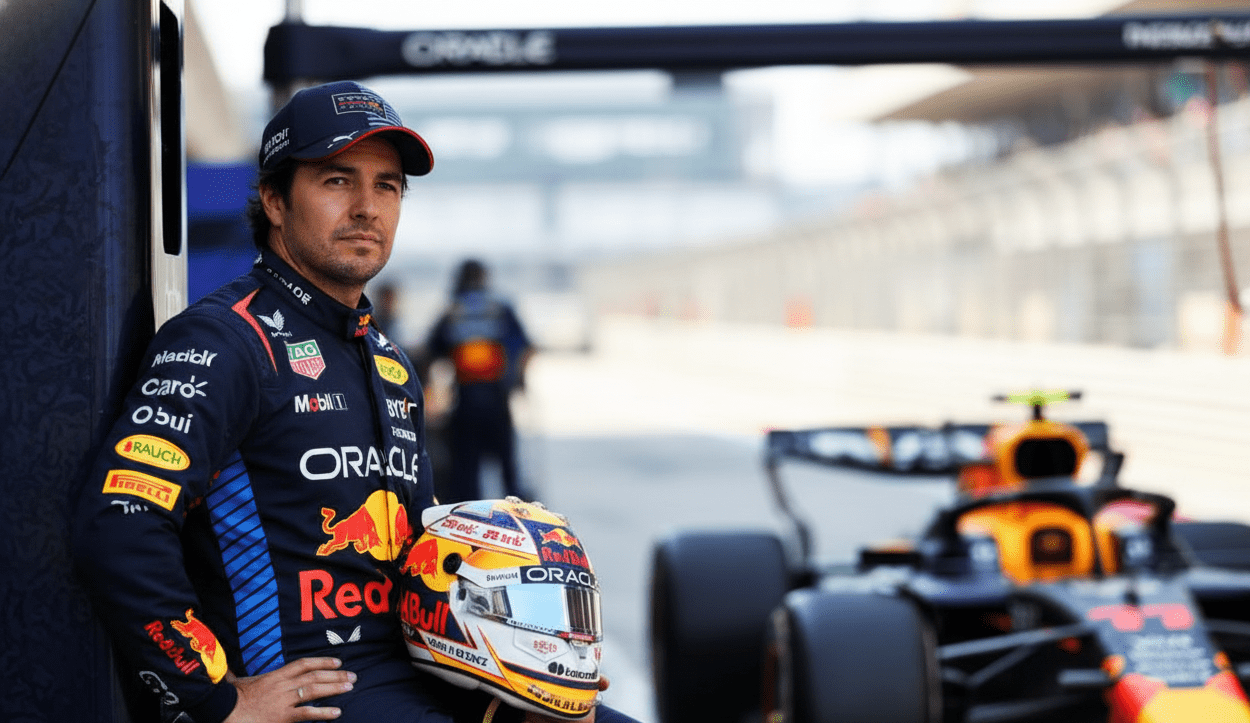
Formula 1’s freshly revamped power units sparked fresh fears about safety related to the start line chaos in F1 2026. Sergio Perez’s warning after an alarming incident at the Australian GP signals emerging problems with these technical changes. Let these insights help you grasp why a serious collision might be looming at the Grand Prix start.
New power units heighten start line risks

Changes to the F1 power unit, including the removal of MGU-H components, have led to a complex engine startup procedure. This massive shunt risk at Grand Prix start relates to turbo spooling demanding very high engine revs for up to 10 seconds. Drivers balancing this high-stakes start face the threat of anti-stall activation which can cause hazardous slowdowns. Perez’s observation captures that no driver can predict a flawless launch every time due to these technical demands.
The near collision at the Australian Grand Prix involving Liam Lawson and Franco Colapinto demonstrates how unpredictable start line scenarios have become. This race collision near-miss highlights dangers when slower cars get obscured by traffic and sudden acceleration differences put drivers in peril. Colapinto’s swift reflexes barely prevented a serious crash, emphasizing how quickly situations escalate. The balance between electrical power delivery and engine response remains critical to avoiding costly mistakes and injuries.
Perez’s caution reflects broader safety concerns
Sergio Perez voiced a sharp concern about an unavoidable crash due to the current starting methods now common in Formula 1 races. This Formula 1 warning about racing accidents alerts the community to evolving dangers unseen in prior seasons. The FIA’s response has been to add supervised practice starts to reduce risks, but the underlying problem persists. No quick fix appears for the challenge posed by the new engine technology combined with race pressures.
Alpine’s Franco Colapinto agrees on the perils linked to increased acceleration and speed differences among competitors. His insights into the motor racing incident potential amplified by electric boost systems spotlights how these modifications affect race dynamics. Speed variations, especially during starts, make the grid a highly volatile environment. This unpredictability shapes the debates around refining F1 2026 regulations to enhance driver protection.