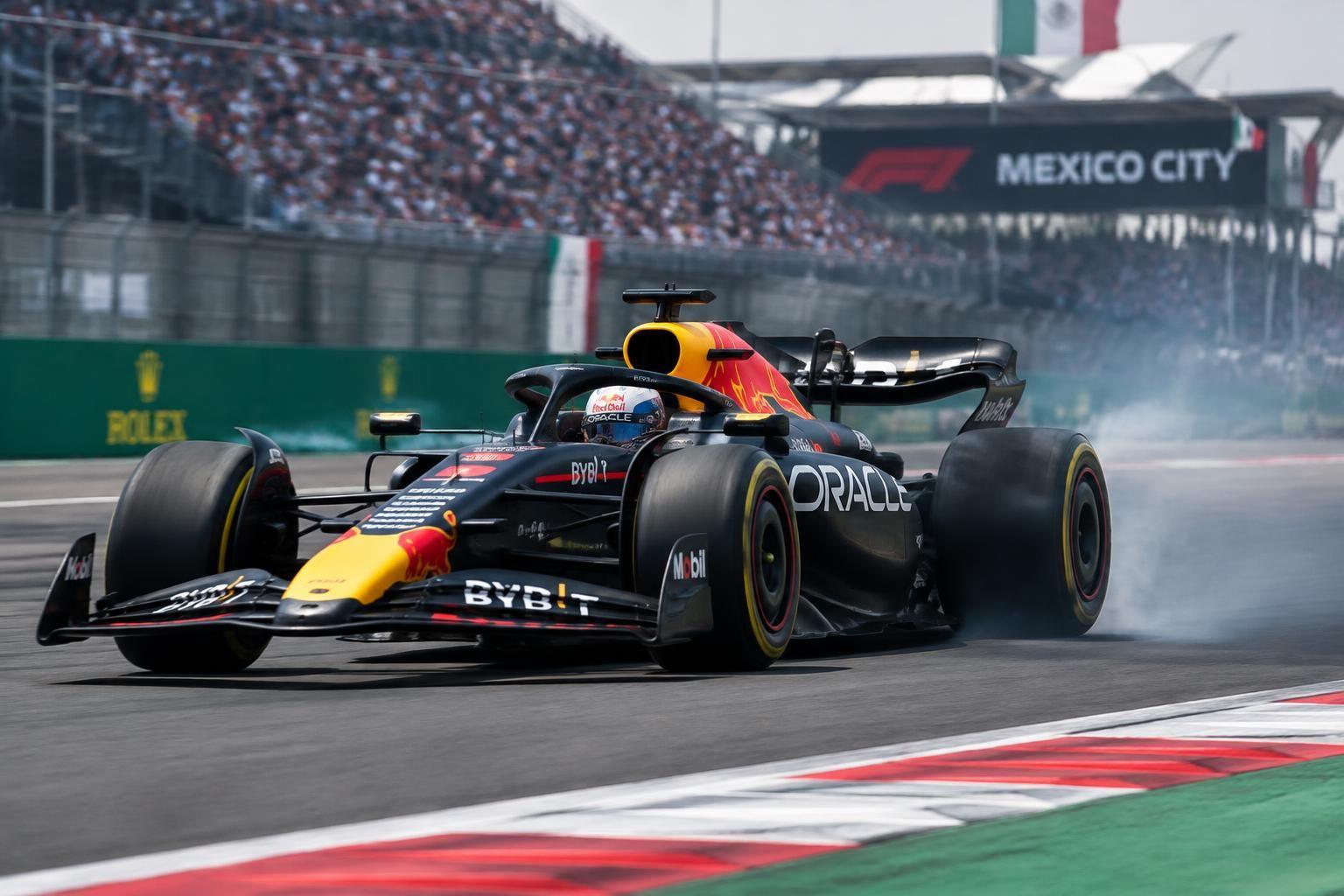

Honda’s Mexico nightmare lasted five laps. Both Aston Martins stopped on Sunday. Cooling trouble exposed a deeper power-unit weakness.
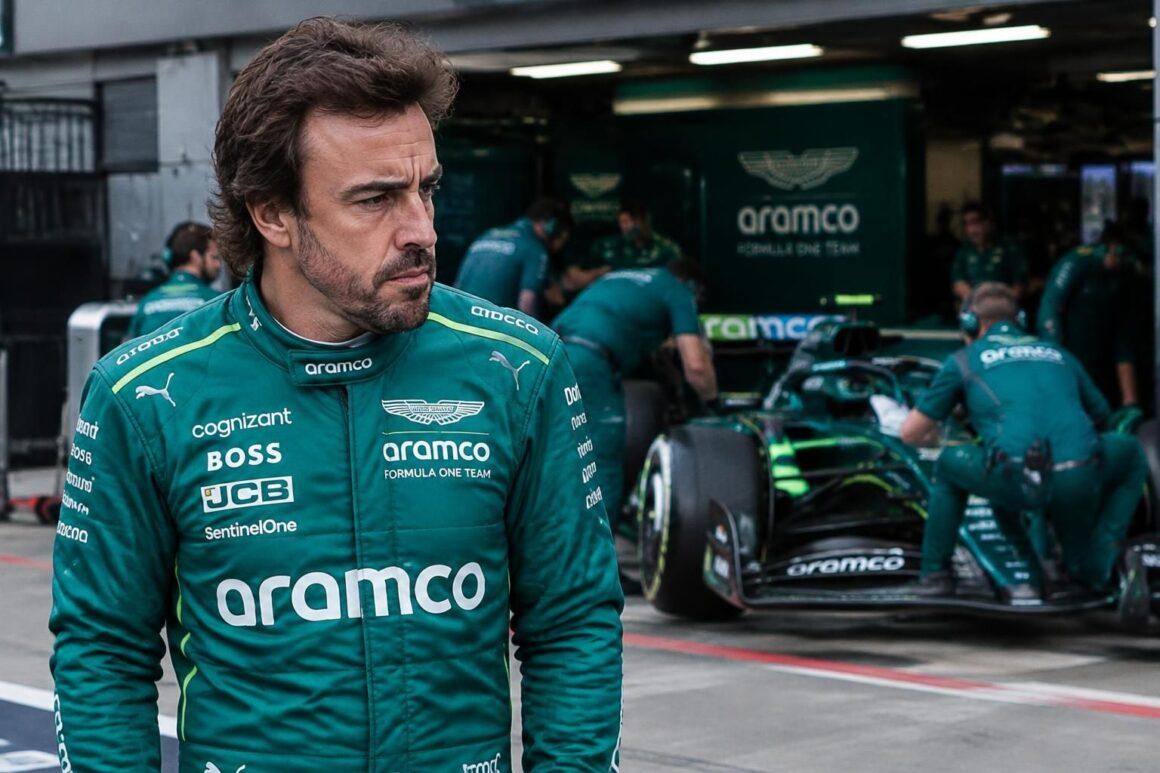
Honda’s power unit ended Fernando Alonso and Lance Stroll’s Mexico Grand Prix after just five laps, turning a weekend that had shown flashes of pace into a double race retirement. The immediate problem centred on cooling: the hybrid system’s ERS circuit came under more strain than Honda expected at the Autódromo Hermanos Rodríguez, roughly 2,200 metres above sea level.
Practice had offered little warning. The Aston Martin cars completed 144 laps across the three sessions, while Alonso finished FP2 just 0.769 seconds behind pace-setter Charles Leclerc. But abnormal water-system readings appeared in qualifying, and both cars retired from the race on lap five. The failure was not simply a sudden engine failure; Honda’s explanation points to a technical issue in the powertrain’s cooling demands.
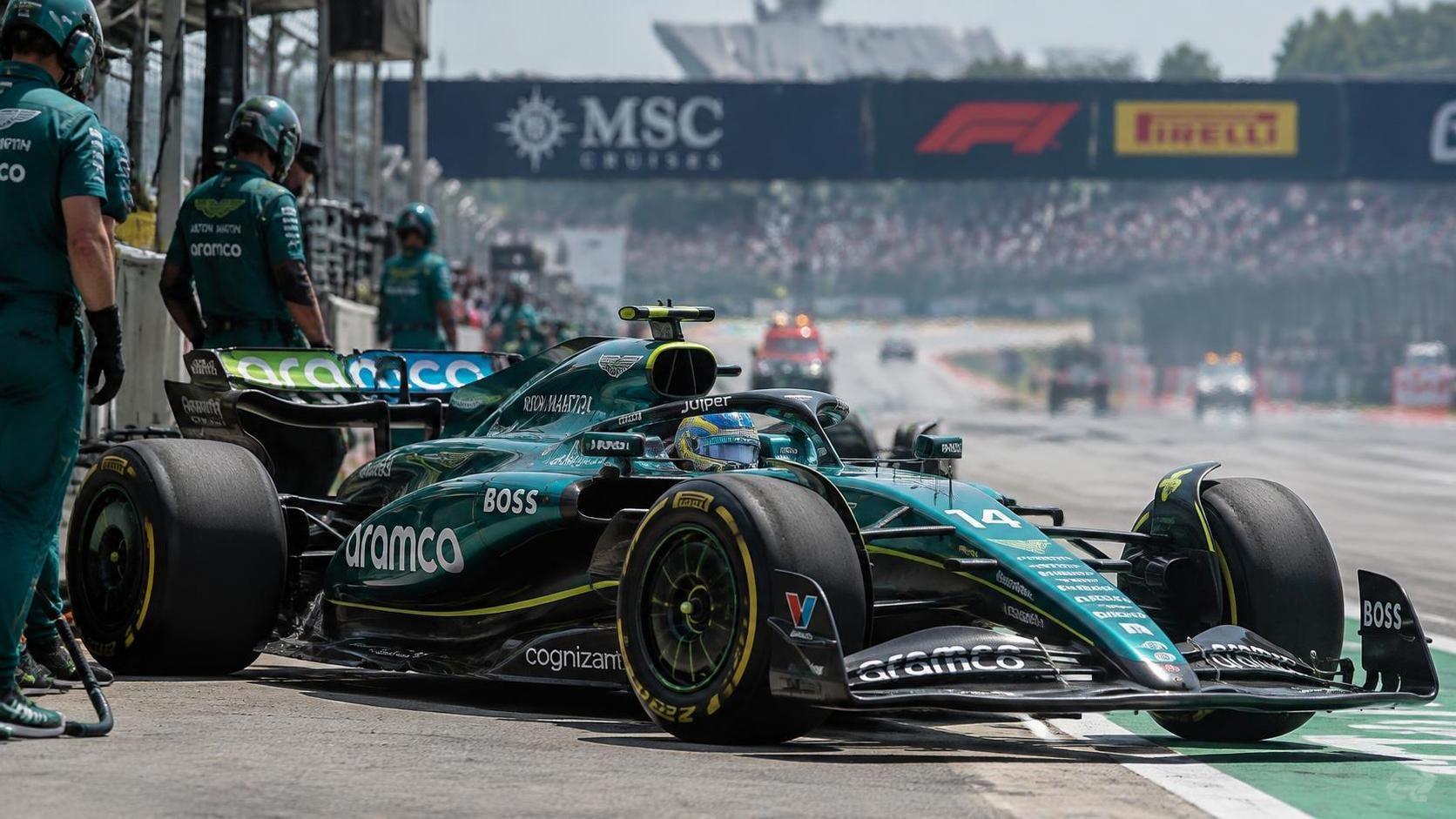
Why Honda’s Mexico Grand Prix power unit failed after five laps
Honda had flagged the circuit as a difficult test before the weekend, but the scale of the cooling challenge became clear only under competitive conditions. Trackside chief engineer Shintaro Orihara said the ERS cooling circuit faced heavier stress than anticipated, forcing stoppages in qualifying and the race despite the mileage accumulated in practice.
Mexico’s thin air complicates heat rejection while demanding more from the turbocharger. The 2026 power-unit rules also remove the MGU-H, which previously helped manage turbo response; without it, turbo lag became another hurdle for Honda and Aston Martin. The team had made driveability gains between FP3 and qualifying, yet improved response could not solve the underlying reliability problem.
Cooling stress and turbo lag exposed the technical weakness
That distinction matters: Honda has identified an overloaded cooling circuit, not a publicly confirmed internal engine breakage. The power unit may have run for only five laps on Sunday, but the warning signs appeared earlier, when Alonso reported abnormal water-system signals during qualifying. Both cars then left the race with the same broad reliability concern.
The pace underneath the problem offered a tantalising counterpoint. Alonso’s best sectors from Sunday, pieced together despite pitting on lap three, approached the pace of Carlos Sainz in the Williams, even with the Aston Martin likely carrying more fuel. Team chief trackside officer Mike Krack had identified the slow stadium complex and Turns 4–6 as areas where improved driveability could make the car competitive.
That potential never had room to breathe. Alonso and Stroll were both out in Q1, around four tenths short of the Q2 cut-off, and their race ended before the strategic picture could develop. The Mexico weekend turned a promising chassis into a reliability story; earlier context on the partnership appears in this report on Honda’s progress with Aston Martin.
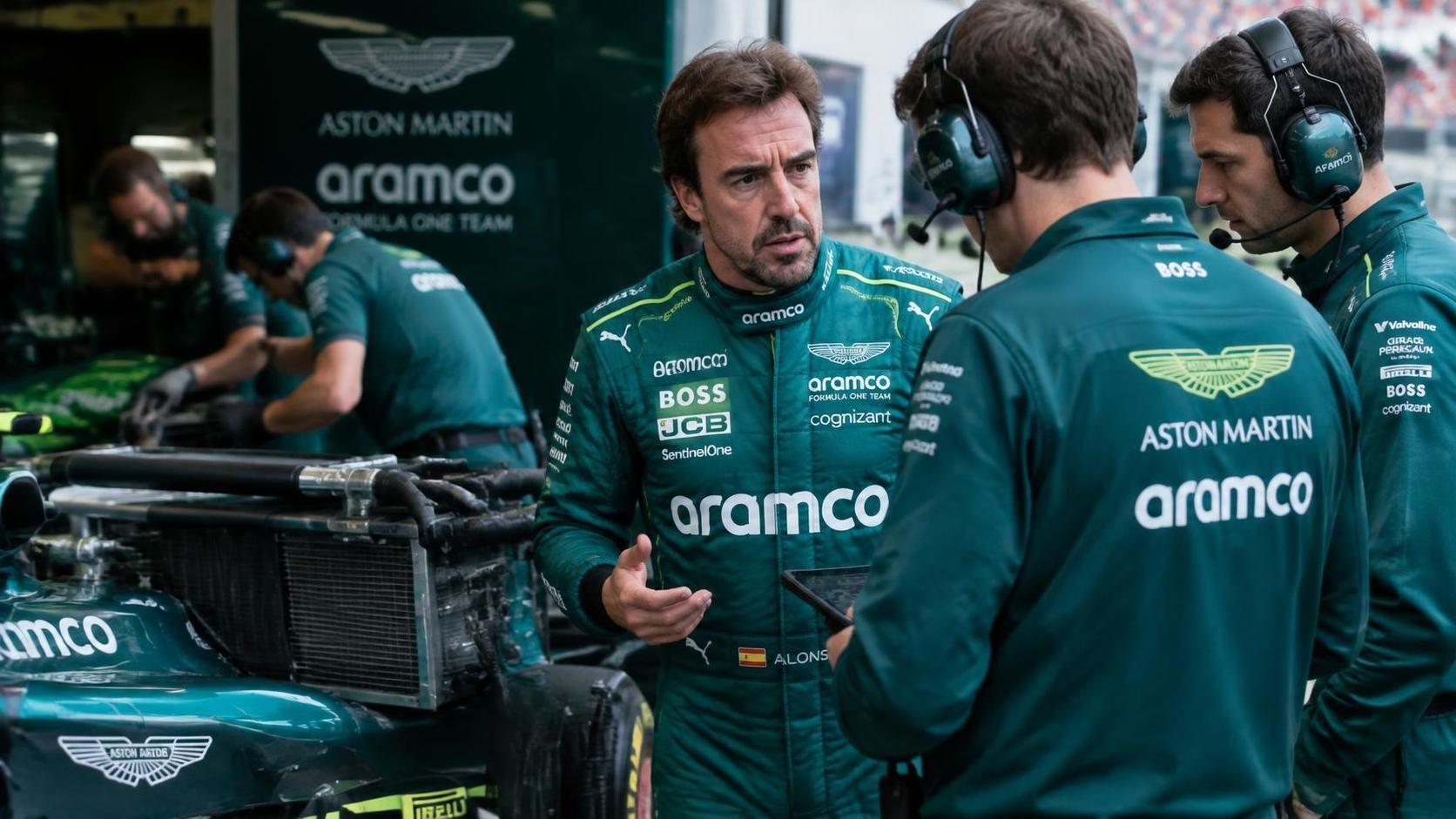
What the five-lap retirement means for Aston Martin’s season
Honda plans to carry the Mexico data into its preparations for a return to the circuit, with work focused on cooling and turbo response. Each race now doubles as a development test, but the timing is awkward for a team that has already endured a difficult start and then found better results after upgrades and the ADUO process.
Krack acknowledged that repeated setbacks can weigh on morale, even as he insisted the workforce remains driven. For Alonso, Mexico marked his seventh retirement of the season; he said every part of his preparation remains geared towards performance. The next step is practical, not rhetorical: give the Honda powertrain enough thermal headroom to let the AMR26 complete a race distance.