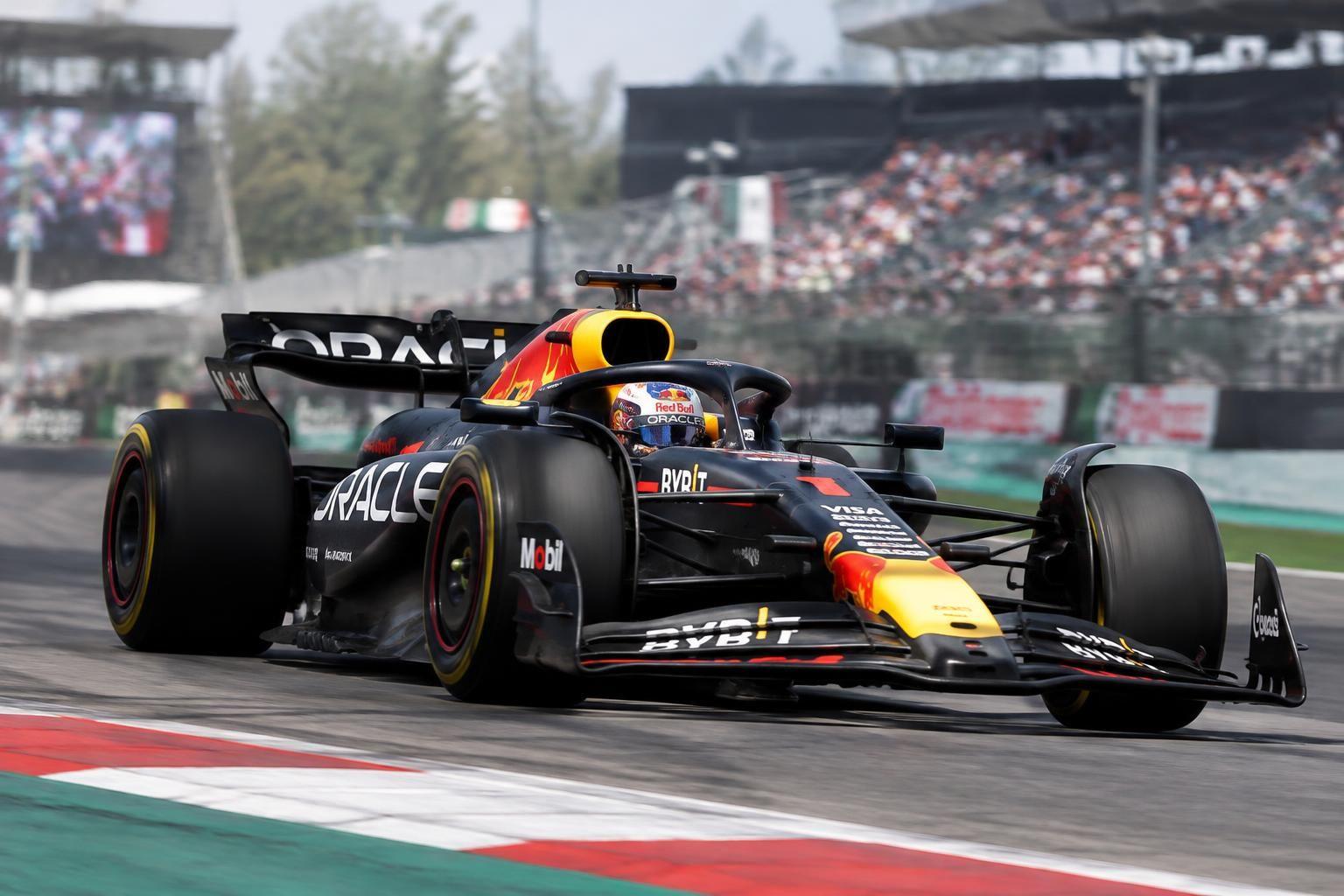

Verstappen targets cooling control in Mexico. A sixth win would set a personal benchmark. The record is within reach.
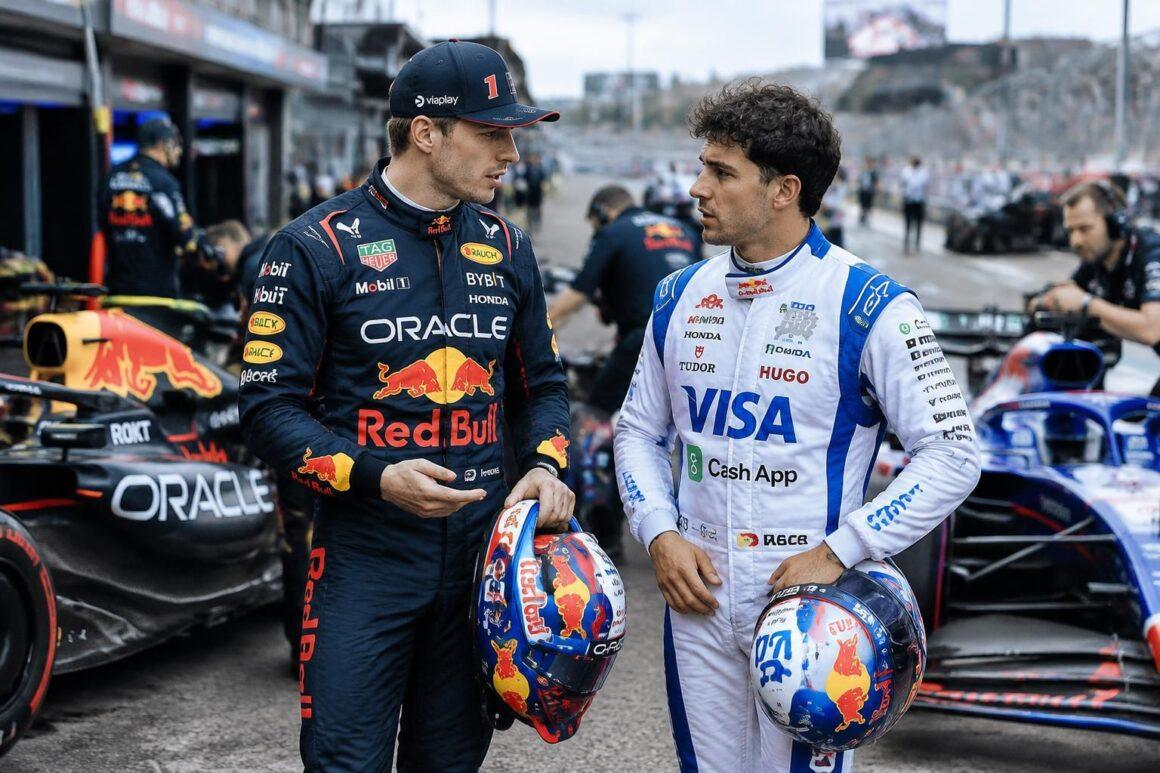
Max Verstappen has identified engine cooling as Red Bull Racing’s priority for the Mexico Grand Prix, where thin air at the Autódromo Hermanos Rodríguez puts extra pressure on the car’s thermal management. The venue’s altitude makes temperature control a bigger challenge than at most rounds.
The Dutchman arrives after a difficult Austin weekend, though he still secured a podium. He says Red Bull Racing must understand more about the car before judging its prospects, with the high-altitude circuit offering a sharp change from the previous race. A sixth victory in Mexico would extend his own circuit record and add another marker to his ongoing record chase.
Mexico Grand Prix puts engine cooling first
At altitude, the thinner air carries away less heat, making it harder for teams to keep the power unit within its preferred operating range. They often respond with additional openings in the engine cover, trading some aerodynamic efficiency for airflow through the car. For Verstappen, the balance has to protect both reliability and lap time.
“It was a more difficult race than expected in Austin,” he said, while pointing to the podium as a positive. Mexico brings different conditions, he added, and the team has been working to understand what the car needs. That diagnosis matters before Red Bull Racing can set its weekend targets. Red Bull’s recent recovery has shown how much performance can hinge on getting the car into the right window.
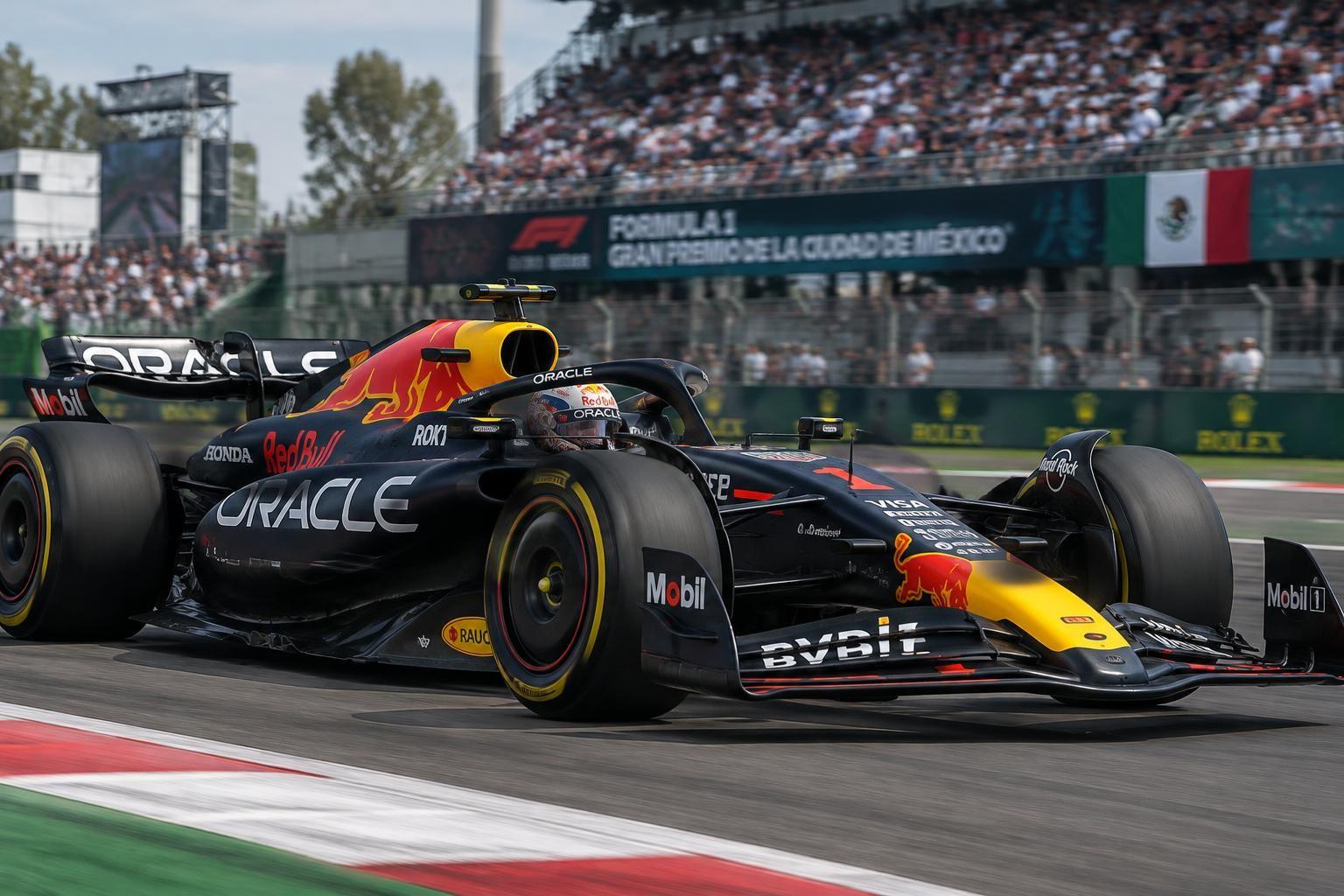
Cooling choices shape Red Bull’s race strategy
Extra cooling slots can help manage temperatures, but they also affect airflow and aerodynamic balance. Engineers must find a setup that lets the power unit breathe without giving away too much speed through the circuit’s faster sections. That trade-off feeds directly into race strategy, especially if changing temperatures or traffic disrupt the car’s rhythm.
Mexico’s long run to Turn 1 gives a strong launch from pole position an obvious appeal, but qualifying alone will not settle the contest. The car must also stay composed through the race, where overheating can narrow the team’s options. Verstappen says the car needs to sit in the right operating window; the cooling package is part of that job, not a bolt-on fix. A past practice-session surprise also underlines how quickly the competitive picture can shift.
Verstappen’s record chase adds another target
Verstappen has won the Mexico race five times, matching his tally at Yas Marina and the Red Bull Ring. A sixth win would give him a new personal best at one circuit, while making it his third victory in four rounds. It is a substantial prize, but the four-time champion has made clear that competitiveness comes first.
The result also carries weight for the championship, although the available figures do not establish the precise points picture heading into the weekend. The immediate test is whether Red Bull Racing can translate its work into a stable car and a clean run through qualifying and Sunday’s race. Mexico’s passionate crowd will raise the volume; the cooling data will decide whether Verstappen can turn his record chase into another win.