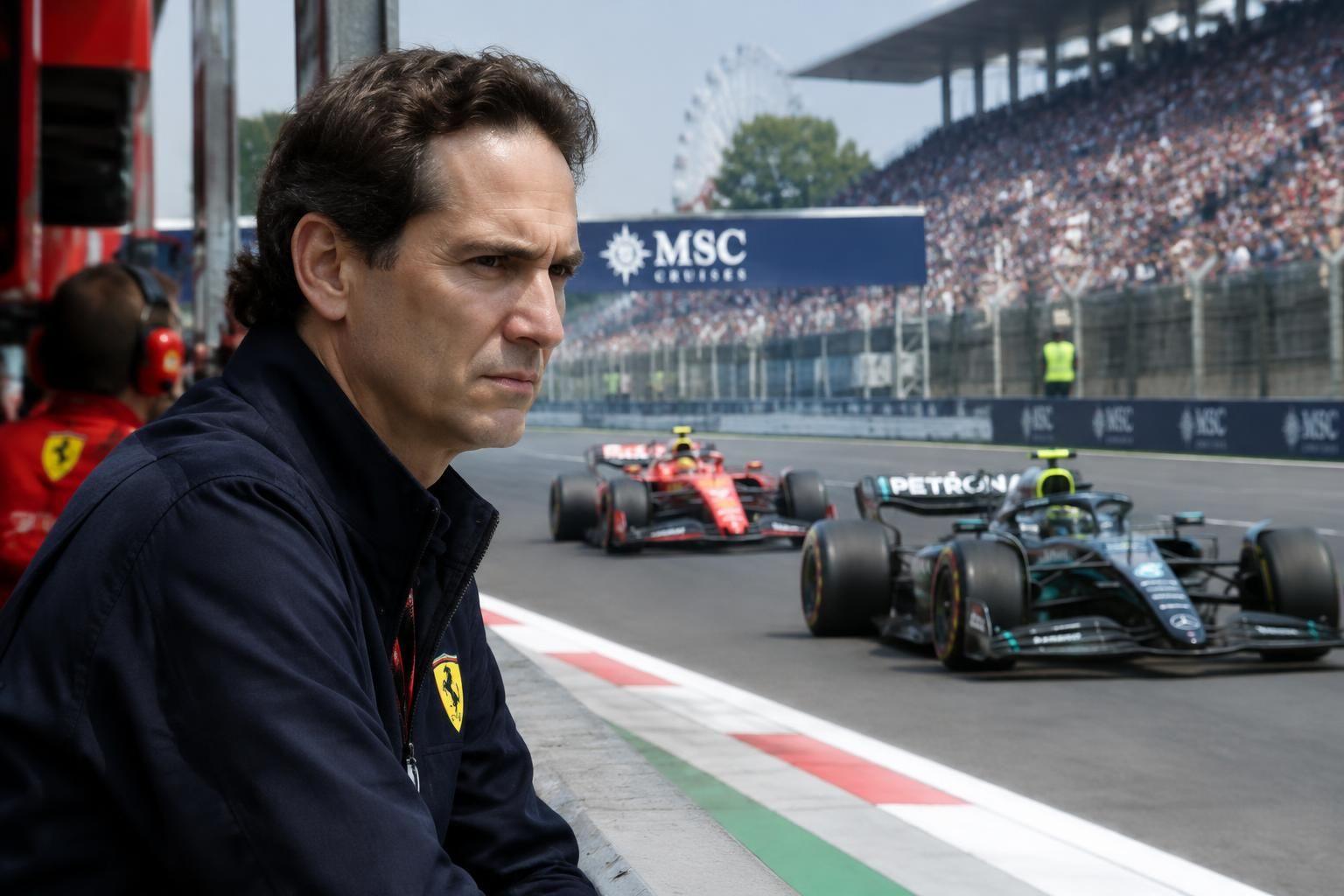

John Elkann is frustrated. Ferrari’s Mexico chance slipped away. The Hamilton-Leclerc clash has put team unity under fresh scrutiny.
Ferrari appeared capable of a major result at the Mexican Grand Prix, but the opening-lap fight between Lewis Hamilton and Charles Leclerc disrupted the Scuderia’s race. Max Verstappen seized the opportunity and went on to win.
Italian reports say John Elkann reacted angrily to the missed chance, as frustration grows over opportunities the team has failed to convert. The incident has also revived questions about how Ferrari will manage its driver rivalry and whether team orders will follow.
John Elkann’s reported anger after the Ferrari clash
How the Hamilton-Leclerc incident changed Mexico
The battle between Hamilton and Leclerc unfolded through the first corners, where both drivers ran deep under braking. Their duel disturbed Ferrari’s race strategy and gave Verstappen room to benefit, turning what looked like a potential team-leading result into another lost opportunity.
Italian journalist Giuliano Duchessa reported that Elkann was unhappy with what he saw, particularly as missed chances continue to mount. Team principal Frédéric Vasseur also criticised both drivers after the race, stressing that they had to put the interests of Ferrari ahead of their personal battles. Reports of the reaction remain attributed to Italian media, rather than a direct public statement from Elkann.
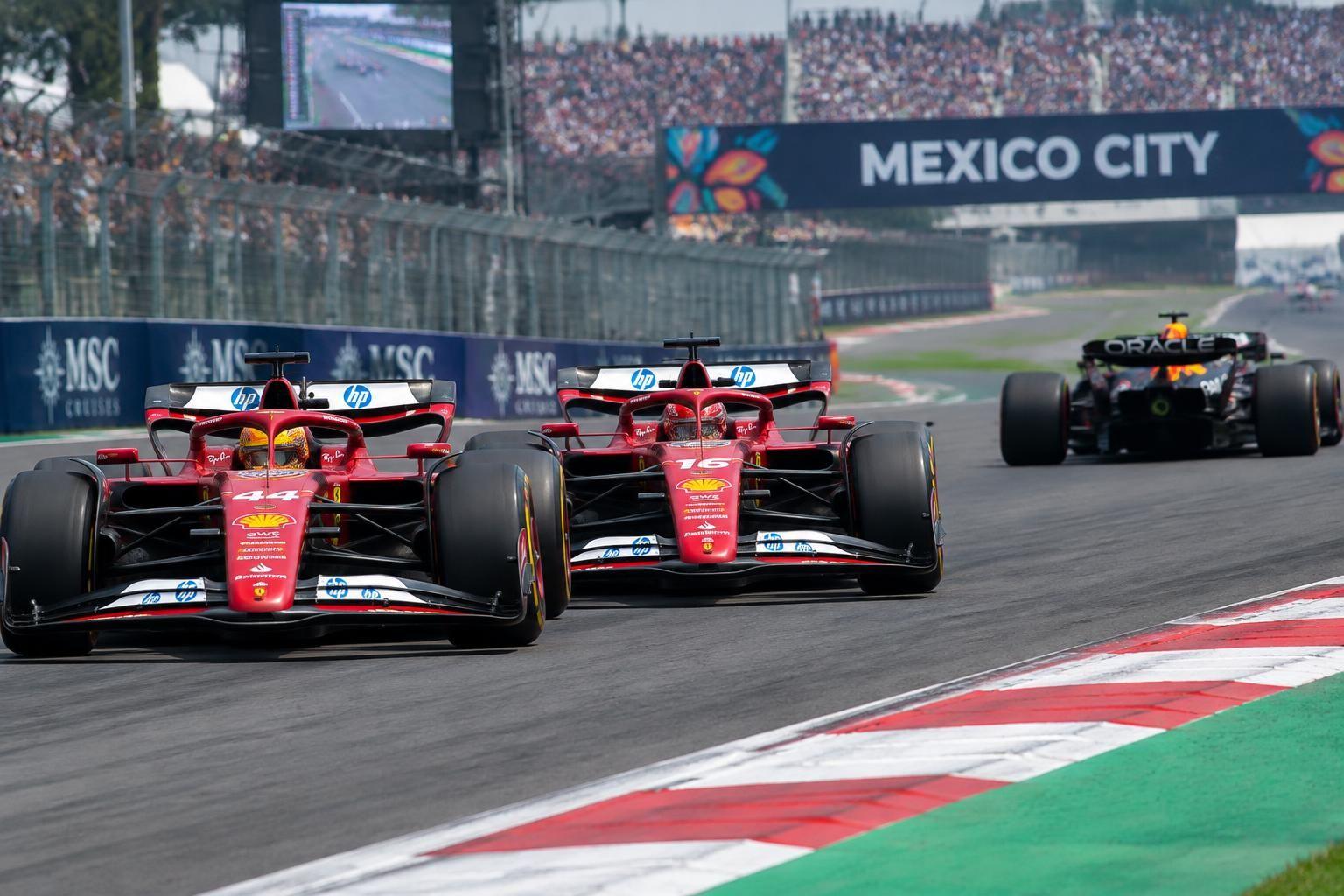
That response carries extra weight against Elkann’s earlier public insistence that Ferrari needs drivers who think collectively. Former team principal Maurizio Arrivabene, who led the Scuderia from 2014 to 2019, offered a sharper verdict: both drivers braked too late, he argued, though he assigned greater responsibility for the outcome to Leclerc.
Ferrari’s race strategy and the risk of team orders
Why the Scuderia may need clearer rules
The Mexico episode was not simply a disagreement between two teammates. When both cars contest the same piece of track, their decisions can shape the entire team’s race strategy; a lost position or compromised run can hand an advantage to a rival. That is why Vasseur’s public rebuke has drawn attention beyond the cockpit.
Hamilton has sought to cool talk of a lasting split, saying he speaks with Elkann every week. Leclerc has also reaffirmed his commitment to helping Ferrari return to the top. Their comments suggest a desire to contain the fallout, but they do not settle the harder question: will the team set firmer limits on wheel-to-wheel fights?
The wider Formula One context is clear: a driver rivalry can sharpen performance, but it becomes a liability when both cars lose ground in the same moment. For Ferrari, team orders would not need to dictate every corner; clearer expectations about risk and cooperation could stop another contest from undermining the team’s result.
São Paulo GP puts Ferrari’s response in focus
Hamilton and Leclerc face the next test
Leclerc missed Thursday media duties in Brazil following the recent birth of his child, but was expected to take part in the remainder of the weekend. The timing places added attention on the São Paulo round, where Ferrari must manage both its on-track ambitions and the questions left by Mexico.
Hamilton and Leclerc have publicly signalled unity, while Elkann’s reported irritation keeps the pressure on the team’s leadership. The next test is practical, not rhetorical: can Ferrari let its drivers race hard without allowing another on-track incident to cost the team a major result? Follow the latest updates from the F1 News desk and LAS Motorsport.