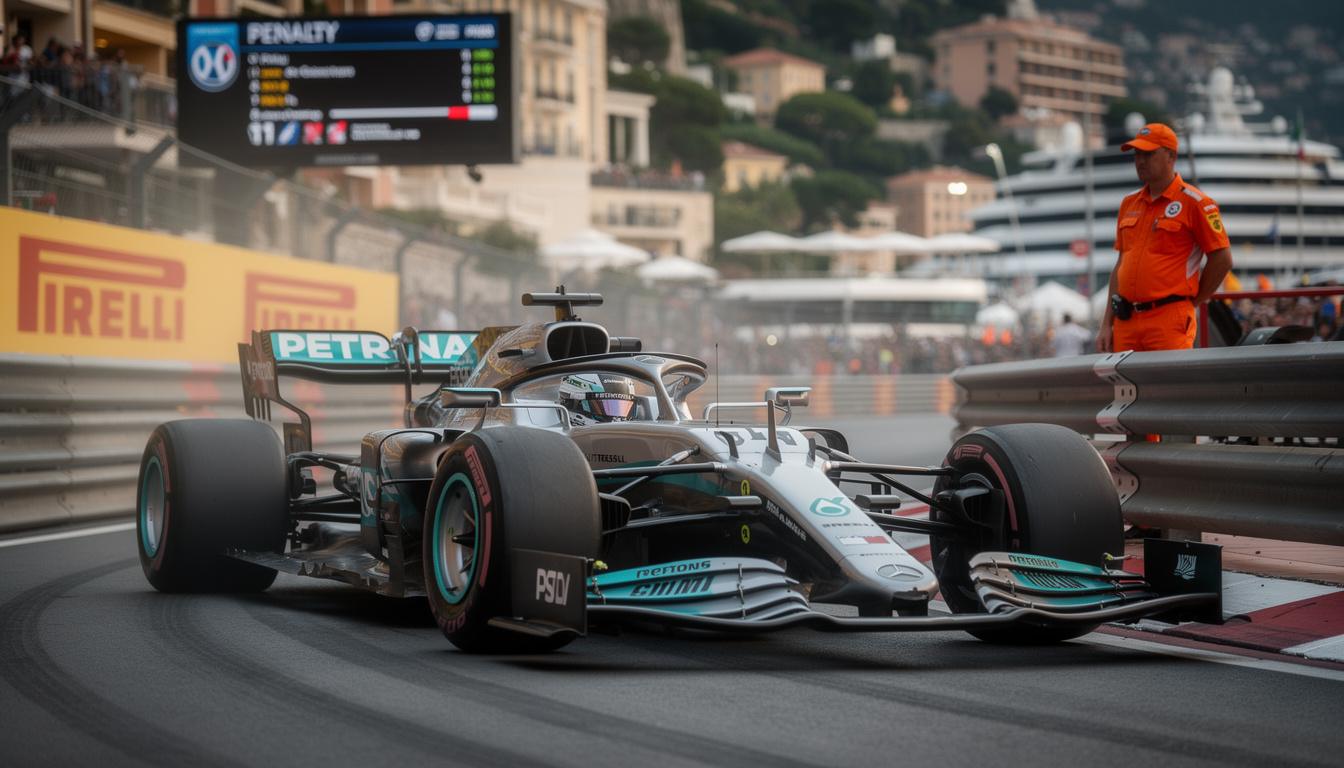

Mercedes has pulled back from escalating the battle over George Russell’s Monaco GP penalties. The team officially withdrew their right of review request after intense deliberations with the FIA and Formula One Management. This decision comes in the wake of Pierre Gasly’s penalty reversal, which had thrown the Monaco race outcomes into turmoil.
Amidst the fallout from the FIA’s timing system errors, Mercedes initially sought to challenge Russell’s penalties to protect their driver’s race result. However, after thorough discussions, the Brackley squad concluded that contesting the penalties further would fail to yield positive results. The move effectively ends one of the season’s most controversial post-race disputes. Still, protests from Red Bull and McLaren promise ongoing drama.
Mercedes outlines strategy behind Monaco GP penalty stance
Following the FIA’s decision to overturn Pierre Gasly’s pitlane speeding penalties at Monaco, Mercedes promptly filed a review request regarding George Russell’s similar infractions. The reversal hinged on a rare admission from FOM that Monaco’s official timing measurements were flawed. This exposed inconsistencies affecting multiple drivers, including Russell, who had been hit with a drive-through penalty compounded by a prior pitlane speeding sanction.
Despite championing the merits of challenging the initial penalties, Mercedes recognised the complications introduced by Russell’s second penalty – a drive-through that pushed him out of the points positions. Team Principal Toto Wolff admitted the prospects of rescinding Russell’s penalties had diminished significantly. Yet, the team continued their efforts to keep all options open pending further clarification.
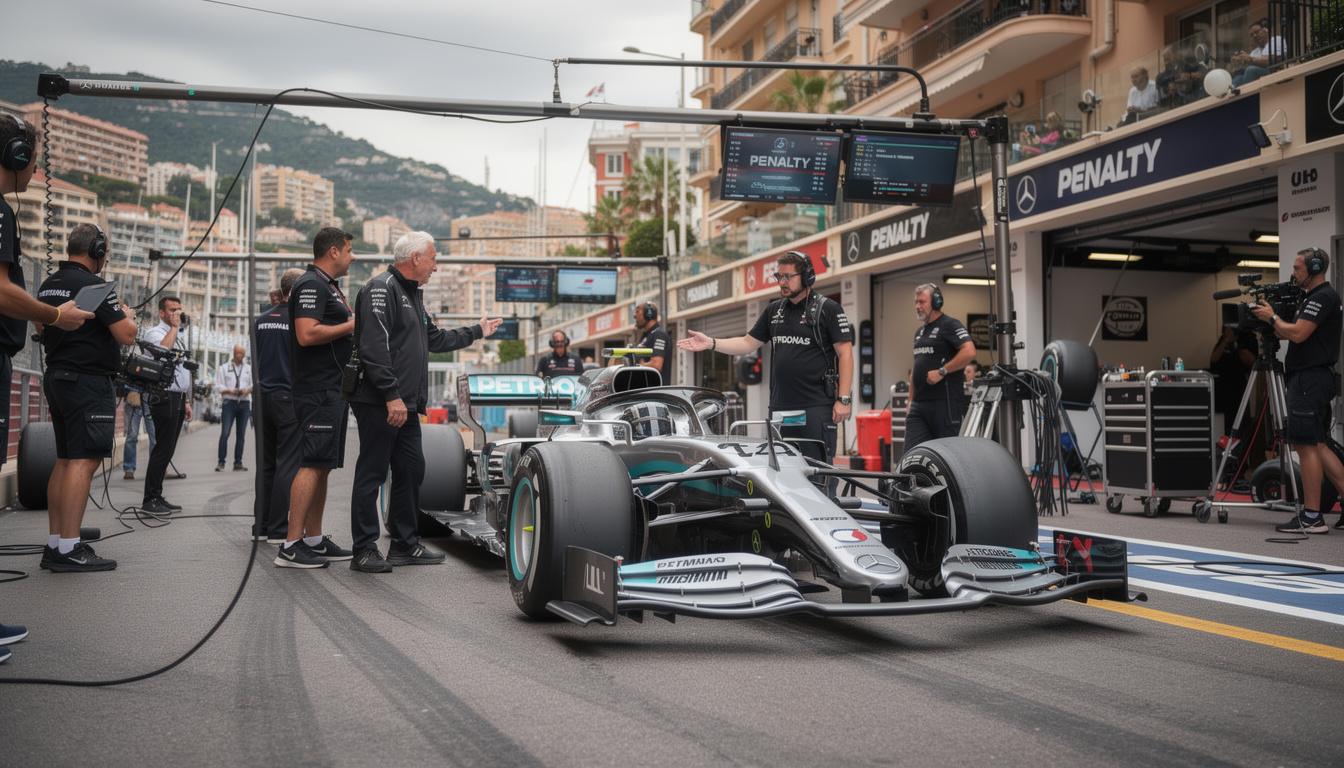
Technical and strategic nuances behind Mercedes’ decision
The Monaco GP controversy spotlighted glaring issues in race strategy and steward decisions, particularly around the accuracy of lap timing and enforcement of pitlane speed limits. Mercedes’ initial appeal was rooted in protecting Russell from penalties derived from faulty timing data. The FIA’s confirmation of miscalculated speed limit data at Monaco raised valid questions about fairness and consistency in penalty assessments.
However, the team’s later withdrawal followed a thorough review of race dynamics and enforcement criteria. This included the reality that Russell’s drive-through penalty, given while attempting to serve the initial speeding sanction, had a decisive impact on his race result and was less disputable under current regulations. Mercedes concluded there was no viable path to overturn that specific penalty or secure sporting compensation for Russell’s lost ground.
Implications for the championship and looming controversy
Mercedes’ decision not to contest Russell’s penalties any further leaves the door open for other teams to press their cases. The FIA’s International Court of Appeal must now address protests lodged by Red Bull and McLaren, sustaining the narrative around Monaco’s contentious steward decisions. These ongoing disputes underscore the challenges Formula 1 faces with race control and timing accuracy in the ground-effect era.
The latest developments could reshape race strategies for the remainder of the season. Teams will be acutely aware of how split-second steward calls and technical measurements influence race outcomes and championship trajectories. For Mercedes, withdrawing the challenge reflects a pragmatic approach to a politically charged issue. It also allows the team to focus fully on refining race strategy and car development amid a fiercely competitive season.