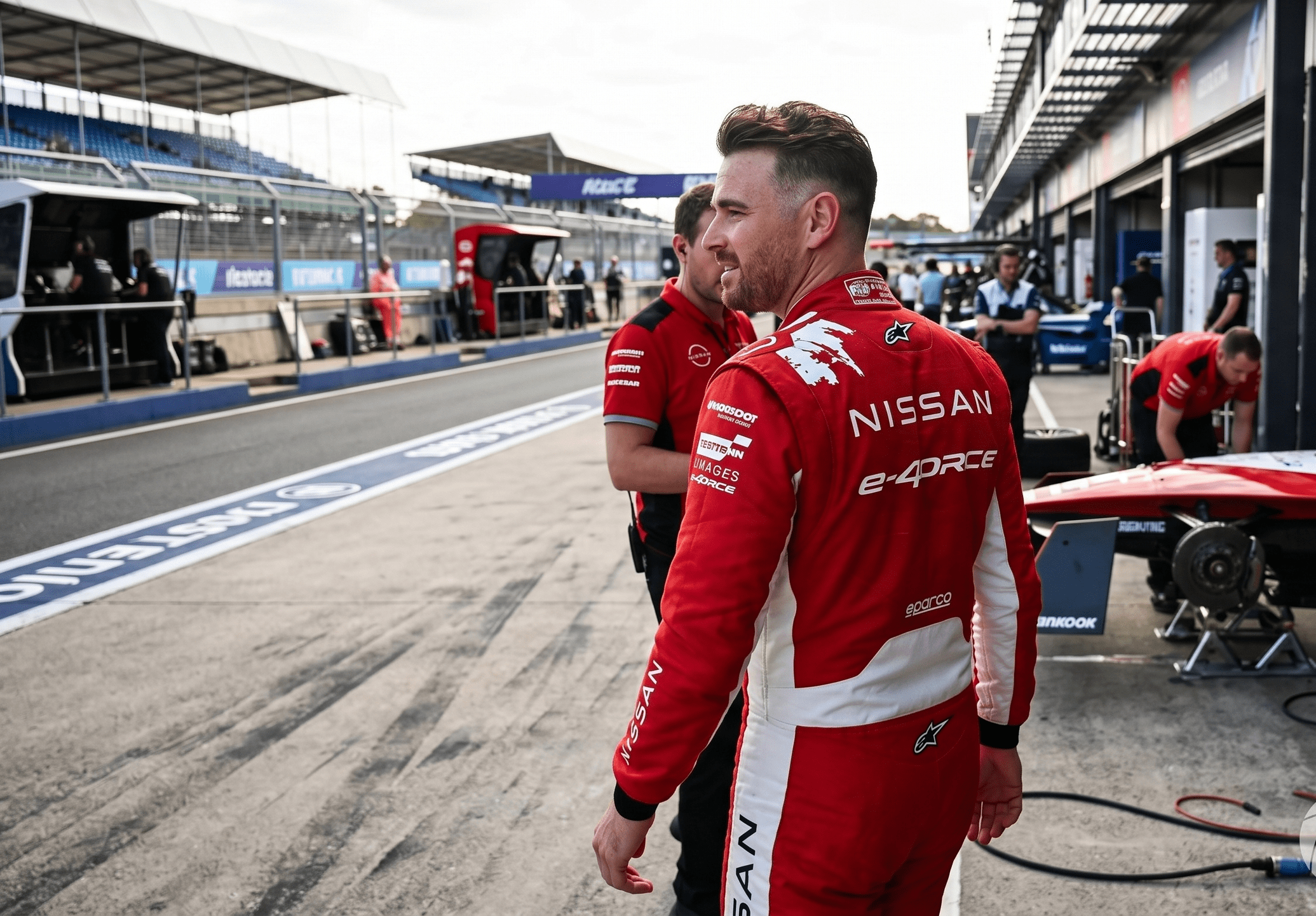

Oliver Rowland is primed for a fierce title defence in the 2026 Formula E season. The reigning champion’s recent Monaco victory places him firmly in the fight, just behind championship leader Mitch Evans. With the competition at its fiercest, Rowland’s pursuit promises a gripping battle ahead in electric racing.
Oliver Rowland has reignited his campaign to defend the Formula E Championship with a vital win at the Monaco E-Prix. This victory pulled him into second place overall, trailing current leader Mitch Evans by only 19 points. While Rowland’s season has been inconsistent—boasting one win and five podiums, but also multiple non-scoring finishes—his pace and strategy show he’s far from out of the picture. The competitive field makes this defence tougher than ever, yet Rowland exudes confidence about the fight ahead. With so much at stake, every race will be a test in this evolving arena of electric vehicles and motorsport innovation.
Oliver Rowland’s crucial victory at Monaco sparks title charge
At the Circuit de Monaco, Oliver Rowland emerged from a mid-pack start to clinch a dramatic win that shifts momentum in his favour. After a season where he often oscillated between podium finishes and points droughts, this triumph is not just a confidence boost but a key marker in an intense championship chase. The victory ended a long gap since his last win in Tokyo, demonstrating resilience and tactical maturity. Rowland’s ability to adapt his race strategy in such a demanding track environment says a lot about his determination to retain the crown.
This season, the British driver’s performance reflects the brutal competitiveness of the field. Scoring in five podiums signifies his pace and consistency, but four finishes outside the points showcase the harsh challenges faced. Unlike last season’s runaway title win, Rowland is chasing rather than leading, which he admits changes his mindset—the chase fuels his hunger for victory. The increased level of competition means every podium and point counts more than ever.
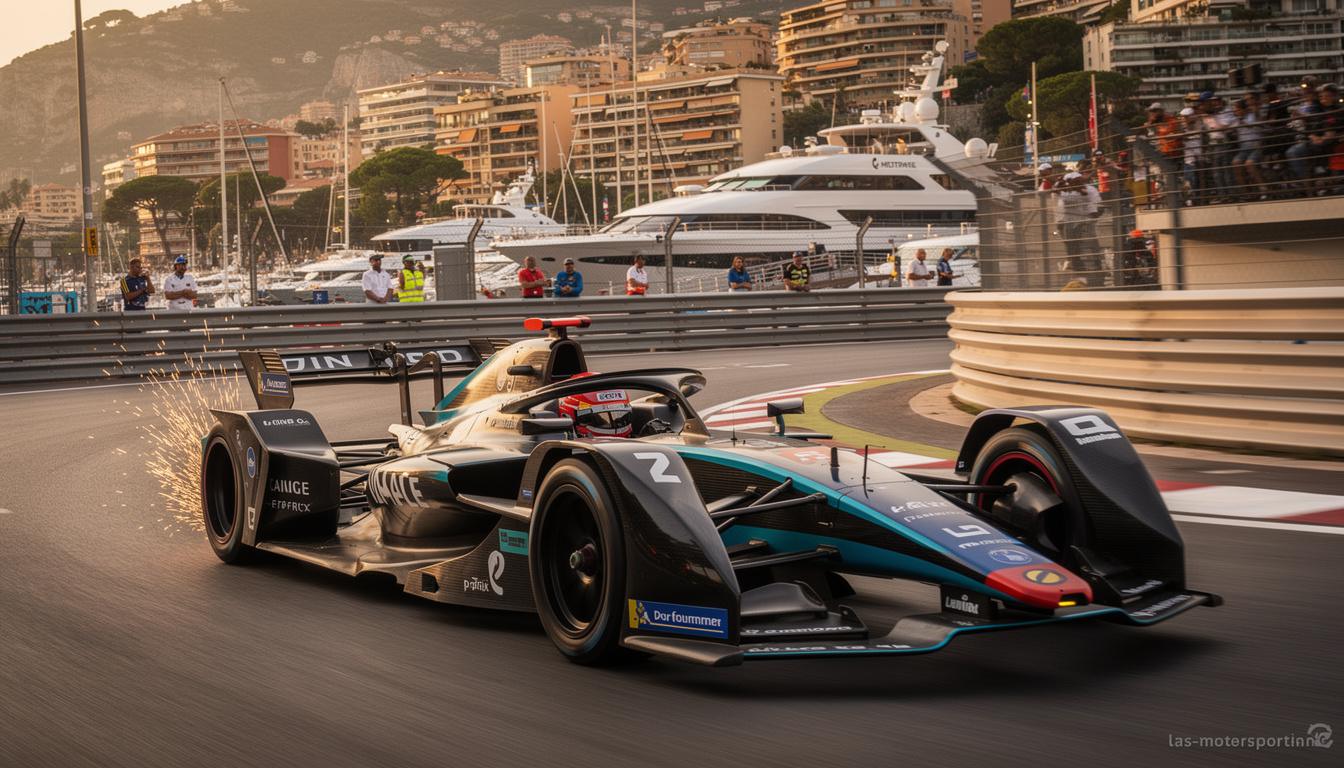
Technical and strategic nuances behind Rowland’s title fight
Rowland’s challenge is clear: enhance qualifying pace and finetune race strategy to claw back ground on Mitch Evans. Both drivers struggle with one-lap outright pace—a critical factor given qualifying’s heightened importance on the remaining circuits after Shanghai. Nissan’s engineering team is busy unlocking the nuances of their powertrain and aerodynamic package to shave vital tenths in qualifying. This tactical focus aims to complement Rowland’s racecraft, where energy management and tyre preservation remain paramount for success in the realm of electric racing.
The 2026 season’s strategic landscape demands versatility—teams must balance aggressive on-track overtakes with efficient energy deployment. Rowland’s experience is proving invaluable here; his knack for adapting race-day tactics and managing the car’s battery power keeps him competitive. Nissan’s efforts in improving lap times over a single flying lap alongside race-day stability could tip the scales. The battle is as much a war of technology and race strategy as it is driver skill, underlining the intricate hybrid nature of the sport’s progression.
What lies ahead for Rowland ?
Looking beyond Monaco, Rowland faces a season where every point is fiercely contested in a championship tighter than ever before. With Mitch Evans holding a slender lead, and rivals like Porsche’s Pascal Wehrlein lurking, the margin for error shrinks. Rowland’s mindset shift—from dominator to hunter—adds an engaging layer to the competition dynamic. Unlike last year’s dominant lead, 2026 demands strategic precision and mental grit in every race weekend.
The next rounds will test Rowland’s consistency and Nissan’s technical upgrades, especially on circuits where qualifying is king. Fans can expect a championship saga rich in tactical intrigue and intense wheel-to-wheel battles. Electric racing is not just progressing—it’s accelerating into a more competitive and sophisticated era. The battle for the Formula E crown will unfold with each race, and Rowland’s quest to defend his title promises to remain a headline gripping motorsport enthusiasts worldwide.
For detailed insights on the technical side of motorsport strategy and energy management, explore related topics in the F1 Fuel Dictionary and the Fuel Cell and Fuel System Dictionary. These concepts underpin the evolution of electric vehicles in high-stakes racing like Formula E.