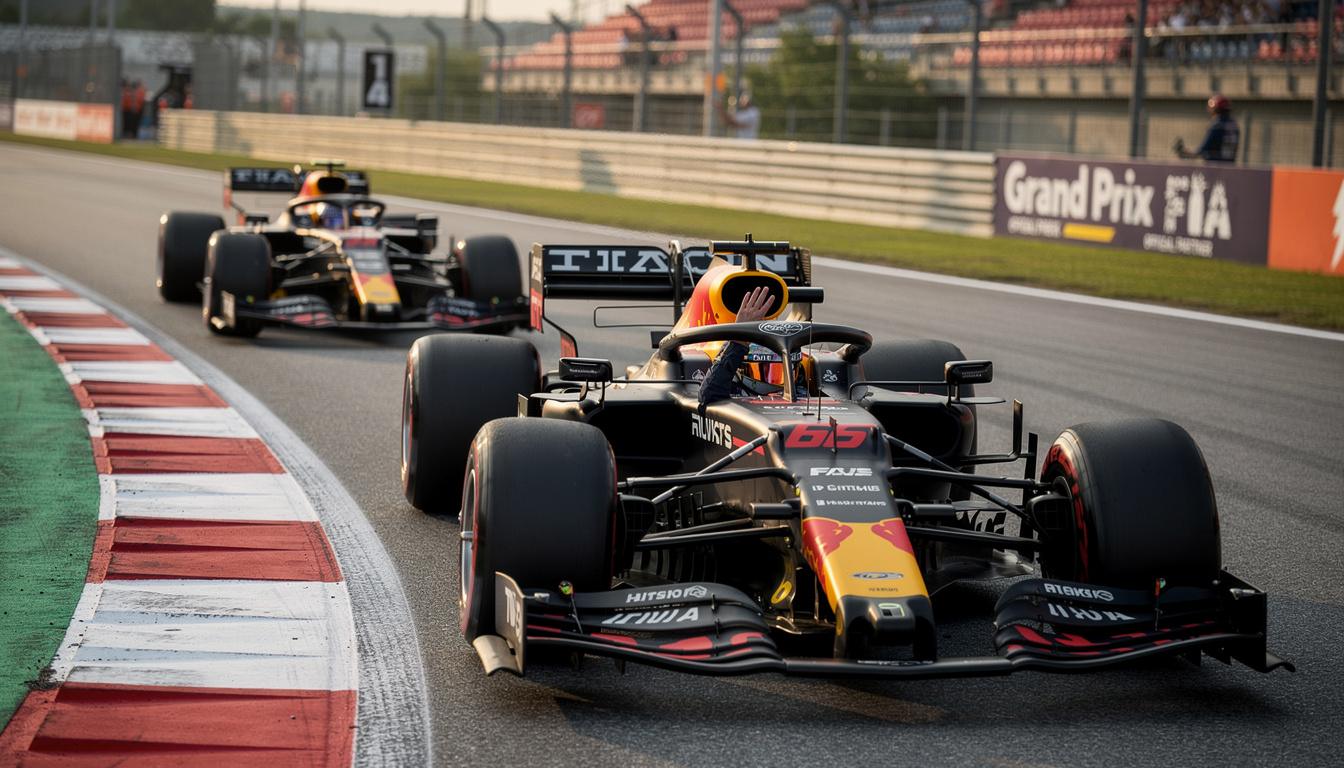

F1 drivers are enjoying their best relationship with the FIA in years, thanks to a smarter approach on penalty points. The revamped system is delivering a more just and flexible framework for racing offenses. This balance is proving a triumph for both drivers and the sport as the 2026 season unfolds.
The 2026 Formula 1 season has highlighted a significant shift in the dynamic between drivers and the FIA. Following the introduction of revised guidelines on penalty points, the intensity of clashes over racing penalties has notably eased. Now, after seven Grand Prix rounds, drivers have accumulated just a single penalty point — a stark contrast to previous years’ harsher tallies. This evolution marks a clear victory in the ongoing battle over how infractions are judged and punished on the grid. The renewed trust and communication between the FIA and drivers have created a climate where hard racing is respected without the fear of disproportionate sanctions.
The impact of revised penalty points on F1 drivers’ relationships with the FIA
Since the enforcement of updated FIA guidelines at the start of this season, there’s been a stark drop in penalty points awarded to drivers. Only Franco Colapinto has earned a point so far for failing to reduce speed under yellow flags in Barcelona. Notably, no penalty points have been issued for collisions stemming from competitive battles on track. This drastic reduction has come from granting stewards enhanced discretion in deciding whether and how many points to allocate for infringements, unlike the rigid system of the past.
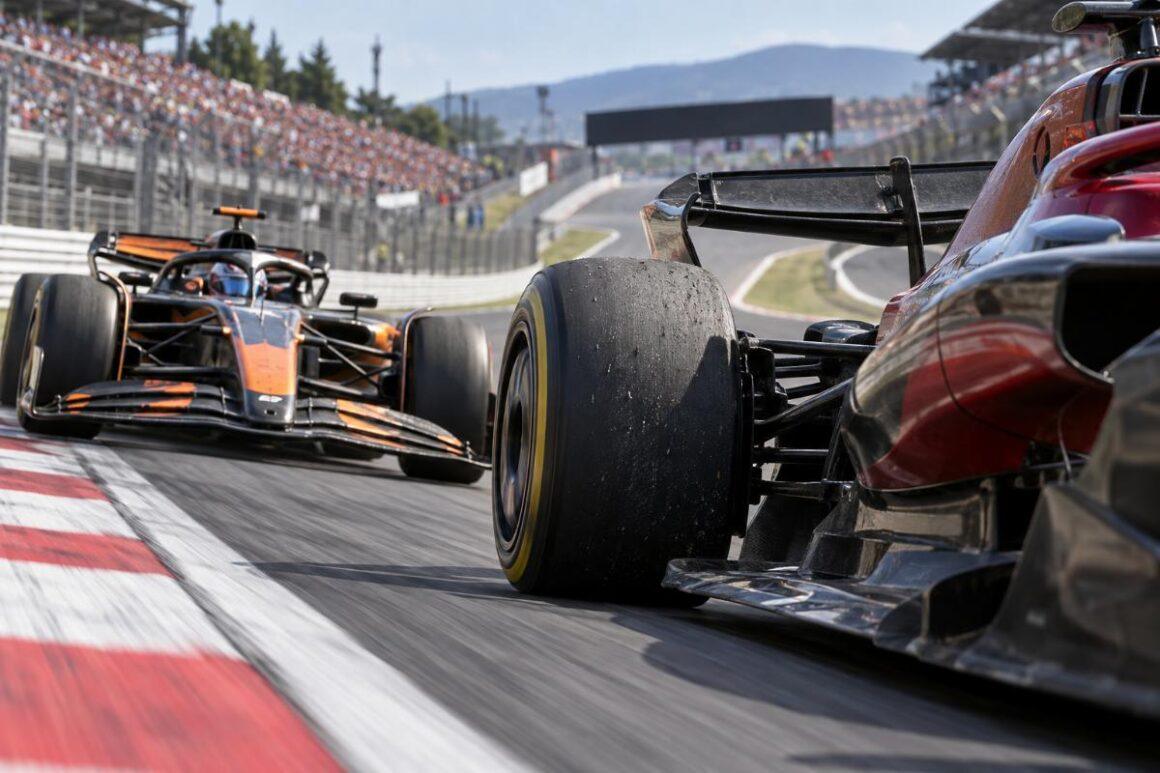
F1 drivers had long voiced concerns over the bluntness of prior penalty systems, arguing harsh points for minor racing incidents suppressed aggressive overtaking. Now, incidents once punished uniformly with points are assessed with context — from no points for low-severity clashes to up to four for reckless or deliberate collisions. This nuanced approach is fostering mutual respect, encouraging drivers to race hard without the looming threat of race bans for standard racing contact.
Technical revisions in penalty guidelines enhance fair play and safety
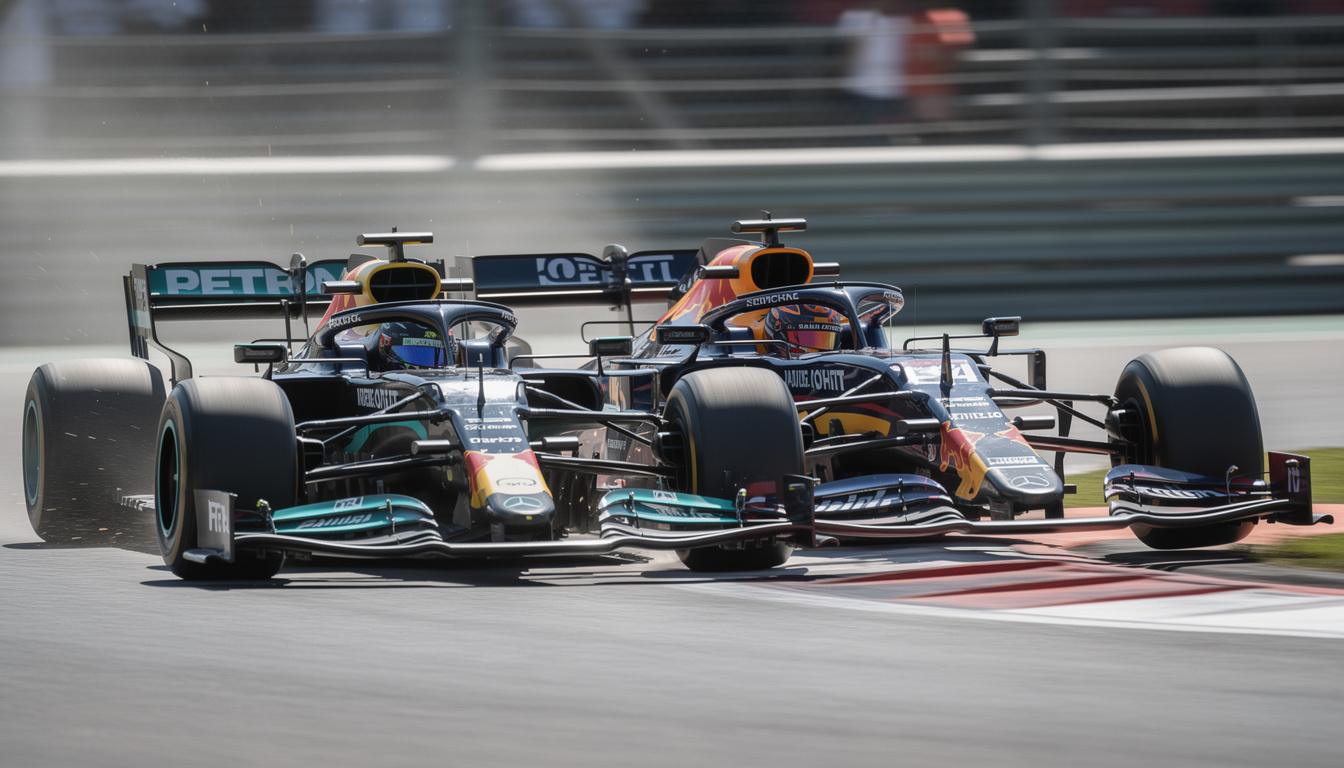
The rulebook now allows stewards to weigh the severity of incidents more precisely. For example, causing a collision no longer returns an automatic three-point penalty; it can range from zero to three depending on how reckless the act was. Esteban Ocon’s clash with Colapinto in China, which resulted only in a time penalty but no points, perfectly illustrates this graduated penalty philosophy.
Other key amendments include removing penalty points for forcing another driver off track unless deemed reckless, and ignoring blue flags without points unless it is dangerous behaviour. The focus is squarely on discouraging truly dangerous or unsporting conduct. FIA Race Director Rui Marques hasn’t softened on serious breaches though: deliberate recklessness still triggers a four-point penalty, preserving safety’s sanctity.
The championship impact of stronger FIA-Driver relations and the penalty points system
Improved FIA-driver relations have immediate strategic implications for the championship battle. Drivers like Oliver Bearman, previously edging close to race bans, now race with more confidence and less fear of accumulating penalty points unjustly. His current tally of eight points reflects past challenges, yet the new framework allows for more honest pursuit of overtakes without the paralyzing risk of suspension.
This atmosphere encourages thrilling racing, vital for F1’s appeal to fans and sponsors alike. The system’s flexibility helps prevent penalising genuine racing mistakes, allowing the championship fight to centre on performance and skill. Drivers focus on pushing limits rather than playing it safe, enhancing competition integrity and spectacle.
From better communication to smooth collaboration in Formula 1 governance
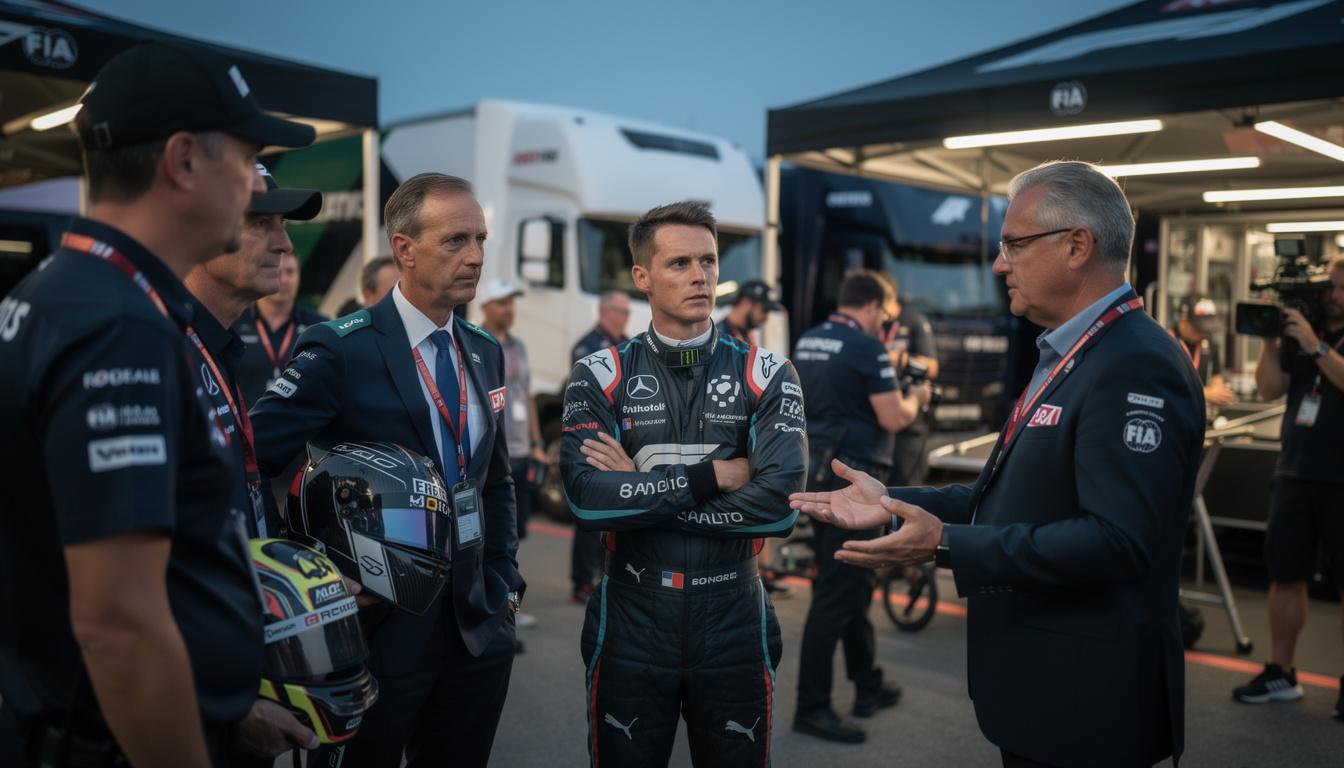
According to GPDA director Carlos Sainz, the current FIA setup is the most collaborative since the era of Charlie Whiting. Open lines of communication have been established with race director Rui Marques and his team, creating a trust-driven environment. This has reduced friction and allowed for shared goal-setting around safety and sporting fairness.
Drivers now feel their concerns are heard and acted upon promptly, leading to a smoother relationship that balances regulatory authority with driver freedoms. The fine-tuning of penalty points and the honest acceptance of racing’s inherent risks have aligned stewardship and competitor expectations. The outcome is a Formula 1 championship that honours the spirit of hard racing while safeguarding fairness and safety.