
Two Paths Into the Performance Car Market
The car market splits every serious buyer into a choice that feels simple but carries real weight. Do you pay a premium for structure and peace of mind through a certified pre-owned vehicle program? Or do you move fast through auction lanes where depreciation works in your favor? Performance buyers feel this tension sharply. Speed matters in both cases but the costs of a wrong decision run deep.
Why Auction Buying Attracts Serious Shoppers
Auction platforms changed the game for buyers who know what to look for. A Better Bid connects buyers directly to Copart salvage and insurance auctions across the U.S. The platform handles bidding logistics so a shopper can access thousands of vehicles without a dealer license. Abetter.bid also provides a vehicle history report and vin check before committing to any lot. That transparency matters when buying a used car sight-unseen. Non-cpo used inventory on platforms like this often carries significant depreciation already baked in, which means strong value for a prepared buyer.
What Makes a CPO Vehicle Different
A certified pre-owned vehicle is not just a regular used car with a sticker. An automaker or manufacturer-backed cpo program sets specific standards for age and mileage, condition and inspection depth. Buying a certified pre-owned vehicle means the car has passed a multi-point inspection process carried out by trained dealerships. The vehicle must meet strict criteria before receiving a cpo designation.
The CPO Warranty Structure
Warranty coverage under a cpo program typically extends beyond what a standard used car carries. Most cpo programs include a powertrain warranty that covers engine and transmission. Some brands stack a bumper-to-bumper warranty on top of that. The table below shows how three major brands approach warranty terms:
| Brand | CPO Warranty | Powertrain Coverage | Extras |
| Hyundai | 10-year/100k total | Full powertrain | Roadside assistance |
| Lexus | 2-year/unlimited miles | Backed by the factory | Loaner cars |
| Mercedes-Benz | 1-year limited warranty | Powertrain warranty | Trip interruption |
Inspection Depth and What It Covers
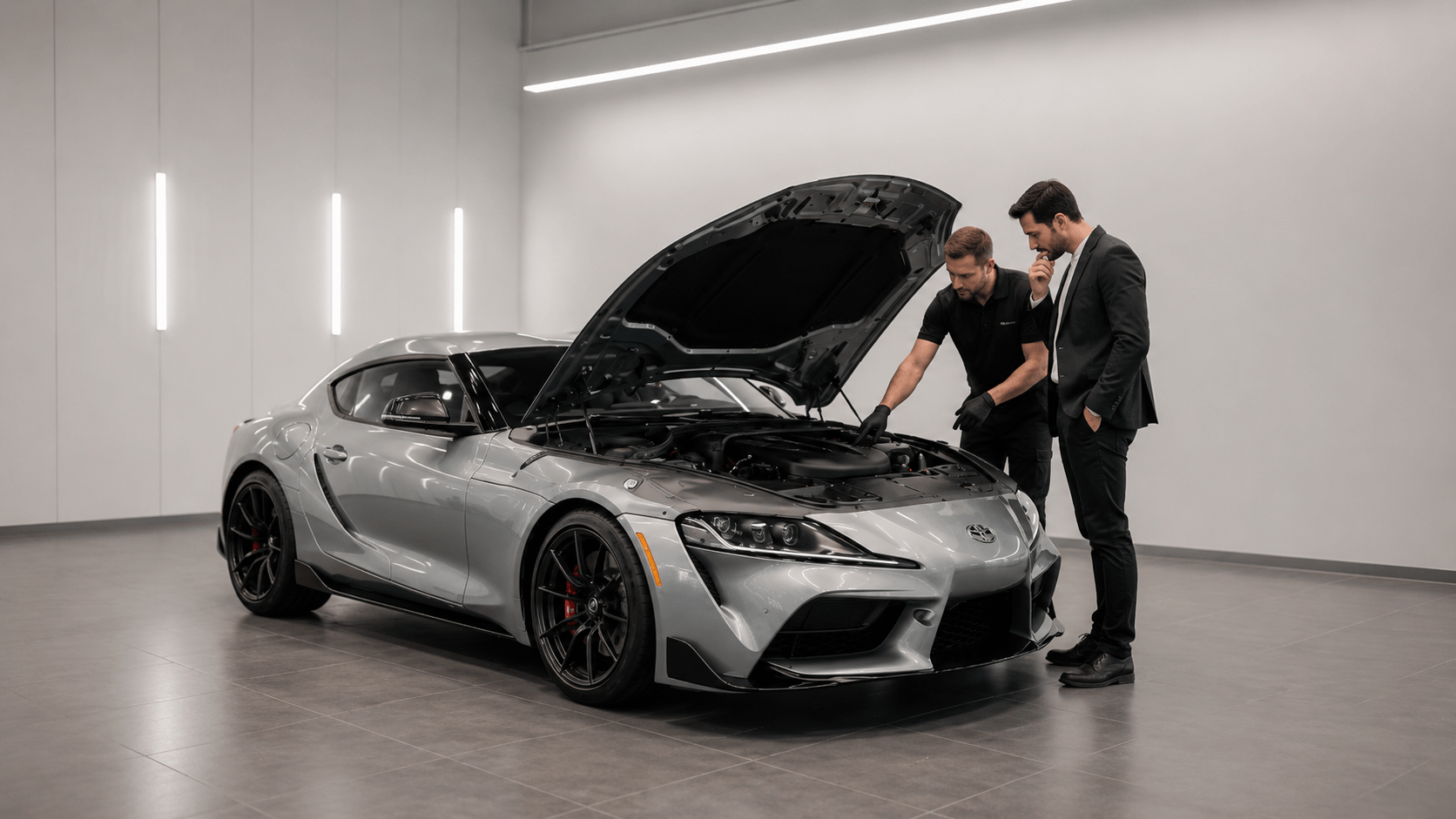
A cpo car goes through a checklist that a standard used vehicle skips entirely. A mechanic inspects brake systems, suspension, fluid levels and electronics. The inspection process for certified pre-owned programs at premium brands reaches 150 to 200 points. A non-cpo vehicle receives no such review unless the buyer pays out of pocket to inspect it independently.
The Real Cost of CPO vs Auction
Buying cpo costs more upfront. A like-new late-model used vehicle through a certified pre-owned car program typically runs 10 to 20 percent above a comparable non-certified unit. Buying used through auction brings lower cost but requires the buyer to account for potential necessary repairs post-purchase.
Key cost factors to weigh:
- CPO price premium at point of sale
- Auction buyer fees and transport
- Post-auction repair budget for non-cpo used vehicles
- Extended warranties if buying a non-cpo vehicle
- Deductible structure on cpo warranty claims
When CPO Makes Sense for Performance Buyers
Shopping for a certified pre-owned vehicle from a performance-oriented make and model makes sense when the buyer wants factory warranty protection without new car pricing. Buying a certified pre-owned comes with an additional warranty layer that covers components a performance driver stresses hardest. The original in-service date resets eligibility windows and the first owner absorbs the deepest depreciation hit. Buying cpo also often includes roadside assistance and loaner cars during covered repair visits.
When Auction Wins the Argument
A non-cpo used car through auction suits buyers who know how to assess vehicle condition and carry repair budget. Off-lease units and fleet returns frequently surface through auction channels with strong make and model history and low mileage. Buying a used car this way requires more homework but the numbers often justify the effort. The used-car market rewards preparation. A buyer who pulls a vehicle history report and sends a mechanic to inspect before bidding controls the risk.
Pros and Cons Side by Side
Pros of buying a certified pre-owned vehicle:
- Factory-backed warranty and new-car warranty extension
- Multi-point inspection reduces surprise repair exposure
- Certified pre-owned programs often include roadside assistance and loaner cars
- Resale value holds better than non-certified
Cons of buying a certified pre-owned:
- Higher price compared to a new vehicle deal is not possible
- Standards for age and mileage limit selection to specific windows
- CPO sales volumes mean popular models sell quickly
- Offer cpo availability varies by brand and region
Reading the Used Vehicle Landscape
The used car market for performance vehicles rewards patience and preparation equally. Buying used through certified pre-owned programs delivers structure. Buying a used vehicle through auction delivers value when the buyer brings knowledge. A pre-owned car purchase at either end of this spectrum carries risk. The buyer who runs a vehicle history report, sets a clear repair budget and understands factory warranty carryover terms before committing makes the strongest move in either channel. Whether the goal is a late-model used daily driver or a project that a weekend mechanic brings back to life, the decision process follows the same logic. Know the vehicle’s past. Know what protection remains. Know what buying a certified pre-owned vehicle costs against what a non-cpo used purchase actually delivers after the keys change hands.
Conclusion
Performance buyers who treat the CPO path and the auction path as opposites miss the bigger picture. Both represent legitimate routes into the used vehicle market. A certified pre-owned car offers a warranty-backed, inspection-verified path that suits buyers who value protection over price. Auction buying suits those who understand depreciation curves and can evaluate a used car on its merits without a factory warranty safety net. The smartest move is knowing which buyer you are before the bidding starts.
FAQ
Does a CPO program cover modifications a previous owner made?
No. Certified pre-owned programs apply to stock configurations. Any performance modification from a prior owner typically voids coverage for affected components under the factory warranty.
Can a non-cpo used car be enrolled in a CPO program after purchase?
No. A vehicle is a used car without cpo designation once sold outside an authorized program. The manufacturer backs only vehicles processed through official certified pre-owned programs before retail sale.
Do auction vehicles come with any warranty at all?
Some platforms offer a short structural guarantee but a standard non-cpo vehicle bought at auction carries no powertrain warranty unless the buyer purchases separate extended warranties through a third party.
Is cpo worth it on high-mileage performance vehicles?
Most cpo programs set standards for age and mileage that exclude vehicles above 80,000 miles. Buying a certified pre-owned vehicle specifically for its warranty benefit only works within those mileage windows.
What happens if a CPO car needs a repair the warranty excludes?
The buyer pays out of pocket for anything outside covered components. Reading the limited warranty terms before signing reveals exactly which systems the cpo program protects and what the deductible structure looks like per visit.