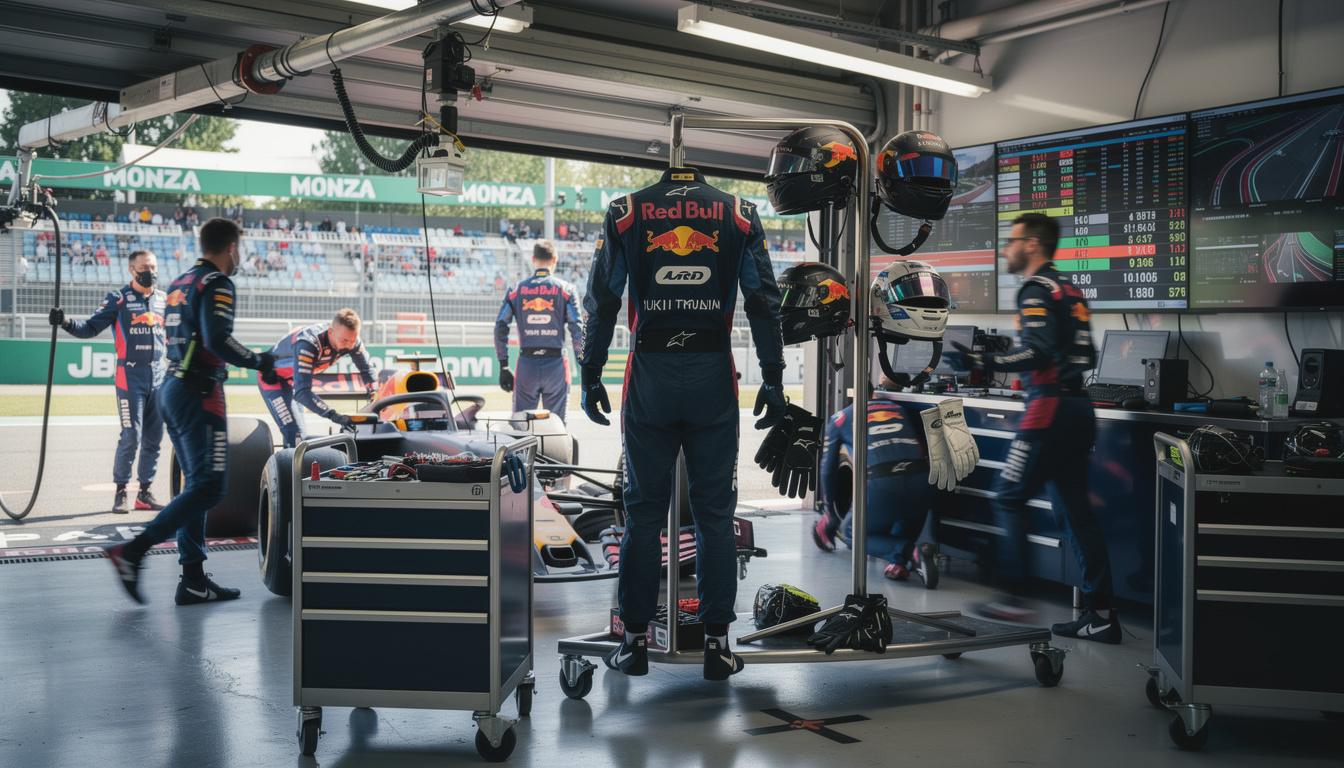

Racing Bulls navigate a turbulent driver shuffle mid-season. The team juggles talent amid injury chaos and strategic reshuffles. The 2026 Formula 1 grid feels the impact of this high-stakes adjustment.
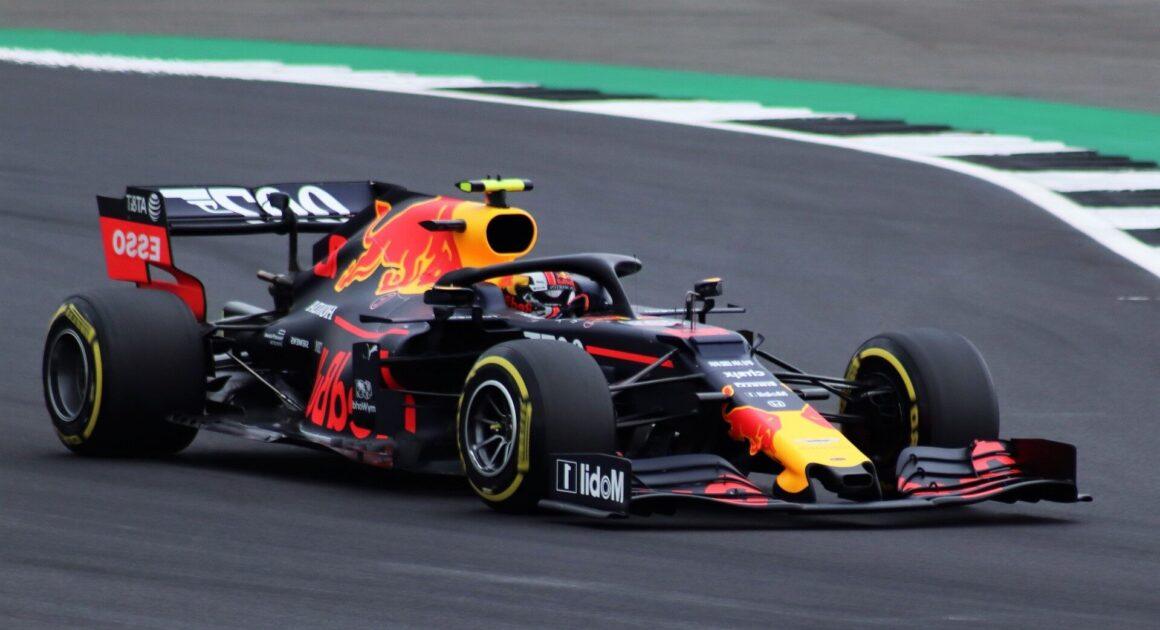
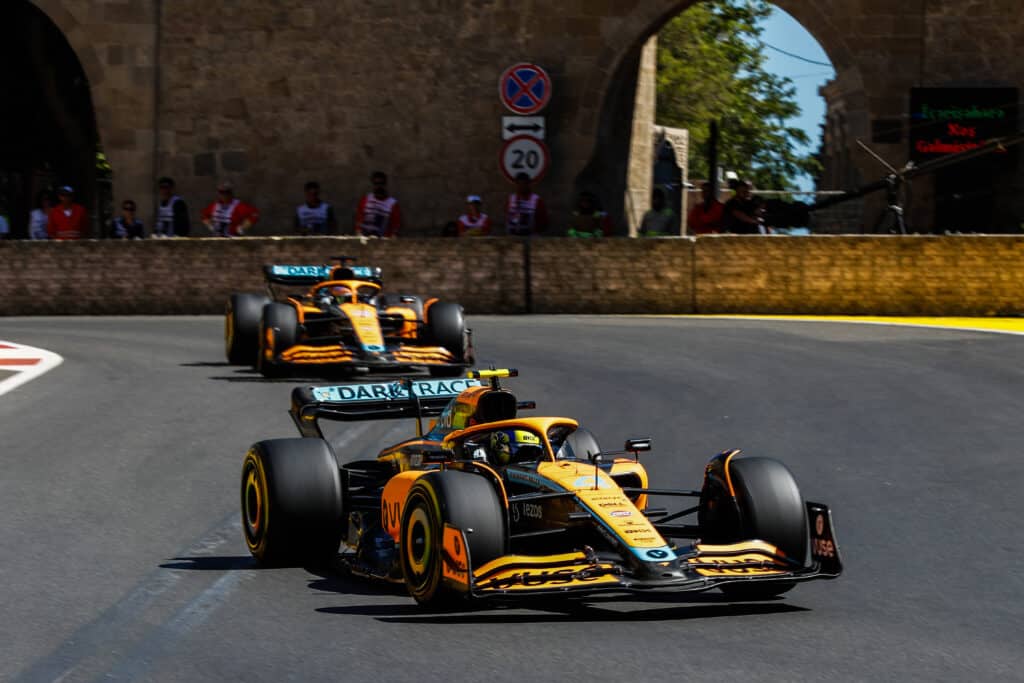
Racing Bulls confront a complicated driver switch triggered by Isack Hadjar’s wrist injury during the summer break, forcing him out for two key races. Liam Lawson, summoned from Racing Bulls to replace Hadjar at Red Bull Racing, steps back into the limelight driving the RB22. Meanwhile, Yuki Tsunoda, Red Bull’s reserve, claims Lawson’s Racing Bulls seat, amplifying the upheaval within the squad at a pivotal juncture of the season.
Racing Bulls handle disrupted line-up amid pressure
Team principal Alan Permane openly acknowledges the disruption is far from ideal. Despite smoother preparations the second time around, managing this twist remains a complex task. Permane revealed to Sky F1 that, while Lawson was ready to step up at Monza, the team had to swiftly activate contingency plans when Hadjar pushed for a comeback.
Lawson’s reintegration isn’t entirely seamless. The New Zealander expressed eagerness to return to his regular ride, but Permane reassures that “the seat is there, ready” for when Hadjar recovers. This delicate balancing act underscores the tension between driver readiness and team strategy during these less-than-ideal circumstances.
Lawson and Tsunoda: characters in a high-stakes swap
Lawson’s stint at Zandvoort illustrated his adaptability under pressure, finishing seventh despite a 10-second penalty and gathering six crucial points for Red Bull. His feedback on the RB22’s handling—particularly feeling higher downforce loads in high-speed corners—offers Racing Bulls valuable comparative insights.
Tsunoda’s ascendancy to Racing Bulls represents more than just a seat swap; it marks a crucial test of his potential in 2026’s unforgiving competition. His ability to sync with the Racing Bulls car dynamics amid the hectic shuffle will prove decisive for the team’s broader objectives this season.
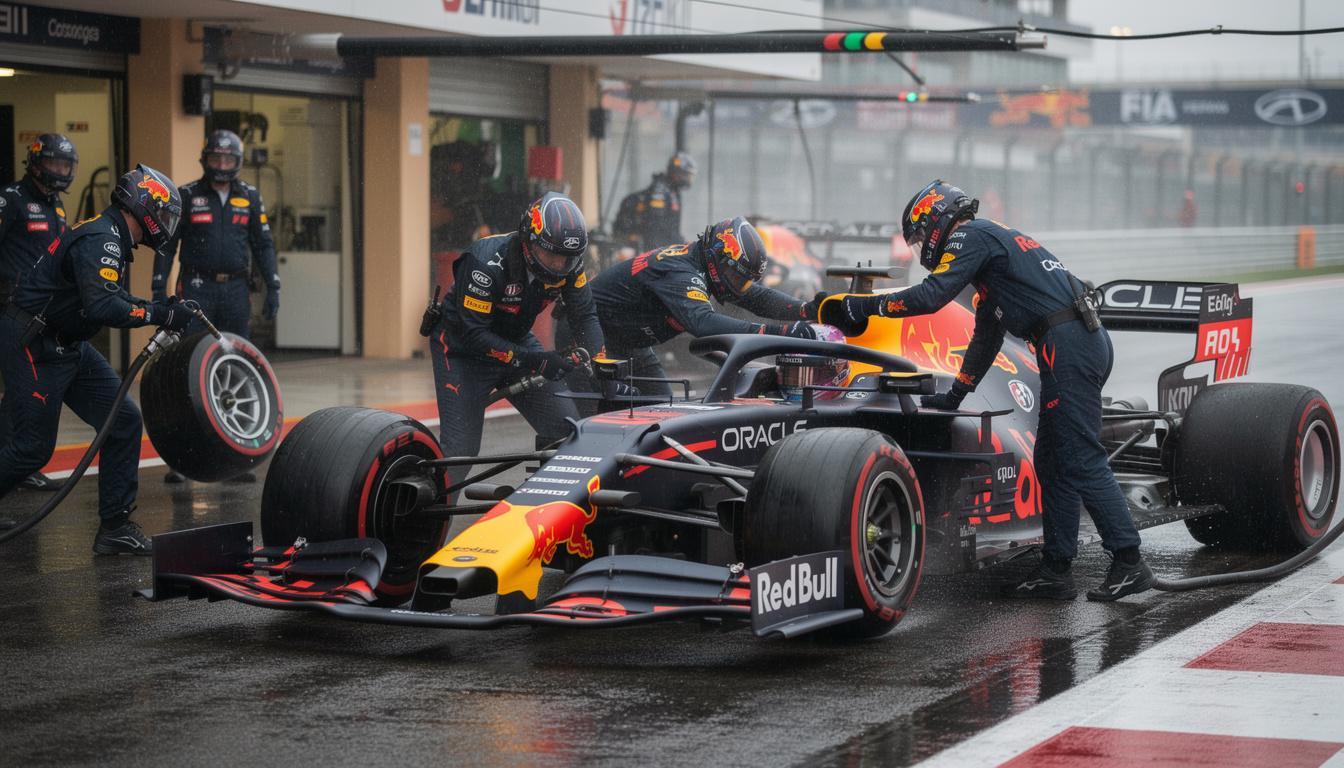
Technical ramifications of the swap
The contrasting feedback between the two sister teams’ cars exposes subtle yet vital engineering differences. Permane notes that Racing Bulls’ car offers easier management at lower speeds, especially out of medium corners, albeit with a trade-off in outright pace compared to Red Bull’s higher-downforce machine. These nuances will steer setup strategies as the championship progresses.
Simulated sessions ahead of the races, combined with rapid decision-making around flights and logistics, highlight how technical staff must stay agile in 2026’s fast-moving environment. This driver swap perfectly illustrates how “off-track” factors can directly influence race day performance and championship standings.
Racing Bulls’ 2026 outlook
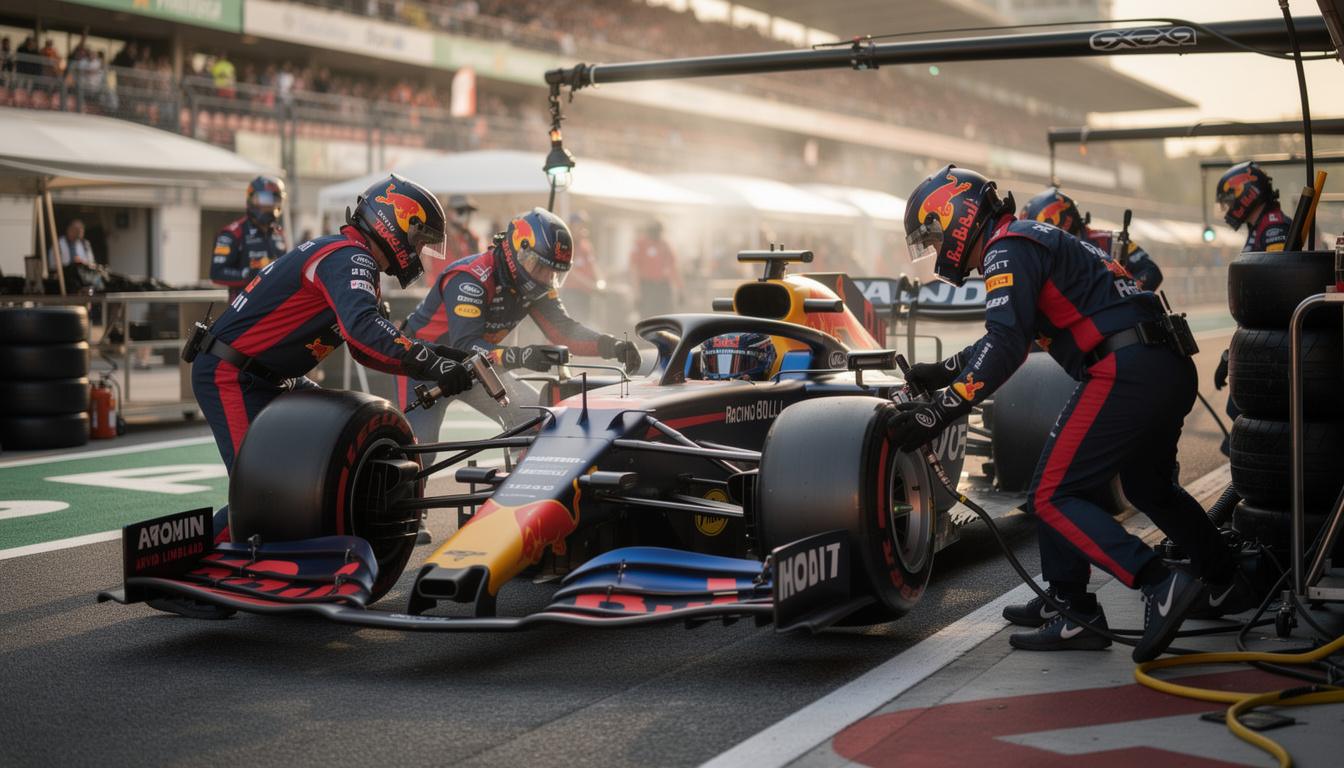
With the current shakeup, Racing Bulls face a crucial period in 2026 where team chemistry and driver confidence matter most. Rookie Arvid Lindblad shoulders more responsibility within this turbulent framework, necessitating rapid growth to sustain team momentum amid the reshuffle.
The ripple effects of this swap underscore the championship’s unpredictability. Racing Bulls must carefully navigate their driver lineup to maximise their 2026 campaign, especially with stiff competition and evolving regulations shaping the title fight. Fans can follow detailed analysis and updates only at LAS Motorsport and stay ahead with the latest F1 News.