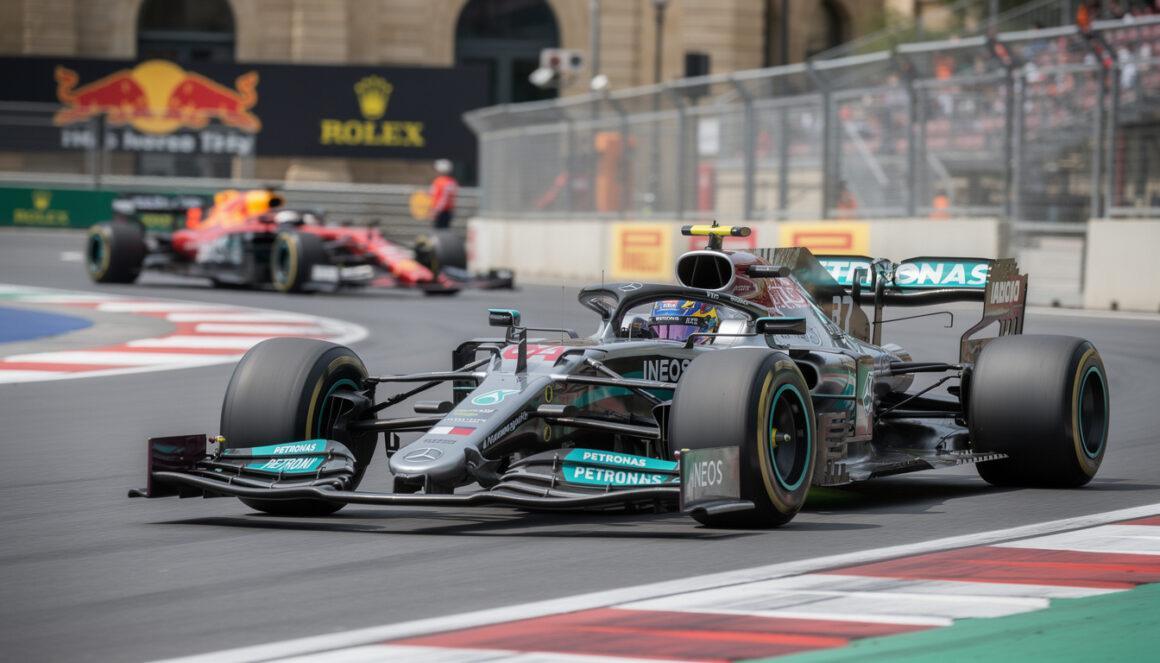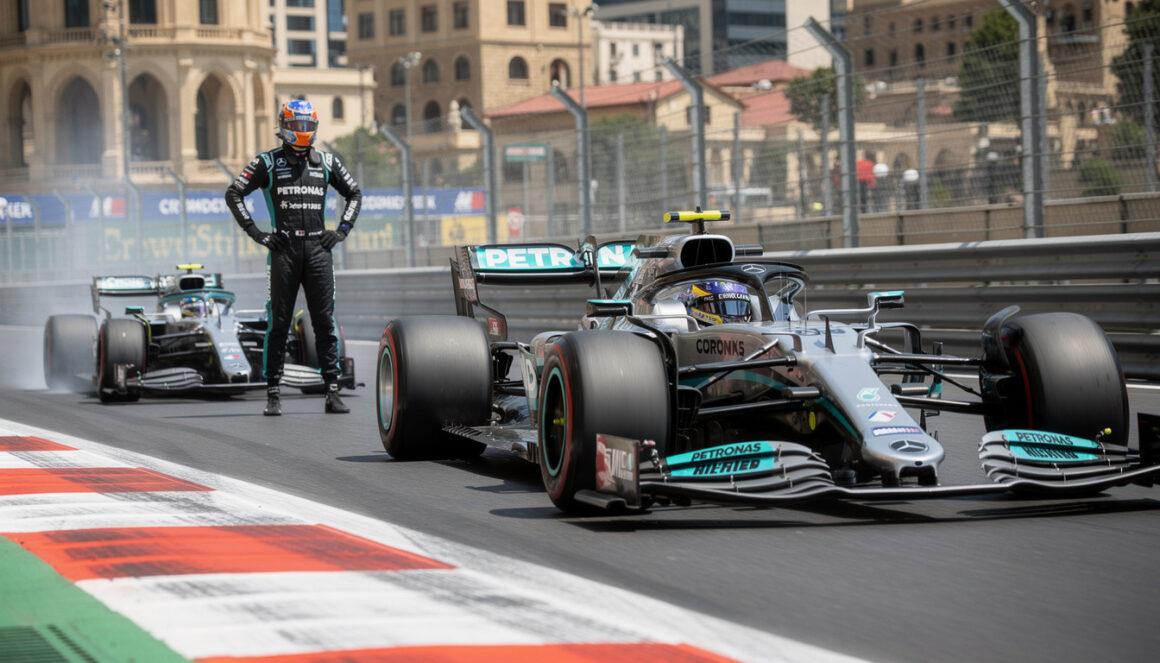
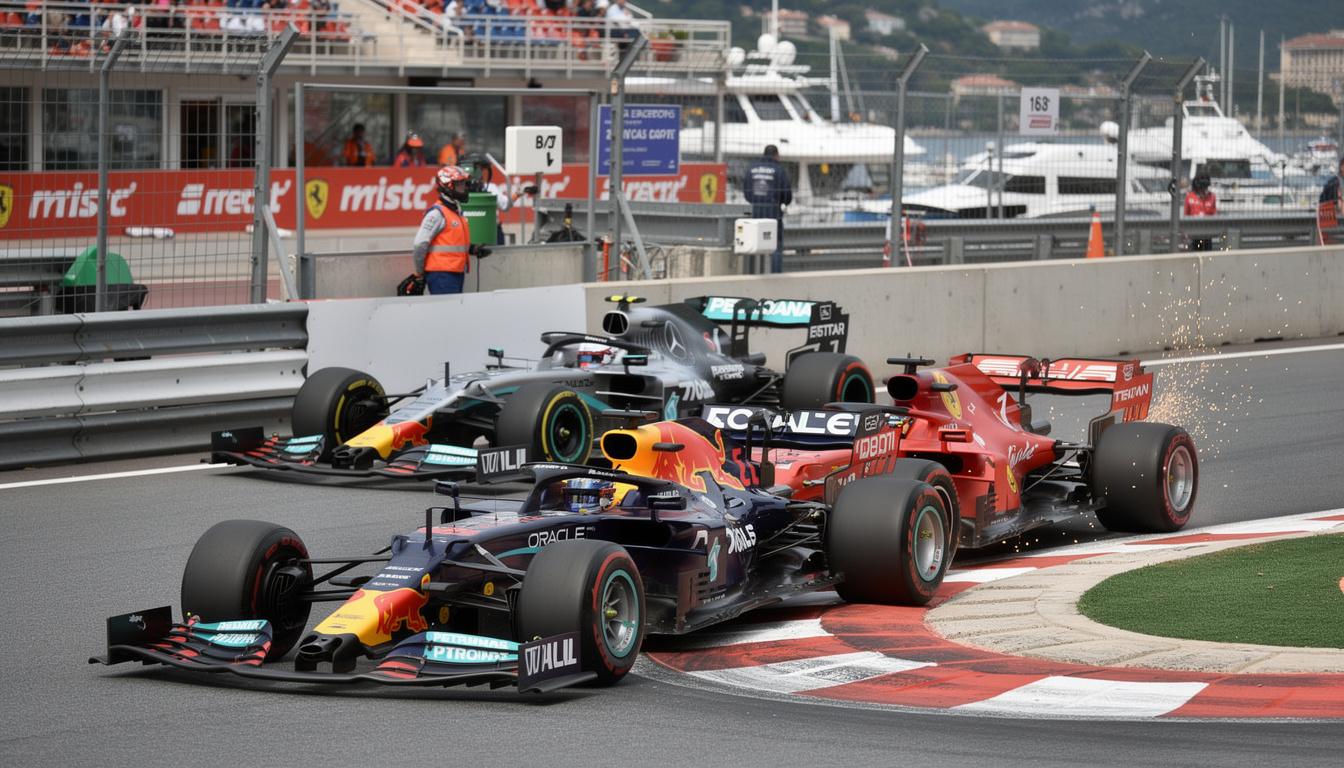

FIA cuts straight line mode from Monaco GP, shaking up race dynamics. Teams face fresh challenges without active aero assistance. Mercedes’ dominance now under fresh scrutiny as others eye a rare shot at victory.
The FIA has confirmed that the 2026 Monaco Grand Prix will run without the revolutionary F1 straight line mode, a decision prioritising safety on the tight street circuit. This means no active aerodynamic adjustments on the front and rear wings during straights—a stark contrast to the high-speed potential seen at other venues this season. With no DRS available either, overtaking will hence be more demanding than ever, forcing teams to rethink their race strategy in this iconic setting. The move levels the playing field in unpredictable ways, eroding the aerodynamic advantage previously held by Mercedes. As teams adapt, Monaco’s unique challenge could disrupt the established racing hierarchy.
Monaco GP’s unique format and its immediate on-track effects
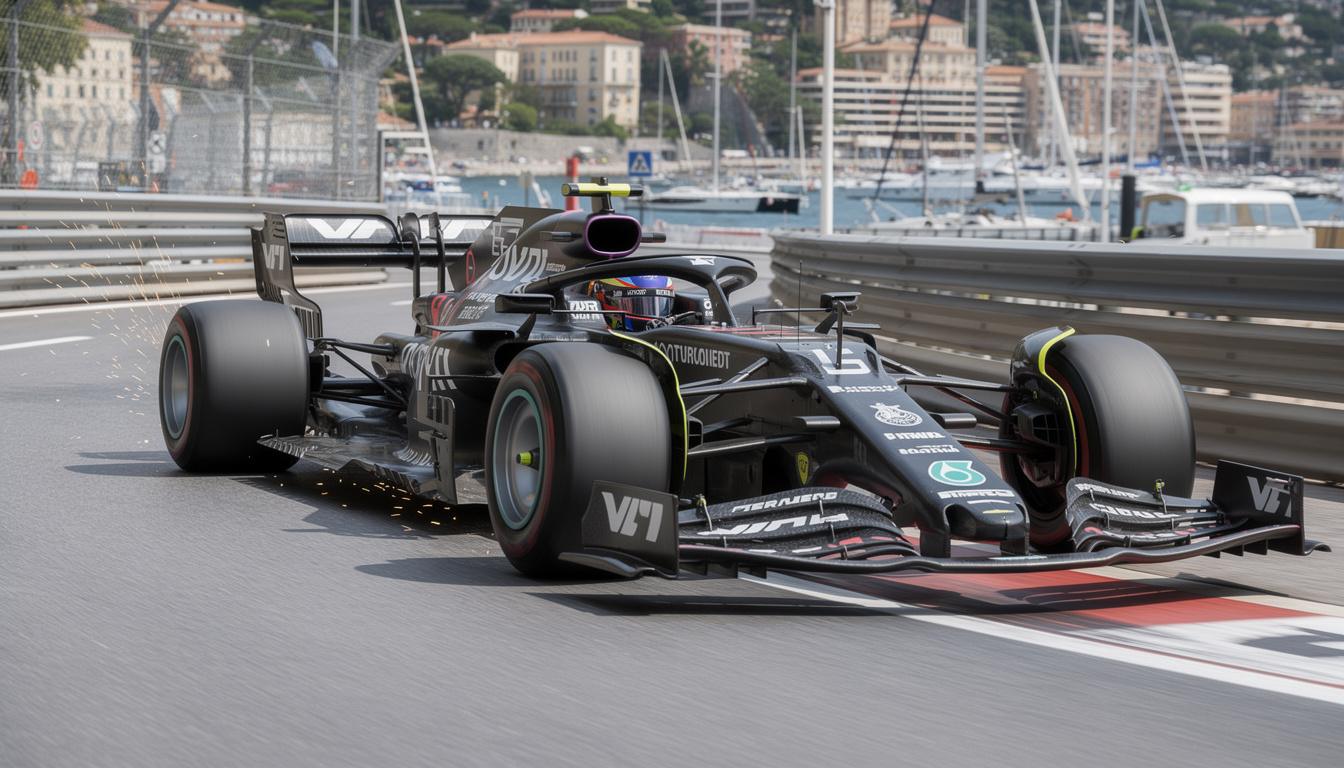
The FIA’s decision to forgo straight line mode here derives from concerns over safety at the Tunnel’s exit, where limited run-off areas heighten the risk at high speeds. The ground-effect reliance on reducing drag for maximum velocity down straights isn’t suitable for a track defined by narrow streets and tight corners. This alters the aerodynamic configuration fundamentally, compelling teams to run fixed-wing setups designed for maximum downforce rather than minimal drag.
This regulatory twist makes Monaco a standout race, stripping away key elements that have defined the early 2026 season. While traditionally a circuit where overtaking has been limited, the absence of DRS and active aero assistance further entrenches this challenge. Precision in qualifying and flawless race craft come to the fore, intensifying pressure on drivers and teams. This confines race crashes and errors to high impact moments, ramping up tension around pit stop strategies and tyre management especially given the new pitstop rules introduced this season.
How the absence of straight line mode reshapes team approaches
The straight line mode had allowed teams to dynamically shift wing angles, shedding drag and increasing top speed on straights, a significant aid for overtaking and defensive manoeuvres. Its removal means aerodynamic setups must focus exclusively on high downforce to maximise grip through slow and medium-speed corners, demanding fundamental adjustments from engineering teams. This especially benefits teams like Ferrari, whose SF-26 chassis boasts superior handling in low-speed corners, but suffers from lower high RPM power.
Mercedes’ W17 upgrade in Canada, aimed at enhancing downforce rather than outright straight-line speed, looks prescient now. Their clear superiority in early 2026 could face stronger challenges due to the aerodynamic lock on fixed wings at Monaco. Meanwhile, McLaren’s shorter wheelbase and agile chassis could unlock potential here, as the circuit rewards nimbleness over power. Teams may also deploy novel wing configurations specifically crafted for Monaco’s slow corners, although budget limits will restrain large-scale aero programmes.
What Monaco’s aero Freeze means for the Championship battle
The lack of straight line mode pushes strategic complexity to the fore for teams still scrambling behind Mercedes. Ferrari’s chassis-focused advantage puts them in a strong position to reclaim points and possibly hint at a challenge to the current racing hierarchy, especially with upgrades slated after Monaco. The principality’s emphasis on qualifying precision and track position could make or break championship hopes, rewarding teams that capitalise on flawless weekend execution.
With a narrower window for overtaking, drivers who excel in tyre preservation and race management stand to gain, pressing the importance of pitstops under the revised 2026 rules. Smooth traffic navigation in Monaco’s close quarters is another skill that could swing the championship momentum. As the season unfolds, this Monaco interlude is poised to test both machinery and team adaptability, forcing fresh calculations in race simulations and strategic calls. Fans can expect a thrilling mix of tactical chess and raw driving skill, highlighted on LAS Motorsport’s F1 analysis page.
For more on how teams are gearing up mid-season, including the strategic evolutions from McLaren, insights are available at LAS Motorsport’s McLaren news section. Staying ahead in this reshaped environment requires sharp analytics and adaptive race craft, elements that already separate frontrunners in 2026.