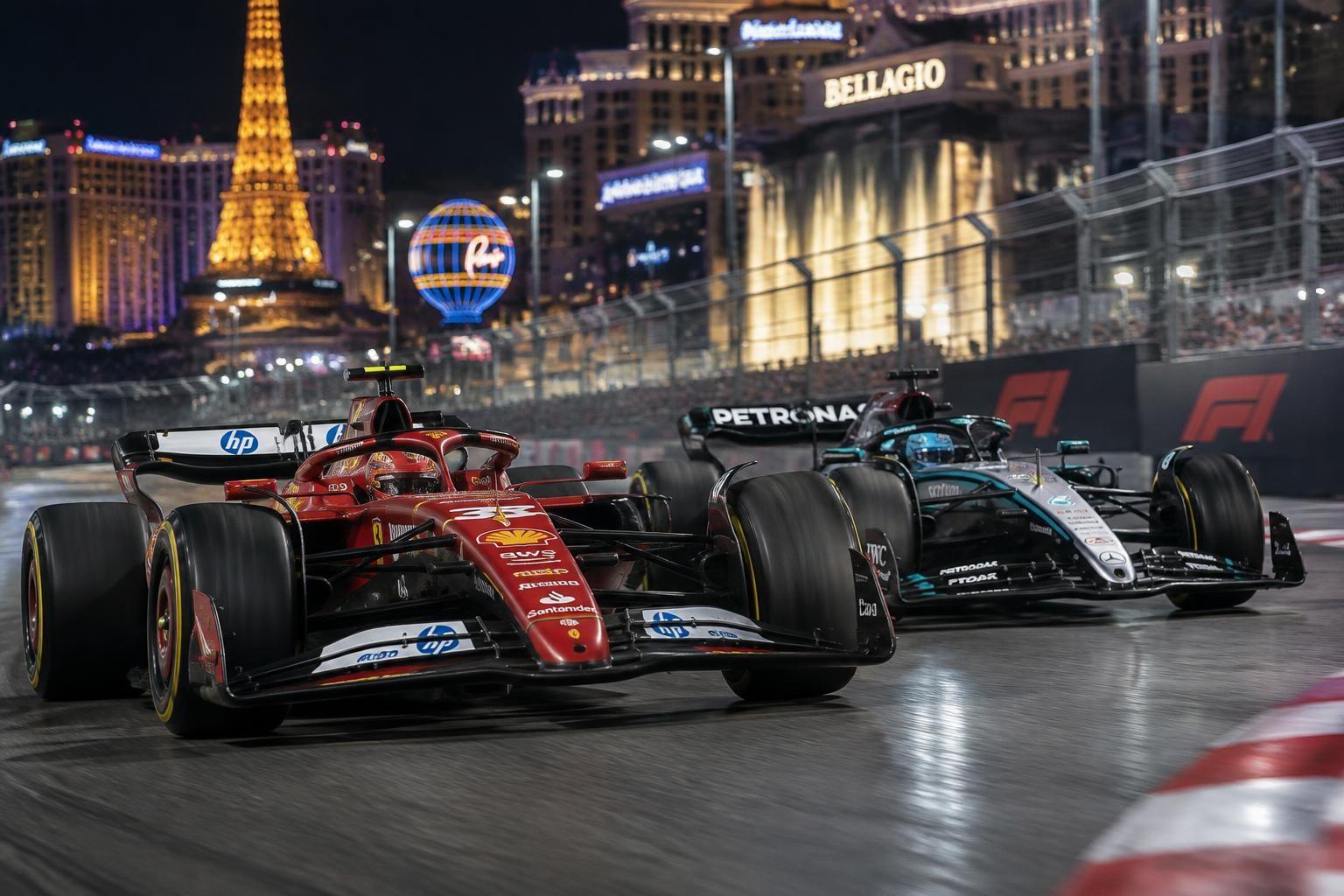

Las Vegas Grand Prix: A Race That Wouldn’t Sit Still. A Show That Split the Grid. Where Does the Spectacle End?
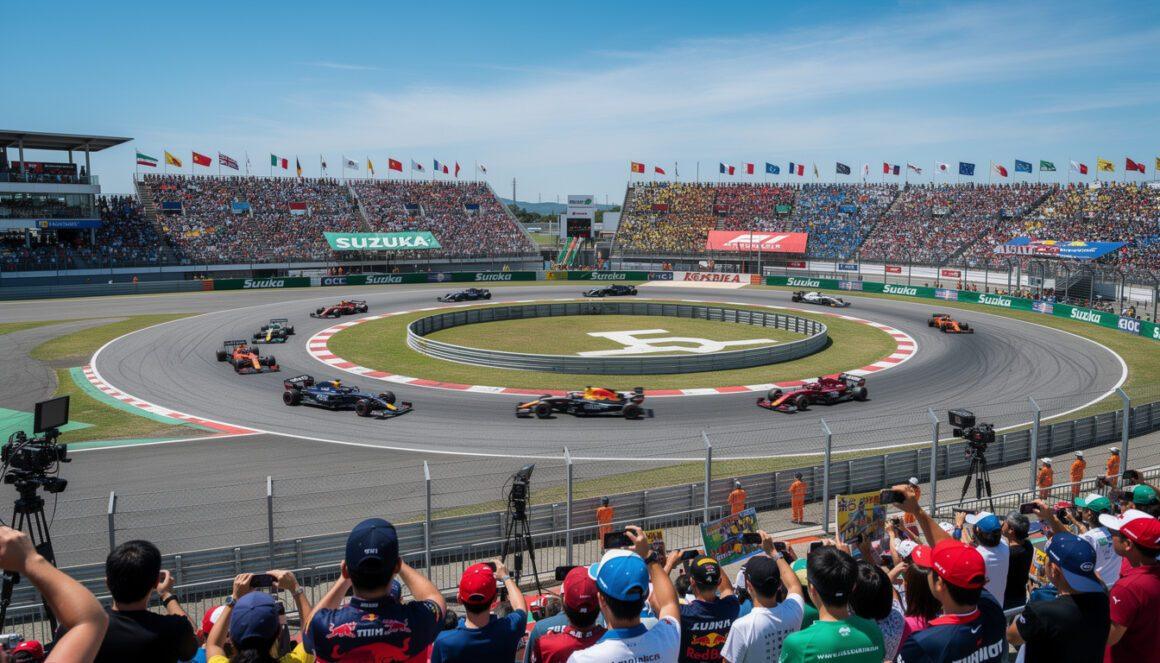
The Las Vegas Grand Prix delivered a night race built on constant reversals: Max Verstappen had to fend off challenges from George Russell, Kimi Antonelli and Lando Norris, while the order kept shifting behind them. The effect was immediate. At Turn 14, a driver could sweep past on the straight, only for the car behind to strike back on the exit and reclaim the place. For fans, that uncertainty made every lap feel live; for some drivers, it made passing feel like a move with a short expiry date.
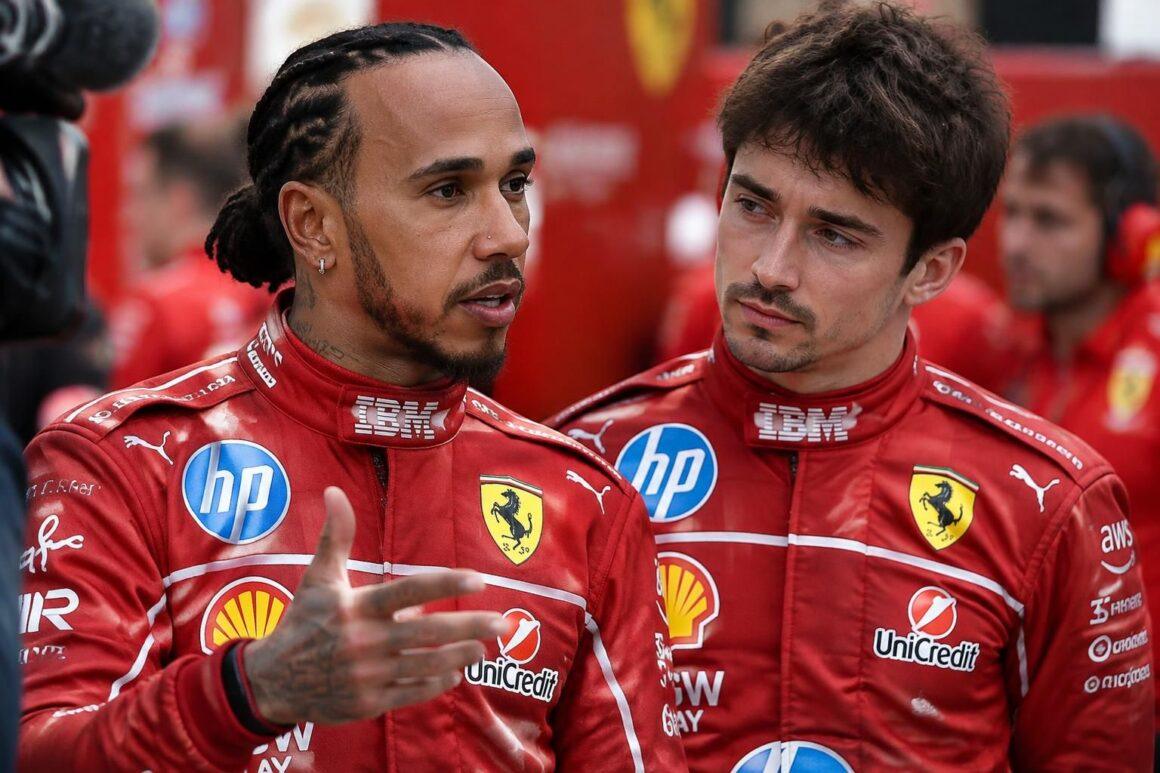
That tension sits at the heart of the debate over the race spectacle. Was this Formula 1 at its most watchable, or a street circuit where the slipstream mattered more than the cornering? Lewis Hamilton called it one of the most exciting races he had experienced, while Haas driver Oliver Bearman questioned whether the racing rewarded the pass itself. In Sin City, the show delivered noise and movement. The harder question is whether its artificial atmosphere helped the fan experience—or exposed a weakness in race quality.
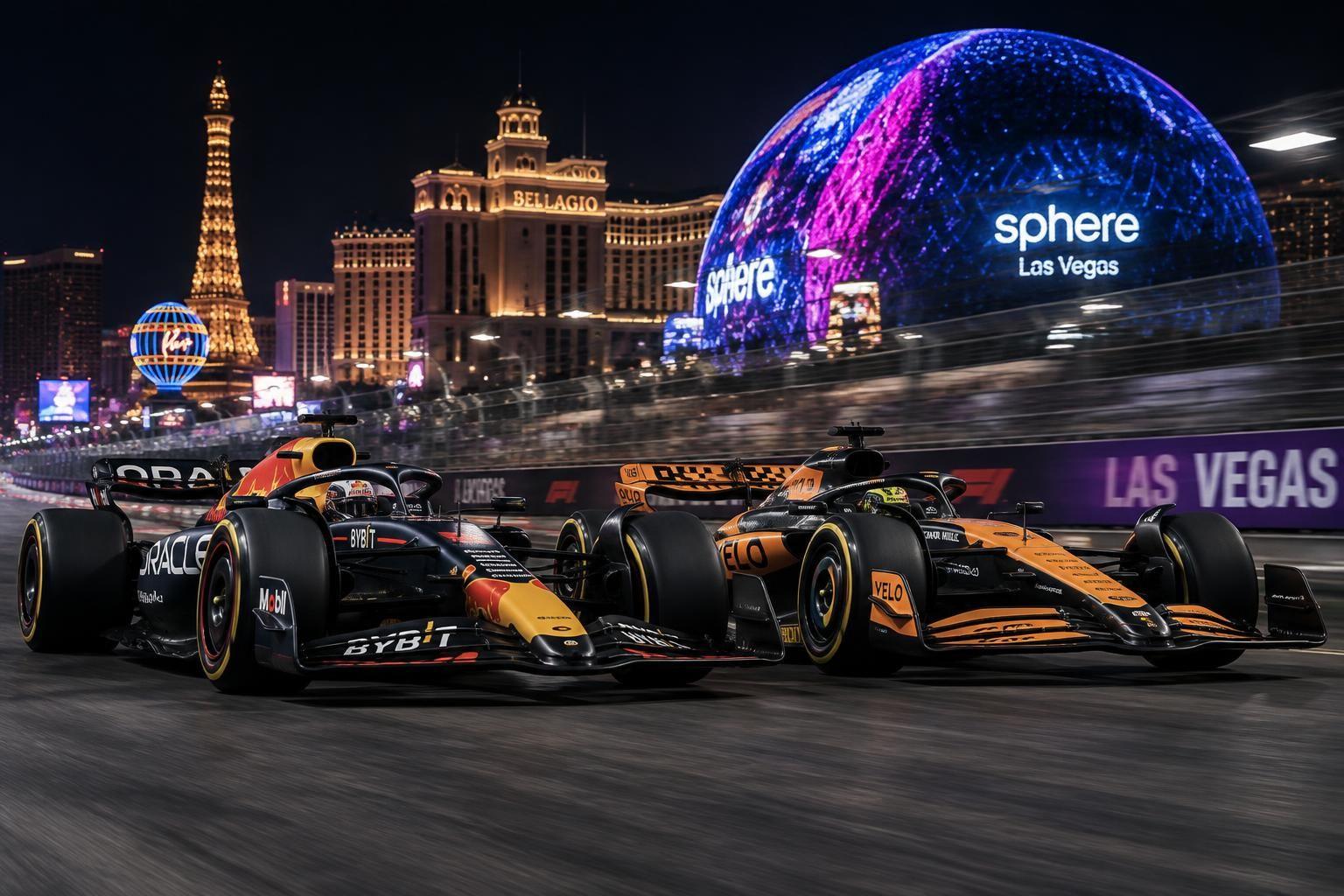
Las Vegas Grand Prix overtakes: Turn 14 kept the lead in motion
The long run to Turn 14 offered a clear recipe: catch the tow, use overtake mode, then attack under braking. It made gaining a position relatively straightforward, but holding it was another matter. A driver who moved ahead often surrendered the slipstream and invited an immediate counterattack; even a small gap could vanish before the next corner.
Hamilton said Ferrari lacked the straight-line speed of Mercedes and Red Bull, so he had to stay close enough to use the tow and press his available controls. Toto Wolff described the contest as entertaining and unlike a standard Grand Prix, with an oval-racing feel layered over modern F1. The spectacle also drew scrutiny: Norris questioned the headline overtaking count, underlining how a position change does not always mean a lasting pass.
The fight for track position also reflected the wider weekend, where Russell and other front-runners faced a circuit that magnified straight-line differences. For further context on Mercedes’ performance in Vegas, see the team’s weekend analysis. The numbers may count overtakes; the tow determined whether they stuck.
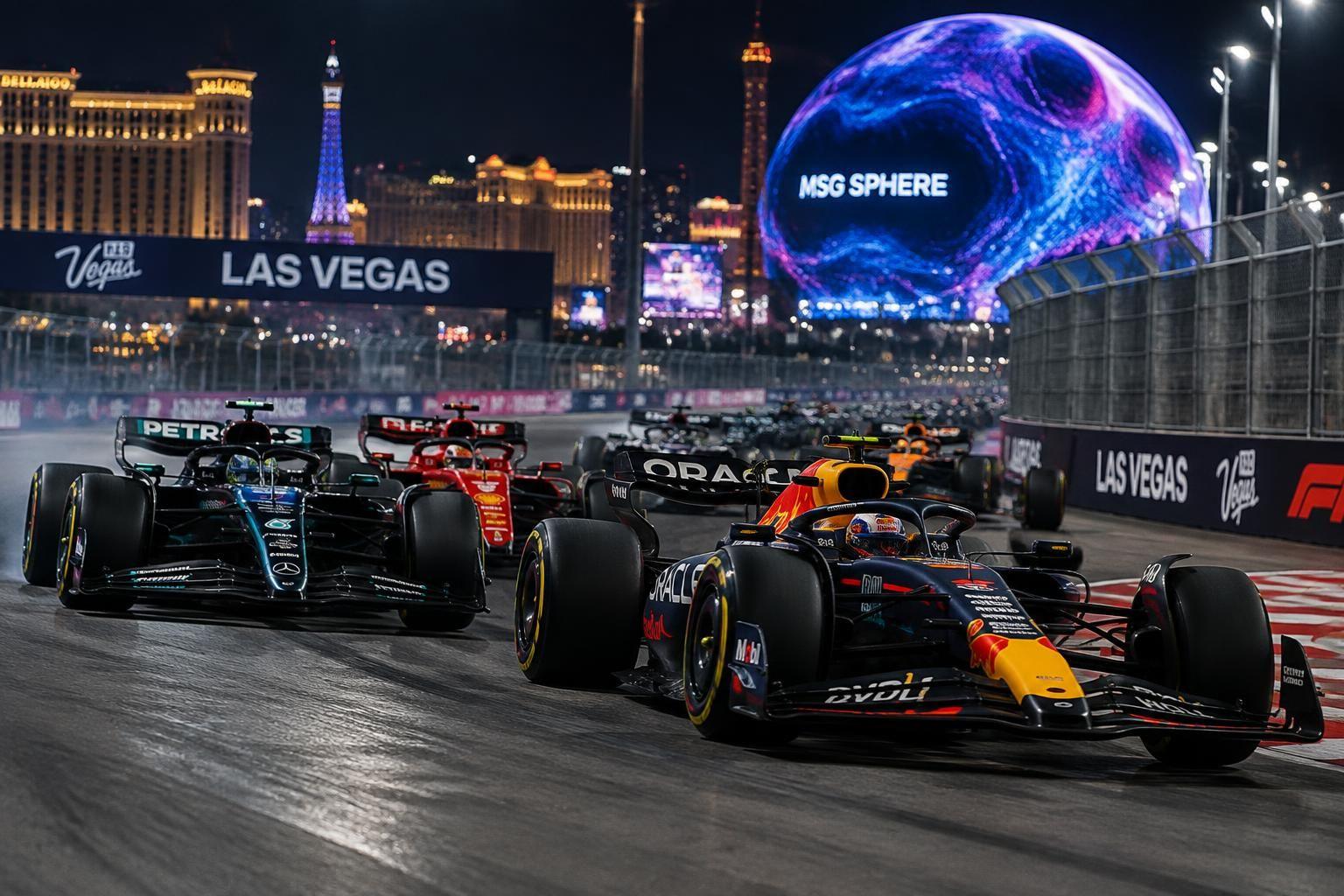
Slipstream strategy: exciting race spectacle or artificial atmosphere?
Bearman found the race fun, but said attacking could cost him time if he lost the tow and got passed again. While battling the two Audi cars, he sometimes chose to remain behind rather than risk a move that might leave him exposed. His group eventually lost touch with the top ten, showing how the same aerodynamic effect that created front-running drama could punish a pack once it lost the cars ahead.
That dynamic surprised teams: their simulations had suggested overtake mode would have only a modest effect, but the slipstream proved far stronger. Bearman also criticised qualifying, where drivers bunched together to secure a tow. The result was racing shaped not only by braking and tyre management, but by the timing of when to borrow clean air from a rival.
Pierre Gasly compared the tactics to the Tour de France peloton: save energy in the group, then spend it in a late push. He enjoyed the contest but did not want a full calendar of races built on that pattern. That distinction matters: a one-off change of rhythm can entertain, while repetition could make the sports entertainment feel engineered rather than earned.
The Las Vegas Grand Prix proved that a night race can turn a street circuit into a compelling arena, but its best moments came with a technical trade-off. Hamilton saw a great race; Bearman saw passes that could punish the passer. For Formula 1, the challenge is to keep the spectacle without letting the tow write the whole script.
Vegas’s place among F1’s most glamorous weekends lies in that unresolved tension: bright lights bring attention, but lasting race quality still depends on what happens when the cars leave the slipstream.