

Ferrari expects a major reset in Las Vegas. Thursday’s rain has clouded the picture. Friday will decide how much the team can recover.
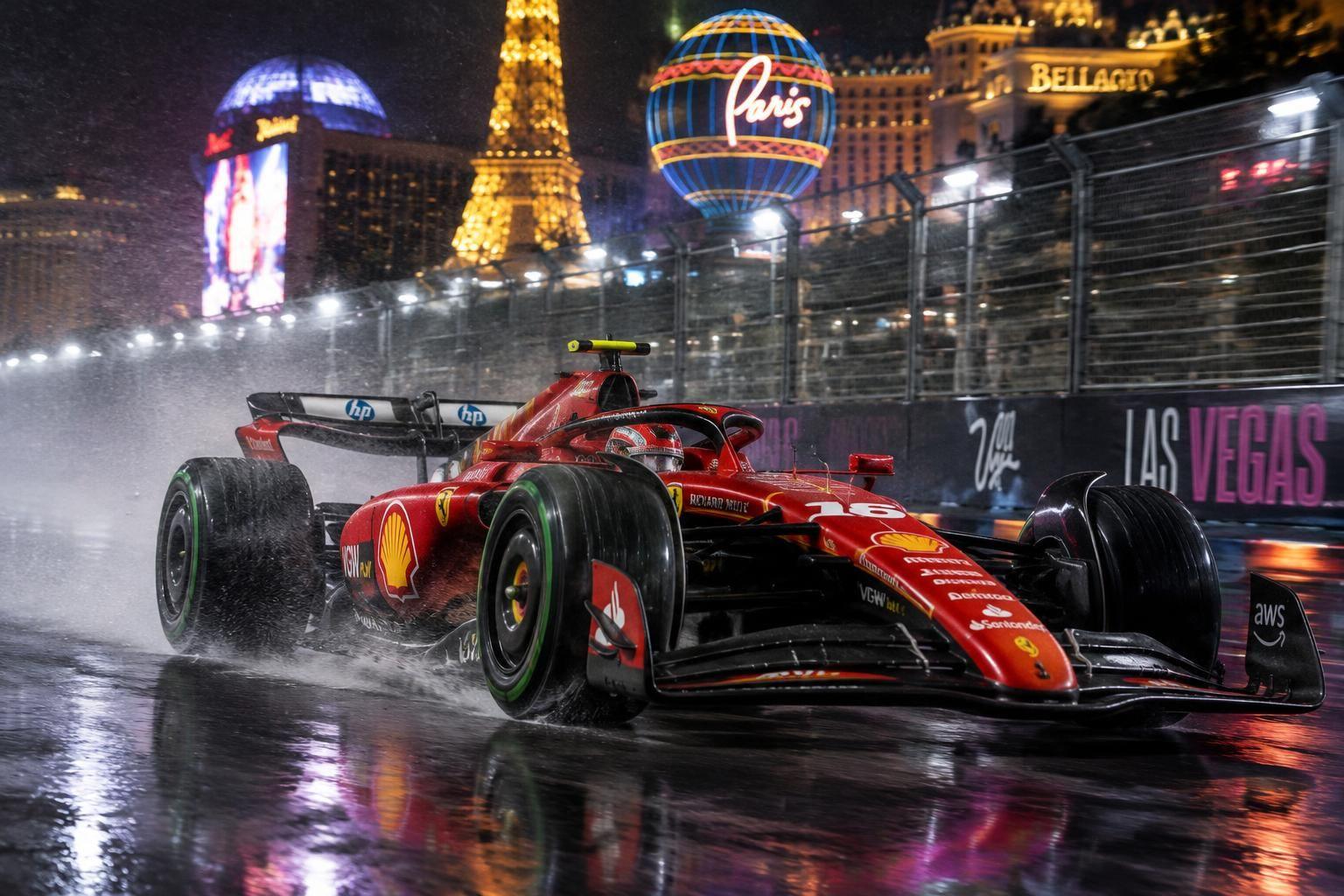
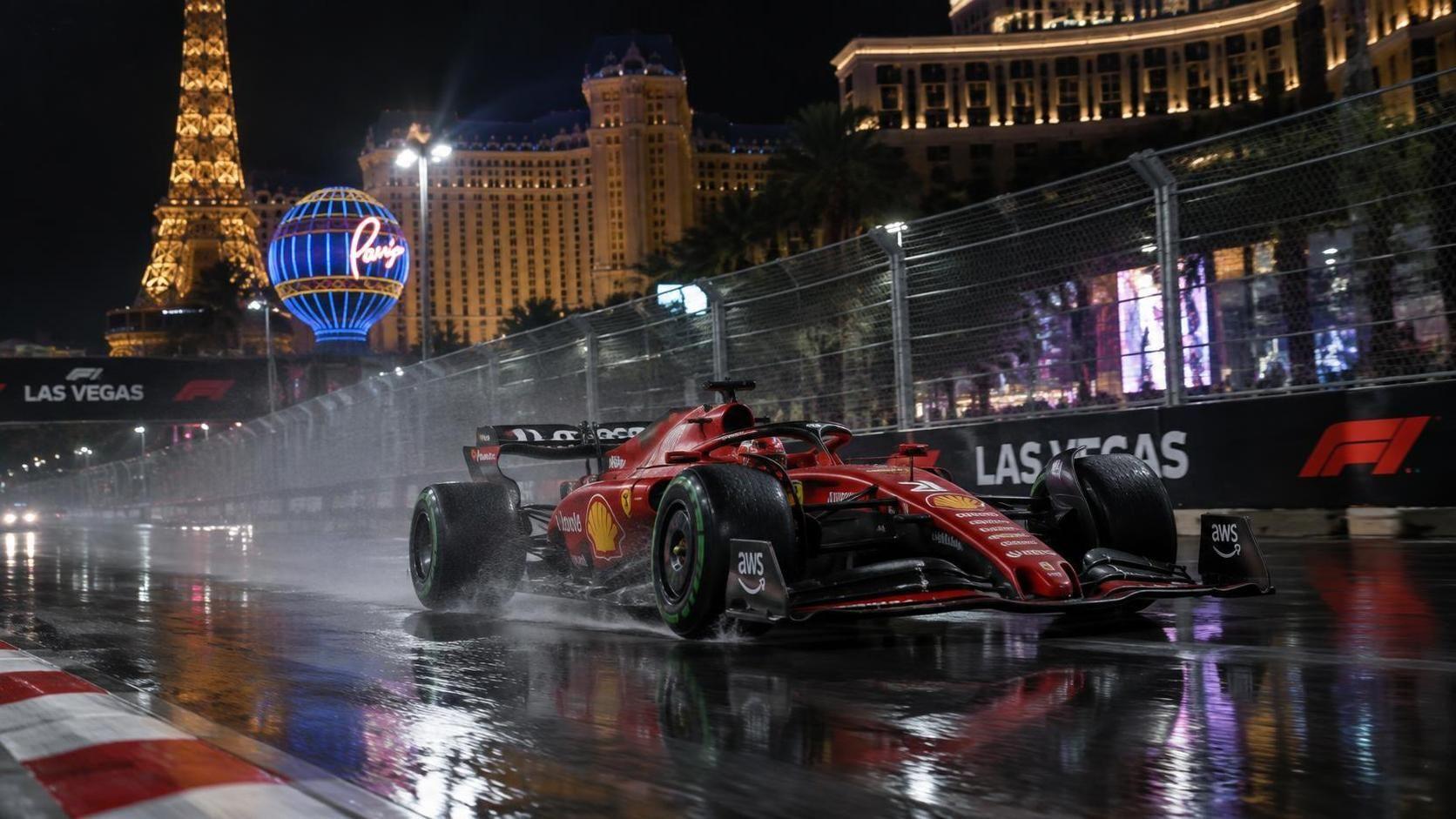
Ferrari left the opening day of the Las Vegas Grand Prix with little dependable information for the dry conditions expected across the rest of the weekend. Heavy rain wiped out meaningful running in FP1, then kept the field on wet and intermediate tyres for much of FP2. The mileage helped, but it could not answer the questions that matter most for qualifying preparation.
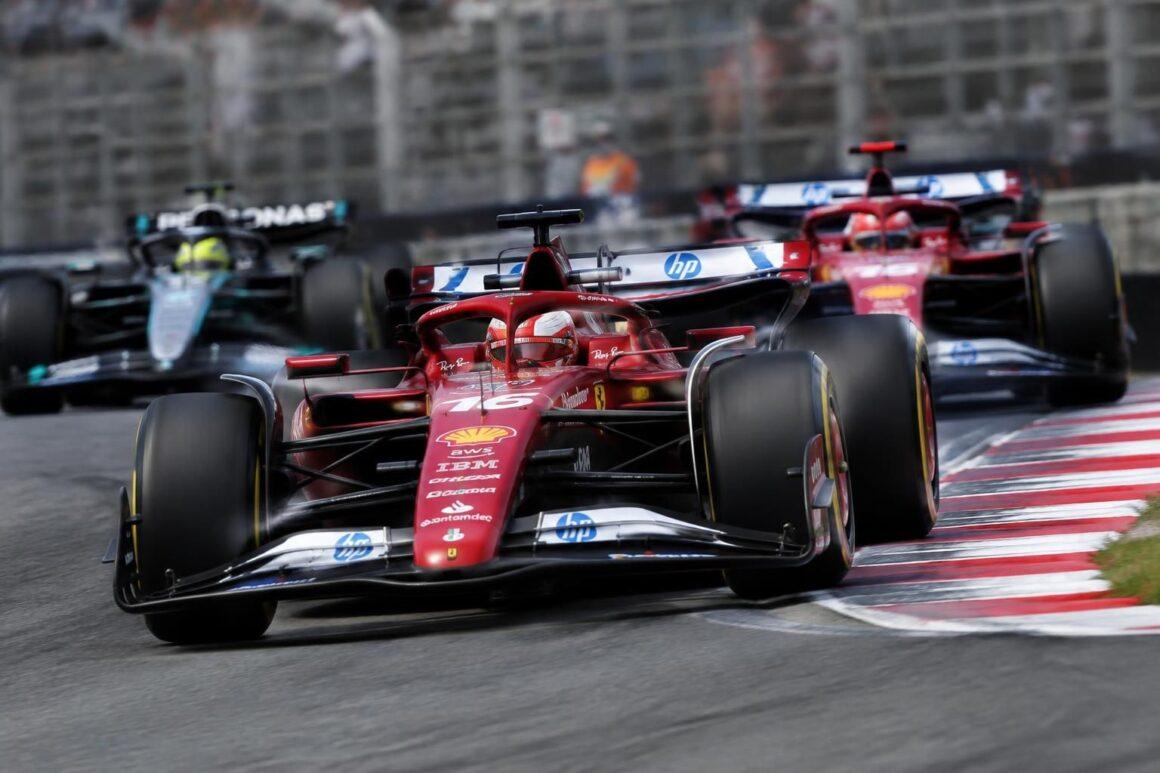
Deputy team principal Jerome D’Ambrosio called Friday a “reset”, with the team set to use the final practice session to reassess its approach. The practice setback leaves Ferrari weighing how much Thursday’s data says about car performance on a dry, cold street circuit. For the latest paddock developments, follow F1 News and the wider LAS Motorsport coverage.
Las Vegas practice setback leaves Ferrari with limited dry data
The first session delivered no lap times as rain battered the circuit, stripping Ferrari and its rivals of the baseline they normally use to judge balance and tyre behaviour. Conditions eased enough in FP2 for more cars to complete laps, but the running remained on wet tyres before drivers moved to intermediates. That was useful track time, not a reliable preview of a dry qualifying fight.
D’Ambrosio said the data from the second session might not carry over to Friday’s expected conditions. That distinction matters at a street venue where grip, temperature and the narrow racing line can shift quickly; a setup that works in the wet may leave a car short of confidence once the surface dries. The team’s immediate task is to separate useful observations from noise.
Cold track conditions shape Ferrari’s tyre strategy
As the rain eased late in FP2, a visible dry line tempted teams to consider slick tyres. Ferrari judged the switch too risky: several corners still looked unsuitable, while the cold surface would make it difficult to bring slicks into their operating window. A late-session gamble might have offered a brief glimpse of dry grip, but a loss of control or confidence would have cost more than it returned.
The choice reflects a practical team strategy rather than a lack of ambition. With no representative dry running, drivers could not confidently assess tyre warm-up, braking stability or how the car would respond through the circuit’s slow turns. Ferrari has faced scrutiny over wet-weather calls before, including this account of a costly rain gamble; in Las Vegas, D’Ambrosio’s message was that the risk did not stack up.
Friday reset raises the stakes for qualifying preparation
Dry weather would make FP3 the first meaningful chance for Ferrari to tune the car for qualifying and the race. Engineers must quickly assess balance, tyre preparation and whether the setup can deliver grip without sacrificing stability over a longer run. The session will not erase Thursday’s disruption, but it can establish a more relevant performance picture.
That compressed learning window may also reshuffle the order across the Formula One field. A team that reads the surface and gets its tyres working early could gain an edge before qualifying, while Thursday’s wet pace offers little guarantee of dry-speed strength. For Ferrari, the immediate measure of progress is clear: turn the reset into useful qualifying preparation, then see whether the race forecast and actual track conditions align with the choices made.