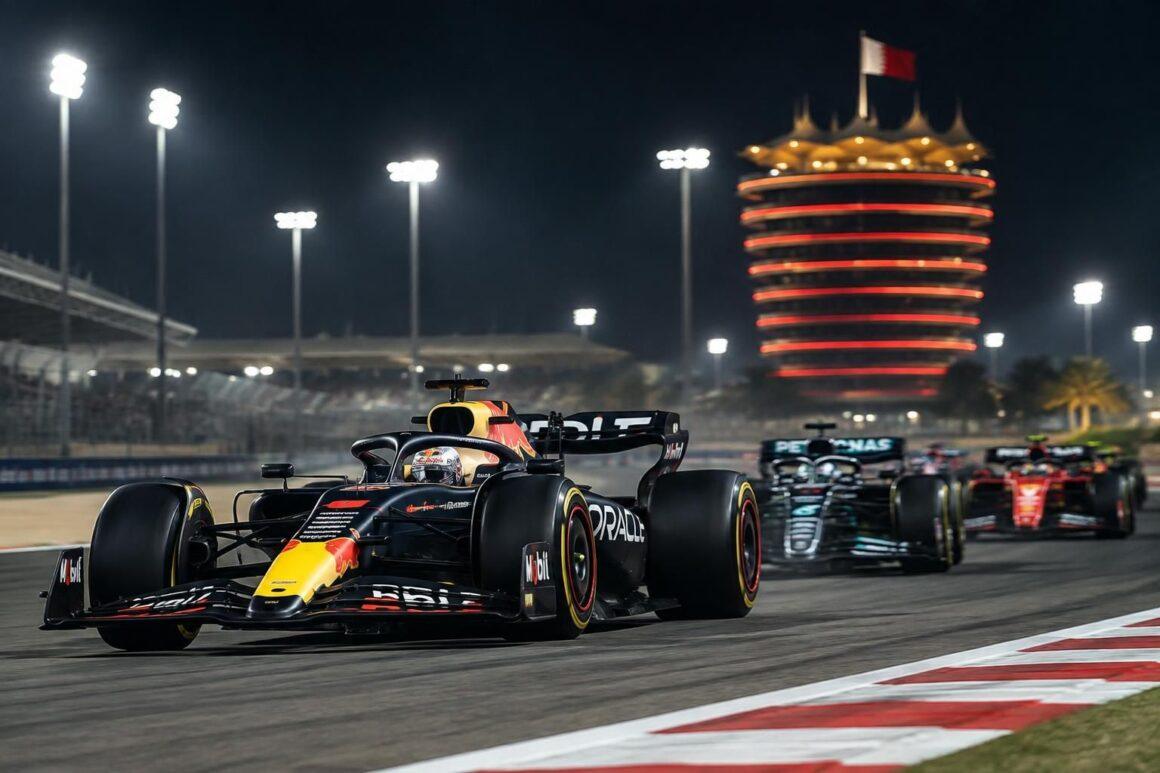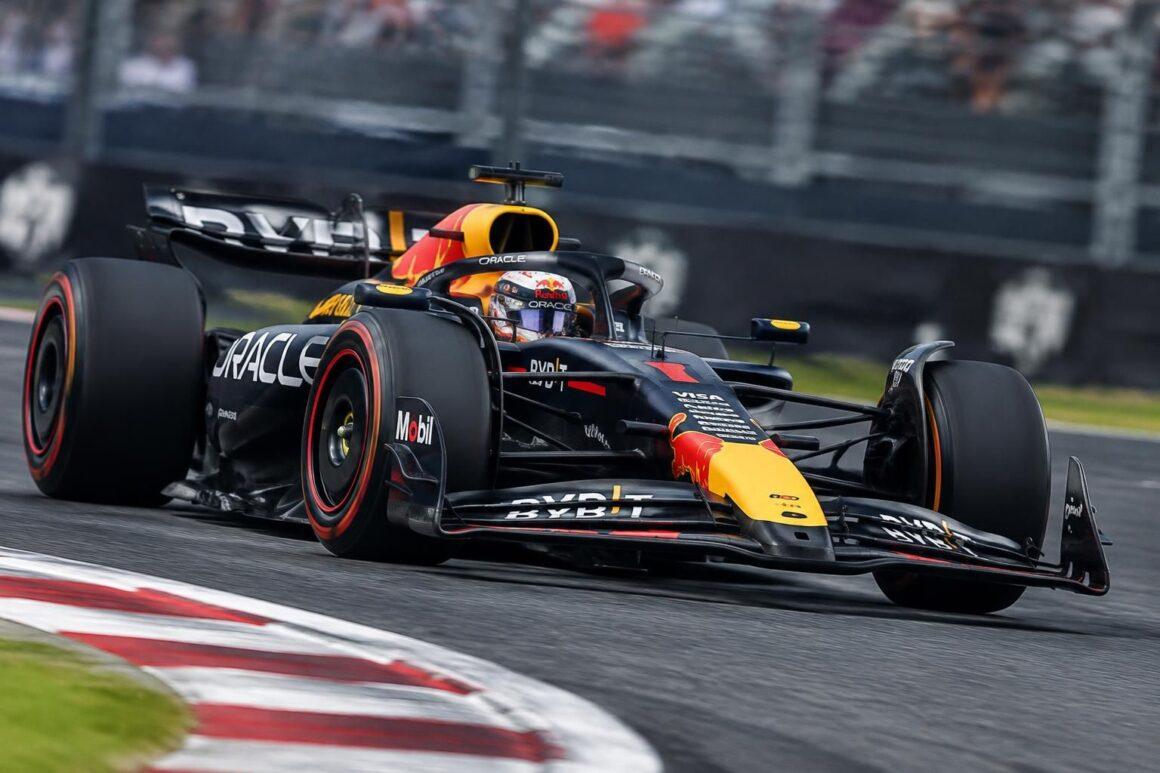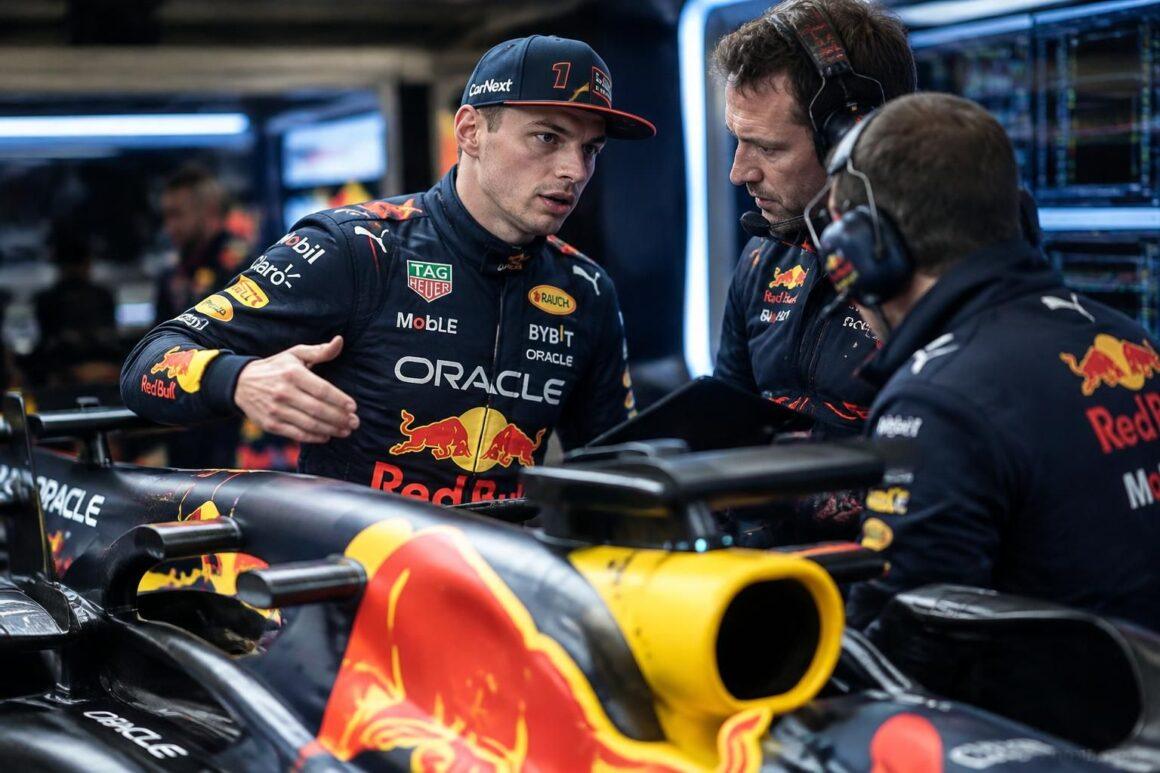
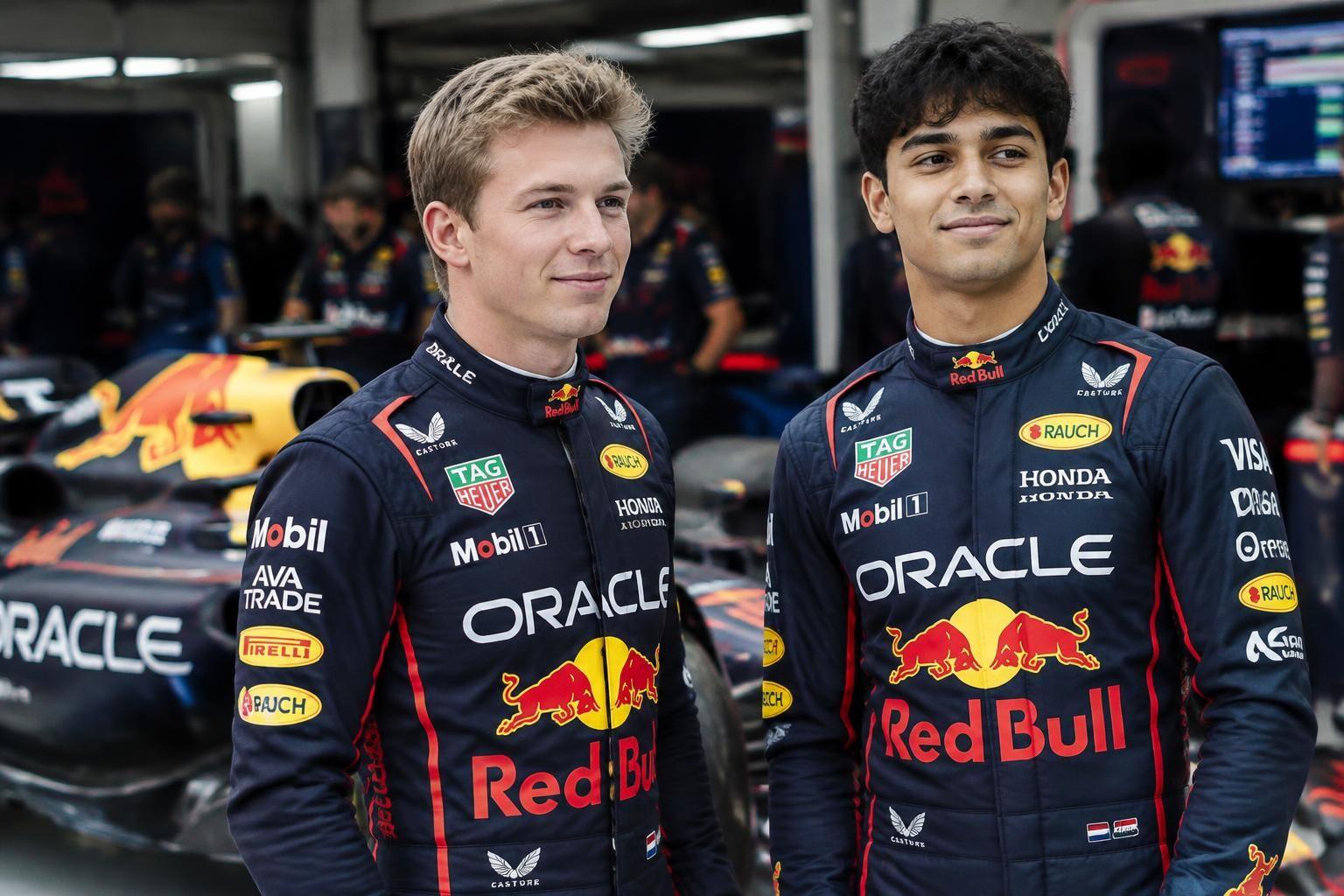

Racing Bulls name Lawson and Lindblad for 2027. A new pairing takes shape. The next test starts now.
Racing Bulls have confirmed Liam Lawson and Arvid Lindblad as their driver pairing for the 2027 F1 season, putting experience and emerging talent at the centre of the team’s next chapter. The announcement settles a major piece of the driver market well ahead of the campaign.
For Lawson, the seat offers a platform to build on his Formula 1 experience. For Lindblad, the promotion marks a significant step into the sport’s toughest arena. The decision gives the team a defined F1 driver lineup, even as the technical and competitive picture continues to shift. You can follow more paddock developments through F1 News and the wider LAS Motorsport coverage.

Racing Bulls’ 2027 driver pairing: Lawson brings experience
Lawson gives the team a known quantity at the wheel: a driver who has already faced the pressure of Formula 1 weekends, where practice time is scarce and every qualifying lap carries weight. That experience can help Racing Bulls assess the car’s behaviour across different circuits and give engineers a steadier reference point.
The benefit is not simply a tally of race starts. An established driver can describe how a car responds under braking, through corner entry and as tyre grip falls away over a stint. Those details help translate lap times into development priorities, a useful edge when a midfield team must make each upgrade count.
That role will matter as Formula 1 continues adapting to the rules introduced for 2026. The 2027 season should reward teams that understand their package quickly, and Lawson’s feedback will give Racing Bulls a reference against which to measure progress. The pairing’s value starts in the garage as much as on the timing screen.
Arvid Lindblad’s promotion puts the spotlight on development
Lindblad arrives with the attention that follows any young driver promoted to Formula 1, but the announcement itself does not reveal the terms of his deal or the precise route he will take into the seat. What it does confirm is the team’s choice to back his potential alongside Lawson’s experience.
The transition will test more than outright speed. A new F1 driver must learn complex procedures, manage tyre behaviour over long runs and deliver clear technical feedback while working through a packed race weekend. For Lindblad, adapting quickly will be the first measure; matching the team’s targets over a full season will be the harder one.

What the Racing Bulls announcement means for 2027
Settling the driver pairing early gives Racing Bulls a clearer planning window. The team can shape simulator work, preparation and development discussions around two named drivers instead of carrying an open seat through the driver market. That clarity matters when rivals are also building their plans for the next campaign.
It also creates a direct comparison inside the team: Lawson must convert experience into consistent performance, while Lindblad will need to turn promise into points and dependable feedback. Their contrasting stages of development could sharpen the operation, provided both drivers get the support and equipment to show their pace.
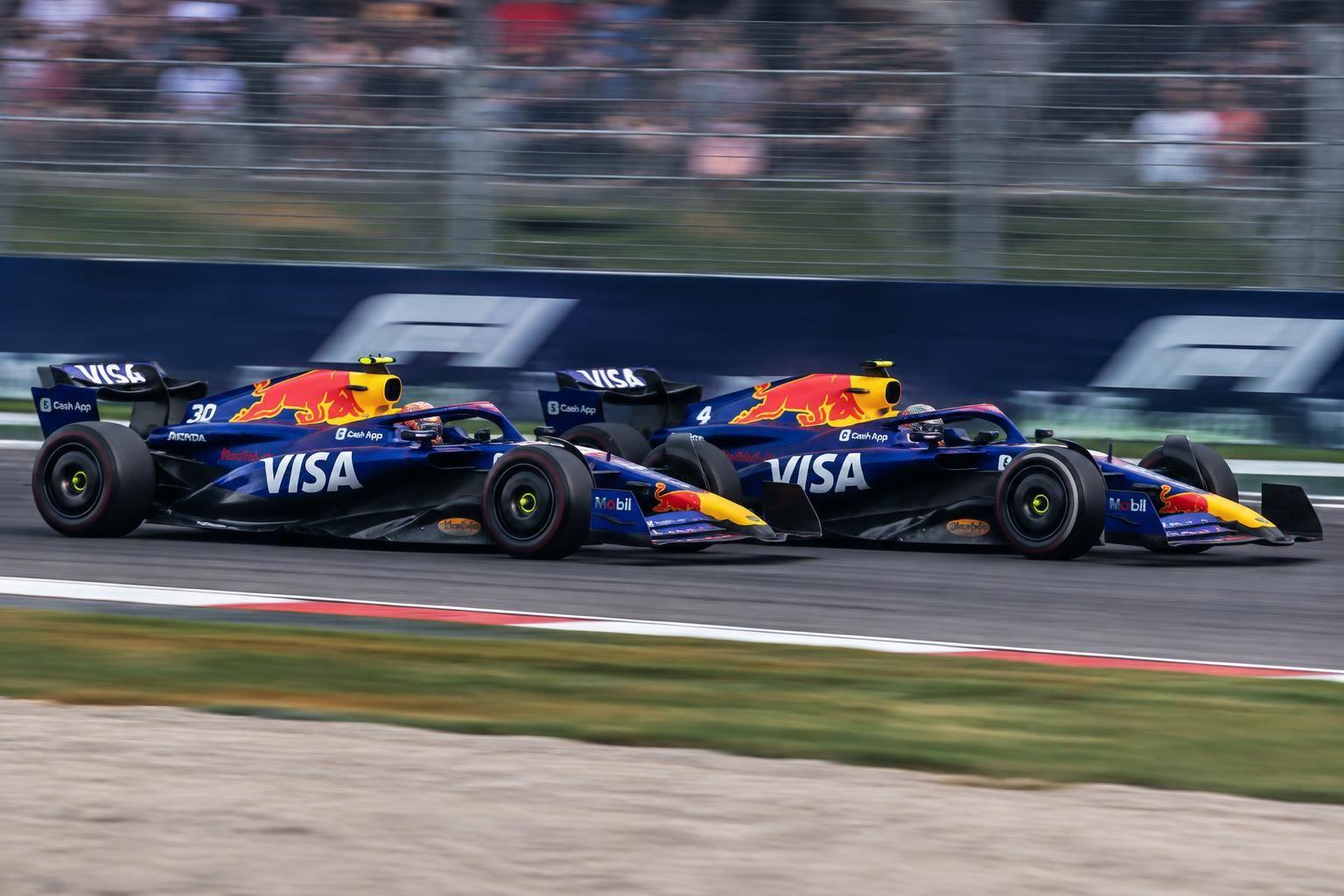
For the wider motorsport audience, this team announcement closes one question and opens another: how quickly can the two drivers make the package work? The answer will emerge through qualifying gaps, race execution and the data gathered across the season. Racing Bulls have made their choice; now Lawson and Lindblad have to make the pairing deliver.