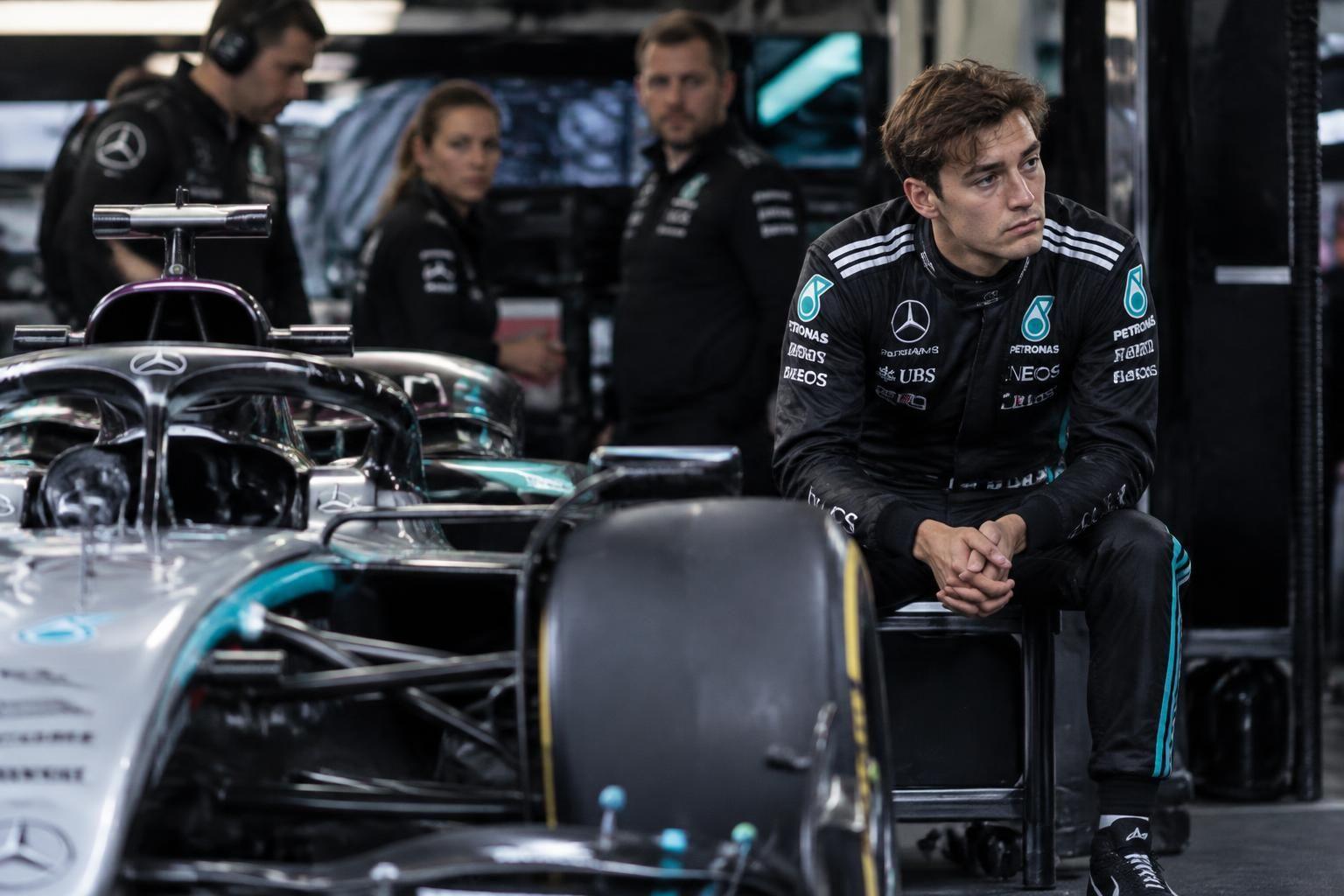

‘Broken’ George Russell misses FIA media duties. Martin Brundle backs the Mercedes driver. A €5,000 fine keeps the F1 controversy alive.
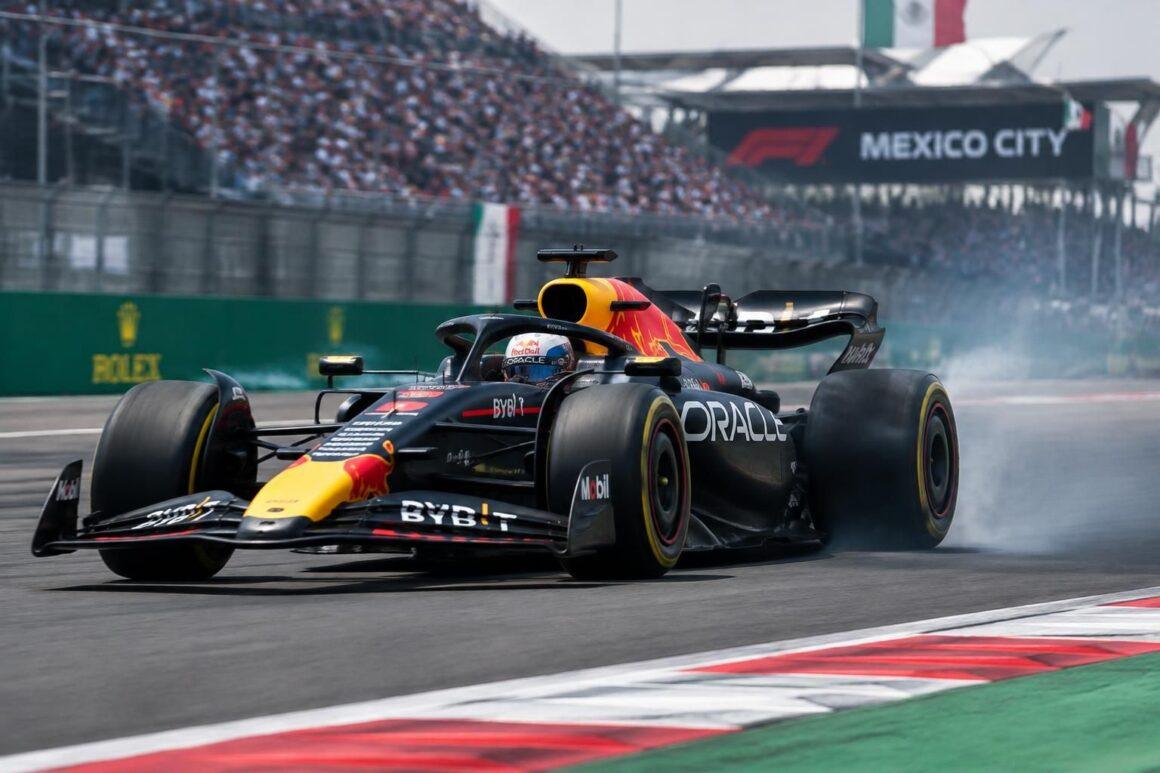
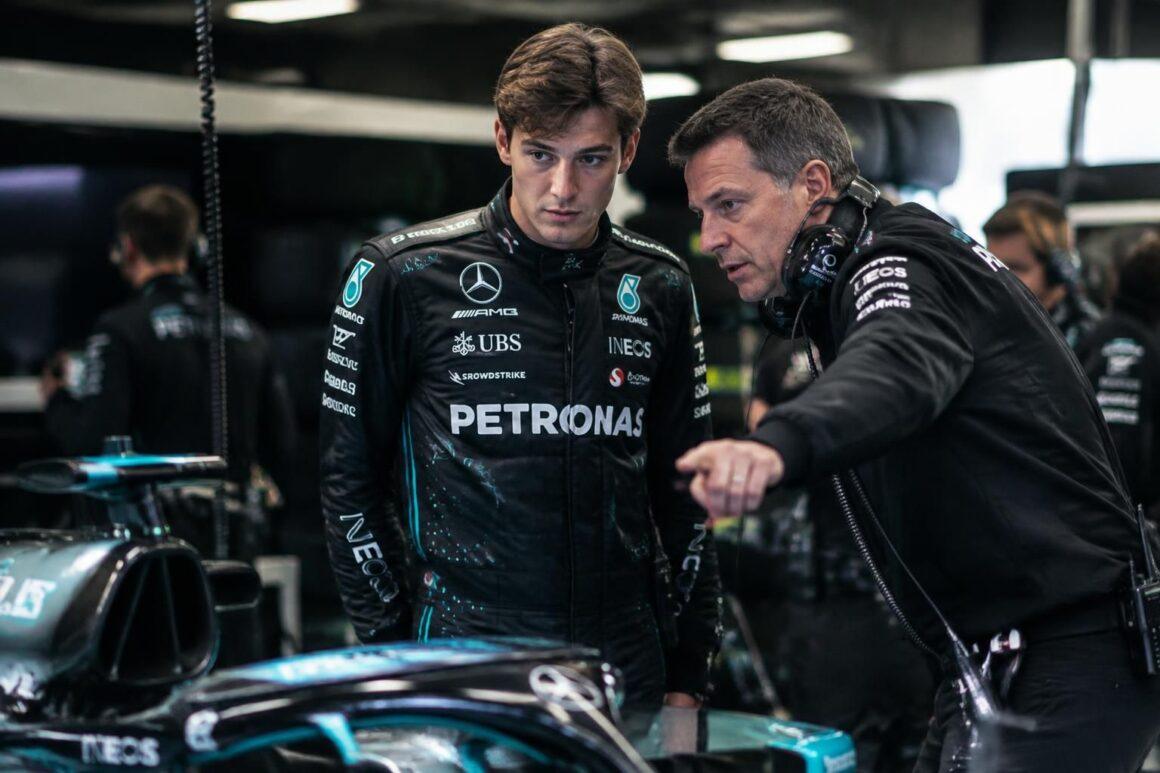
George Russell left the Autódromo Hermanos Rodríguez without attending the post-race media pen after Kimi Antonelli secured the Formula 1 drivers’ championship. The unauthorized absence triggered a €5,000 fine for Mercedes, but brought sympathy from former driver and broadcaster Martin Brundle. Russell had already congratulated Antonelli and his family beneath the podium before leaving the circuit.
The moment landed hard: Russell, once the overwhelming title favourite, has slipped to fourth in the standings while his team-mate claimed the crown. Brundle described him as “broken” and argued the driver absence came at his lowest point, prompting a wider debate over access, accountability and whether the fan reaction has tipped into overreaction.
Why Martin Brundle backed George Russell’s unauthorized absence
Brundle said he did not blame Russell for skipping the cameras immediately after the race. Formula 1 gives broadcasters and reporters unusually close access to drivers, he noted, but questions about a painful defeat can feel relentless when the result has only just sunk in. The former racer saw the request to explain himself as a step too far in that moment.
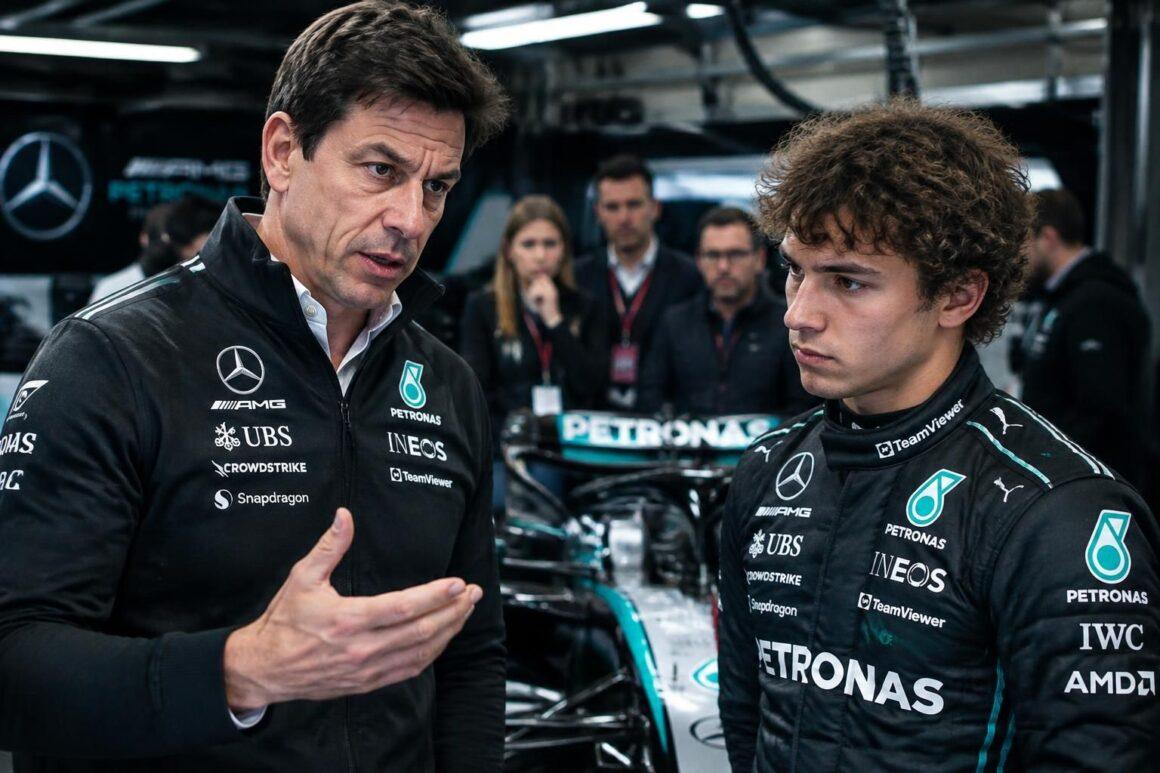
Mercedes had given Russell permission to leave, but the team had not secured approval from the FIA. That distinction turned an emotional decision into a sporting-regulations issue, with the governing body issuing the €5,000 penalty. Team principal Toto Wolff appeared comfortable with the cost, taking a sympathetic view of a driver carrying a bruising season.
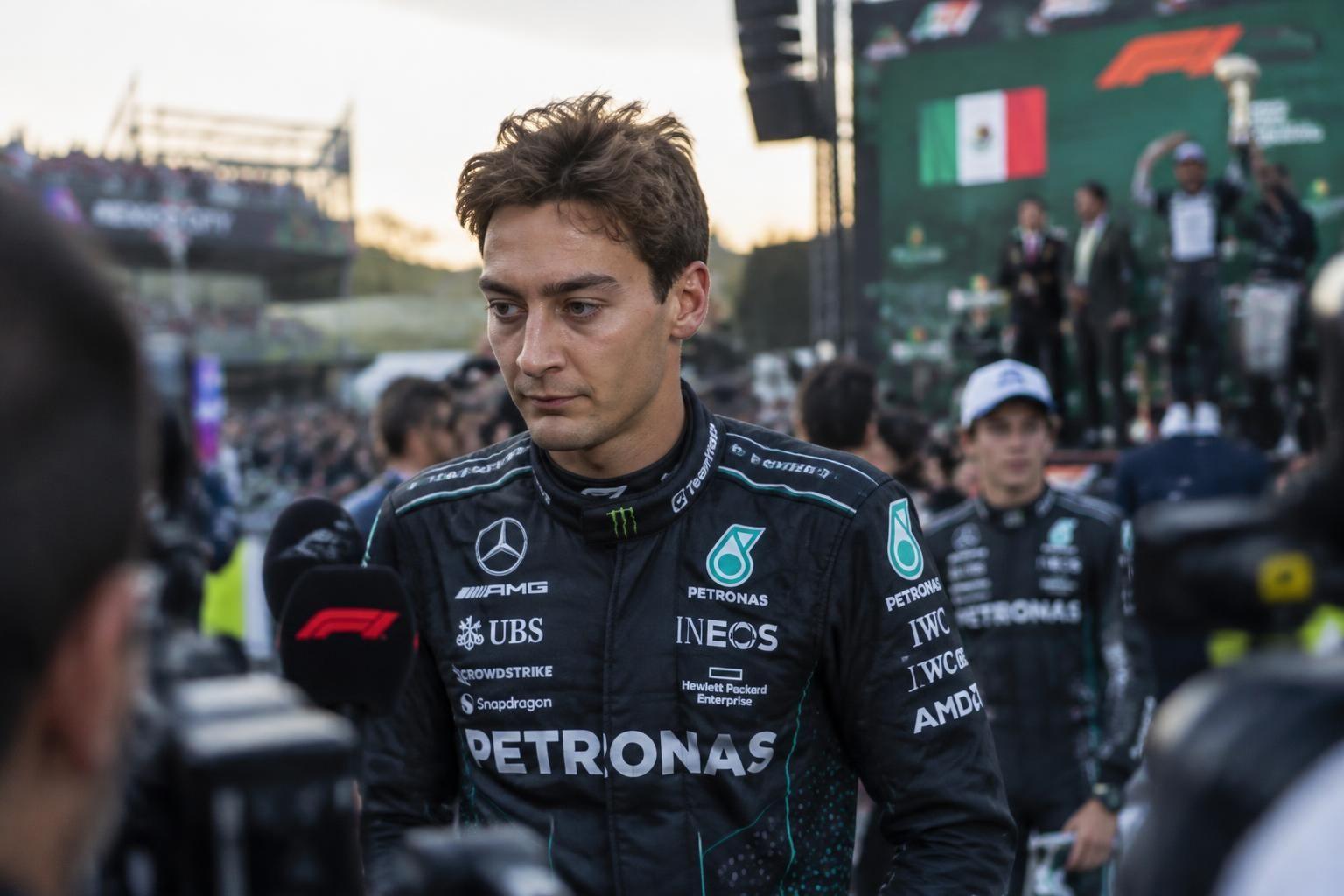
Russell’s title defeat and Antonelli’s rise
Brundle traced the sting back to the timing of Russell’s Mercedes opportunity. He waited through his Williams years for a seat with the works team, only to arrive as its early advantage with the new 2026 cars began to fade. Then Antonelli made a dramatic leap from a difficult first season to a title-winning second campaign, placing Russell under pressure inside his own garage.
The comparison is sharper because Russell entered the year as the expected championship leader, yet now sits fourth. Brundle also pointed out that both drivers had suffered reliability problems, complicating any simple account of one teammate outperforming the other. Readers following Russell’s wider season can find his driver profile and latest updates alongside the race-by-race picture.
F1 controversy: fine, fan reaction and media pressure
The FIA’s decision has given the incident a second life beyond the race result. Critics can argue that mandatory media duties apply to every driver and that teams should follow the approval process; supporters counter that Russell had already shown respect to Antonelli before leaving. That split has shaped the fan reaction, with some calling the penalty fair and others treating the outrage as overreaction.
Brundle’s defence rests on proportion, not exemption. A driver can face the press later, when he has regained composure, while still meeting the sport’s obligations through the proper channel. The fine lands on Mercedes, not Russell personally, and Wolff’s response suggests the team sees the human cost of that immediate media scrum as greater than the bill.
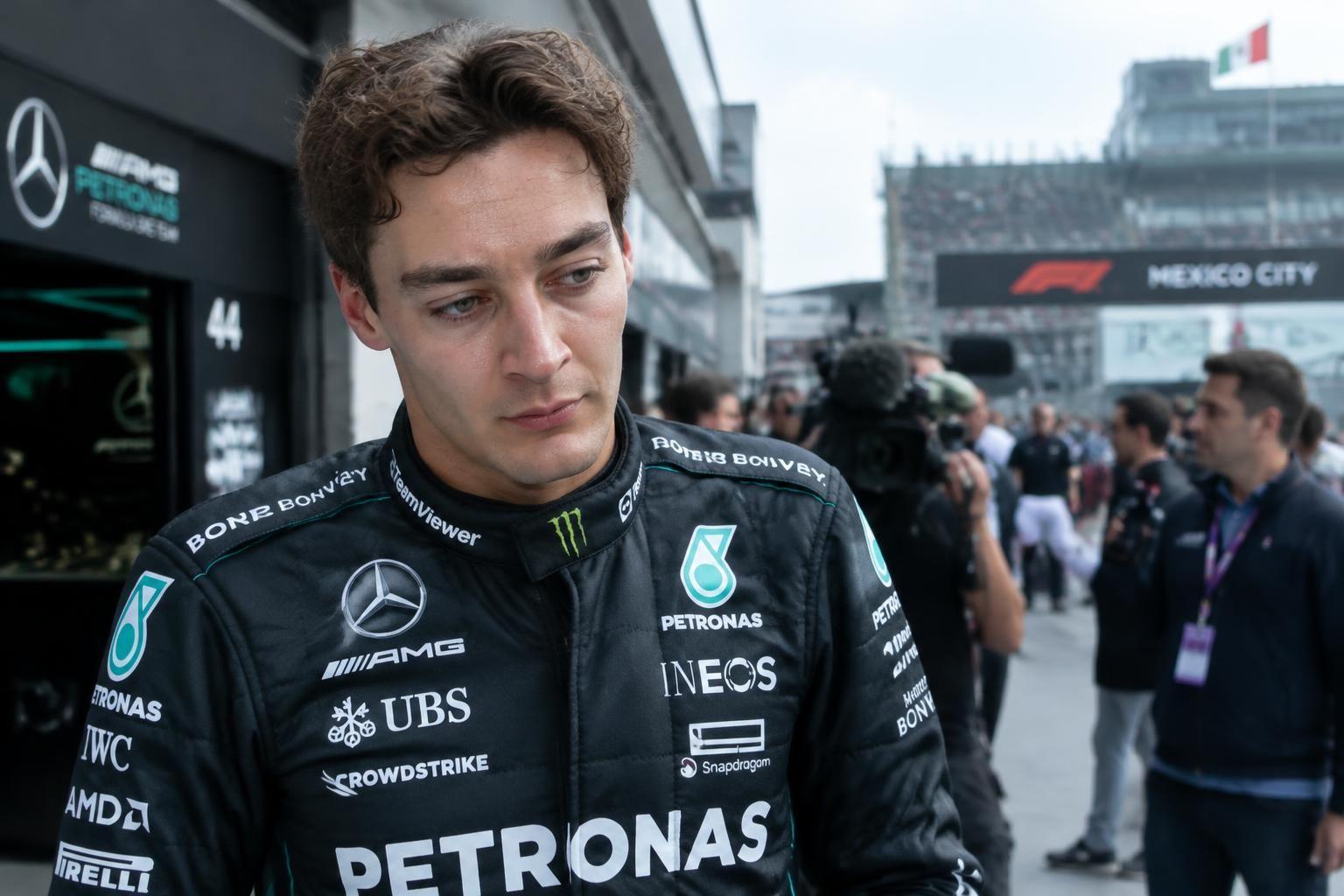
What Russell’s absence means for Mercedes
This is a reputational flashpoint, not a championship reset. Antonelli has the title, while Russell must absorb a season that began with expectations of a fight at the front and ended with his team-mate taking the spotlight. The episode adds another layer to the pressure around his future and form, themes explored in this report on Russell’s self-doubt.
For Mercedes, the immediate task is to protect a strained driver relationship without letting a missed interview become the week’s defining story. Brundle’s comments offer Russell cover, but the FIA fine keeps the procedural question open: how much latitude should a team have when a driver cannot face the microphones? In the latest motorsport news, the dispute is less about one empty media chair than the line between access and pressure.