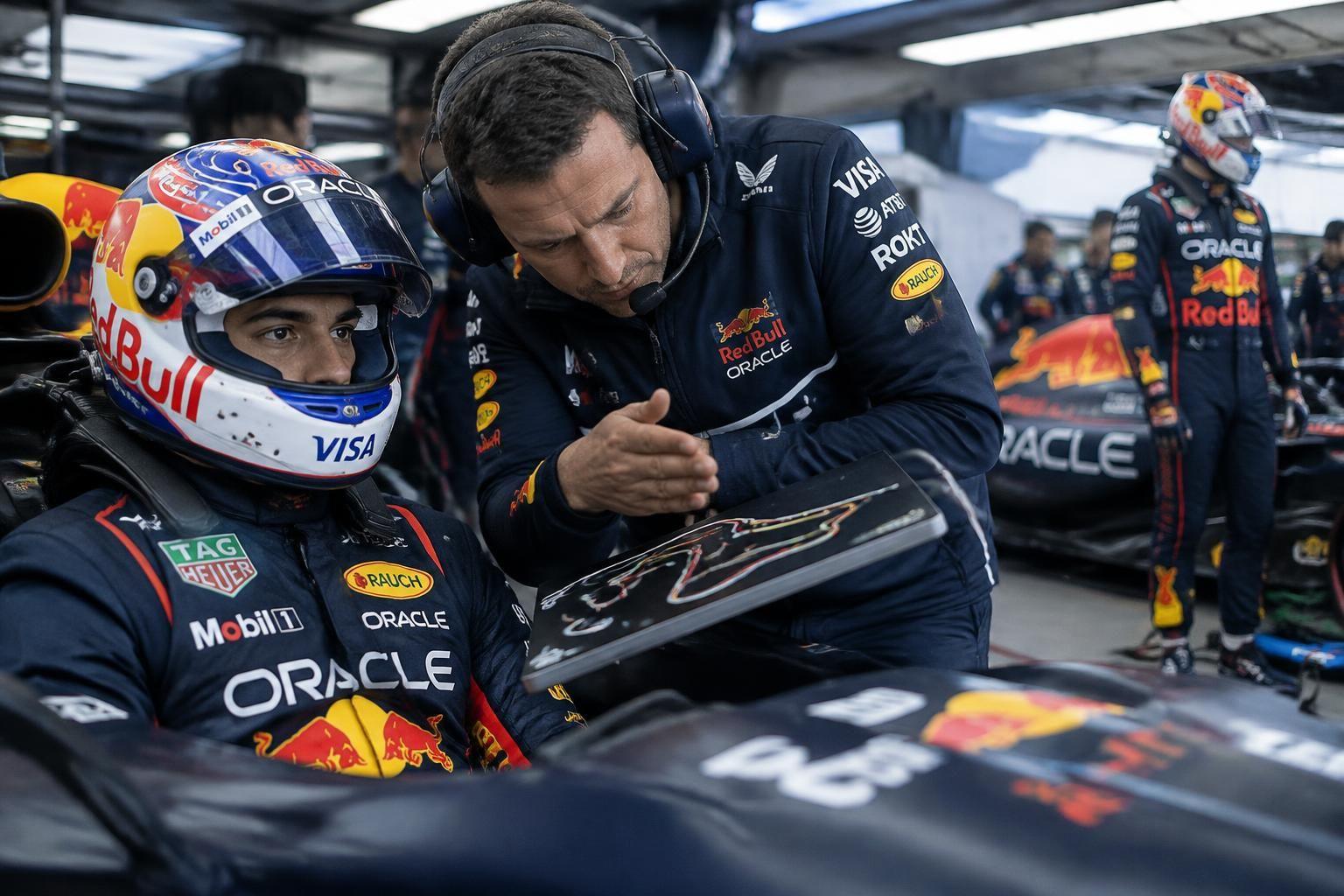

Hadjar’s Austin Friday exposed a stark deficit. Montoya has a different route in mind. Verstappen remains the benchmark.
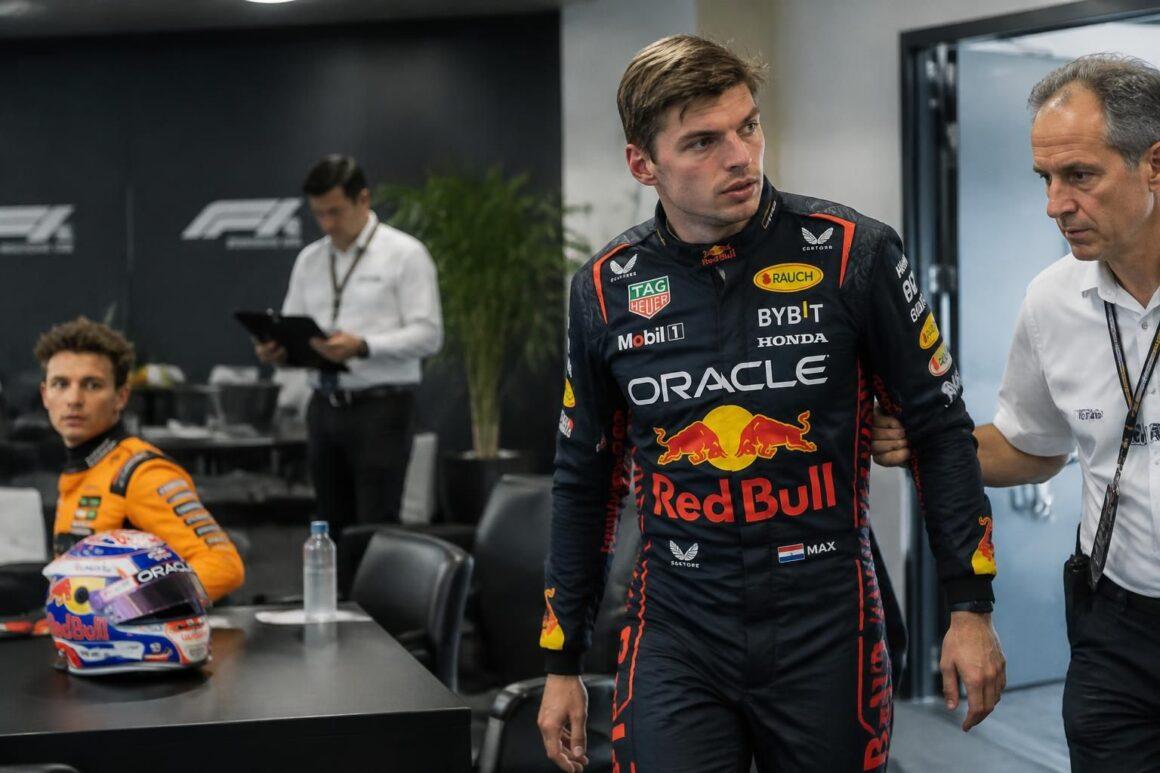
Juan Pablo Montoya has urged Isack Hadjar to consider a left-field approach after the Frenchman struggled to match Max Verstappen in United States Grand Prix practice. Verstappen finished second and third across Friday’s sessions at Austin, while Hadjar placed 14th and ninth.
The gap narrowed from 1.654 seconds to 0.931 seconds, but Hadjar called the day a “disaster” and described his Red Bull as undriveable. He also said high-speed corners had left him badly compromised. Montoya believes the rookie must choose between adapting to Verstappen’s preferred direction and exploring a different setup path.
That choice reaches beyond one difficult Friday. At Red Bull Racing, the development programme and simulation work centre on the lead driver’s feedback, and Verstappen’s current direction is delivering results. Hadjar’s challenge is to find performance without losing the team’s confidence in his judgement.
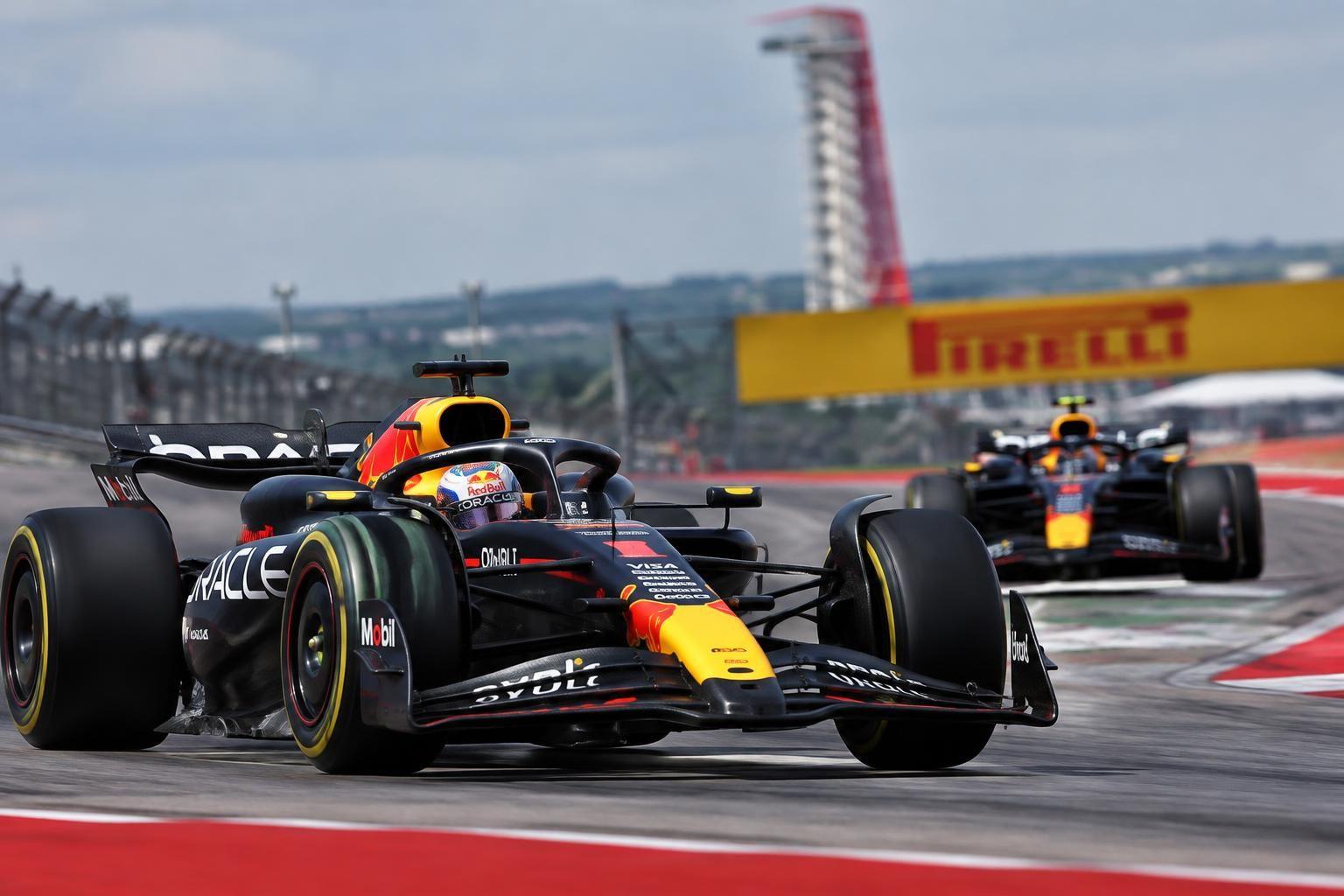
Isack Hadjar’s Austin practice gap to Max Verstappen
The session order tells only part of the story. Verstappen has been especially difficult to dislodge at Austin, where Charles Leclerc’s 2024 Grand Prix win stands as the Dutchman’s sole defeat in a race format there since 2019. Hadjar’s improvement between sessions suggests progress, yet the remaining deficit points to a car balance problem as much as a lap-time target.
High-speed corners demand confidence in front-end response and a stable rear, particularly when a driver carries speed through a long sequence. Hadjar’s complaint that the car felt wrong in those sections indicates a narrow operating window, not simply a need to push harder. A familiar benchmark can help expose that weakness, but it does not make the adjustment straightforward.
For background on the pressure of joining the senior team, read this report on Hadjar’s role alongside Verstappen at Red Bull. The performance gap is also a question of team dynamics: engineers must separate a driver’s individual needs from the setup direction that currently works for the championship leader.
Montoya’s unconventional advice: adapt or go left-field
Montoya laid out two paths. Hadjar can move closer to Verstappen’s preferred balance, using the established setup as a reference, or he can explore a markedly different configuration in search of a car that suits his own driving style. That second option is the unconventional advice, but it carries a risk: if the results do not come, the team may push him back towards the proven route.
Development compounds the problem as a season advances. Simulation, upgrades and engineering decisions build around a baseline, and changing direction can leave a driver with less certainty while the other side of the garage benefits from continuity. Montoya’s point is not that Hadjar should reject the data; it is that he may need a distinct experiment to discover where his confidence returns.
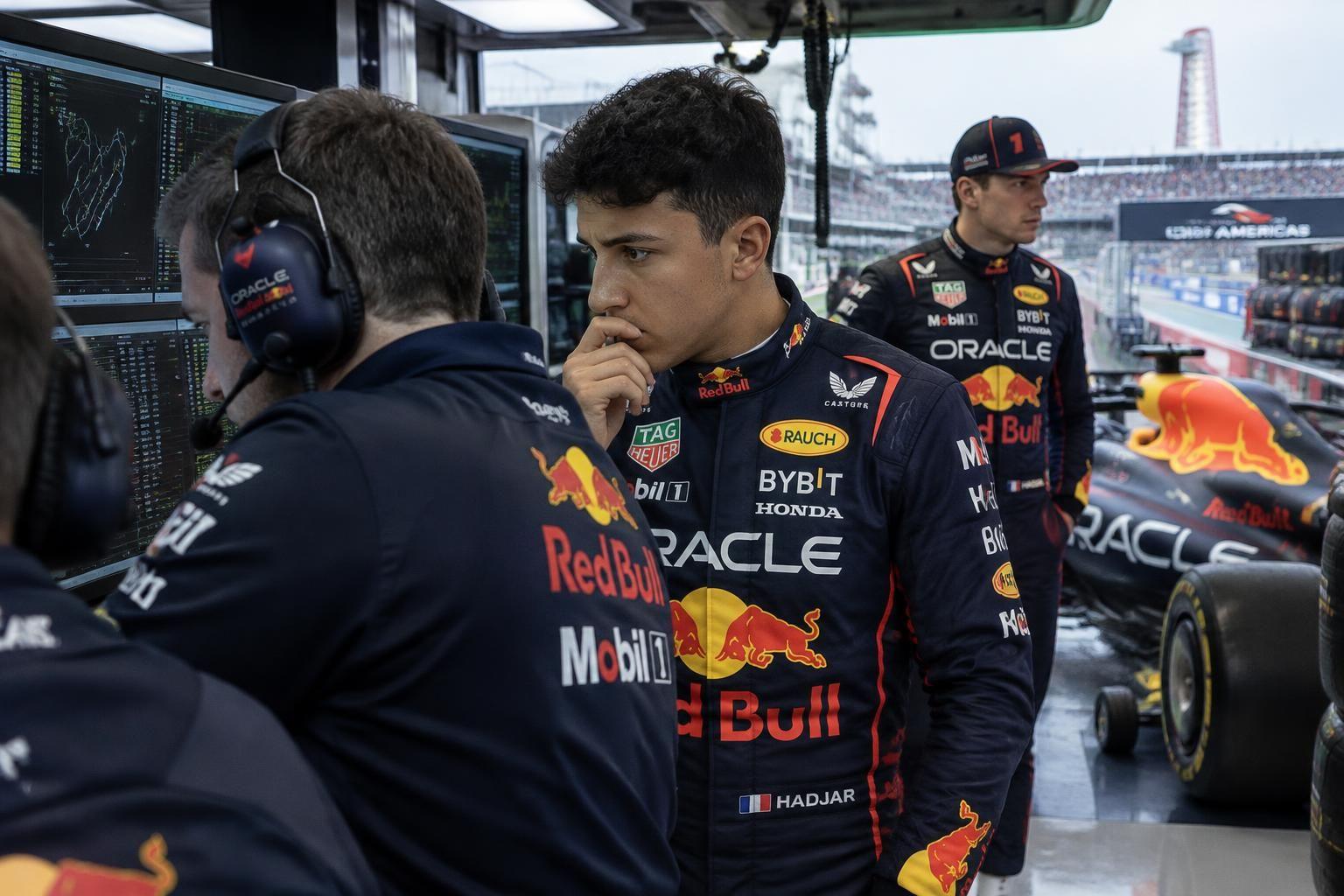
Montoya also hopes a technical issue contributed to the large Friday deficit, while stressing that Hadjar has speed and talent. That possibility matters: a mechanical fault would call for diagnosis, whereas a setup mismatch demands a different response. The distinction shapes both race strategy and the next engineering discussion.
What Hadjar’s Red Bull test means for driver development
Hadjar’s task is not to copy Verstappen lap for lap. Strong driver development depends on turning a reference into usable feedback, then proving that a change improves the car across more than one corner or session. Austin’s Friday deficit supplies a clear data point; the next step is identifying whether balance, confidence or a technical fault drove it.
The wider F1 mentorship dynamic is complicated by the fact that Verstappen’s approach already informs the team’s work. Hadjar can learn from that benchmark while still making a case for his own requirements, though results will determine how much room he gets to experiment. Coverage of Hadjar’s earlier Red Bull experience shows why adapting to the organisation is part of the test.
Before qualifying, the key signal will be whether Red Bull can give Hadjar a stable platform without compromising the direction that suits Verstappen. A smaller gap would validate the setup work; another difficult run would sharpen the question Montoya raised. At Austin, the rookie needs more than pace from the other side of the garage: he needs a car he can trust.