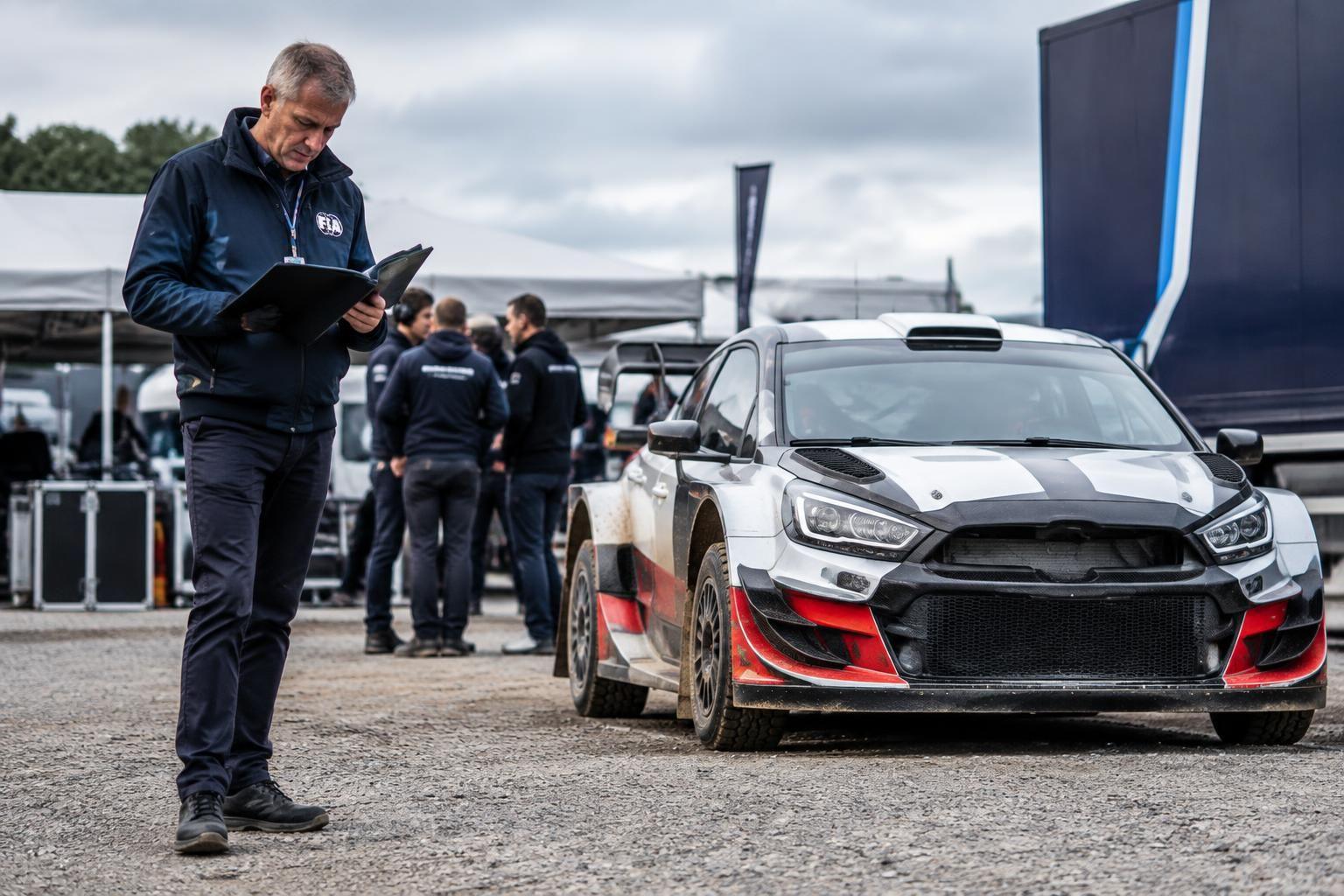

FIA approves the sporting framework for WRC 2027. Two types of car will share the top class. A new teams’ title gives smaller operations a route into the fight.
The FIA has approved key sporting regulations for the 2027 World Rally Championship, setting the competitive framework for a season built around the new WRC27 technical rules. The top category will retain the Rally1 name, but combine purpose-built WRC Cars with upgraded WRC Kit Cars.
Both designs are expected to deliver similar performance, while separate titles will recognise constructors and teams across different schedules. For rally racing, the regulatory approval is more than a technical reset: it changes who can enter the leading class and how competitors can pursue a championship. The FIA’s wider plans for the series have also drawn attention from drivers, as reported in this account of the WRC promoter agreement.
WRC 2027 sporting regulations reshape the Rally1 field
Toyota, Project Rally One and RMC Motorsport are set to field WRC Cars built to the original WRC27 regulations. The second route is aimed at existing Rally2 manufacturers: a €7,500 update kit, comprising revised front fenders, a front bumper and rear aerodynamic device, turns eligible cars into WRC Kit Cars.
M-Sport is the only operation publicly committed to that kit so far, and has started testing an updated Ford Fiesta Rally2 in Spain. The split gives established Rally2 machinery a path into the premier class without requiring every entrant to build a fresh car from scratch.
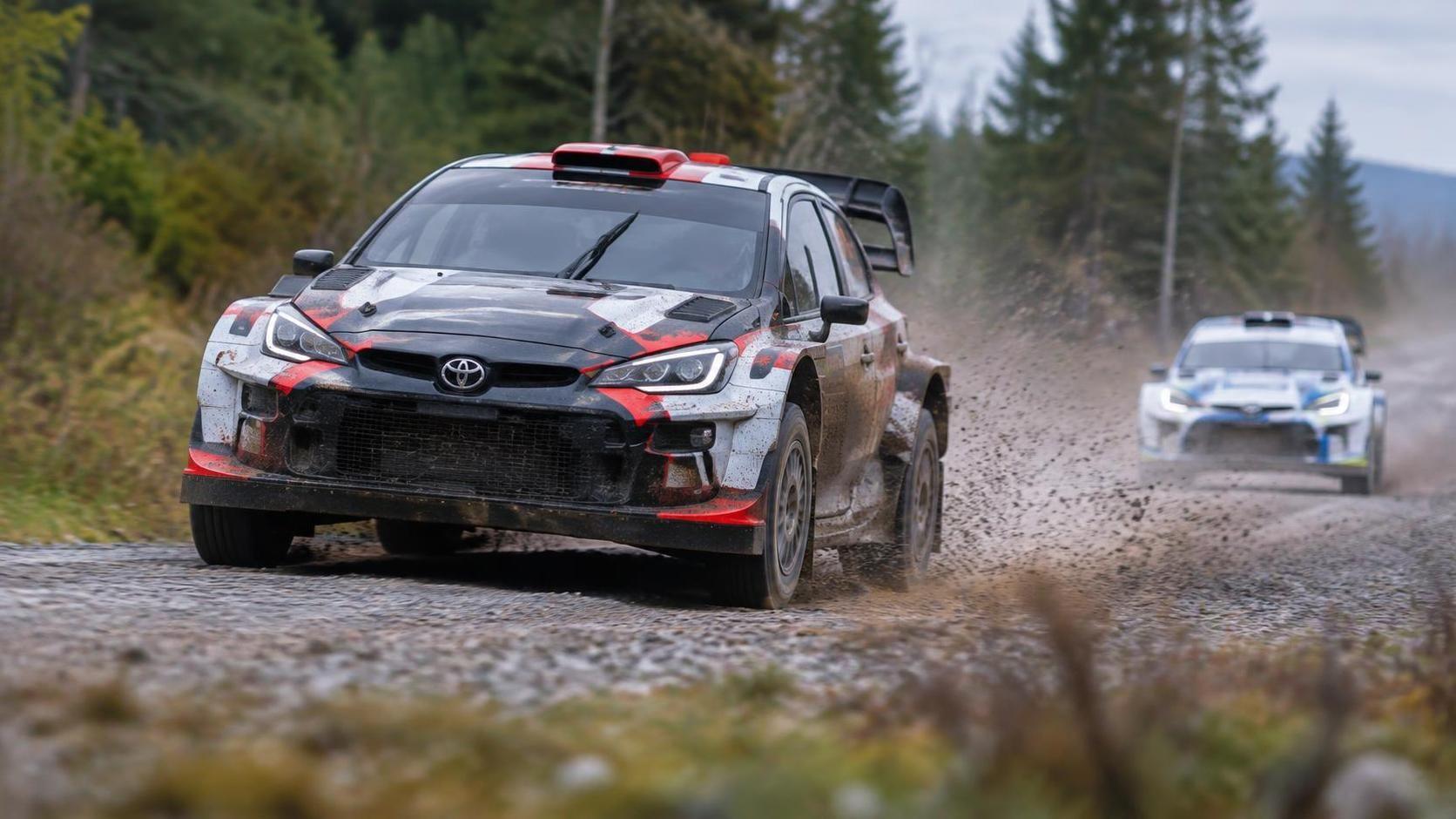
The sporting package also confirms a 33mm turbo restrictor for both types of car, compared with the 32mm restrictor used by current Rally2 machinery. The FIA estimates that the larger opening will provide around 15 horsepower more, a measurable boost that places a premium on balancing performance between two different technical recipes.
That balance will matter most during the transition into the new rules. The FIA retains scope to adjust technical measures if gaps between car categories demand intervention, giving championship governance a tool to protect close competition without rewriting the entire framework.
New constructors’ and teams’ titles widen the championship fight
The manufacturers’ crown will become a constructors’ championship, open to any Rally1 manufacturer across the full 15-round season. A separate WRC Teams’ title will run over seven nominated events, including one overseas round and the season finale.
That shorter schedule could give operations such as Project Rally One and RMC Motorsport a realistic target even if they do not contest every round. It shifts the emphasis from sheer attendance to a focused campaign, while giving private entrants a clearer stake in the top class.
WRC2, WRC3 and the WRC Master Cup will continue in 2027, preserving the championship’s existing support categories as the headlining class changes. The FIA has also outlined homologation and technical rules for Rally6, the entry-level step at the foot of the rally pyramid.
Rally6 rules target a more affordable route into rally racing
Rally6 cars are expected to cost between €35,000 and €47,000, using production-based four-seat models and either a standard 1.6-litre turbocharged engine or a 2.0-litre naturally aspirated unit. The category draws heavily on the French federation’s FR6 regulations and aims to lower the cost of competing without lowering safety expectations.
Production-derived brakes and tyres, conventional H-pattern gearboxes and non-adjustable competition shock absorbers keep the specification deliberately straightforward. Safety standards will match Rally5-Kit cars, giving budget-conscious crews a defined entry point rather than an expensive leap into specialist machinery.
The wider effect of the competition rules will emerge as manufacturers and tuners commit resources, but the framework already sets out distinct routes: build a WRC Car, upgrade a Rally2 machine, or start lower down with Rally6. For ongoing coverage of the series and its paddock decisions, follow LAS Motorsport.