
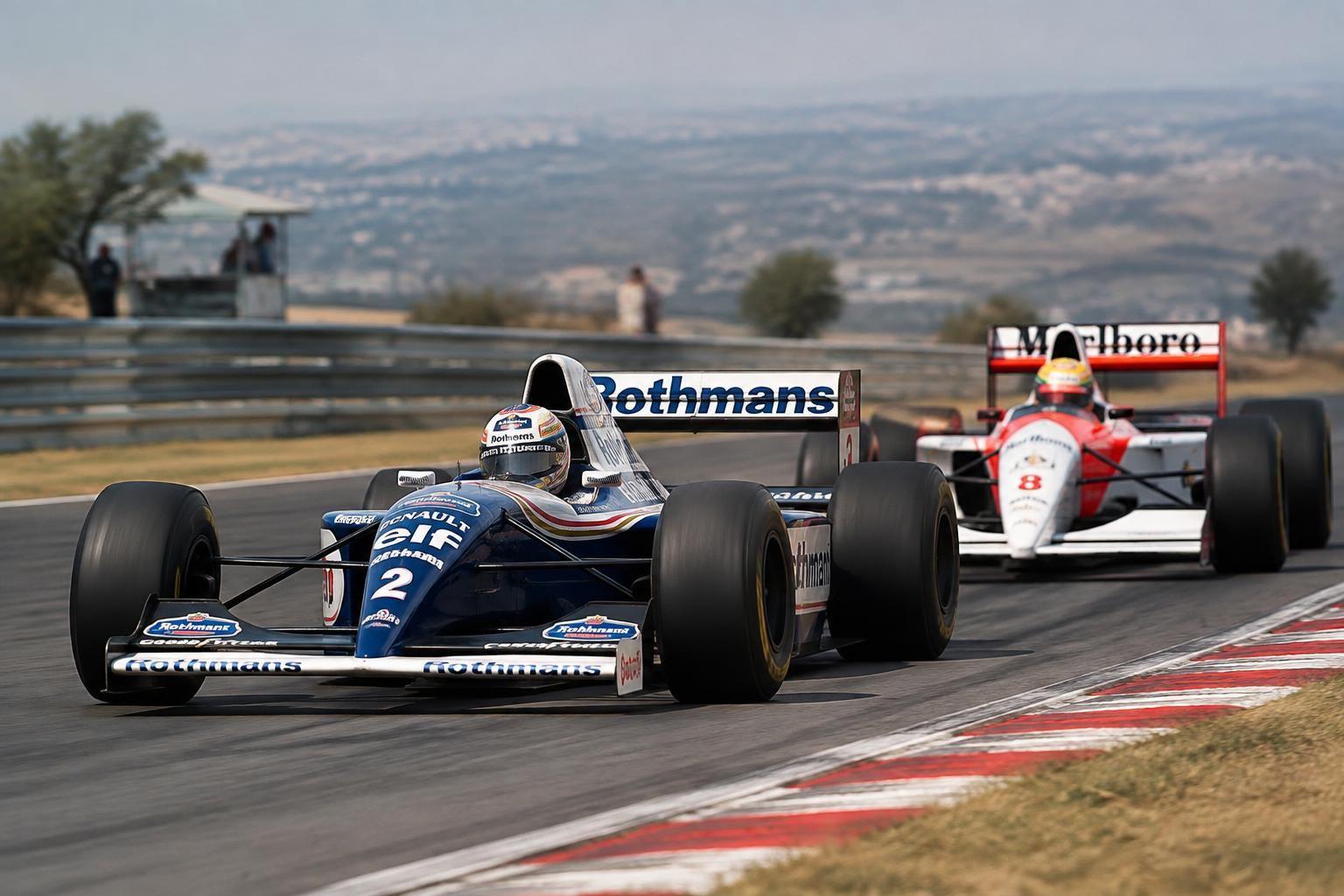

Africa’s F1 exile began at Kyalami. Alain Prost won the final race in 1993. Rwanda has now secured the route back.
Formula One has signed a ten-year agreement to stage the African Grand Prix in Rwanda from the early 2030s, ending a continental absence that stretches back to the South African Grand Prix at Kyalami. The planned venue sits in Bugesera, about 40 kilometres south of Kigali, beside the new international airport. Its debut year remains unconfirmed, with the circuit and supporting infrastructure still to be completed. The return closes a chapter in Motorsport history shaped by political division, expensive upgrades and fierce competition for space on the F1 calendar. To understand why the wait lasted so long, start with the race that ended it.
The 1993 South African Grand Prix: Prost’s final Kyalami win
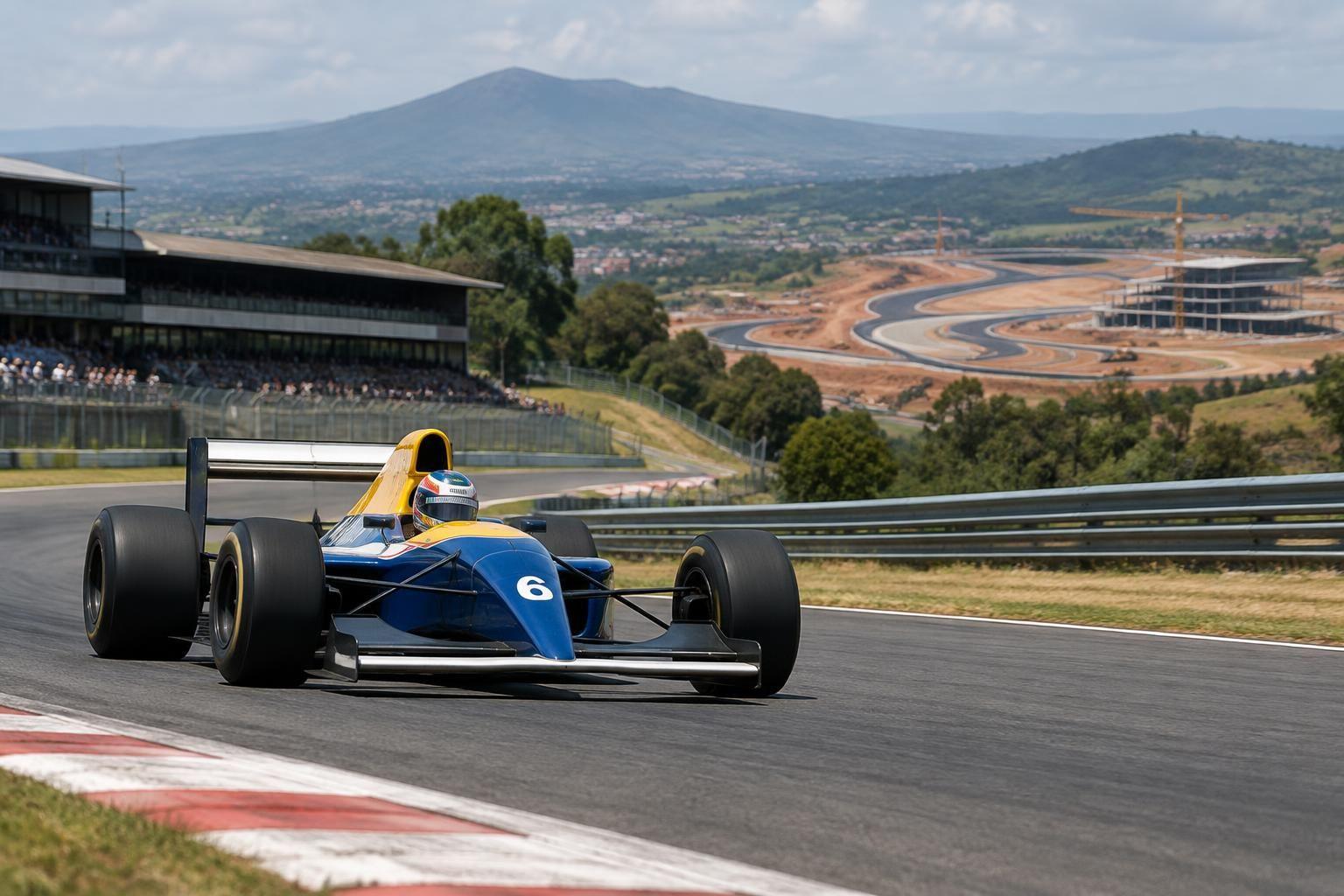
On 14 March 1993, Alain Prost started from pole for Williams and controlled the final Formula One race held on the continent. He beat Ayrton Senna by 1 minute 19.824 seconds, while Mark Blundell completed the podium for Ligier, one lap behind. The result looked decisive, but the race behind them was anything but settled.
Damon Hill had qualified fourth before a collision ended his race, denying Williams a possible one-two. Michael Schumacher spun out for Benetton, while Jordan lost Rubens Barrichello to gearbox trouble and Ivan Capelli after a spin. Twenty of the 26 starters failed to finish; Christian Fittipaldi took fourth for Minardi, and Gerhard Berger’s Ferrari retired late with engine failure. The debate over Kyalami’s place on the calendar has never fully disappeared.
Why Kyalami never returned to the F1 calendar
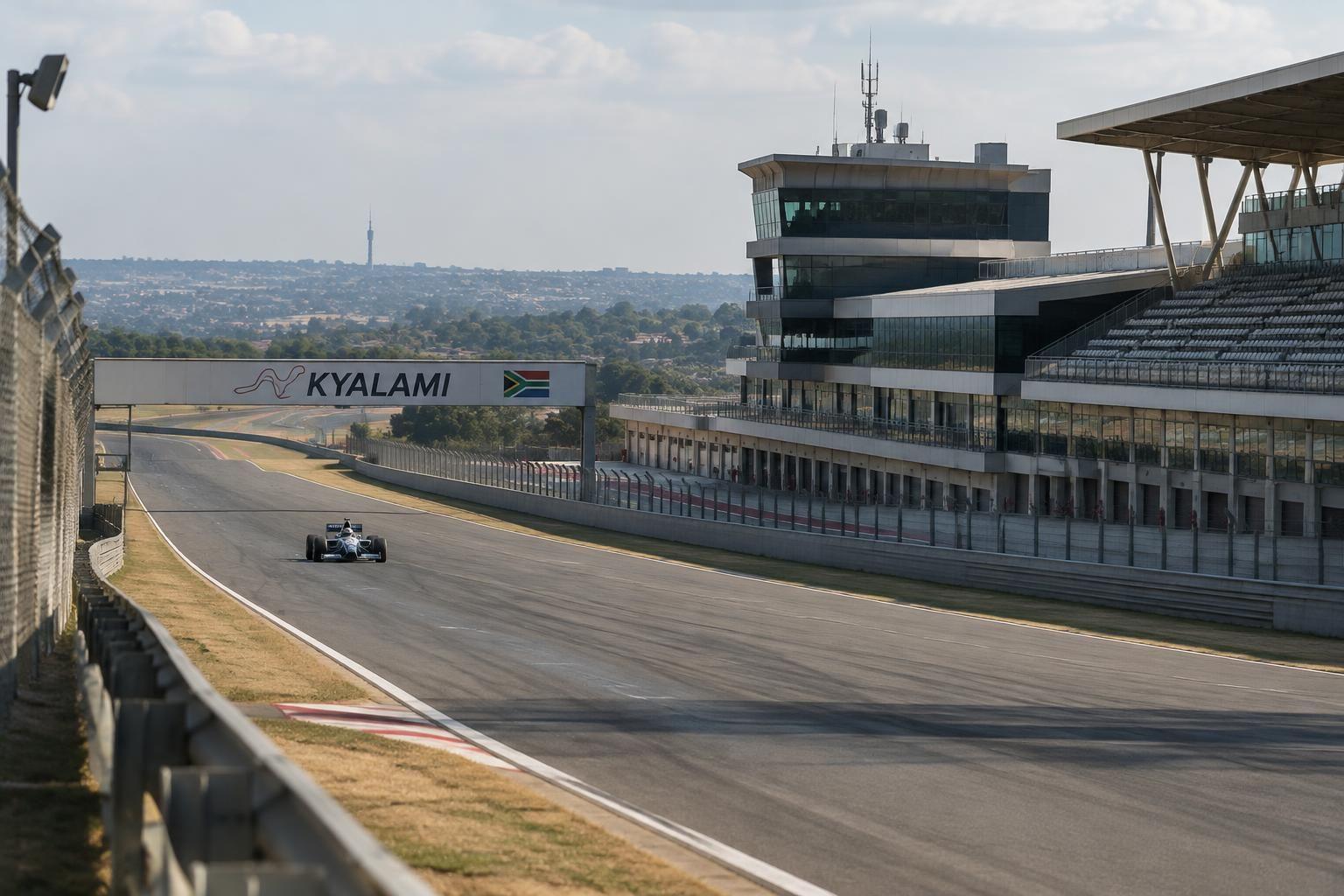
The circuit’s biggest hurdle is certification: Kyalami lacks the FIA Grade 1 status required for a modern Grand Prix. Reaching that standard would mean extensive safety, paddock and infrastructure work, with upgrades reportedly costing tens of millions of dollars. A proposed 2023 revival fell apart after organisers failed to secure the financial guarantees demanded by Formula One Management.
Annual hosting fees have since made the business case harder, particularly without direct government support. The history is also politically charged: Apartheid led to Formula One’s departure from South Africa after 1985, and the championship only returned to Kyalami in 1992, following the end of the regime. That legacy still informs the wider Political controversy around F1 in Africa, including debate about sports diplomacy and Rwanda’s role. The case for bringing F1 back to the continent is about more than a vacant slot.
Rwanda’s African Grand Prix plan and what comes next
Rwanda has approached the project as a state-backed investment in tourism and sports diplomacy, folding the circuit into a wider development plan. The new Bugesera venue is being designed by Wurz Design and Tilke GmbH, with the layout using the area’s natural elevation changes. It is planned to meet FIA Grade 1 standards, a direct answer to the obstacle that has held Kyalami back.
The agreement sets a ten-year term, but not a precise first-race date: construction and surrounding infrastructure must come first. That leaves South Africa’s return bid facing a rival with a signed deal and a purpose-built site, even as Hamilton and other supporters keep attention on F1 in Africa. The Rwanda announcement ends the wait on paper; the test now is whether the circuit can turn the promise into a race weekend.