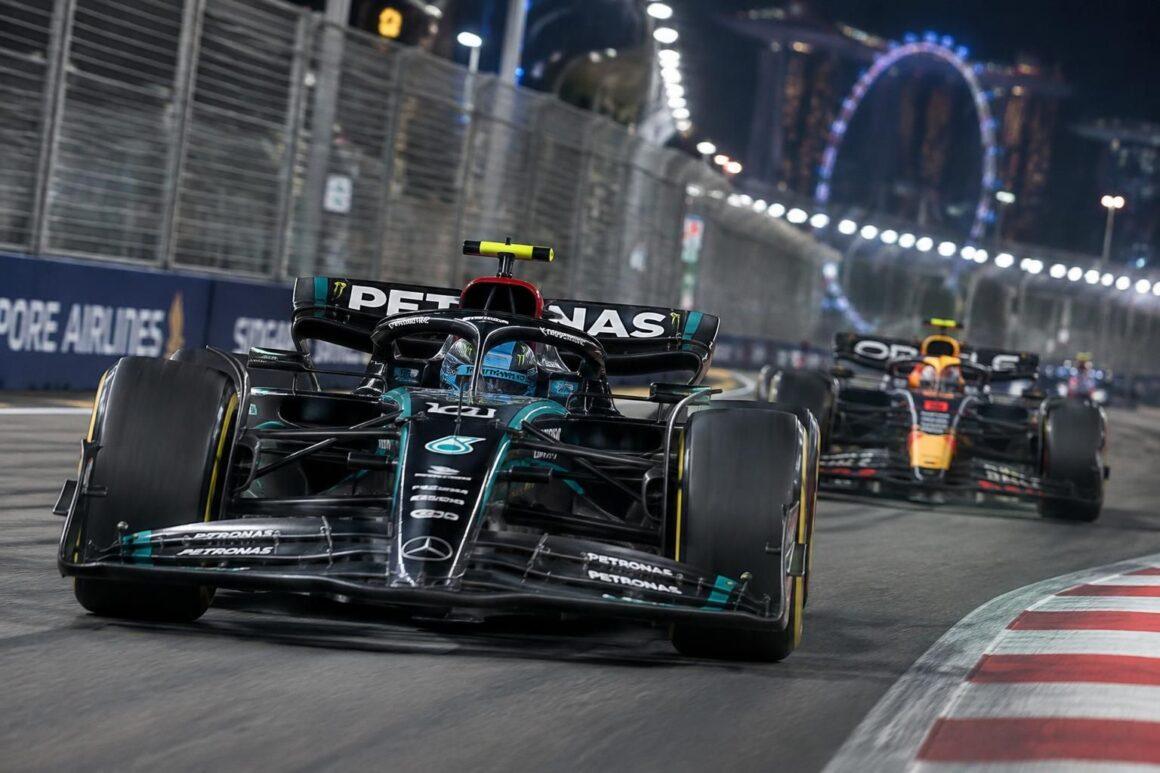
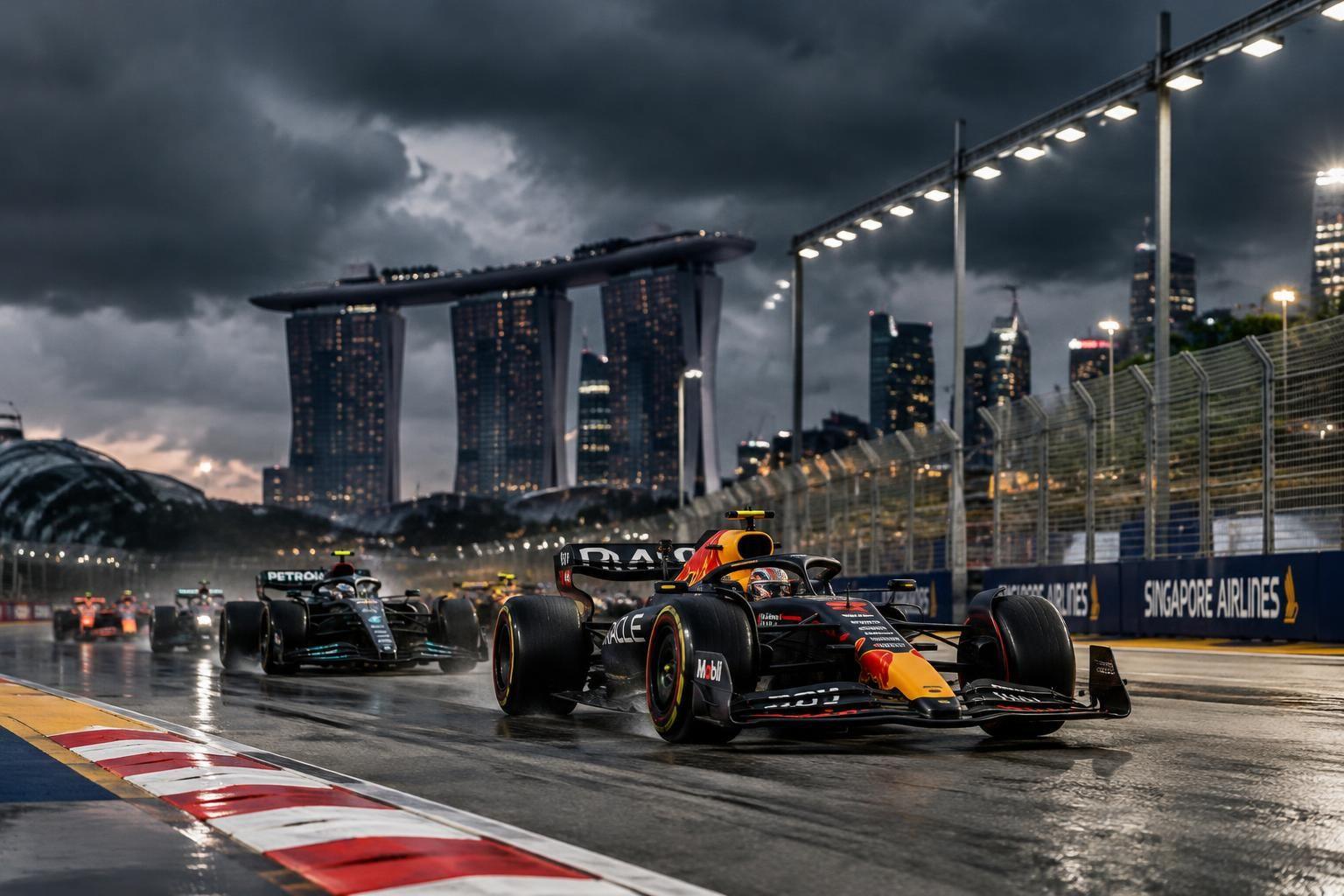

Singapore’s safety-car threat hangs over the grid. A neutralisation could rewrite the pit-stop plan. One mistake may cost more than a lost tyre set.
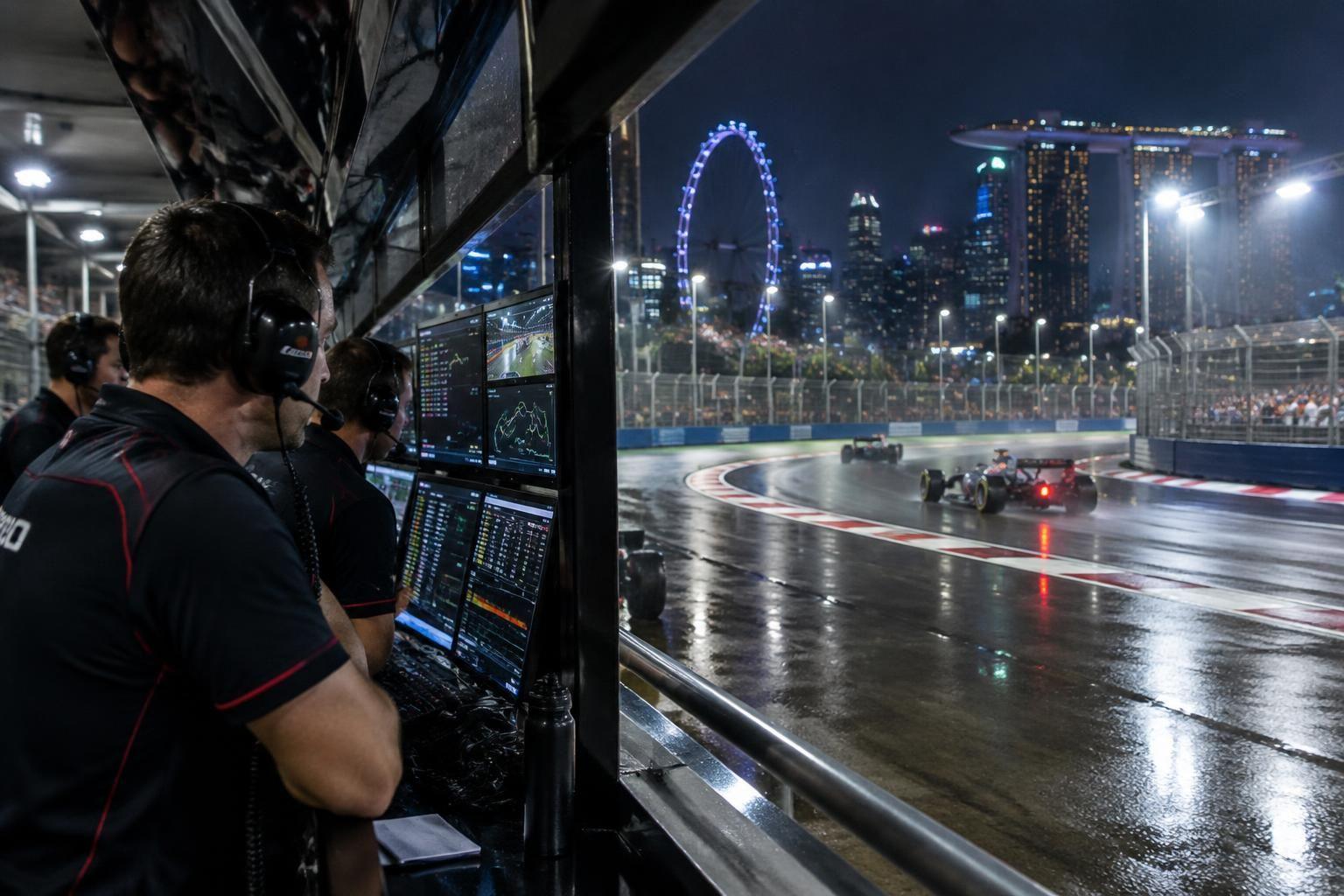
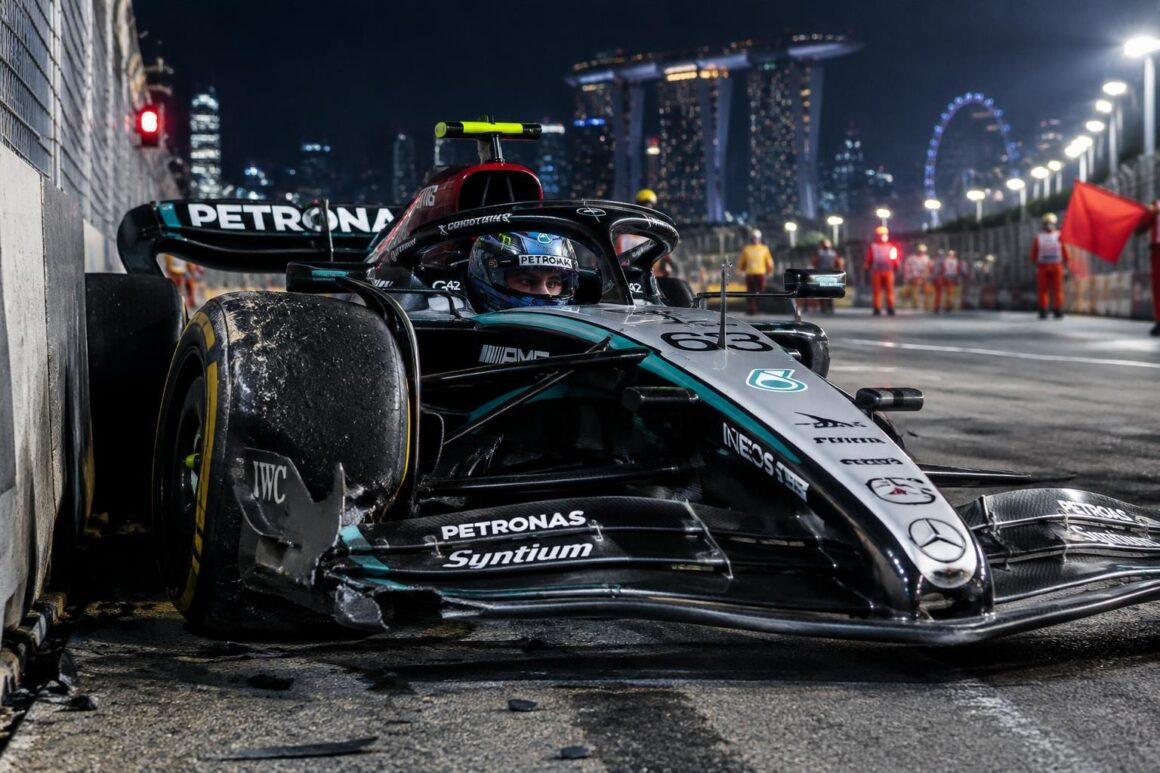
The Singapore Grand Prix brings more than heat and tight walls: Marina Bay’s history of interruptions leaves every race strategy exposed to sudden change. A safety car has appeared in four of the past six races, while a virtual safety car occurred in two of those six, giving teams little reason to trust a clean, uninterrupted run. Pirelli expects a one-stop race in normal conditions, with the soft and medium compounds leading the options. But a weather threat could shift the calculation: heavy rain or thunderstorms would bring wet-weather tires into play and add another layer of risk to calls already shaped by traffic and track position. For the pit wall, the challenge is not simply choosing when to stop; it is deciding how quickly to abandon the original plan when the race turns.
That uncertainty gives Singapore its strategic edge. With overtaking difficult, a cheap stop under neutralisation can be worth more than a theoretically faster stint, and teams must weigh that opportunity against the danger of losing places when the field bunches up. The latest Formula 1 news keeps the focus on those split-second calls; at Marina Bay, team tactics can change before a driver reaches the pit entry.
Singapore Grand Prix safety-car risk puts race strategies on alert
The recent record is stark: a safety car in four of six grands prix represents a 67 per cent rate, while the virtual safety car has appeared in 33 per cent of those races. Those figures describe a recent pattern, not a guarantee, but they explain why strategists prepare alternative pit windows before lights out. One early interruption could let a driver stop with a smaller time loss than under green-flag conditions.
That chance comes with a catch. A stop made too early can leave a driver vulnerable late in the race, while staying out may surrender track position if rivals take the opportunity; Singapore’s narrow streets make recovery harder than at circuits with several overtaking lines. The lingering effect of limited passing is explored in this report on the DRS-train effect, a reminder that clean air and position can outweigh raw pace here.
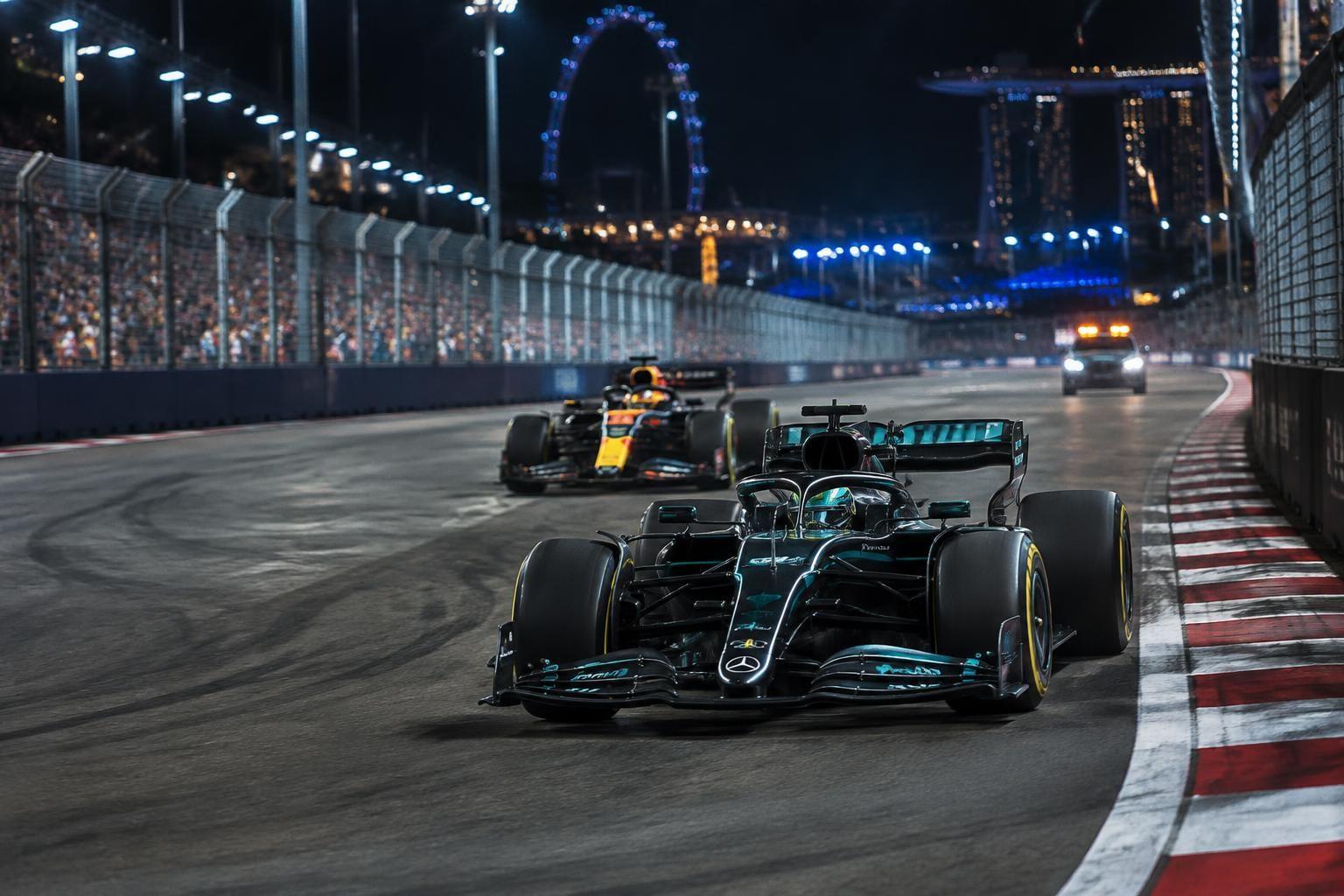
Soft and medium tyres set the preferred Singapore pit-stop plan
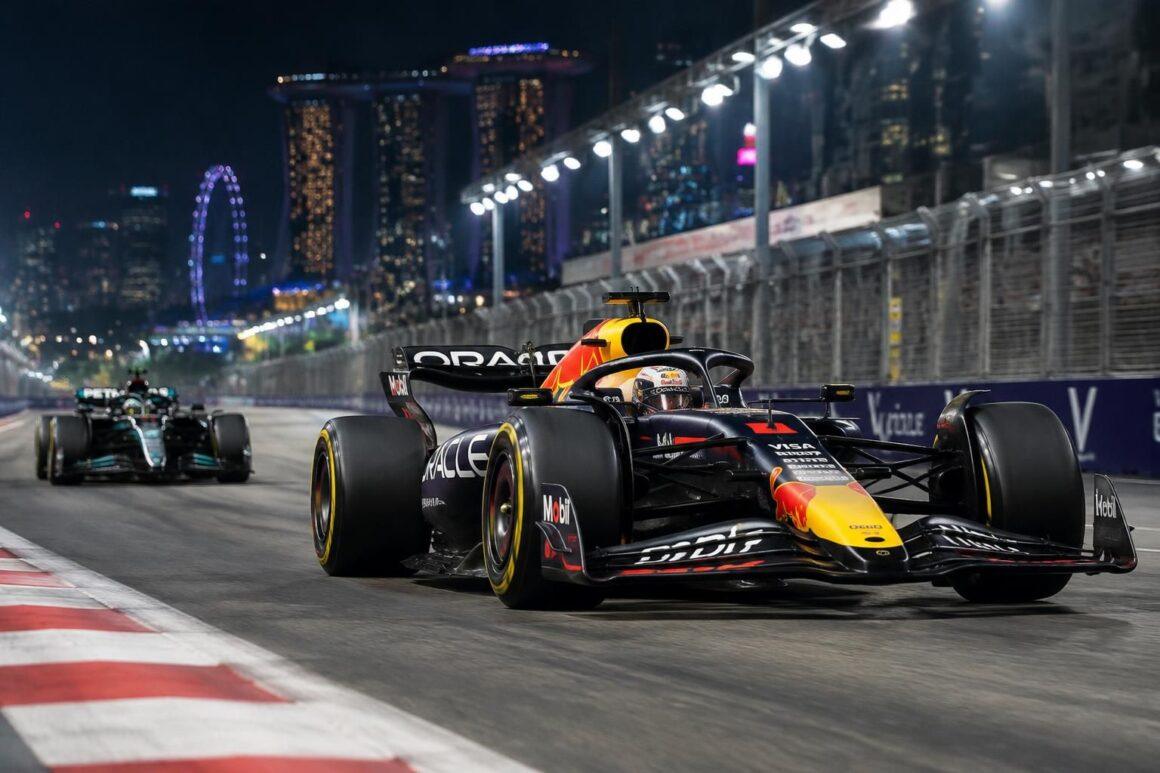
Pirelli’s head of motorsport, Dario Marrafuschi, expects a one-stop race if conditions remain stable. The preferred sequence is soft to medium, with the pit-stop window opening around lap 26 of 62; the circuit’s traction demands, heavy braking and rough surface push the tyre choice towards the softer end of the range.
The hard compound is not expected to lead the grid’s thinking. A medium-to-hard one-stop is estimated to cost about five seconds against the leading option, while a conventional two-stop could lose roughly 10 seconds over the distance. The hard tyre may still earn a place after an early safety car, but Pirelli expects teams to consider the medium too, since wear levels should allow it. For context on the speed picture behind this season’s decisions, see the 2026 versus 2025 Bahrain stopwatch analysis.
Weather threat and race disruption could reshape team tactics
Rain would turn the expected one-stop into a different problem. Heavy rain or thunderstorms could prompt wet-weather tires and force teams to judge grip, visibility and the timing of any switch, while a safety car might offer a low-cost chance to change compounds. No forecast can be treated as a strategy by itself; the pit wall needs to react to conditions on the surface, not just the radar.
That leaves teams balancing three moving pieces: tyre life, track position and the chance of race disruption. A dry, uninterrupted run points towards soft-medium; an early neutralisation could make the hard compound or an extended medium stint more attractive; rain would redraw the options again. At Marina Bay, the best plan is not the one written before the start, but the one a team can adapt without giving away the track position it fought to secure.