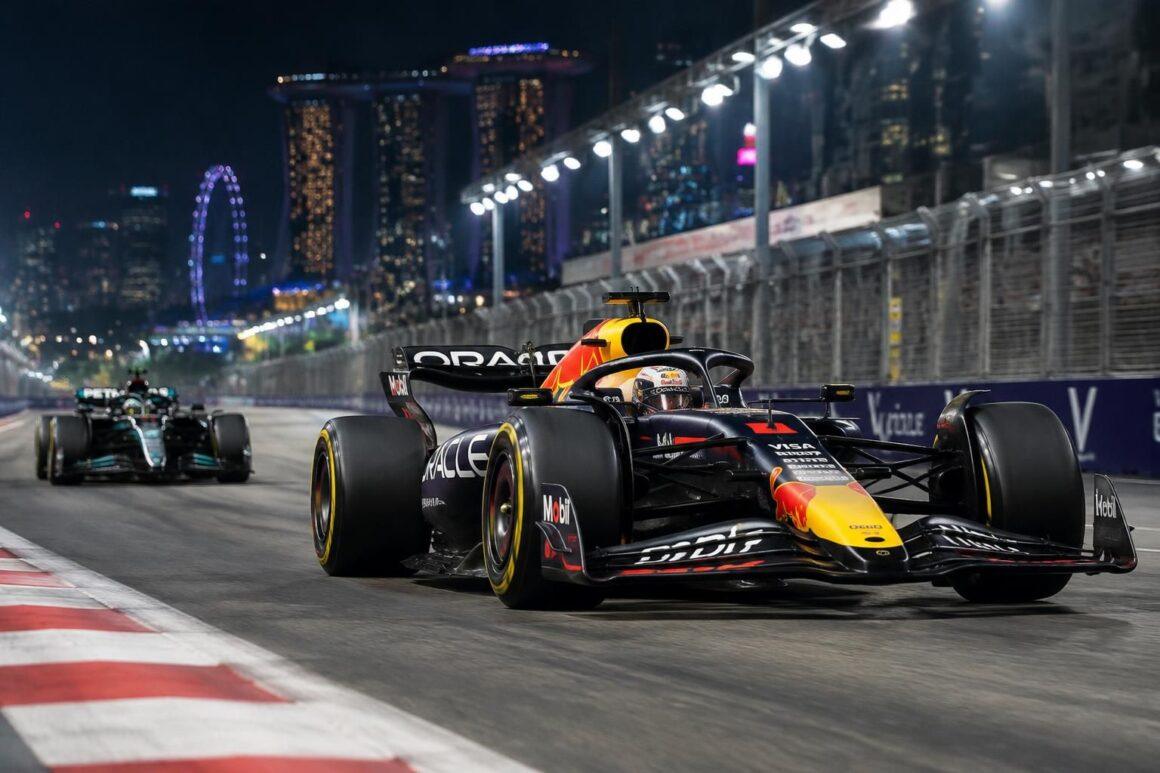
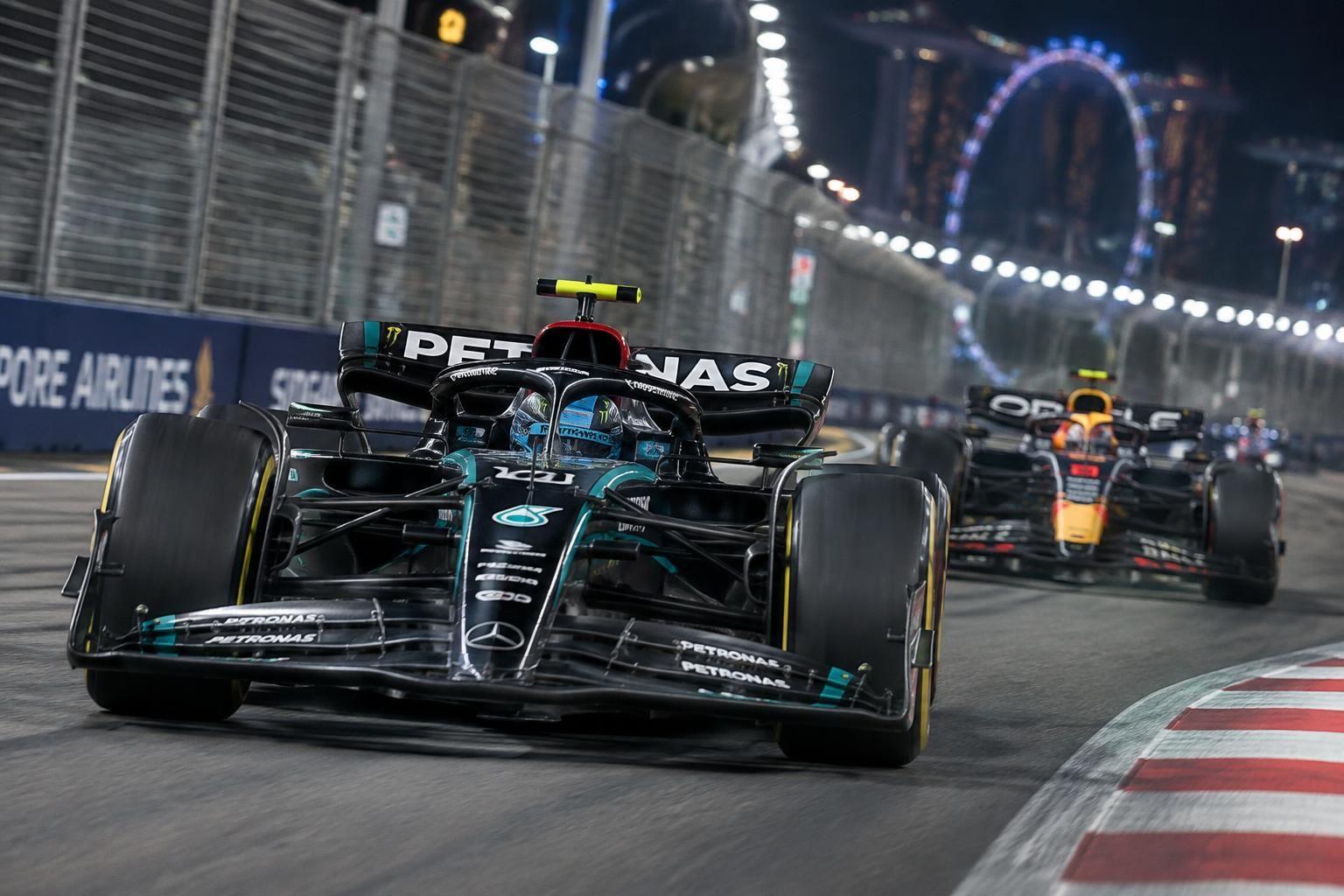

Russell tops Singapore practice. Verstappen’s medium-tyre pace turns heads. Mercedes leaves Marina Bay with two very different readings of the session.
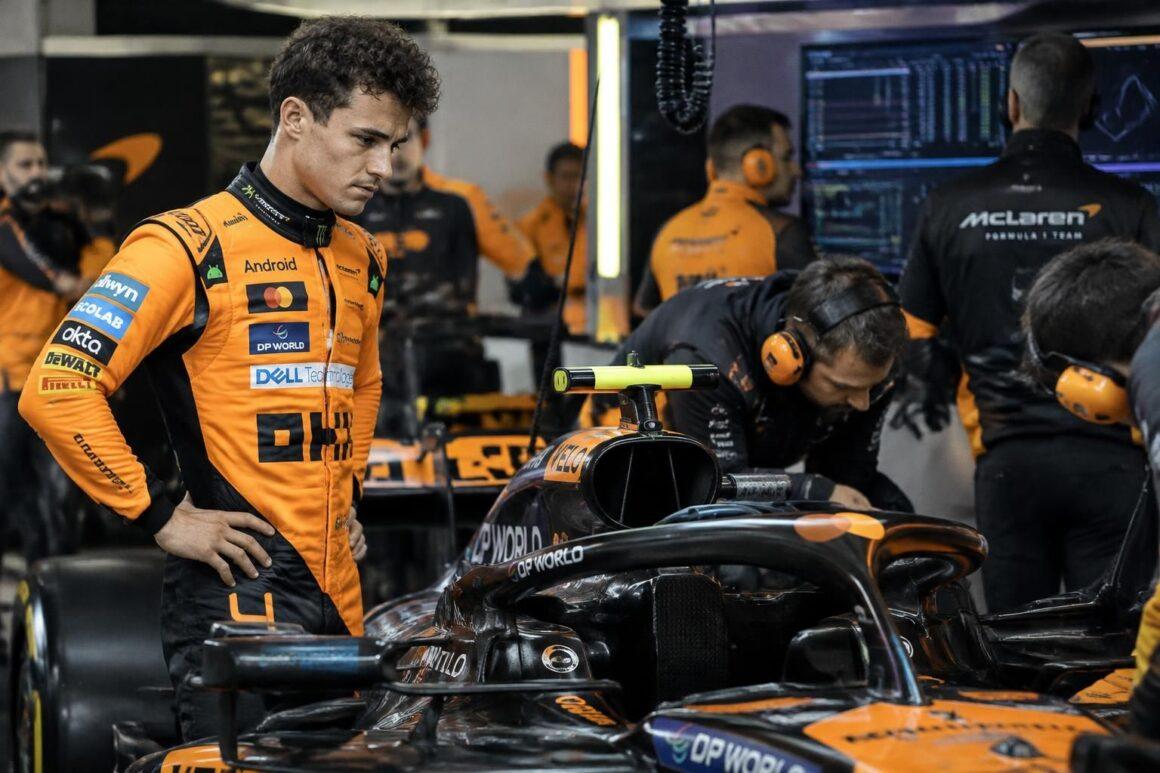
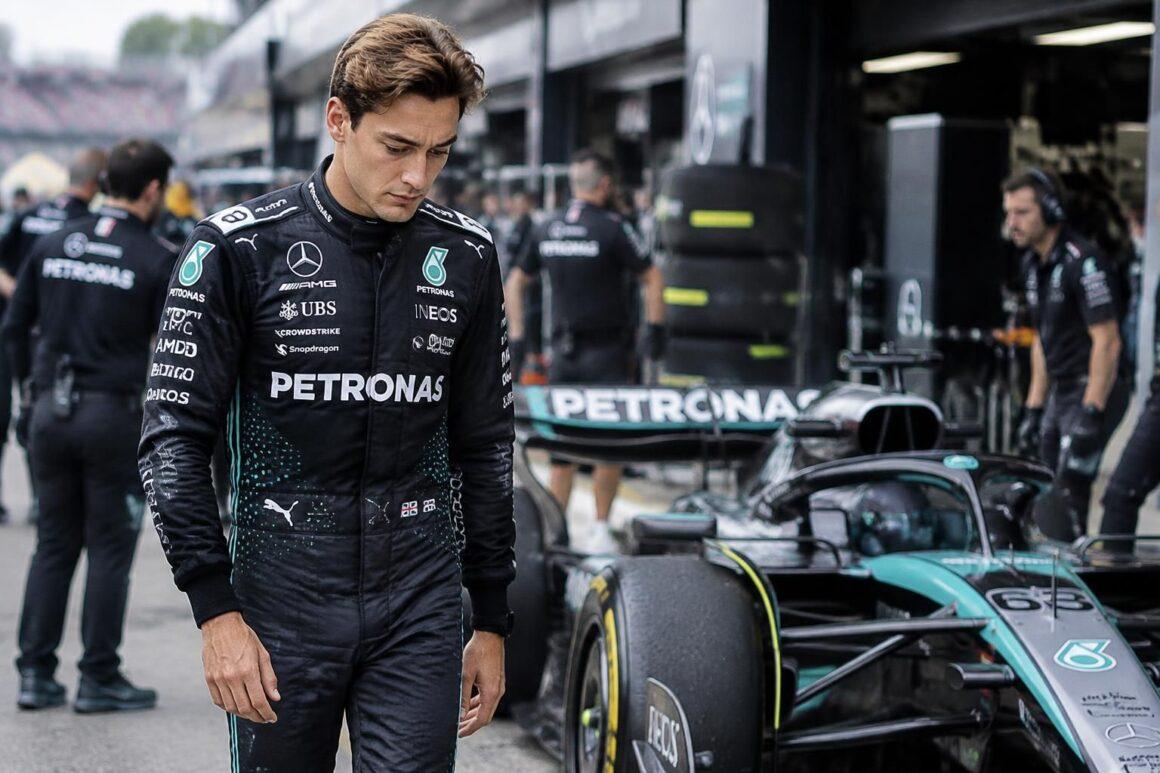
George Russell set the fastest time in the sole Singapore Grand Prix practice session, clocking 1:32.274 on soft tyres at the Marina Bay Street Circuit. The Mercedes driver beat Charles Leclerc by 0.198 seconds, while Lando Norris finished third, another 0.075 seconds back. Yet the headline lap came with a caveat: Russell used an older Mercedes specification and faces a back-of-grid start after power-unit penalties. Max Verstappen, meanwhile, placed sixth on mediums but posted a lap roughly half a second faster than anyone else on that compound. With the track baking at 53°C during the only practice outing of this sprint-format Formula 1 race weekend, the timesheets offered clues rather than clean predictions.
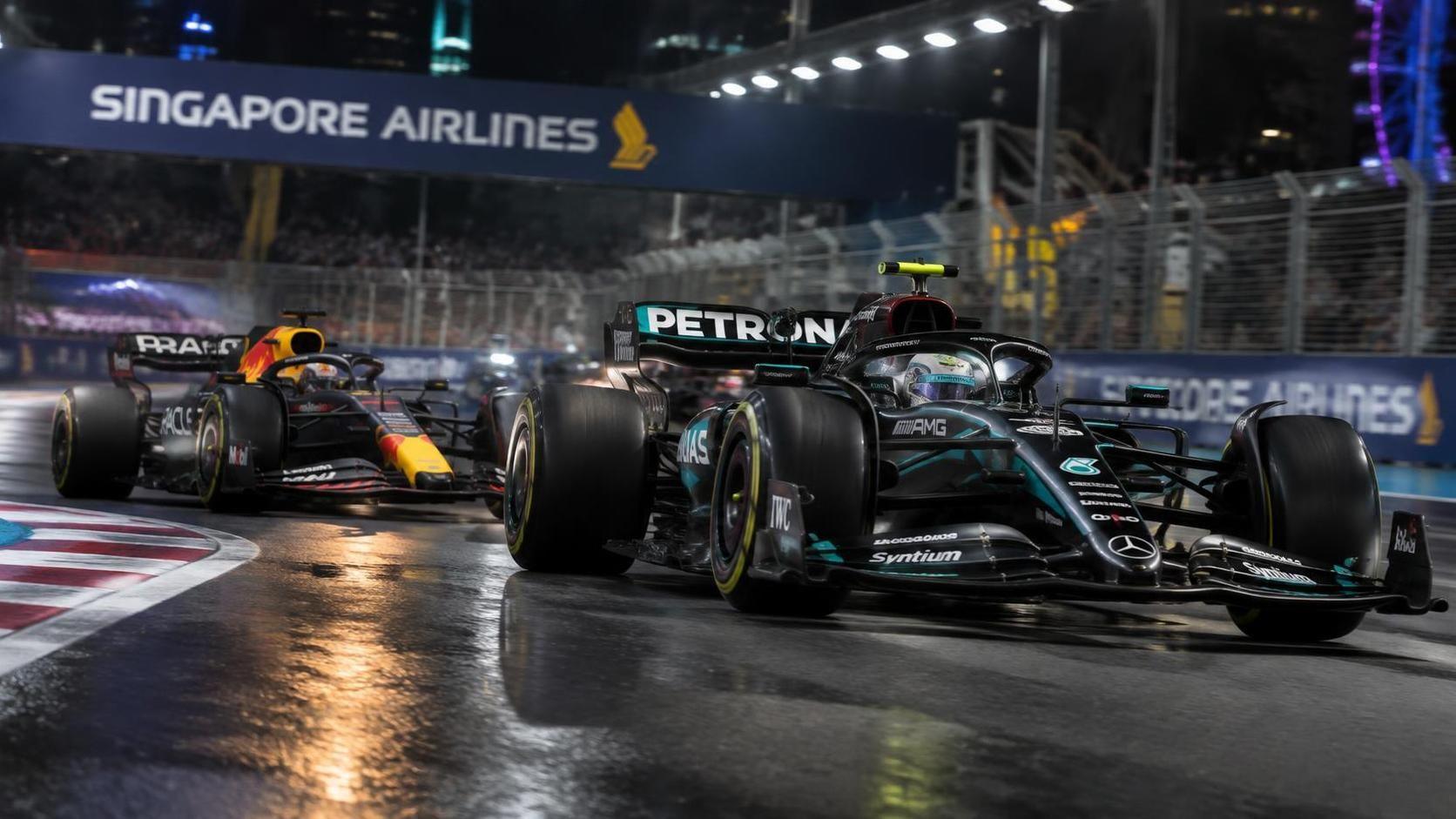
George Russell leads the Singapore Grand Prix practice timesheets
The field piled onto the circuit as soon as the pit lane opened, with every team except Cadillac starting on hard tyres. On that compound, Kimi Antonelli led the early running in 1:33.830, just 0.034 seconds ahead of Leclerc, with Russell another 0.022 seconds behind. Isack Hadjar sat fourth, but reported that his Red Bull bottomed heavily under braking and that the throttle pedal felt slippery.
Oscar Piastri, Norris and Lewis Hamilton stayed within six-tenths of Antonelli, while the rest of the field initially trailed by more than a second. Nico Hülkenberg headed that next group for Audi before stopping on the main straight with around 20 minutes remaining. His radio message pointed to a gearbox problem, bringing out the virtual safety car and briefly interrupting the first meaningful read of the lap times.
Verstappen’s medium-tyre pace challenges Mercedes’ headline lap
Soft tyres reshuffled the order in the closing 15 minutes, though only five drivers outside the Cadillacs used them. Russell’s 1:32.274 proved untouchable on the compound, putting him 0.198 seconds clear of Leclerc and 0.273 ahead of Norris. Hamilton and Piastri finished around half a second off the benchmark, while the contrast between Russell’s older car and Antonelli’s updated Mercedes added another layer to the comparison.
Verstappen produced the session’s most intriguing data point on mediums: his 1:33.006 was about half a second quicker than Antonelli’s best effort on the same rubber. The four-time champion’s pace makes his sixth place less revealing than the raw ranking suggests; Hadjar, also on mediums, was seven-tenths slower than his team-mate. For more on the driver behind that benchmark, see the Max Verstappen profile.
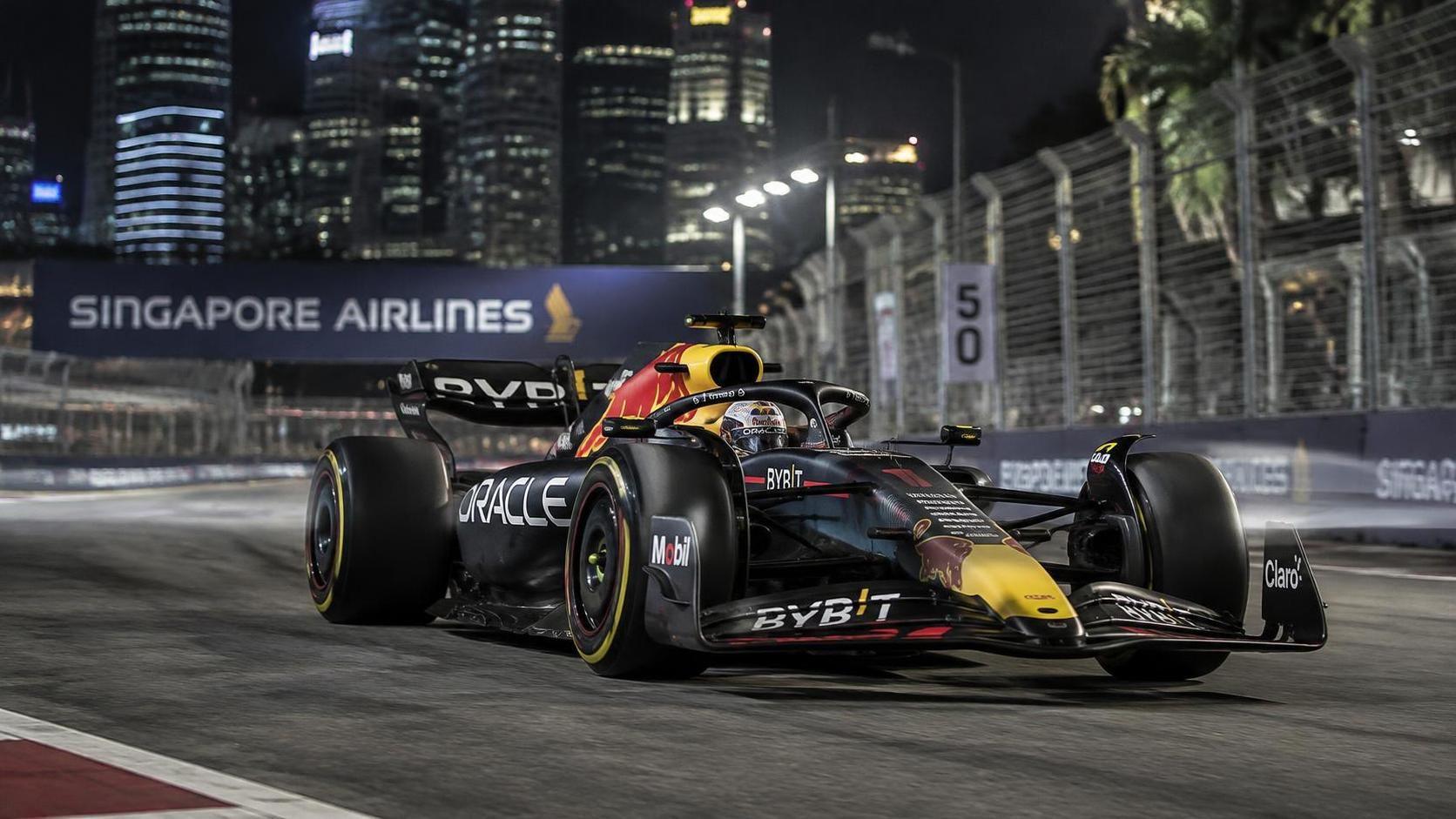
Singapore race weekend strategy hinges on night-session conditions
The practice conditions will not carry neatly into qualifying or the Grand Prix. This session ran in extreme heat, while the remaining competitive sessions take place at night, changing track temperature, grip and tyre behaviour around the tight street circuit. Teams must therefore weigh Russell’s soft-tyre speed against Verstappen’s medium-tyre performance rather than treating the overall order as a settled forecast.
Further down the field, Pierre Gasly led the medium-tyre midfield for Alpine in 1:34.038, with Racing Bulls’ Liam Lawson a tenth behind and Haas’ Oliver Bearman another three-tenths adrift. Aston Martin, Williams and Audi clustered close together, but Fernando Alonso carried Aston Martin’s pace after Lance Stroll reported brake trouble. Russell has the fastest lap; his penalty means Mercedes must now turn that speed into a recovery plan, while Verstappen’s tyre data gives Red Bull Racing a credible strategic option.
Marina Bay’s walls and braking zones leave little room to recover from a setup gamble, so the teams will scrutinise the balance between tyre warm-up and stability before qualifying. Russell’s pace sets the visible target, but Verstappen’s medium-tyre lap may matter more once the lights come on; the circuit’s sparks and underfloor contact also make ride-height choices a point of attention, as explained in this guide to sparks beneath F1 cars.