
Rwanda’s 2030 F1 plans are in the spotlight. South Africa has answered. Africa’s return to the calendar remains a political and practical contest.
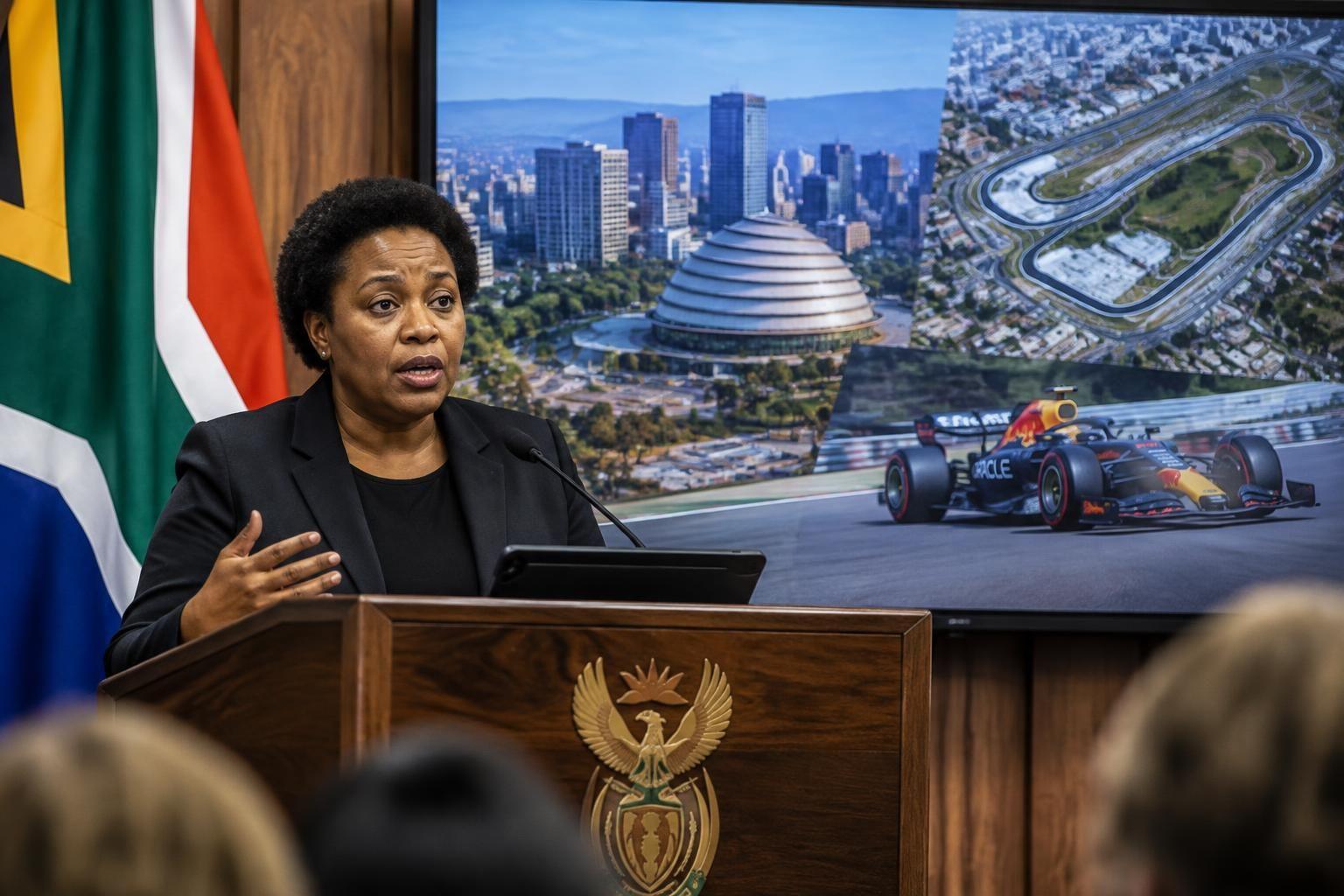
Rwanda’s reported plan to host Formula 1 in 2030 has drawn a measured response from South African sports minister Gayton McKenzie, reopening the contest over which nation will stage the continent’s first Grand Prix since 1993. RacingNews365 reported that a new circuit near Kigali is being planned, with Rwanda’s president, Paul Kagame, having actively pursued the race through ties with F1 and the FIA. McKenzie congratulated Rwanda, saying it had worked on the bid for longer, but insisted South Africa could secure its own race before 2030. His remarks add a sharp edge to the latest round of sports diplomacy, where infrastructure, political access and timing all count. The report puts Rwanda ahead in the race to bring Formula 1 back to Africa, but South Africa has not withdrawn its bid.
The contest carries weight beyond the calendar. Africa remains the only inhabited continent without a current F1 race, and seven-time champion Lewis Hamilton has repeatedly called for the sport to return. For fans, the question is no longer simply whether a Grand Prix belongs on the continent, but which country can turn ambition into a circuit, a funding model and a lasting place on the schedule. The latest report on Rwanda’s proposed African Grand Prix sets out how quickly the balance may be shifting.
Rwanda’s Kigali Grand Prix plans gain momentum
Rwanda has built its case through visibility and access. Kigali hosted the FIA general assembly and awards ceremony in 2024, while Kagame has attended several grands prix and developed warm relations with FIA president Mohammed Ben Sulayem and Formula 1 chief executive Stefano Domenicali. That sustained push gives the bid political traction, though a race still depends on delivery: a circuit must be designed, financed and built to meet the sport’s standards.
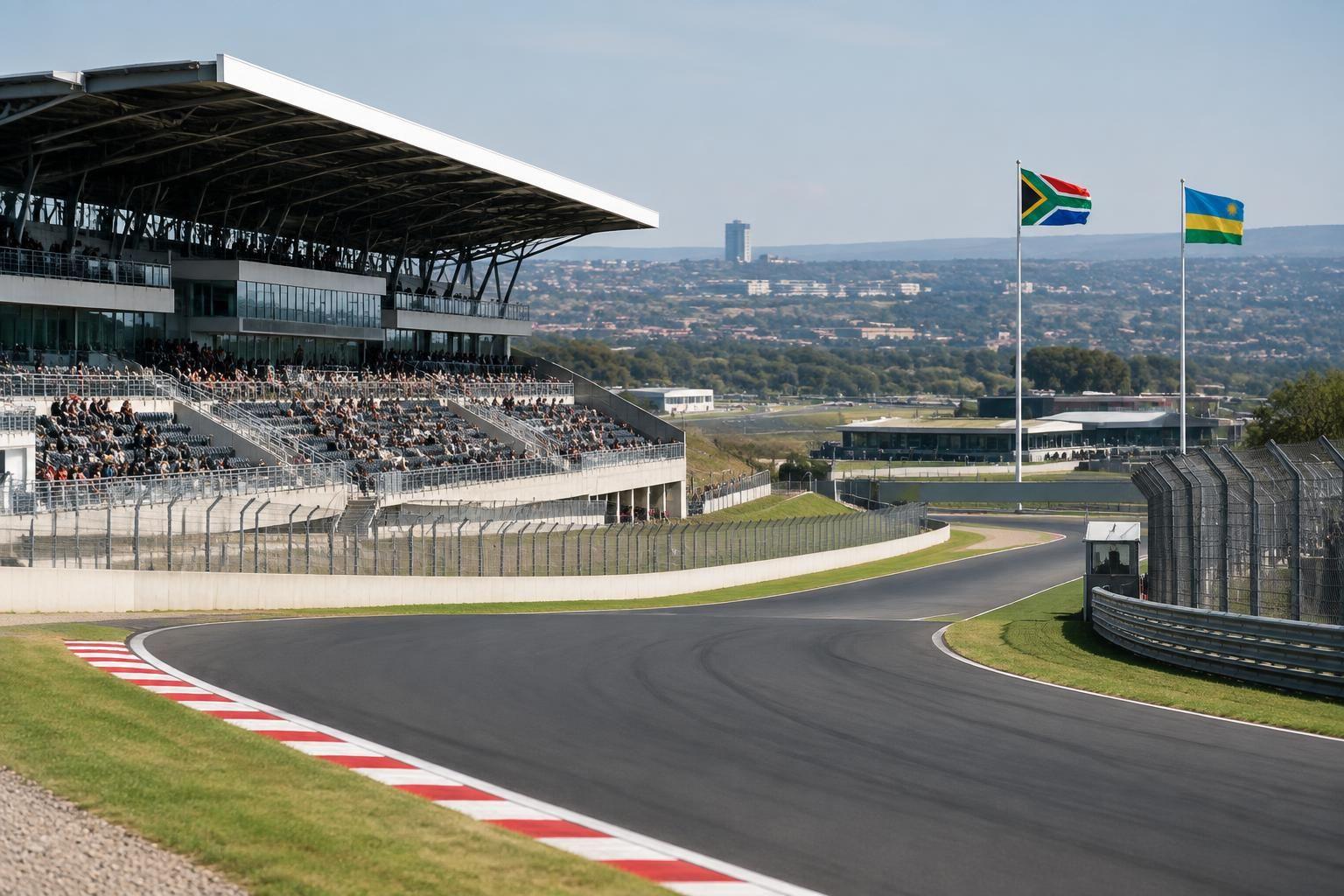
South Africa’s historic advantage has not translated into a ready-to-race venue. Kyalami, which last hosted the South African Grand Prix in 1993, does not currently hold FIA Grade 1 status, the certification needed to stage a Formula 1 event. Organisers have discussed upgrades if a hosting package comes together, but Rwanda’s reported plans have moved the immediate spotlight towards Kigali. For background on why an African return matters to the sport, see this case for Formula 1’s return to Africa.
South African government response keeps the bid alive
McKenzie’s message was supportive, not surrender. He praised Rwanda’s work while arguing that a continent of 55 countries should not be limited to one race when other nations host multiple events. His comparison has precedent: Italy ran two grands prix annually from 2021 to 2025, with Imola joining Monza, and Mugello staged a one-off race during the disrupted 2020 season.
The United States offers an even clearer modern example. It currently hosts three rounds—Austin, Miami and Las Vegas—showing that F1 can support several events in one country when demand and commercial backing justify them. That does not guarantee two African races, but it undercuts the idea that Rwanda’s progress must automatically close South Africa’s door. More updates are available in F1 news.
What the African motorsport race means for F1
The next test is practical, not rhetorical. Rwanda must turn its proposed circuit into a credible project, while South Africa needs to resolve Kyalami’s grading gap and assemble a viable hosting package. Neither political enthusiasm nor a historic legacy can replace the technical approval, investment and calendar space required by Formula 1.
For African motorsport, competition between the bids could strengthen the case for a return by keeping attention on the continent and encouraging concrete proposals. But a reported target of 2030 is not the same as a confirmed race date, and the available details point to plans rather than a completed circuit or final calendar agreement. Rwanda currently has momentum; South Africa’s government response makes clear that its own ambition remains in play.