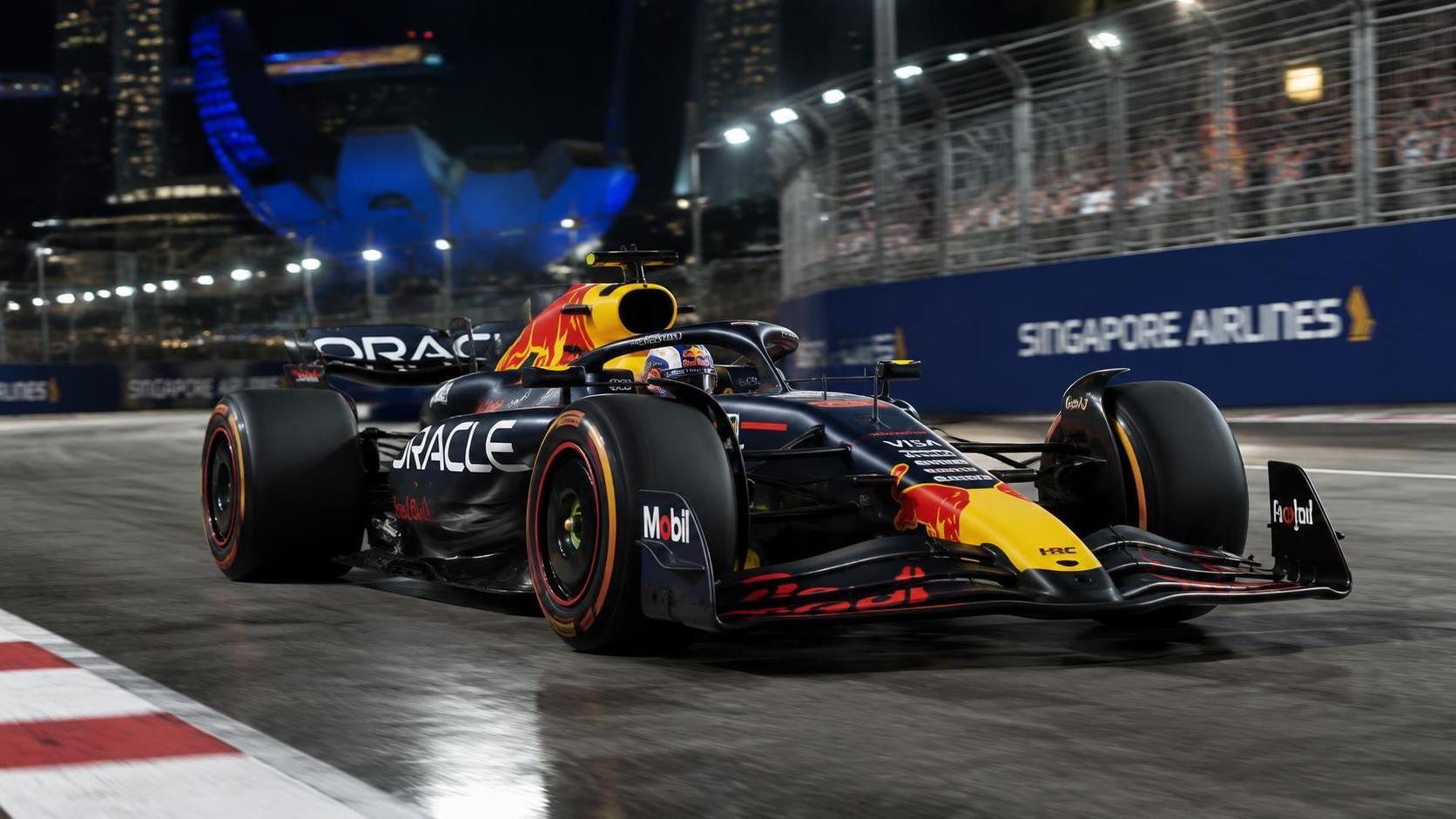

Verstappen’s Sepang win was no fluke. Red Bull’s upgrades changed the RB22’s behaviour. Singapore will show whether the comeback can travel.
Max Verstappen and Red Bull Racing turned a troubled run into a convincing victory at Sepang, but the result was not simply a matter of one circuit suiting the car. Recent work on the RB22 has given the Dutchman a more predictable platform and the confidence to attack through corners.
For much of the season, Verstappen struggled with sudden rear-end movement mid-corner, a problem that made the car difficult to trust. Now the gains in car development, backed by strong teamwork and the evidence of Isack Hadjar’s pace, suggest this Formula 1 comeback has a technical foundation. The next test comes on a very different stage.
How Red Bull’s RB22 upgrades powered Verstappen’s Formula 1 comeback
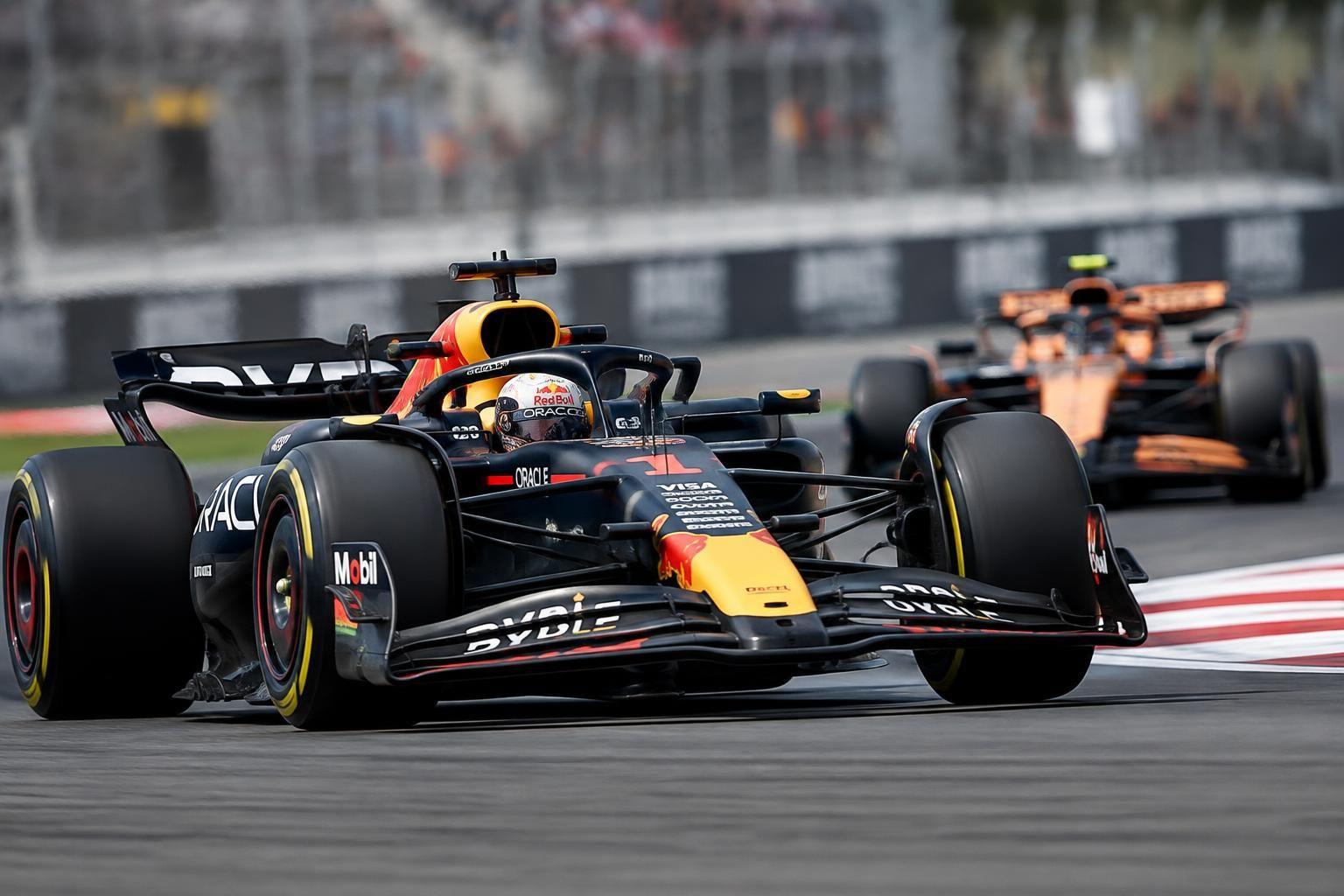
The latest package revised the sidepods’ upper profile and, more significantly, their undercut. That work allowed Red Bull Racing to run a different aerodynamic map from the Spanish Grand Prix onwards, helping the RB22 respond more cleanly when the driver changed direction.
The effect matters most through the middle of a corner, where Verstappen had previously felt the rear step out without warning. A car that rotates with greater precision lets him commit earlier and manage the exit more consistently; Hadjar’s performances offer another indication that the improvement is not confined to one driver. More detail on the young driver’s situation appears in this report on Isack Hadjar’s Red Bull assessment.
Sepang suited Red Bull’s strengths—but exposed the real test
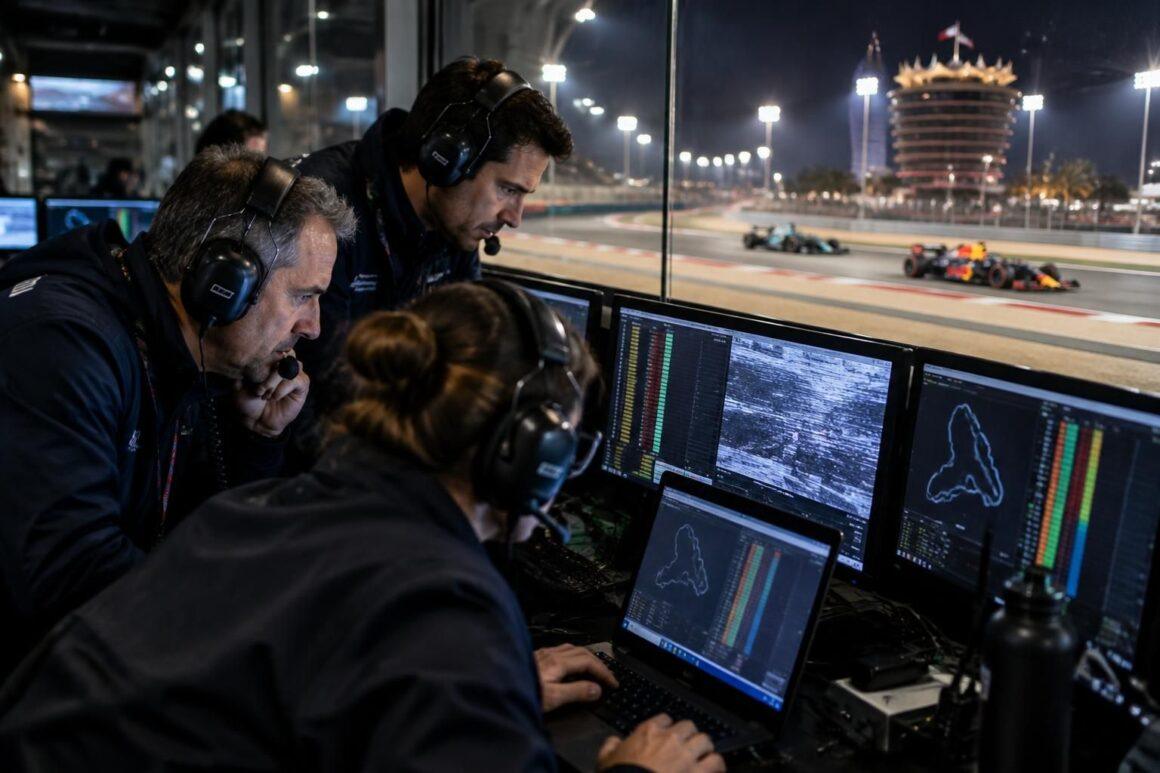
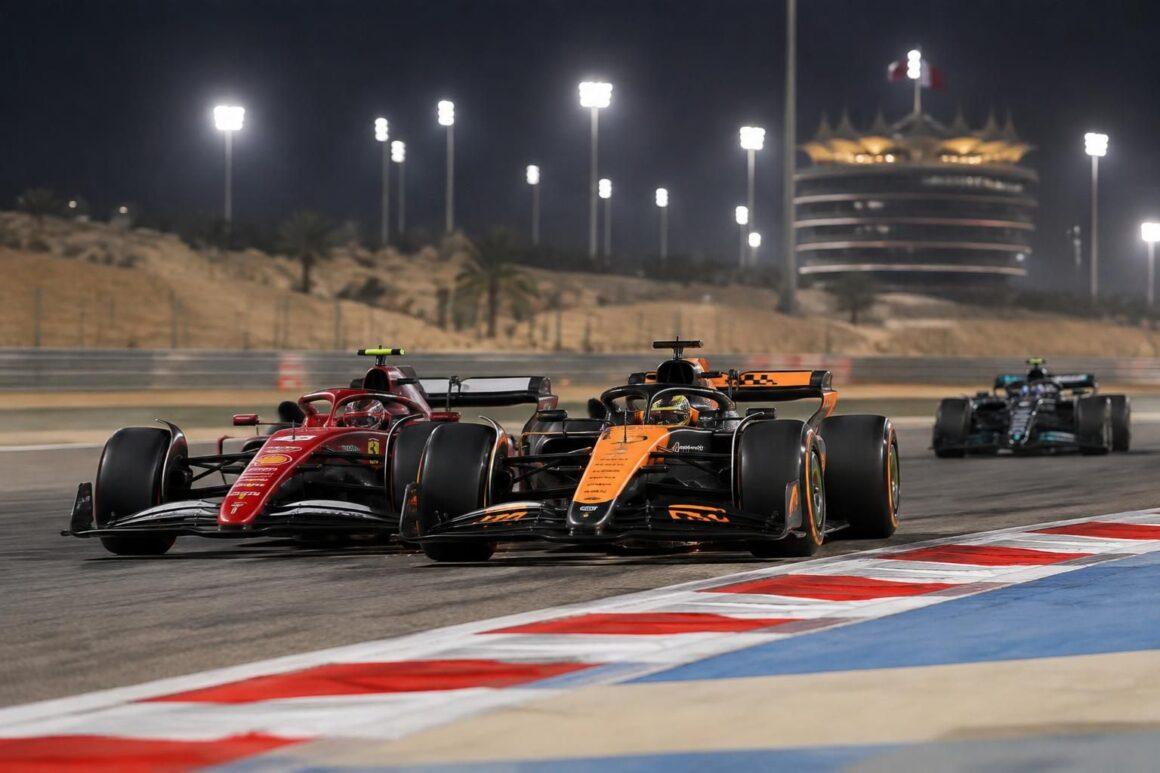
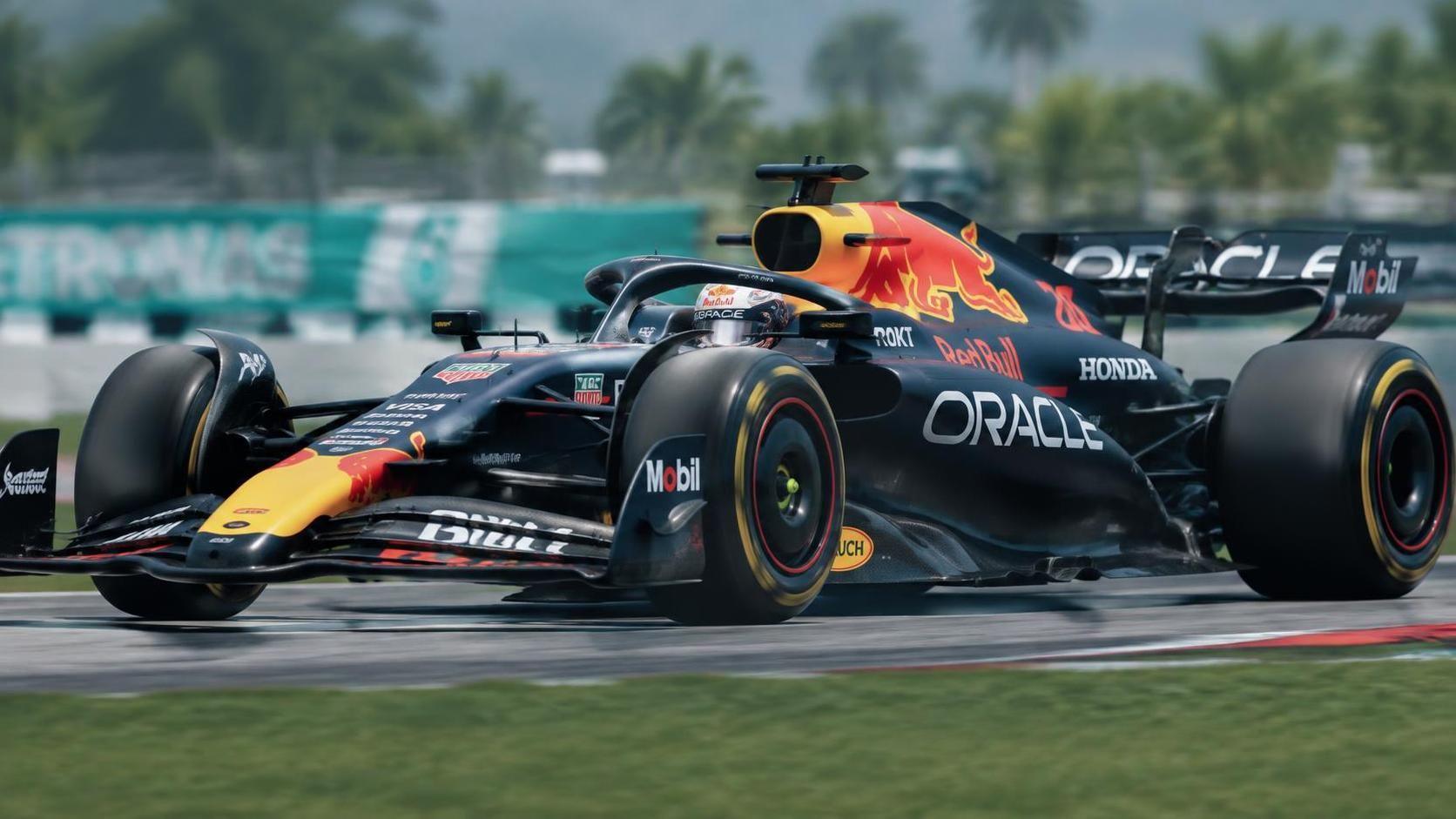
Sepang gave the upgraded car a useful proving ground: long straights feed into the final hairpin, then the lap shifts into medium- and high-speed corners. The RB22 could show its improved balance through the turns while its combustion engine and energy management helped on the straights, even if the circuit’s power-unit demands proved less severe than expected.
Verstappen also brought valuable circuit knowledge, having won at Sepang before. That experience helped him read a damp race in which grip changed across the lap, while his qualifying work showed the car could deliver over one lap too. Readers looking back at the circuit’s Formula 1 history can find more in this feature on drivers who raced in Malaysia’s final Grand Prix.
Singapore is the litmus test for Red Bull’s championship hopes
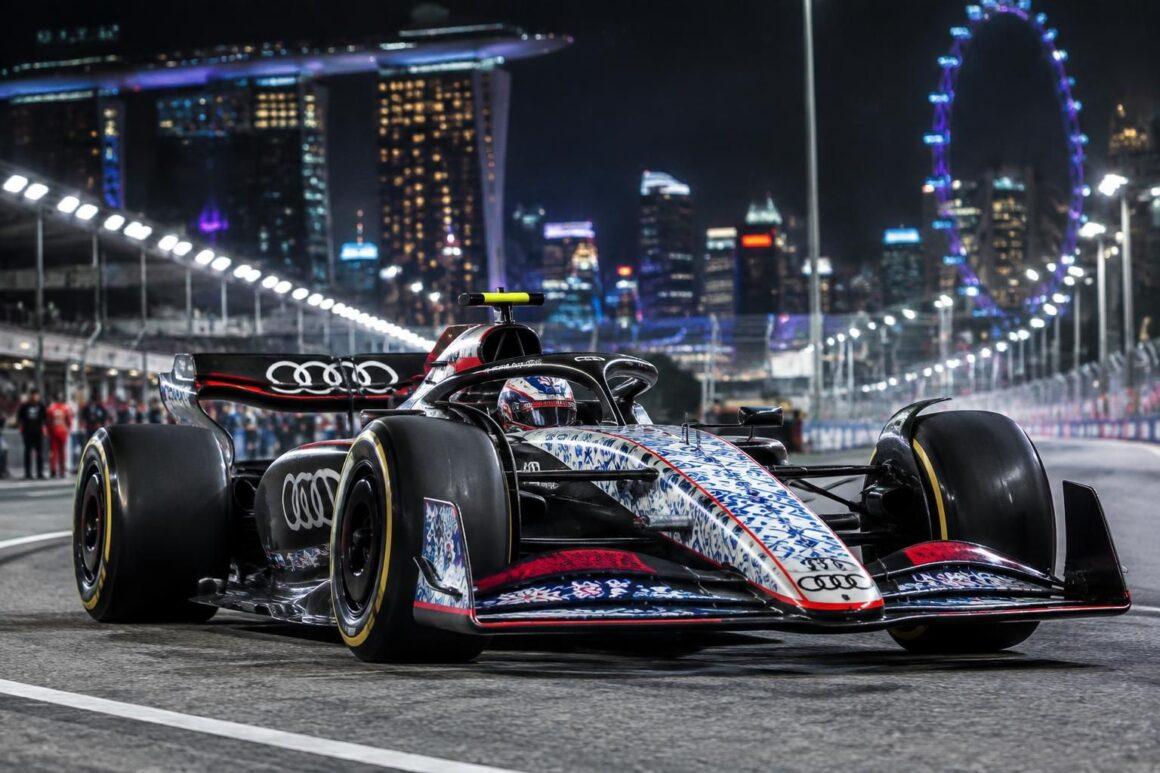
Marina Bay asks a different question of the RB22. Its tight corners and limited opportunities to recover time will test whether the revised aerodynamic balance works beyond Sepang’s faster layout, and whether Red Bull Racing can keep the car inside its best operating window.
If the package remains predictable in Singapore, the team will have stronger grounds to call itself a championship contender rather than a one-track threat. Consistency across contrasting circuits—not a single headline result—will define the scale of Verstappen’s recovery, and the next round will put that claim under pressure. Follow the latest developments on LAS Motorsport’s F1 coverage.