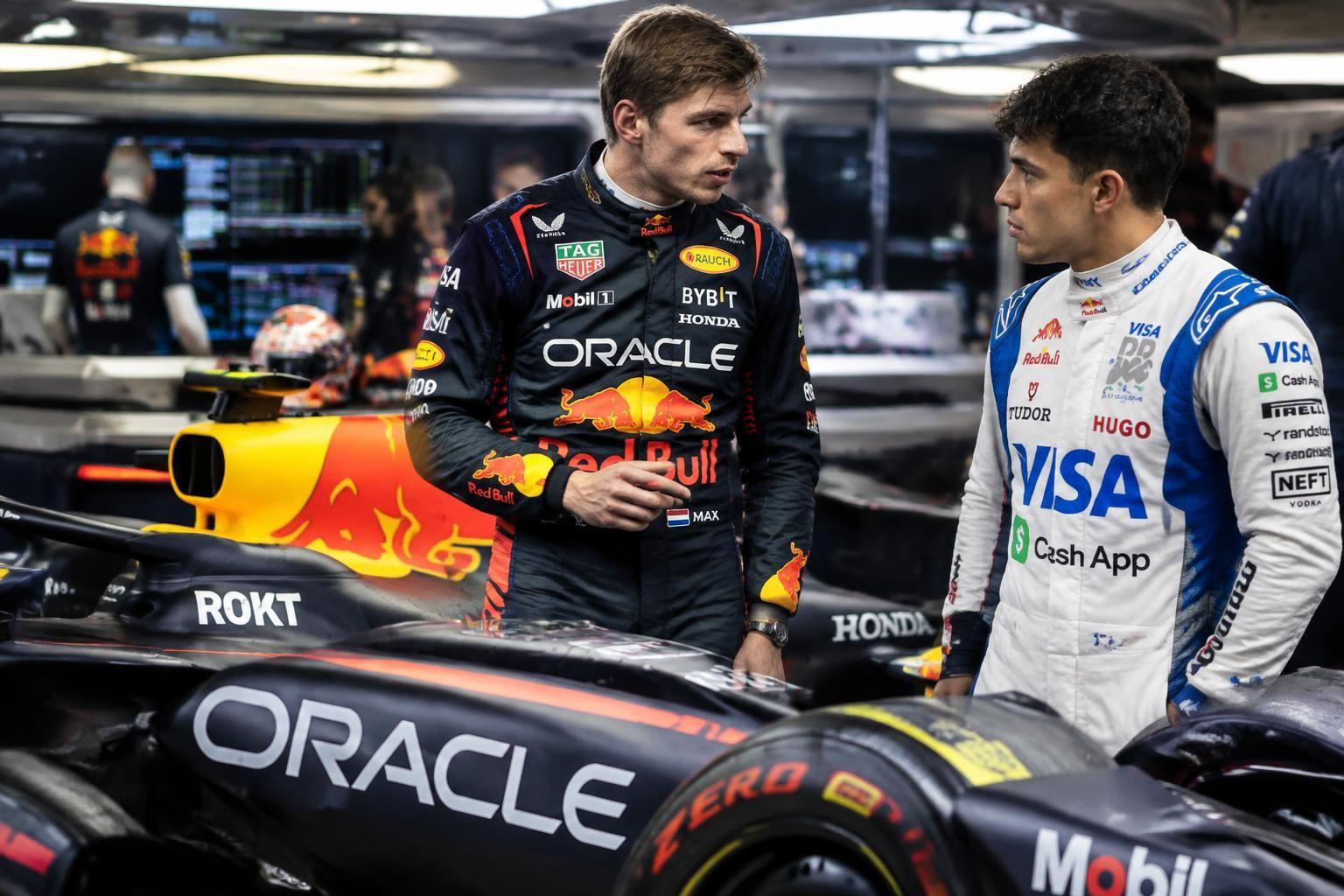

Red Bull must learn fast. Max Verstappen and Isack Hadjar want the team to confront its mistakes now. The 2027 car cannot afford the same weaknesses.
Max Verstappen and Isack Hadjar agree that Red Bull Racing should use the remaining races of the 2026 Formula 1 season as a live test programme, not chase results at the expense of development. With seven or eight weekends left, depending on the Middle East calendar, the team still wants to avoid its first winless campaign since 2015. But both drivers see a bigger prize in identifying what must change before the next car takes shape. Verstappen says the varied circuits ahead can expose where the RB22 falls short. Hadjar’s message is sharper: make the mistakes now, learn from them, and start 2027 ready to fight.
Verstappen and Hadjar put 2027 learning ahead of race results
For Verstappen, the coming rounds offer a chance to compare the RB22 across different track demands. He has said the recent weekends have improved on the season’s opening stretch, but the team is not in a championship fight and can therefore test ideas without protecting a title campaign. That shift changes the weekend brief: each run can help explain how the car behaves on contrasting layouts and what the next design must deliver.
Hadjar shares that priority, even if it means treating individual finishing positions as secondary. The Frenchman says Red Bull Racing wants to try solutions, accept errors and gather as much information as possible before the final race. His approach also marks a different dynamic in the second seat: rather than simply adapting to the team’s established direction, he says his feedback and Verstappen’s are largely aligned. That agreement gives engineers a clearer development signal.
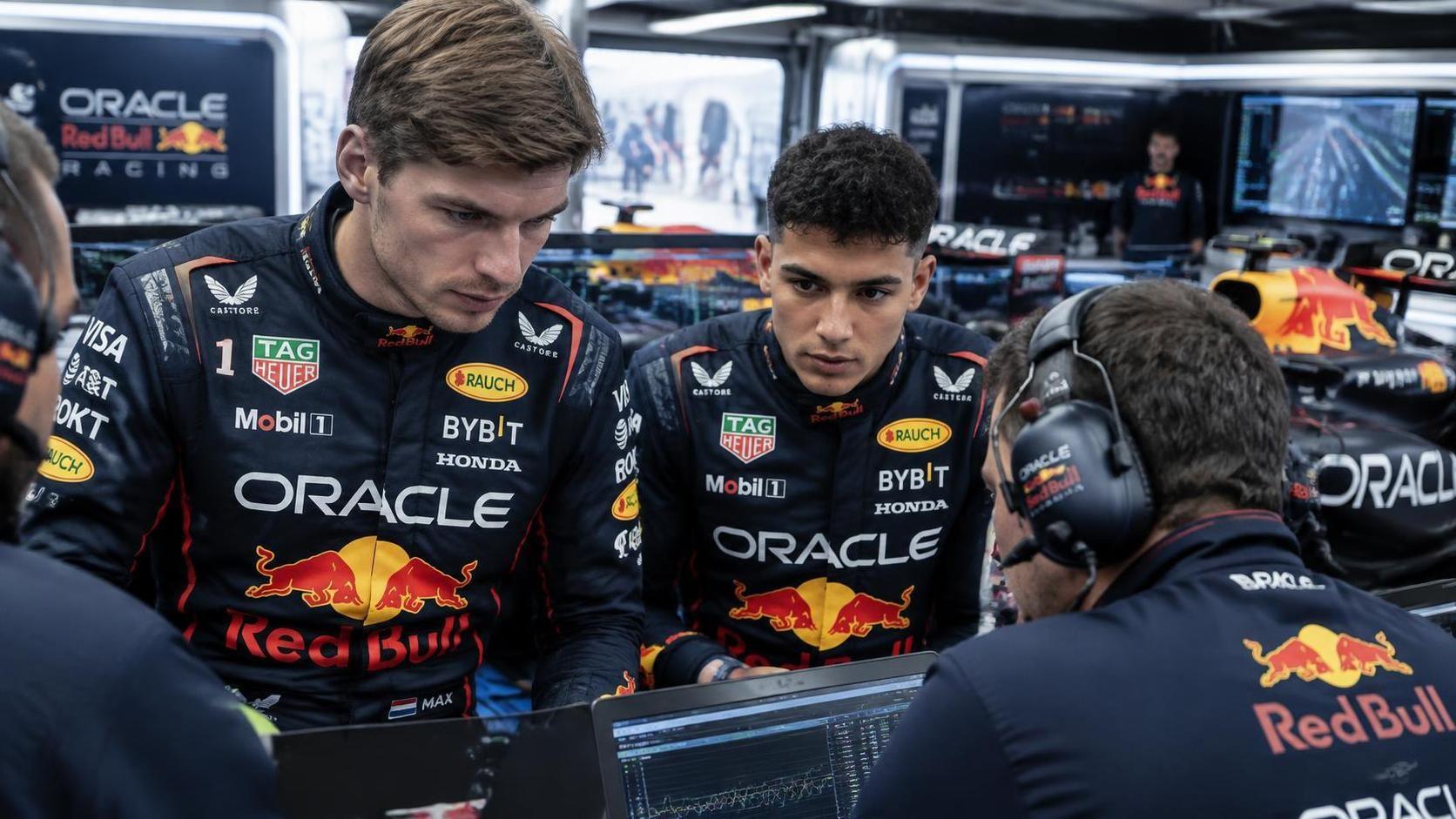
Red Bull’s car development must address structural weaknesses
The Baku package was Red Bull’s final major upgrade for this year, and Verstappen called it a decent step. Yet he has warned that a much larger gain is needed across the car and power unit if the team wants to compete next season. The current chassis limits what engineers can change, while the budget cap restricts further development. The point of the remaining races is to learn where those limits have hurt performance.
Verstappen has also flagged “car degradation” as a problem the team must prevent from carrying over. He has ideas for broader changes to the RB23, while acknowledging that power-unit work remains constrained without an ADUO token; fine-tuning is still possible. That makes disciplined driver feedback especially valuable: engineers need to separate the symptoms of a difficult circuit from weaknesses rooted in the car itself. Red Bull’s earlier struggle to make its machinery comfortable for other drivers offers a useful warning, explored in this account of Yuki Tsunoda’s experience.
Red Bull’s team strategy now shapes its 2027 prospects
Hadjar says he and Verstappen are “mostly aligned” on the structural changes required. That shared view could help Red Bull Racing avoid a familiar trap: pursuing upgrades that look promising in simulation but fail to solve the drivers’ core complaints on track. The team’s strategy for the remaining weekends must connect each experiment to a clear question, so that a poor result still produces usable data rather than confusion.
The short-term target remains to find a win before the season closes, with Baku previously identified by Verstappen as a favourable opportunity because of its layout and Mercedes’ pending upgrade. But the broader measure is performance improvement for 2027, not a single result. Red Bull’s response to its recent Baku package offers context in this report on its Azerbaijan pace; now the job is to turn those lessons into lasting gains across the car, rather than another short-lived fix.