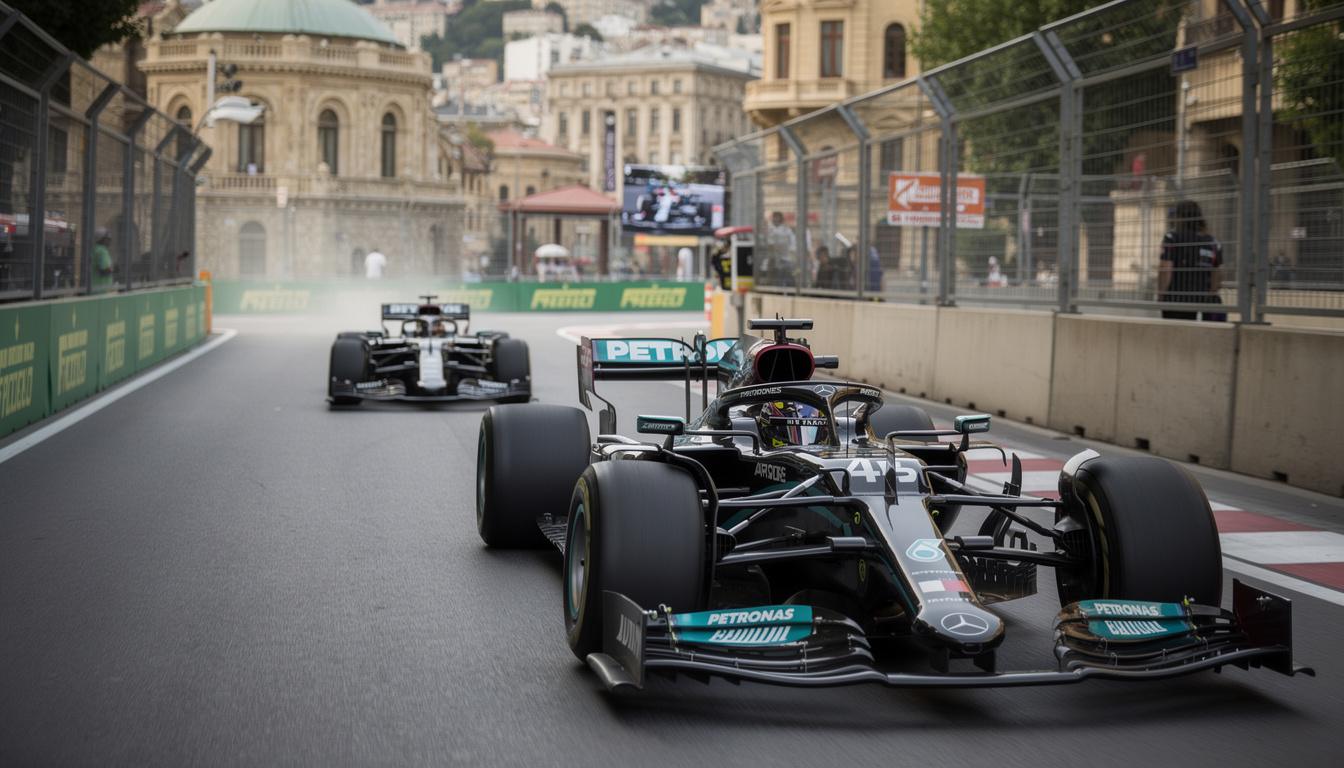

Russell tears up the Baku order. Leclerc is nearly eight tenths back. Mercedes leave the field with a brutal benchmark.
George Russell turned qualifying for the Azerbaijan Grand Prix into a statement of control, taking pole in 1:42.526 and beating Charles Leclerc by 0.837 seconds. The scale of the margin stunned a paddock that had watched Max Verstappen edge Russell by 0.099 seconds in final practice. Then the lights came on, and Mercedes found another gear.
Russell called it the biggest gap of his career, stretching back through his junior-category years. It was his fifth pole of the season and the twelfth of his Formula One career, built on a lap that left little room for argument. Yet the result only settles Saturday’s grid: the racing, and the chance of victory, still lie ahead. At Baku, one mistake can turn a commanding start into a long afternoon.
Russell’s Baku pole puts Mercedes in a class of its own
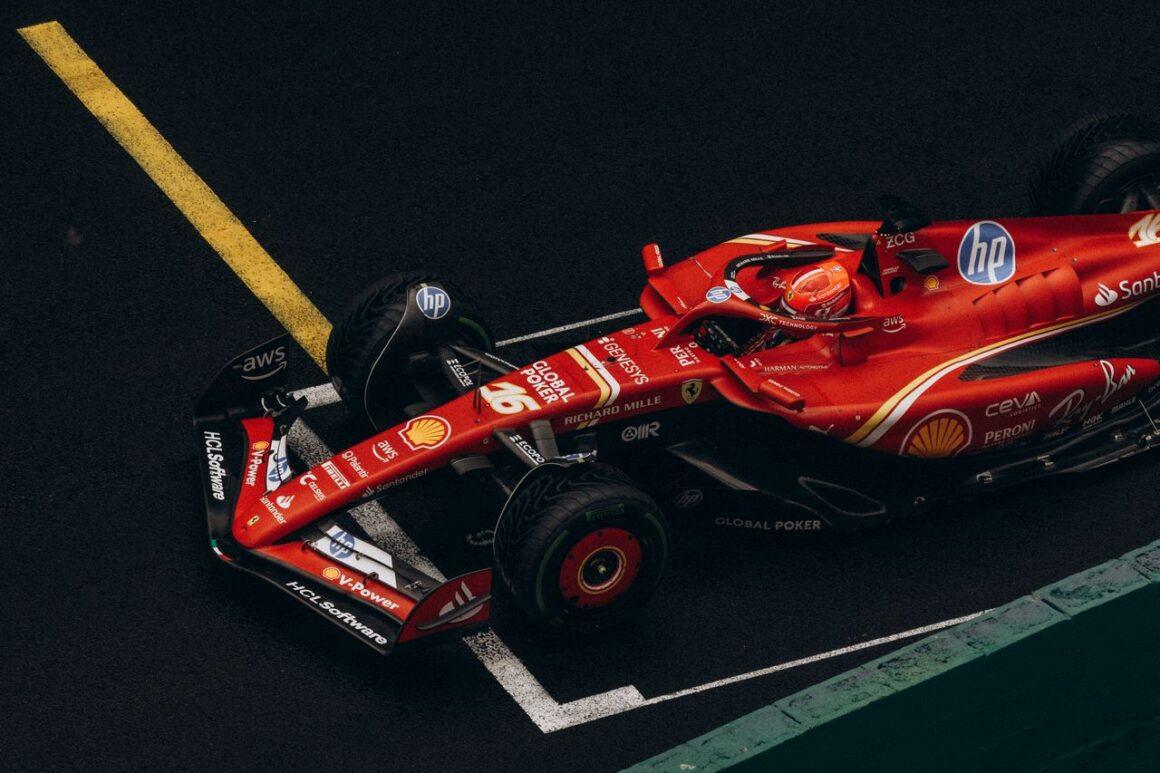
Oscar Piastri set the early Q3 benchmark, but the Australian could not hold the top spot once the final runs began. Leclerc secured second in 1:43.363, just one thousandth ahead of Piastri, while Russell cleared both by a margin more commonly seen across a full qualifying segment than between front-row contenders.
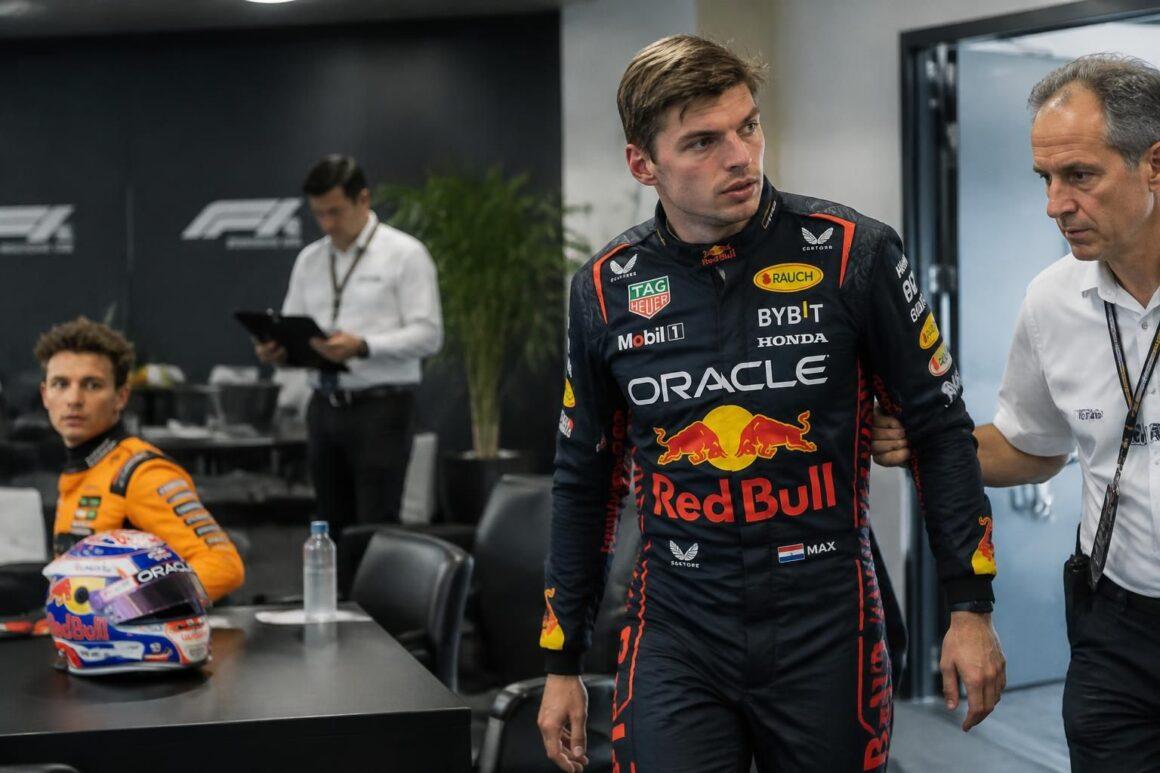
The contrast with practice gives the lap extra bite: Verstappen had looked capable of challenging, but ended qualifying eighth. A yellow flag after Lando Norris ran off track disrupted his final opportunity, according to Russell, though it does not erase the scale of the pole gap. The pace-setting pattern had emerged earlier in the weekend, as this report on Russell’s Baku practice pace charted.
Antonelli’s Q1 crash reshapes the Mercedes strategy
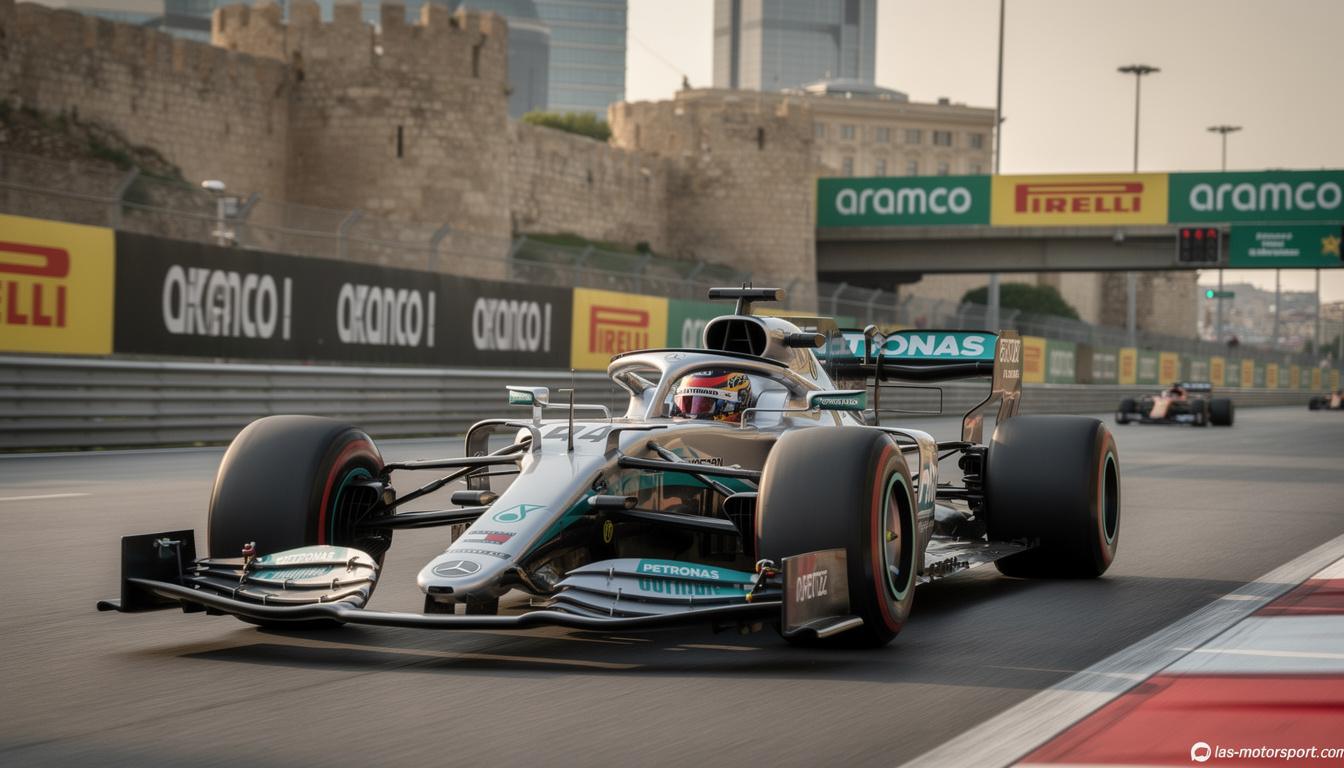
Kimi Antonelli suffered the session’s most damaging moment when he hit the inside wall at Turn 1 in Q1, breaking his Mercedes suspension. His earlier lap was quick enough for Q2, but the damage ended his qualifying and left him 16th on the grid. For a team that had just claimed pole, the split result leaves one car in command and the other facing a recovery job.
The timing matters in the championship. Antonelli arrived with an 81-point lead over Russell, so a low starting position creates pressure even if it does not decide the title on its own. Baku’s long straights offer overtaking chances, but its narrow, unforgiving sections make traffic and safety-car timing hard to read. Mercedes will need to balance Russell’s clean-air advantage with a plan that gives Antonelli room to climb.
Russell’s career-gap claim raises the stakes for race day
Behind the front three, Isack Hadjar took an impressive fourth on his return after missing the previous three Grands Prix. Norris qualified fifth, 1.146 seconds off pole after his off-track moment compromised his final push, while Lewis Hamilton and Pierre Gasly filled the next two places. Carlos Sainz and Franco Colapinto completed the top ten.
Russell’s “biggest gap” remark captures the shock of the timing sheet, but the key question now is whether Mercedes can convert qualifying dominance into race control. The team’s weekend form follows an earlier pace-setting display in opening practice, documented in Russell’s first Baku benchmark. For more on his recent results and career, see the Russell driver profile; on Sunday, the pole will count only if he keeps the field behind.