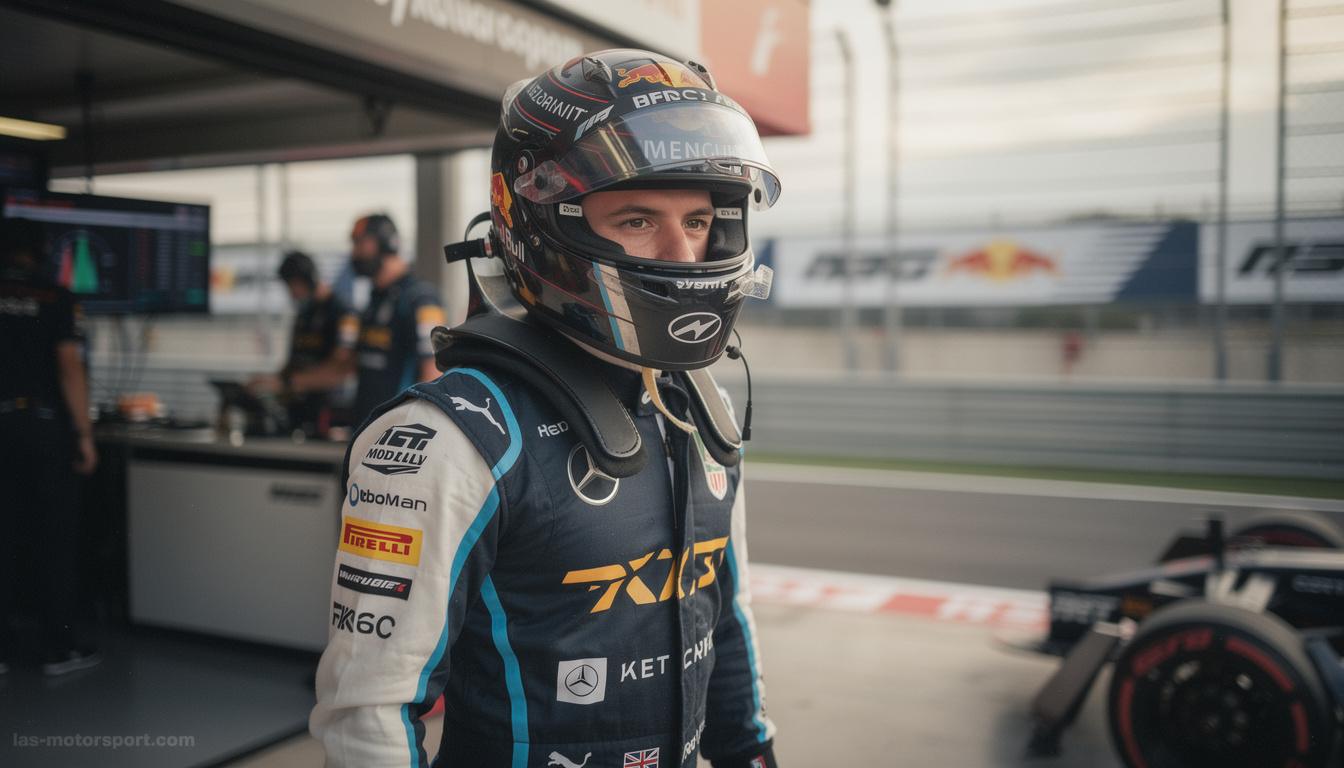

Isack Hadjar stands at the crossroads of his F1 future as Red Bull prepares for a decisive evaluation. The French rookie aims to reclaim his seat after a wrist injury sidelined him for three races. This final assessment will shape the lineup for the Azerbaijan Grand Prix in Baku, adding tension to Red Bull’s driver strategy.
Isack Hadjar has been notably absent from the last three grands prix following a wrist fracture sustained during the summer break. Red Bull has entrusted Liam Lawson to fill the void alongside Max Verstappen, who continues to push the RB22 to its limits. The French driver’s recovery has been closely monitored, with the team’s medical and performance staff prioritising a return only when he is fully fit. His latest stint in the Red Bull simulator is the final hurdle before the outfit makes a call on his comeback for this weekend’s Azerbaijan GP, uniquely scheduled on a Saturday. With pressure mounting, this decision will have ripple effects across Red Bull’s junior and senior driver arrangements.
Isack Hadjar’s crucial simulator run defines Baku race line-up
Hadjar’s wrist injury, resulting from an unfortunate boxing accident during training, has kept him out since the Dutch Grand Prix. The Frenchman has spent significant time in Red Bull’s simulator, a tool that has become crucial to assessing a driver’s readiness and performance continuity despite physical setbacks. Latest insights suggest that Hadjar feels less pain and increased mobility, but the simulator’s feedback will quantify his ability to handle the demands of an F1 cockpit in 2026’s ground-effect era.
Should Hadjar’s performance metrics meet team standards, he will rejoin Verstappen in the RB22 for Baku. This shift will send Liam Lawson back to the Red Bull development programme, Racing Bulls, effectively ending Yuki Tsunoda’s brief three-race stint alongside Arvid Lindblad in the junior team. Tsunoda had made the most of his cameo, scoring points at Monza, but a reshuffle is imminent depending on Hadjar’s clearance. This underlines the complexities teams face in balancing driver development, injury recovery, and race readiness in the high-stakes world of F1.
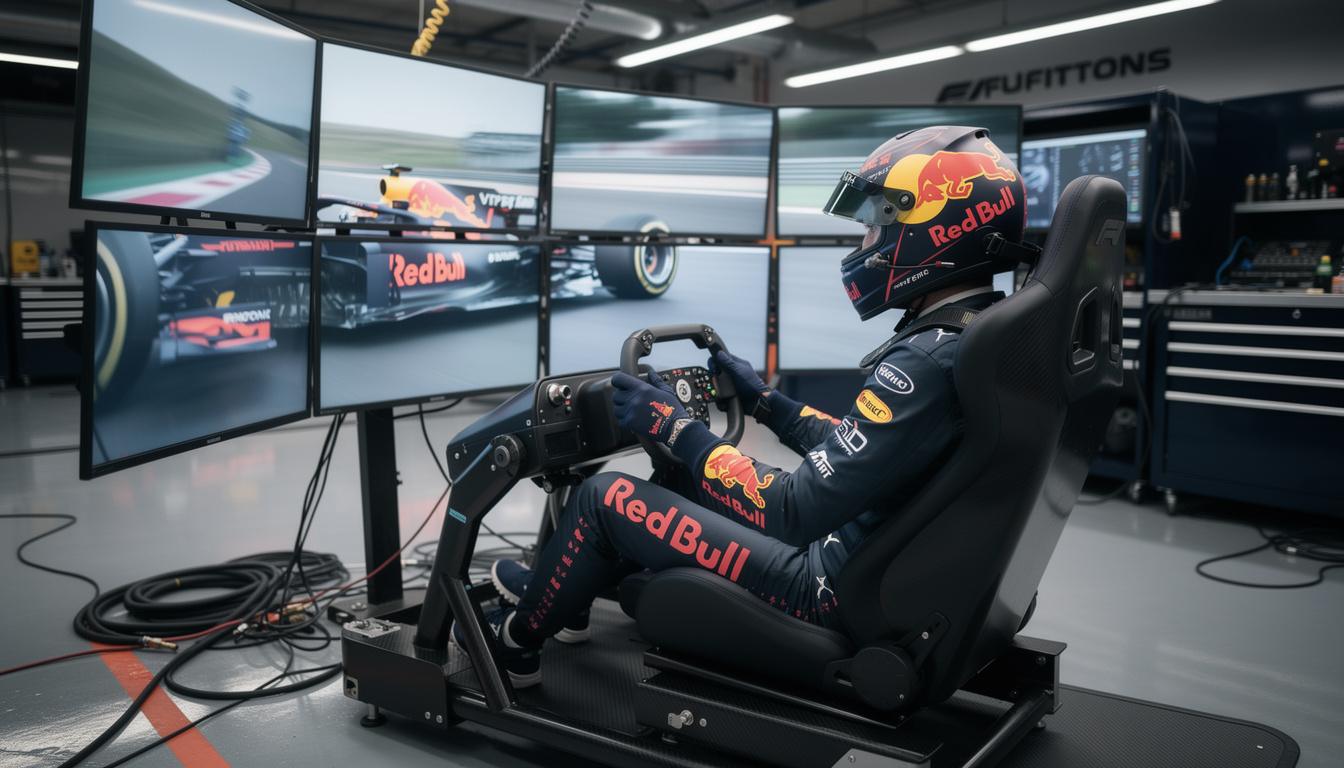
Strategic dimensions of Hadjar’s comeback assessment
Red Bull’s focus isn’t only on Hadjar’s physical healing but also his ability to deliver performance under the aggressive telemetry demands of 2026’s F1 regulations. The RB22, updated and extensively tested, requires a driver who can exploit its ground-effect aerodynamics and maximise ERS deployment without compromise. Simulator data feeds directly into guiding the race engineers on managing tire degradation and powertrain efficiency, critical in a track like Baku where street circuit bounce and tight corners demand surgical precision.
The medical team’s clearance is a prerequisite, but Red Bull’s technical staff heavily weigh simulator consistency and peak lap times over raw speed alone. The interplay between Hadjar’s injury recovery and his capacity to adapt to technical nuances of the car and evolving race strategies will determine if he rejoins not just as a driver but as a fully competitive asset to Red Bull’s championship aspirations. Such assessments reflect deeper trends in motorsport where simulator fidelity becomes a cornerstone of race-day decision-making.
Implications of Hadjar’s return on Red Bull’s 2026 championship
Red Bull’s decision on Hadjar’s race readiness impacts more than just the driver lineup; it could influence the team’s strategic depth in a season increasingly defined by fine margins. If the 21-year-old Frenchman passes his final evaluation, the team regains a promising talent eager to prove his pace, especially against established names. However, retention of Lawson alongside Verstappen would mean continuity and stability but could bottleneck Hadjar’s development within F1’s elite.
Moreover, this decision triggers a cascade effect for Red Bull’s junior programme and reserve roles. Tsunoda’s demotion back to third driver status and Lawson’s move to Racing Bulls underline the fluid driver market typical of the sport’s intense competition. This scenario places Hadjar at the heart of Red Bull’s mid-season manoeuvring, demonstrating just how injury recovery and driver assessments interplay within the broader motorsport strategy. Teams must balance immediate results with long-term driver growth—a puzzle that Hadjar’s comeback evaluation encapsulates. For the latest insights into Formula 1’s shifting dynamics, follow our detailed coverage at LAS Motorsport and our ongoing F1 News.