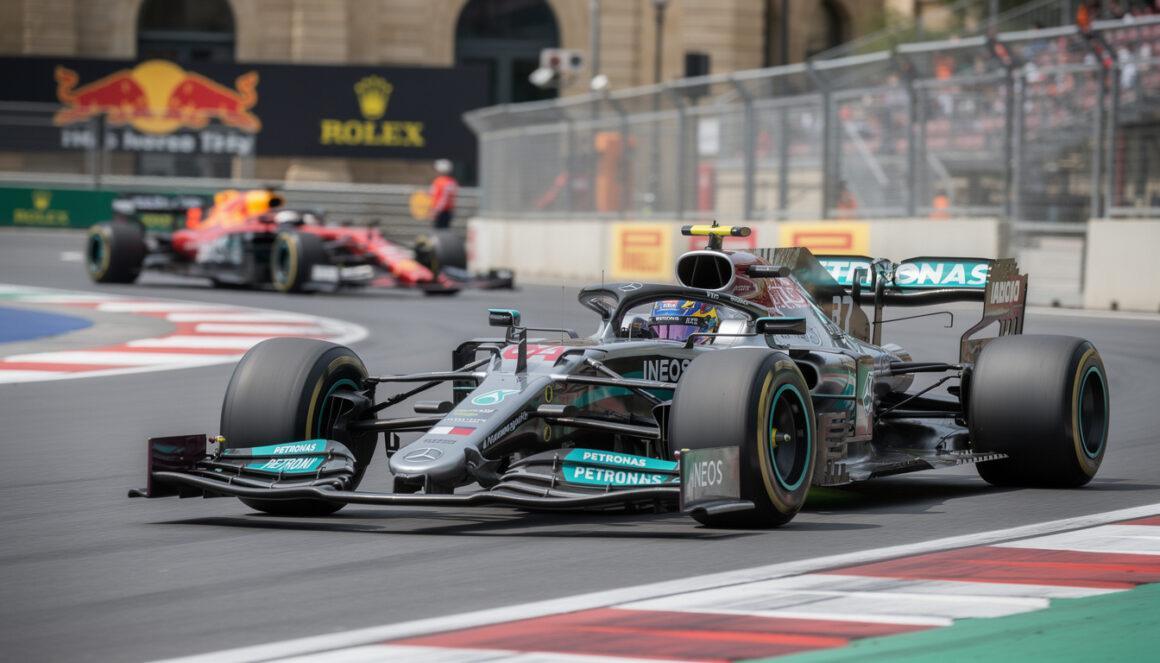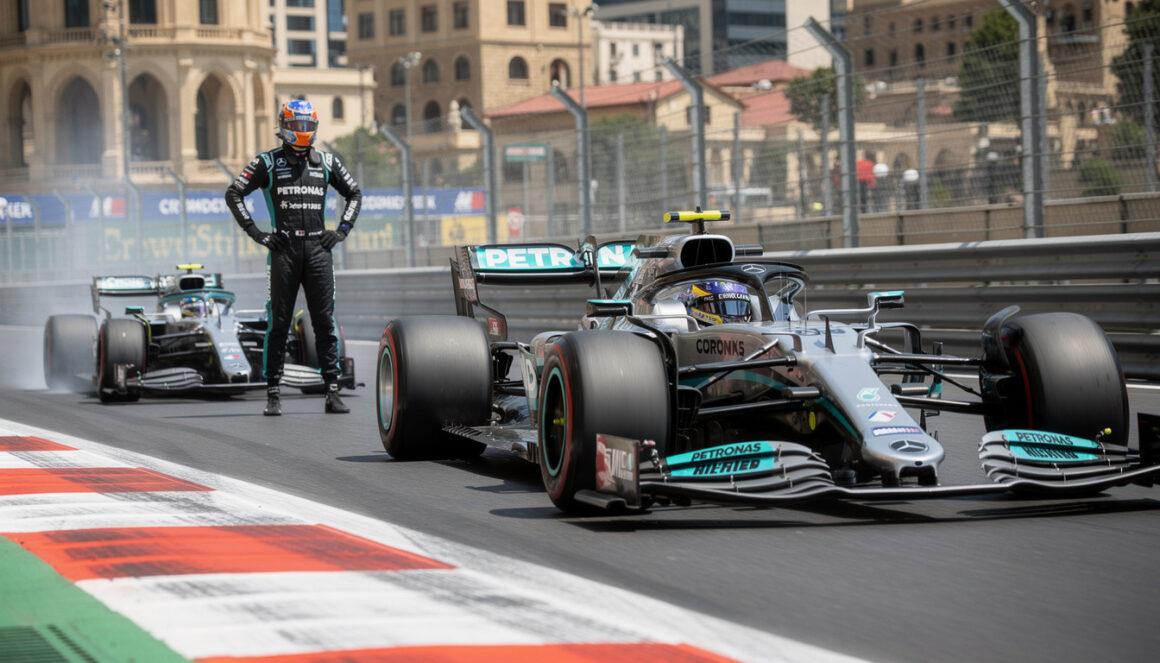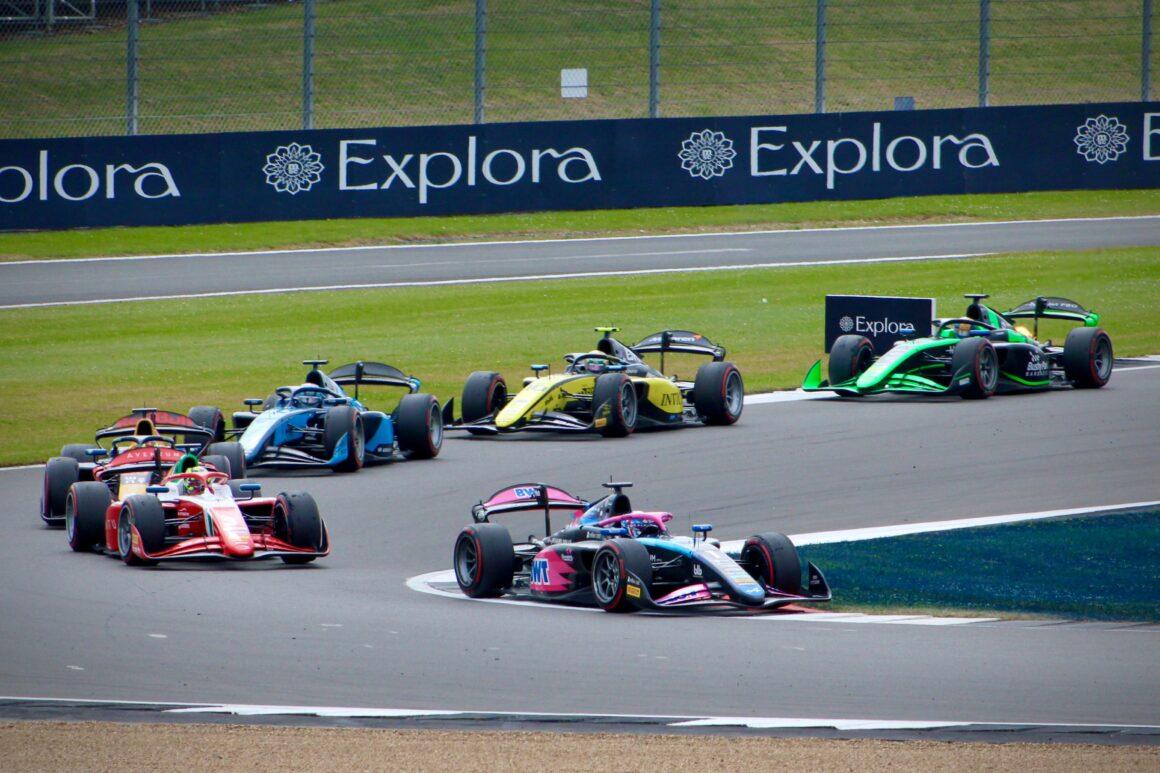


F1 chicanes turn raw straight-line speed into a braking, balance, and precision test. At Monza, cars can lose roughly 250 km/h before the first direction change. The smallest kerb strike can decide overtaking, tyre life, and safety.
Key points: F1 chicanes are not merely slow corners. They reshape racing, expose driver skill, and force circuit designers to balance speed control with spectacle.
What Is a Chicane in F1?
A chicane combines at least two alternating corners, usually after a fast section. Its geometry forces braking, rotation, and traction within a short distance. The FIA’s 2026 regulations reduce minimum car mass to 768 kg. That lower mass changes how cars attack kerbs, braking zones, and the wider F1 track layout.
Chicanes interrupt airflow efficiency and prevent a circuit becoming a flat-out acceleration contest. They also create a measurable test of braking stability.
Monza’s Variante del Rettifilo shows the concept clearly. A driver arrives at more than 330 km/h, then brakes toward approximately 80 km/h. The car must remain straight while downforce falls rapidly. A late steering input can produce a locked front tyre.
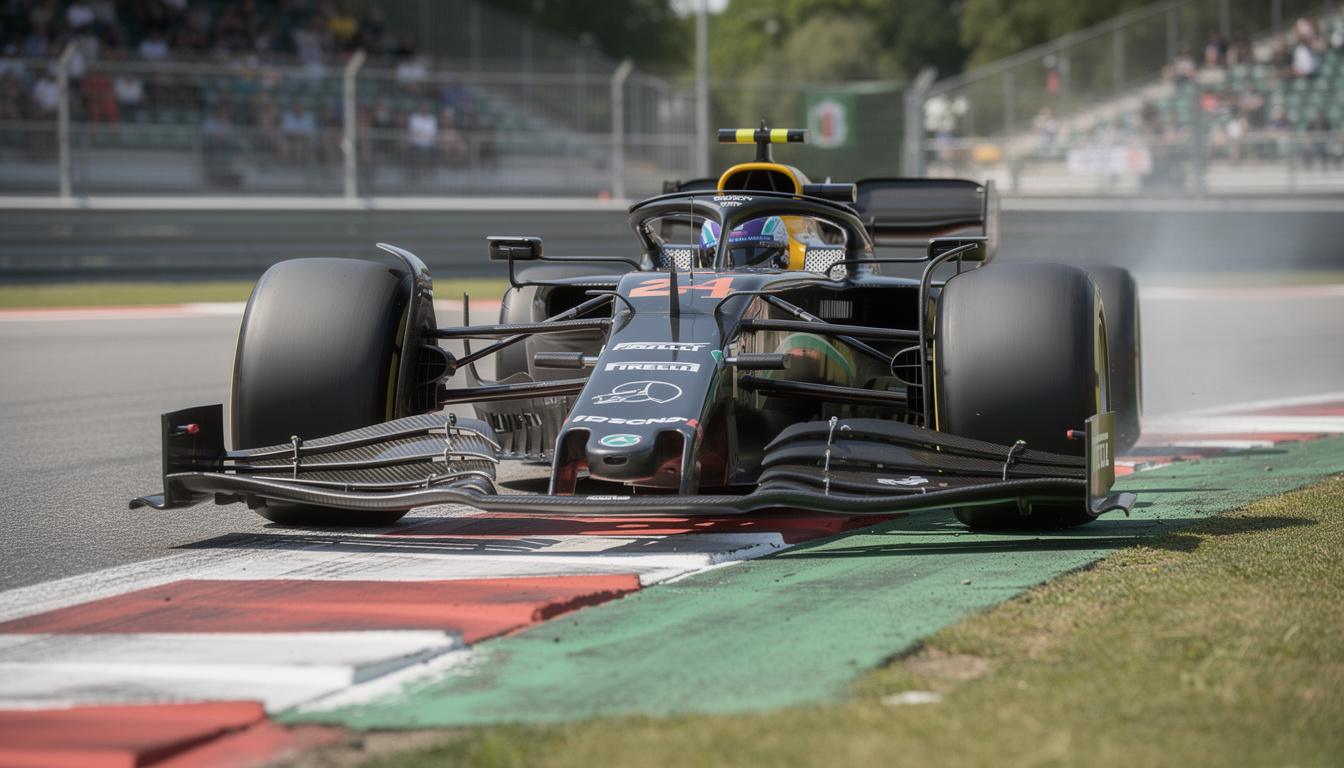
F1 Chicanes: Architecture, Braking and Rotation
F1 chicanes work because they compress several vehicle-dynamics problems into seconds. Braking transfers load forward, reducing rear stability before the first apex. The driver then reverses steering while managing a rapid lateral load transfer. That sequence explains why a clean exit matters more than an aggressive entry.
Kerbs, Suspension and Mechanical Compliance
A chicane’s first kerb often determines the entire sequence. Drivers use it to shorten distance and straighten the second turn. Kerbs disturb the aerodynamic platform when the floor approaches the asphalt. Excessive ride height movement can stall portions of the underfloor.
Modern F1 suspension must absorb sharp vertical inputs without losing tyre contact. Stiff springs support aerodynamic load on fast circuits. Compliance protects the loaded tyre during kerb impacts. Engineers therefore tune heave stiffness, dampers, and anti-roll settings together.
The compromise becomes obvious at Monza. Teams seek low drag on the long straights. Yet an overly soft platform loses precision through the two Lesmo corners. An overly stiff car skips across the Rettifilo kerbs.
The FIA’s 2026 lighter cars should respond more sharply over raised kerbs. However, less mass does not remove the risk. Lower inertia helps direction change, but it can increase suspension reaction speed. Engineers must protect the floor without surrendering rotation.
Chicanes, Corners and Lap-Time Data
Chicanes and corners reward minimum steering correction. Every correction scrubs speed and raises front-tyre temperature. Clean steering preserves front grip for the exit phase. That grip determines how early the driver can apply throttle.
A 5.0 g braking event can move the braking point dramatically. The driver releases brake pressure while steering begins. Trail braking creates useful rotation before the second apex. Too much pressure creates understeer and delays the throttle.
Telemetry often reveals the hidden loss after the chicane. A driver may match the entry speed perfectly. Then a 3 km/h slower exit persists along the following straight. That penalty can cost several tenths before the next braking zone.
Wheelspin also damages rear tyres beyond the immediate lap-time loss. The rear axle experiences heat spikes during poor traction. Traction losses become tyre losses over a race stint. A patient exit can therefore protect both lap time and strategy.
The onboard view below makes the brake release and steering overlap easier to identify.
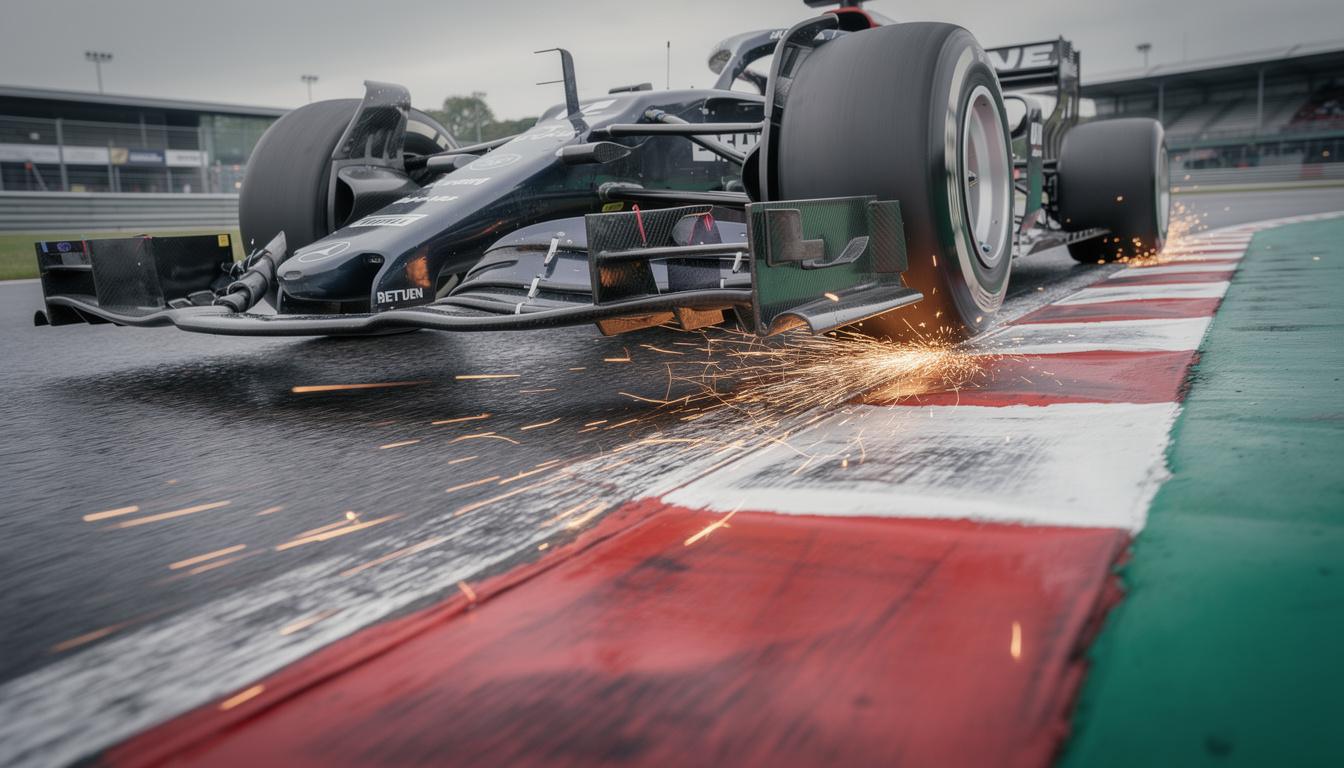
Why F1 Chicanes Shape Racing and Safety
Chicanes became widespread when circuits needed lower approach speeds without abandoning historic venues. Monza installed the first chicane configuration in 1972 after safety concerns grew. Historical speed demanded physical restraint, not cosmetic alteration. Modern designs still use that principle, as explained by LAS Motorsport’s guide to F1 tracks in the United States.
Overtaking, Defence and Driver Skill
Overtaking through chicanes begins before the braking marker. The following driver needs slipstream and battery deployment. Late braking needs a stable platform rather than blind commitment. A rival can defend by covering the inside before turn-in.
The attacking car then faces a difficult choice. A narrow entry may secure first apex position. It often compromises the second apex and traction. The second apex pays the bill for an optimistic first move.
At the 1990 Japanese Grand Prix, Suzuka’s final chicane framed the title collision. That event showed chicanes can magnify pressure without requiring high-speed contact. The braking point becomes a tactical battlefield. Every driver must predict the other car’s deceleration.
Monaco’s Nouvelle Chicane presents a different challenge. There is little run-off and limited sightline. Precision replaces pure braking force on the narrow approach. A small lock-up can erase the chance of a pass.
Safety, Track Limits and Future Rules
Safety at modern chicanes depends on predictable deceleration. The FIA combines geometry with kerbs, asphalt run-off, barriers, and debris fencing. Run-off changes driver risk calculations during a close battle. Generous asphalt can also encourage repeated track-limit abuse.
Monza added more restrictive measures around its chicanes after recurring cut-through incidents. Track-limit policing protects the intended sequence of direction changes. The legal line preserves circuit purpose for every competitor. Without enforcement, speed control becomes optional.
Active aerodynamics will alter the approach phase from 2026. Cars can use lower-drag modes on straights, increasing arrival-speed sensitivity. Braking stability becomes setup currency when wing states change before corner entry. Teams will need confidence during the aero transition.
The best chicane remains difficult without becoming artificial. It should punish poor placement, not merely reward kerb-cutting. Good geometry creates honest consequences for drivers and engineers. That standard keeps these sequences relevant as F1 technology evolves.
What makes a chicane different from an S-curve?
A chicane is usually a deliberately tight direction change designed to reduce speed. An S-curve can be faster and may form naturally within a circuit layout.
Why do F1 drivers use chicane kerbs?
Drivers use kerbs to reduce steering angle and straighten the car’s path. Excessive kerb use can unsettle the floor, suspension, and tyres.
Do chicanes improve overtaking?
They can create overtaking opportunities by producing heavy braking zones. The following car still needs enough overlap before the first apex.
Which F1 chicane is best known for braking?
Monza’s first chicane is widely known for extreme braking. Cars arrive above 330 km/h before slowing sharply for the left-right sequence.