
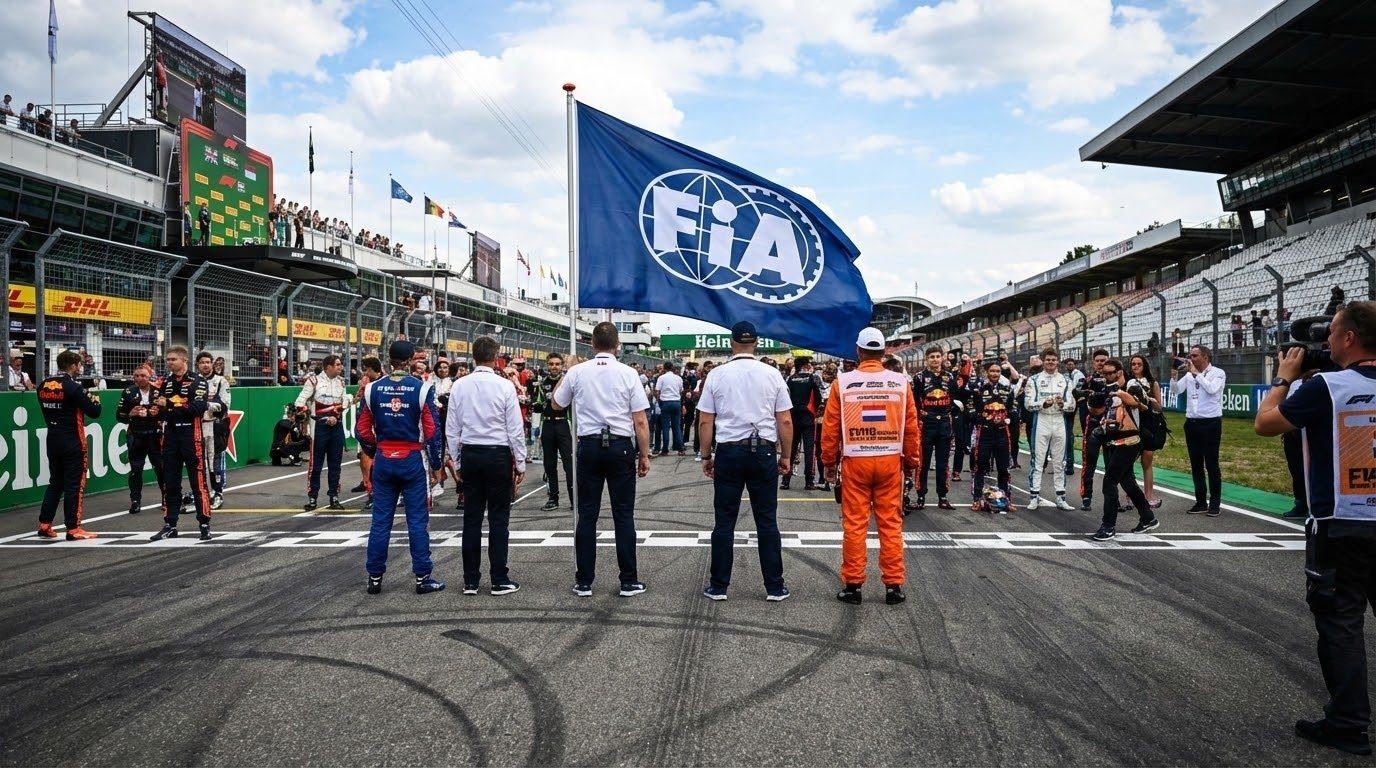
The world of motorsport captures your attention with fierce competition and constant innovation. F1 power units showcase revolutionary engineering feats that redefine performance limits. You are invited to explore how mastery of novel techniques shapes the future of racing.
The recent FIA validation of an innovative F1 technique spotlights engineering ingenuity at its peak. Teams are transforming standard power units into precision-crafted machines. Learn more about the evolution of Formula 1 technology in this detailed analysis with links to fuel type and regulations.
Mastery of power unit performance innovation
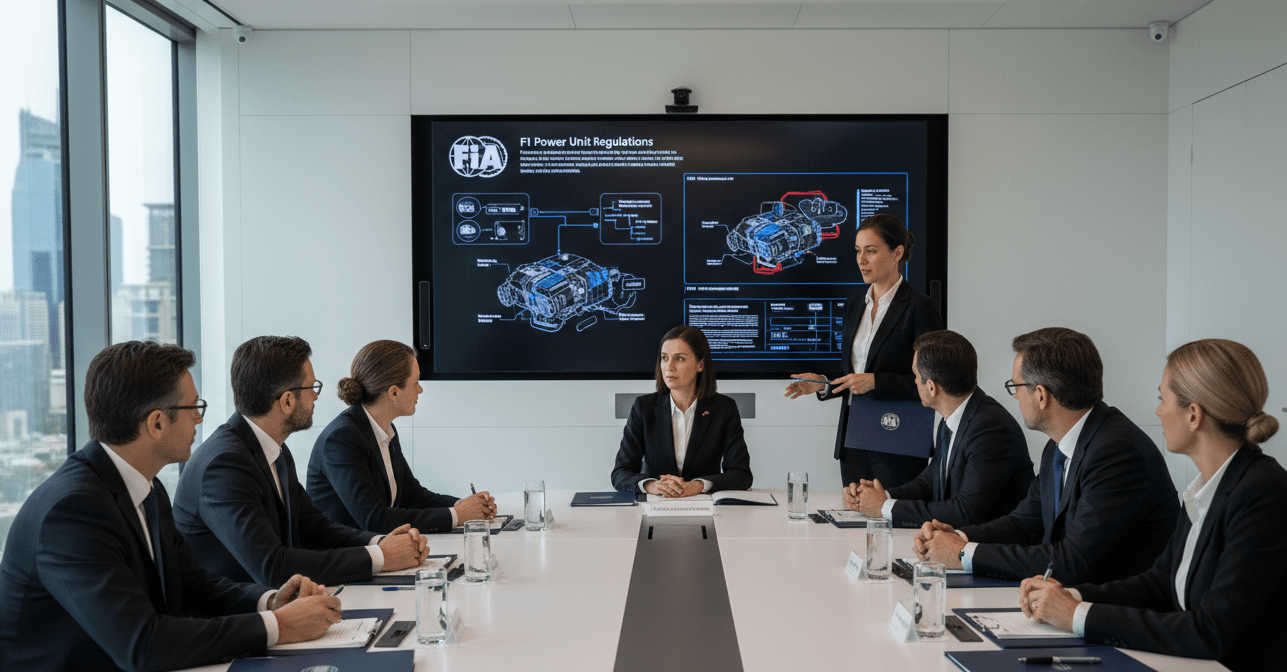
As revealed by the FIA single-seater director, a select few teams have mastered a complex power unit strategy. This technique involves manipulating compression ratios to push engine efficiency beyond prescribed limits. The FIA recognized the method without naming teams, showing how technical mastery can shift competitive balance. This raises questions about the future of power unit regulations and motorsport fairness.
The innovative power unit technique influences Formula 1’s landscape significantly. Mercedes notably exploits a loophole by increasing piston compression ratios dynamically. This change boosts energy output during race conditions without violating existing rules precisely. Such advances highlight the blend of engineering skill and strategic insight pivotal in modern racing.
How FIA regulation shapes F1 engineering excellence
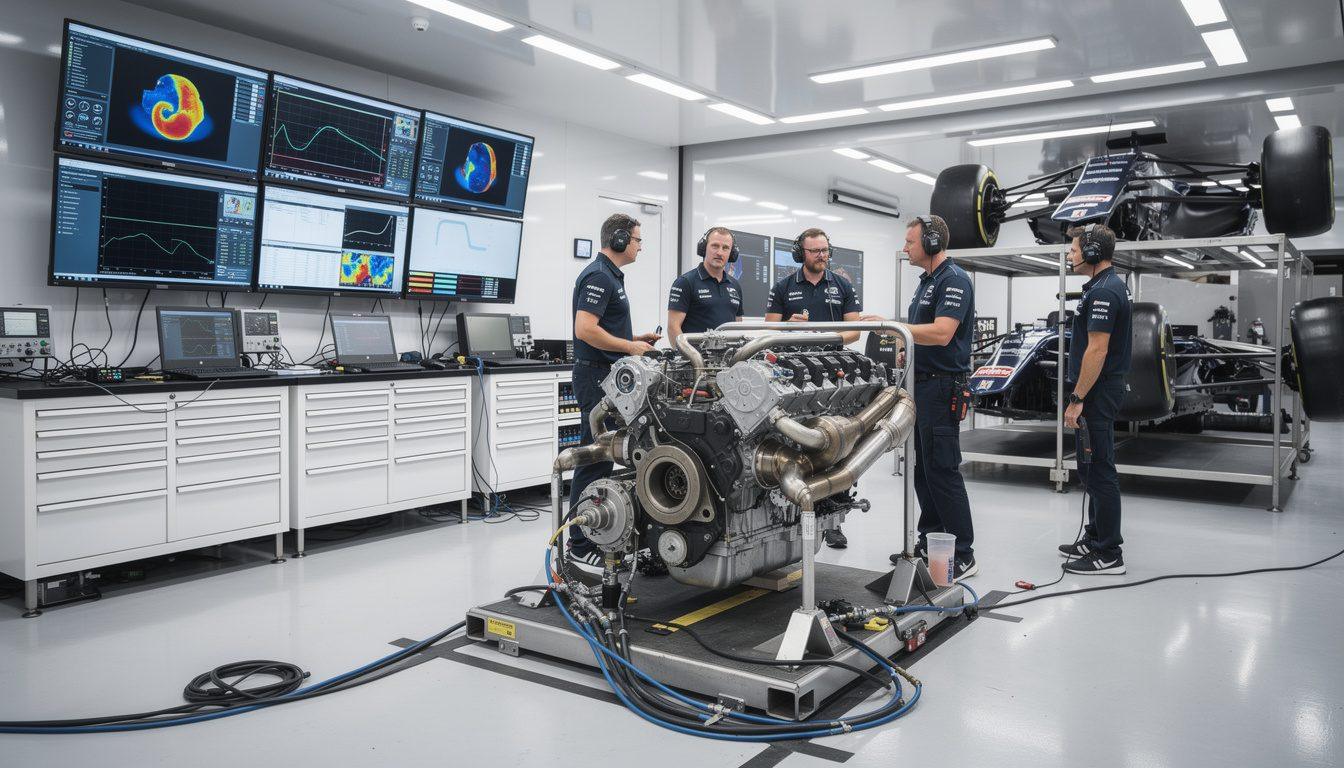
The FIA’s approach fosters innovation while balancing competitive fairness. Their validation process encourages engineering advances yet curbs exploitations that disrupt sport integrity. By fostering new manufacturer entries like Audi and Cadillac, the FIA nurtures diverse technical approaches. This diverse manufacturer presence deepens the strategic dynamics across the Formula 1 grid.
FIA engineering oversight drives performance mastery within tightly controlled parameters. It demands creative solutions that respect cost caps and technical limits. Teams must innovate with precision, avoiding legal controversy and costly disputes. This environment cultivates a high level of craftsmanship and strategic insight in F1 power unit design.
The FIA continues refining rules to minimize potential protests and courtroom battles. It seeks to maintain the focus on track rivalry and avoid distractions from off-track disputes. Vital to this effort is the collaboration between officials and engineers to define clear, enforceable standards. The upcoming season will test how these validated techniques influence racing dynamics.


