
The FIA has officially lifted restrictions on Russian and Belarusian drivers, ending a period of neutrality requirements and symbolic bans. This significant regulatory change allows these drivers to compete under their national flags and use their national anthems once again. The move signals a shift in motorsport’s regulatory stance, although events in Russia and Belarus remain barred.
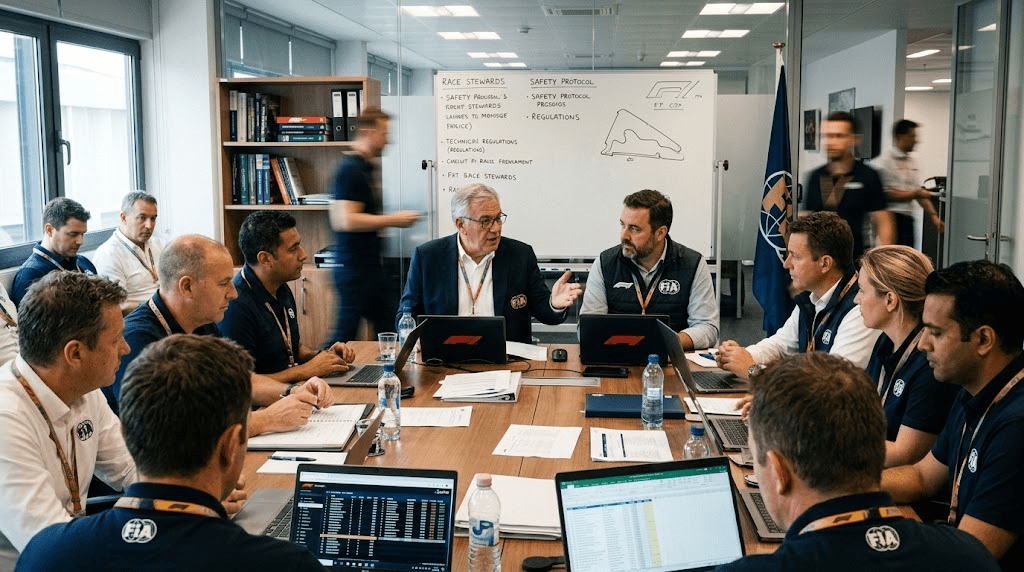
In response to evolving global circumstances, the Fédération Internationale de l’Automobile has revised its previous emergency sanctions imposed after 2022. Back then, following Russia’s invasion of Ukraine, the FIA barred Russian and Belarusian drivers from competing under their national symbols and forced them into a stance of neutrality. The latest decision, confirmed by a World Motor Sport Council meeting earlier this month, lifts these restrictions, allowing full national representation in international motorsport once more. However, the ban on hosting FIA-sanctioned international events in Russia and Belarus remains firmly in place. This update reflects the FIA’s complex balance between sports governance and geopolitical realities, impacting driver eligibility and the broader racing regulations landscape.
Full national representation restored
The FIA’s decision unequivocally permits Russian and Belarusian drivers, competitors, and officials to participate in international and regional competitions without restrictions. The once mandatory commitment to neutrality has been scrapped, and national symbols, including flags, team colours, and anthems, are now allowed at events. This marks the end of a controversial chapter where drivers were compelled to race under neutral or alternative licences to navigate international sanctions. Noteworthy is the fact that sanctions preventing international racing events on Russian and Belarusian soil continue, maintaining a clear boundary in the FIA’s approach.
Since the initial sanctions, many Russian drivers aligned themselves with alternative licensing authorities. Drivers like Daniil Kvyat and Robert Shwartzman obtained racing licences from countries such as Italy and Israel to remain active on the international stage. This new ruling eliminates those hurdles, streamlining their official representation moving forward. Nevertheless, it also places the burden on organisers and national sporting authorities to comply with any pertinent local or transnational laws concerning Russian and Belarusian participants.
Strategic implications of the FIA’s revised sanctions
The reversal of restrictions reshapes the dynamics of driver registration and team compositions in motorsport disciplines worldwide. Prior limitations had forced tactical complexities upon teams and drivers, with licensing issues affecting contracts and sponsorship activations. Now, the unrestricted eligibility of Russian and Belarusian racers paves the way for straightforward team alignments and marketing strategies.
On the governance side, the FIA maintains a cautious stance, emphasising ongoing monitoring of the geopolitical context. The latest circular from the FIA Legal Office explicitly states the organisation’s right to reintroduce measures in response to further developments. Motorsport’s regulatory ecosystem remains adaptive, ensuring compliance with international sanctions frameworks while balancing sport inclusivity. The steadfast ban on events held within Russia and Belarus underscores the FIA’s resolve to separate sporting participation from geopolitical conflicts.
Impact on international motorsport and future championship scenarios
The reinstatement of national flags and anthems not only enhances the style and identity of Russian and Belarusian drivers but also reenters them into the familiar structures of international racing under their true nationality. This development is poised to affect team dynamics, sponsorship deals, and fan engagement, all of which thrive on national pride and recognition. It also clears up the previous ambiguity around driver eligibility, where several had to rely on foreign licences, affecting their career progression and marketability.
Nonetheless, the FIA’s continued ban on international competitions in Russia and Belarus restricts where these teams and drivers can compete globally. The cancellation of the Russian Grand Prix contracts remains in effect, and no calendar reintegration is expected imminently. Motorsport stakeholders will be watching how these decisions influence political undercurrents in sport governance, especially with the world’s eyes on the upcoming F1 2026 technical regulations and their impact on team strategies and grid compositions.
For ongoing updates on how racing regulations are evolving and impacting the sport, including driver eligibility and strategic adjustments, visit LAS Motorsport. Further insights into technical and regulatory adaptations shaping the paddock and international racing can be found in our coverage of the FIA’s 2026 changes.