
The MotoGP paddock is shaking as a groundbreaking proposal threatens to change racing dynamics. One bike per rider in practice sessions could redraw team strategies and development paths. This bold plan, unveiled post-Hungarian Grand Prix, sparks intense debate across manufacturers and fans.
MotoGP’s Manufacturers’ Association (MSMA) is pushing forward with a proposal that would see riders restricted to just one motorcycle during practice sessions. Marking a significant shift, this measure aims to cut costs but stirs concerns over sporting fairness and technical progress. The Hungarian GP victory of Marc Marquez contrasts with off-track deliberations now dominating conversations in the paddock. With most teams leaning towards approval, resistance grows within garage walls, revealing cracks in the sport’s future blueprint. The next steps hinge on the Grand Prix Commission’s upcoming ratification.
How One Bike Per Rider Could Transform MotoGP Racing
The idea, emanating from MSMA’s fight for a larger slice of future commercial revenue, centres on financial savings estimated at around €1.5 million per team. These come from trimmed team sizes and reduced prototype wear. At Mugello and Balaton meetings, manufacturers voiced support, signalling near inevitability for this regulatory change heading into 2027.
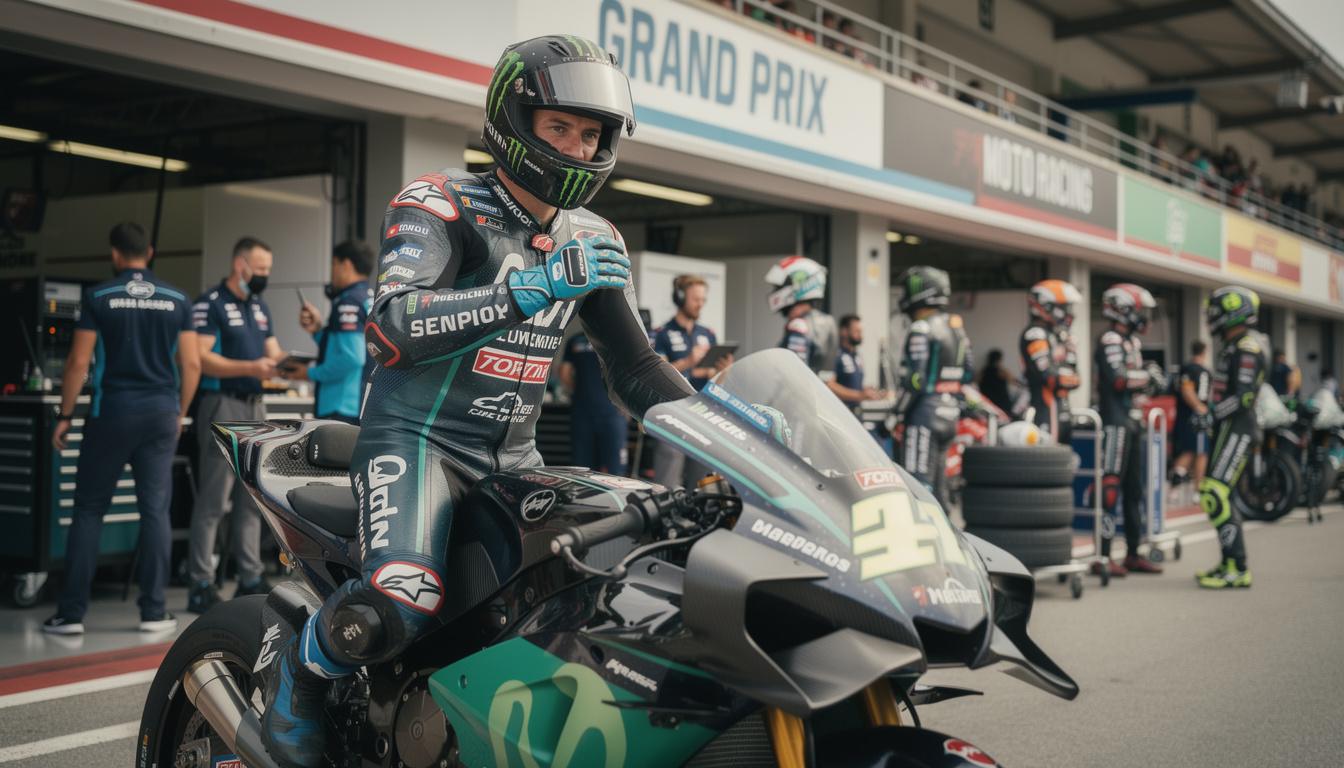
However, the one-bike rule during practice introduces palpable risks. Riders will lose a critical safety net—falling early in a session could mean sitting out the rest until the next. This change will affect race weekend dynamics and could diminish sponsor visibility during pivotal moments. Furthermore, teams must rethink session strategies, balancing performance data with an unavoidable increase in caution.
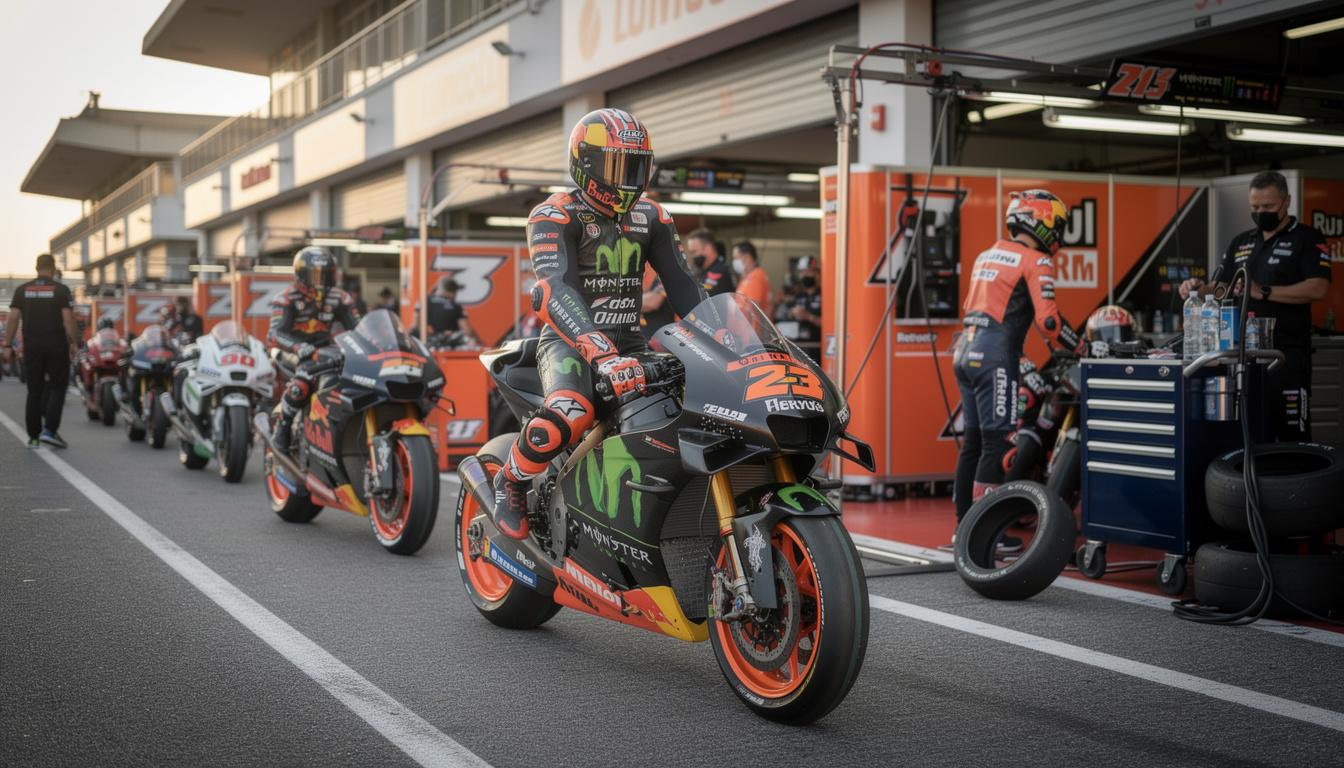
Technical and Strategic Implications Behind the MSMA Proposal
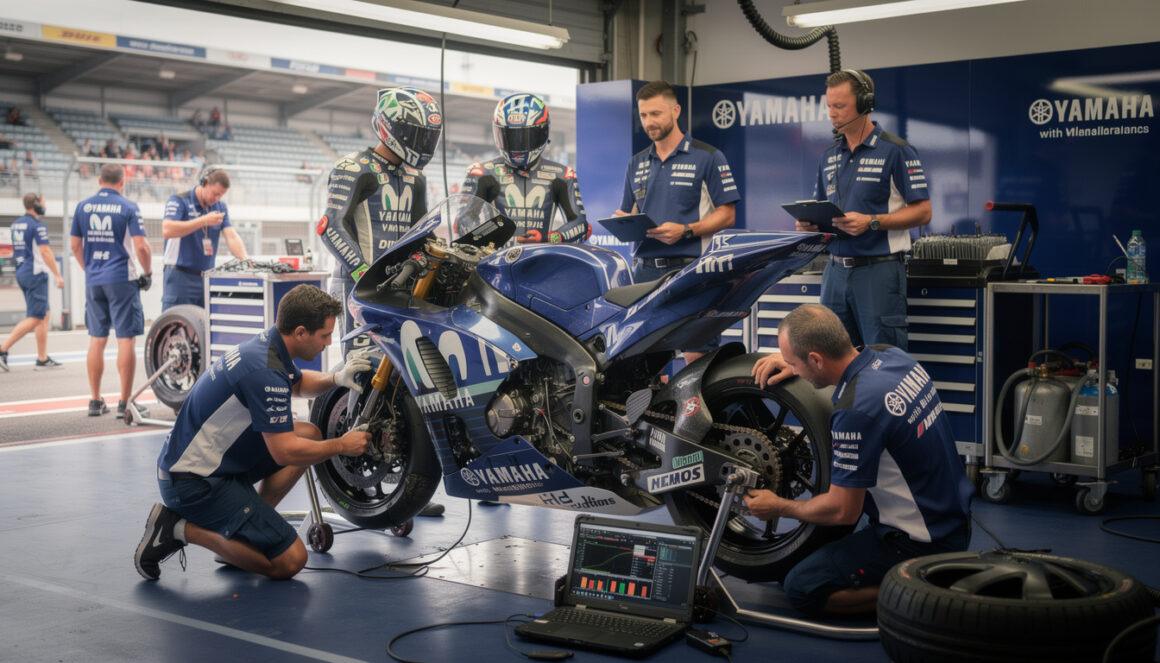
The move challenges MotoGP’s technical development cycle at a critical juncture, as 2027 looms with new regulations. Engineers report that having both bikes available allows rapid parts evaluations—swapping swingarms or chassis between machines identifies gains instantly. Restricting to one bike doubles testing time, potentially slowing innovation just when it should accelerate.
Teams face a strategic juggling act: conserving resources while extracting vital real-time information from reduced track time. Proposed shorter practice sessions compound the impact, squeezing data acquisition moments further. Controversies also swirl around operational protocols—curfews and restricted personnel access are debated, intensifying paddock tensions as stakeholders wrestle with cost-cutting versus performance quality.
The Ripple Effect: Championship Stakes and the Future of MotoGP Motorsport
Limiting practice bikes redefines race weekend narratives and the commercial package MotoGP offers sponsors and fans. Liberty Media’s vision to expand global appeal appears at odds with regulations that reduce track time and action visibility for riders. The potential drop in sponsorship activation during weekends could destabilise lucrative partnerships crafted under the current setup.
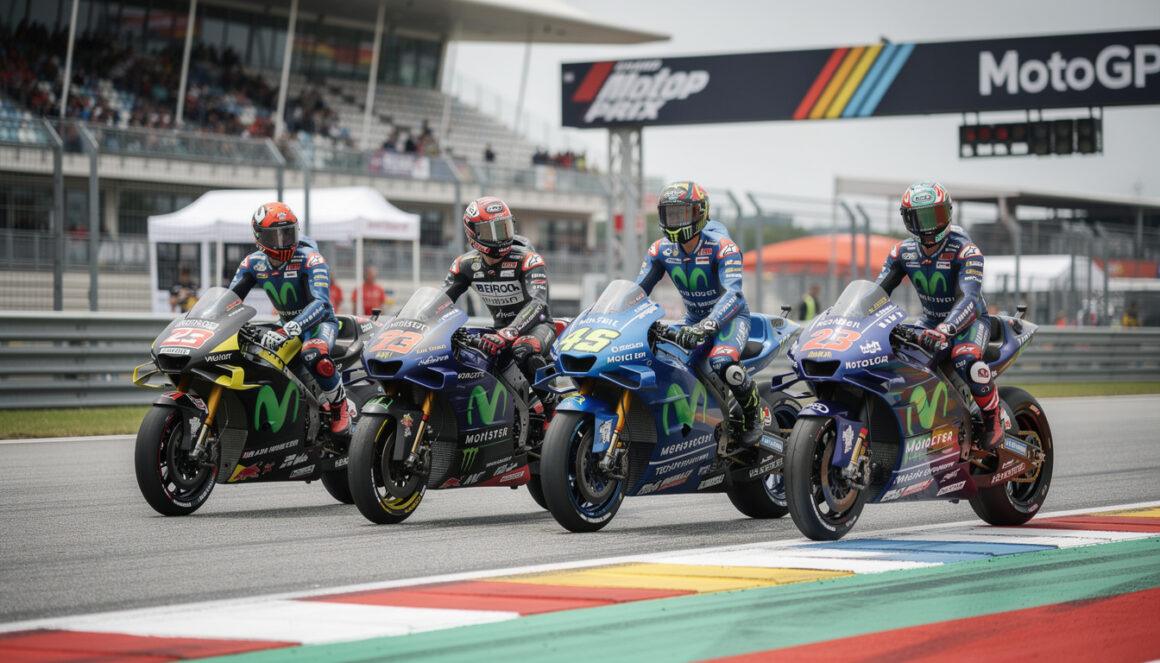
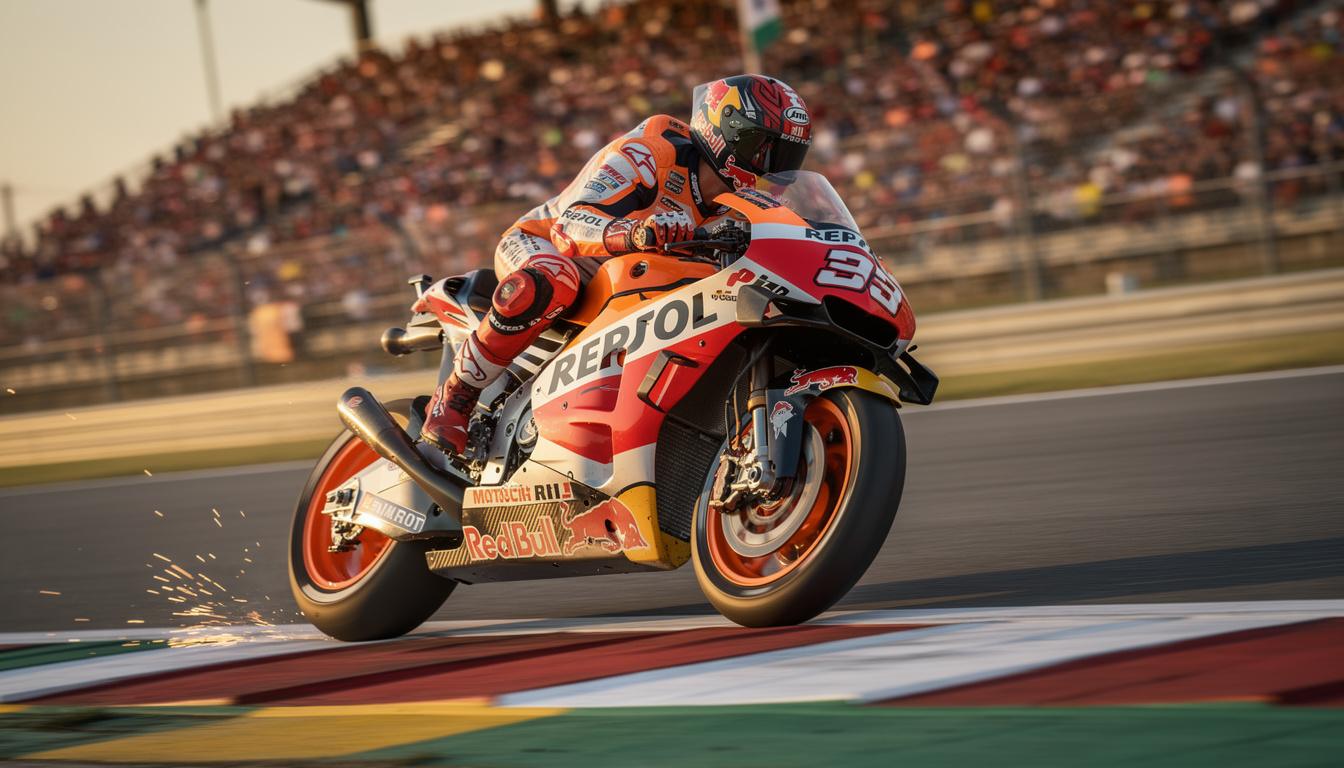
Strategically, riders and teams must adapt quickly, calibrating risk appetite with practical bike management. While Marc Marquez’s on-track resurgence highlights the fierce competitiveness retained, the spectre of reduced machinery threatens developmental leaps critical in the hyper-competitive field. MotoGP’s 2027 horizon now hinges on balances struck between innovation, cost control, and captivating racing spectacle.
For more updates on this controversy and other fast-moving stories in motorsport, visit LAS Motorsport and stay tuned to our F1 News section for expert insights.