


Verstappen Racing finds its rhythm at Portimão. A late flyer lifts the Mercedes to fourth. Qualifying now offers the chance to turn pace into position.
Verstappen Racing built its case for a strong grid position in second practice at Portimão, with Max Verstappen setting the team’s early benchmark before Chris Lulham delivered a late-session lift. The Dutchman opened with a measured 12-lap run in the #3 Mercedes-AMG GT3, shorter than his 27 laps in first practice. His first representative time, 1:45.980, left the car 55th among 61 entries, but a sharper 1:43.482 soon moved it into sixth. Lulham then posted a 1:43.229, bringing the team from eighth to fourth by the chequered flag. That result came in a session shaped by changing track conditions: warmer afternoon tarmac offered less grip, and overall lap times fell behind the morning’s pace. The team’s focus was not simply on one headline lap. With qualifying scheduled for 17:55 local time, the running provided a practical test of race preparation, driver rotation and team strategy before the grid is decided.
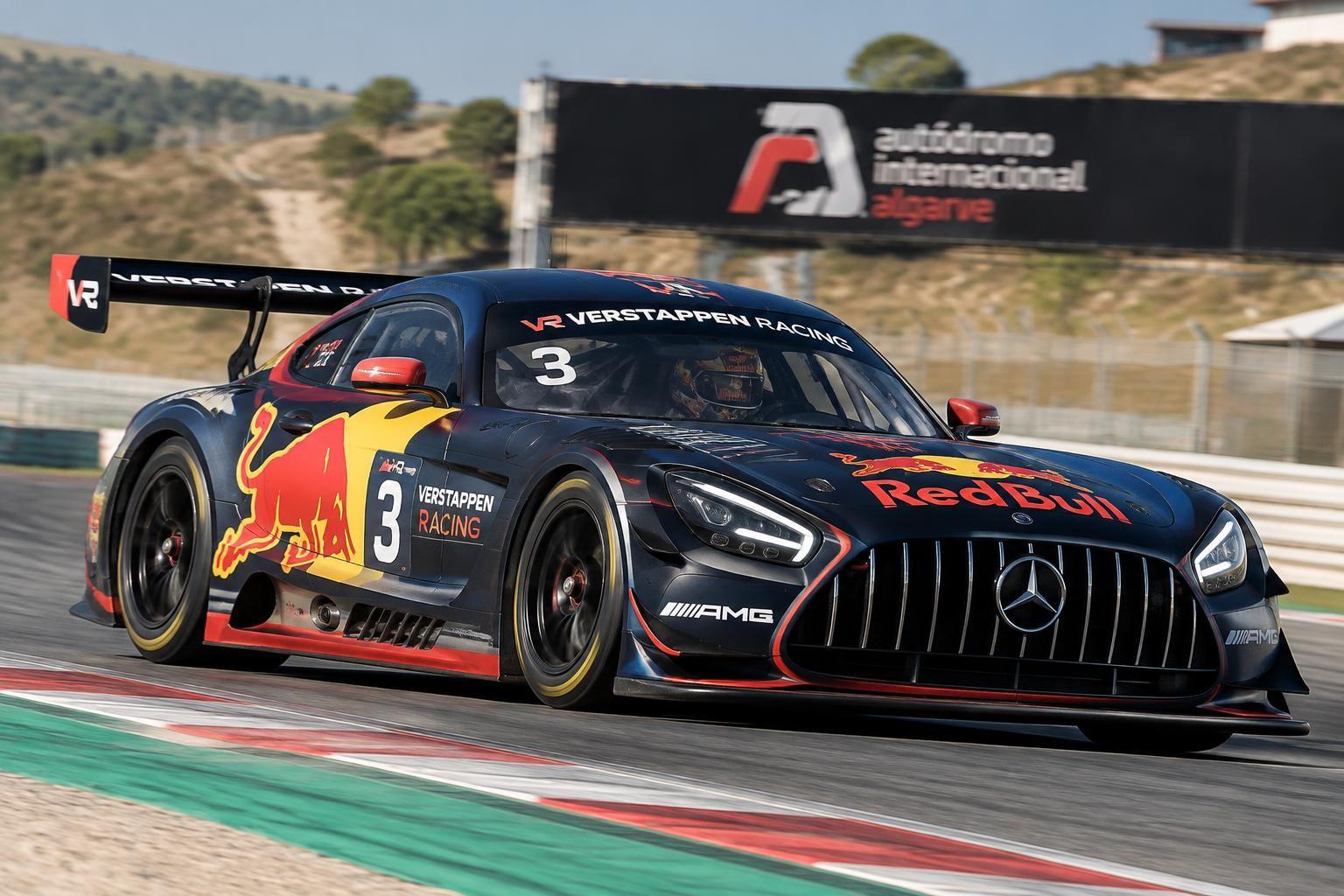
Verstappen Racing’s Portimão practice: measured pace, changing drivers
Verstappen improved steadily rather than chasing a single qualifying simulation. His 1:43.482 put the Mercedes in sixth at that point, four tenths behind Dylan Pereira in the #99 Audi. The progression mattered: it showed the car could find time as the run developed, even as the afternoon surface offered a different challenge from FP1.
Ben Barnicoat took over next, but did not match Verstappen’s benchmark while the team worked through separate programmes. His stint brought the lap count to 25. Both he and Verstappen are experienced GT3 racers, though more accustomed to Lexus and McLaren machinery respectively, while regular driver Chris Lulham has the deepest mileage in this Mercedes. Dani Juncadella and Jules Gounon were absent as they fulfilled World Endurance Championship commitments.
The changing driver order reflects a practical team strategy: build familiarity across the line-up, then use the final minutes to gather information ahead of qualifying and the race. That approach echoes the value of carefully structured running explored in this analysis of Verstappen’s unconventional run plan. At Portimão, mileage and setup feedback mattered as much as a headline time.
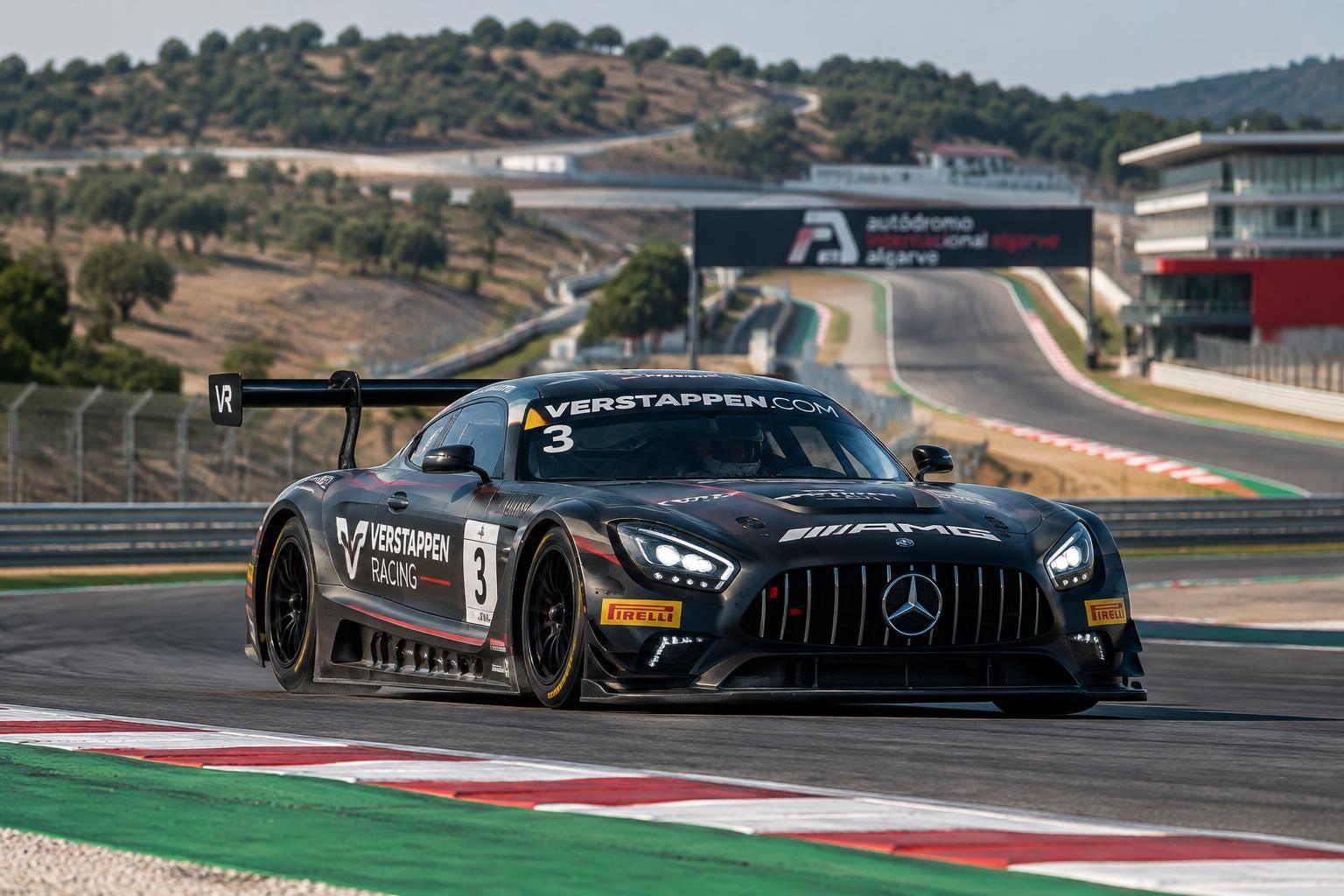
Late Lulham lap gives the Mercedes a qualifying platform
Lulham used his late run to post 1:43.229, lifting Verstappen Racing from eighth to fourth. The improvement came while the team’s drivers worked through differing programmes, so the result offered a useful read on pace without pretending that every car had chased the same target. Barnicoat returned for the closing minutes to collect further information.
Fabian Schiller set the session’s fastest time in the #17 Mercedes-AMG Team GetSpeed car, a 1:42.988—the only lap under 103 seconds. The #99 Audi and #65 Ford also finished ahead of Verstappen Racing. With several drivers reaching the 1:42s in FP1, the slower afternoon marks underline how grip and track temperature shaped performance, not just outright potential.
Portimão qualifying: the next test of racing momentum
Qualifying begins at 17:55 local time, giving the team a short window to turn its practice work into a competitive edge. A fourth-place practice finish is encouraging, but the gap to GetSpeed’s benchmark and the Audi and Ford ahead leaves room to attack. The key will be converting the car’s late-session response into a clean qualifying run.
Verstappen Racing arrives with racing momentum built through a clear sequence: Verstappen established the baseline, Barnicoat expanded the data set, and Lulham supplied the late lift. Readers can follow more practice pace and Verstappen coverage from the paddock. At Portimão, the stopwatch now replaces the longer practice programme as the measure of progress.