
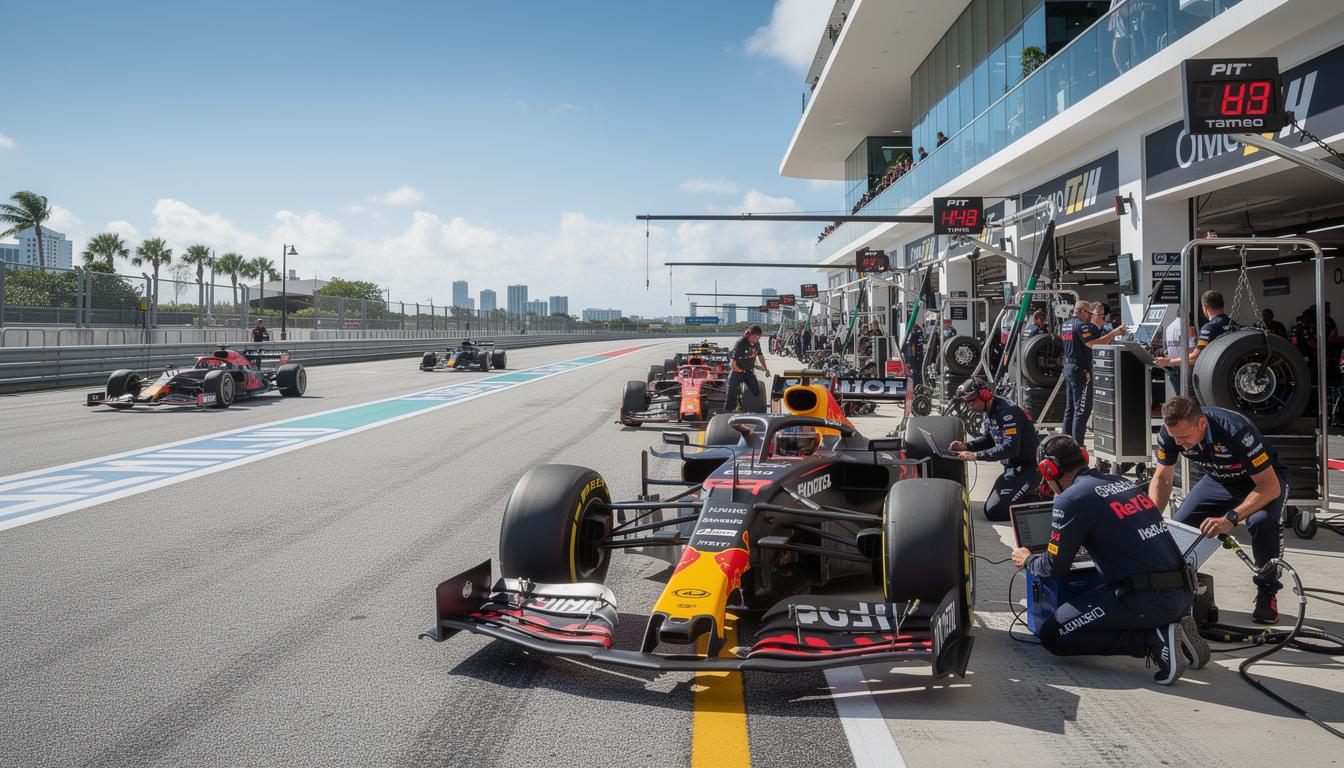

The FIA has thrown a curveball into the Miami F1 weekend, announcing significant updates to the race schedule and technical regulations. The governing body’s move comes amid a backdrop of race cancellations and extensive 2026 regulation tweaks, aiming to better prepare teams for the challenges Florida’s sprint weekend presents. With Free Practice 1 extended by 30 minutes, the Miami Grand Prix is set to offer a more robust opening session to tackle fresh technical demands.
FIA’s Miami F1 Schedule Shake-Up: More Time on Track for Teams
The FIA’s recent decision to stretch the initial Free Practice session at the Miami Grand Prix to 90 minutes represents a direct response to mounting pressures from technical and calendar disruptions. Traditionally, the sprint format in Miami offers limited practice time, with only a single hour before sprint qualifying kicks off. Given the extended break after the canceled Bahrain and Saudi Arabia rounds, teams faced a severe deficit in real-world running.
This adjustment ensures drivers and engineers get a solid session on Friday, May 1, running from 12:00 to 13:30 local time. The change nudges all pre-FP1 activities forward by 30 minutes, showcasing FIA’s intent to maximise track time under the constraints of a sprint weekend. With a longer session, teams can better adapt setups amid the critical 2026 regulatory changes introduced since the season commenced.
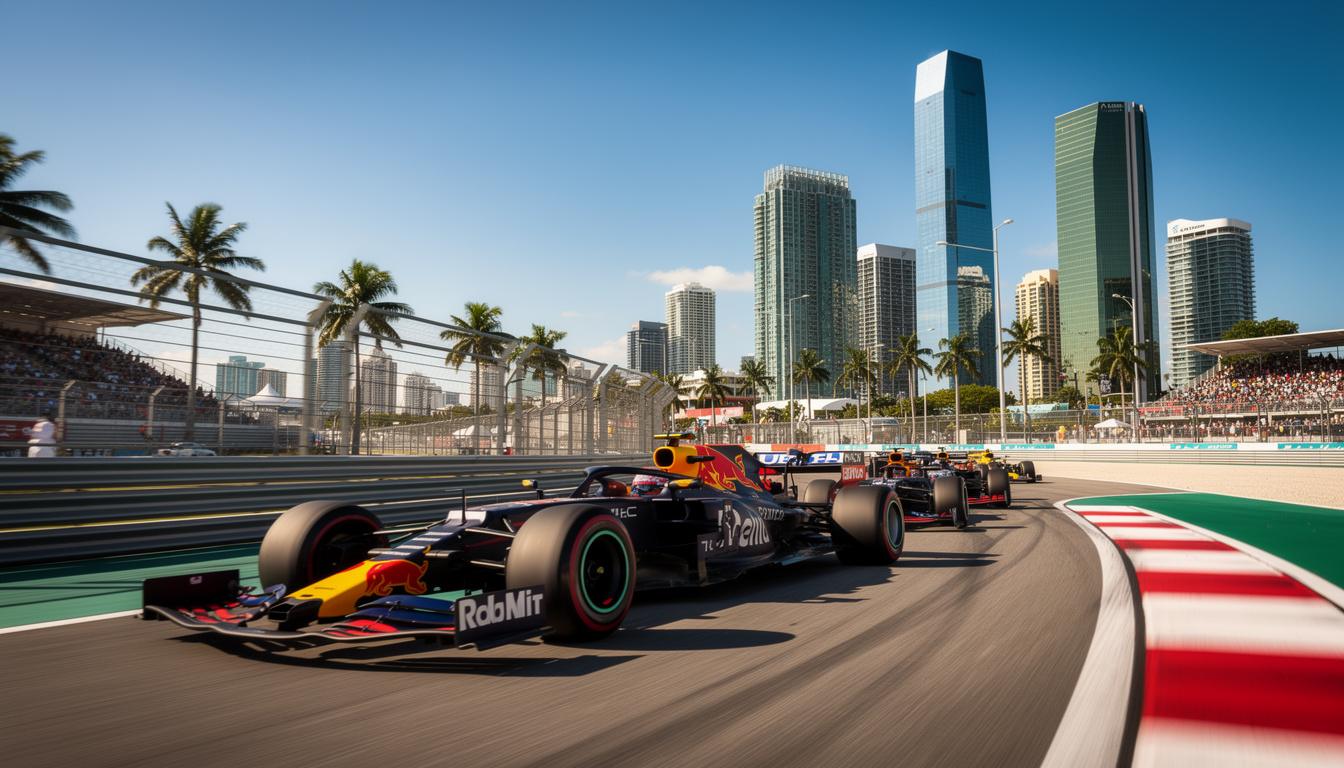
Adapting to 2026 rule changes amid limited sessions
Formula 1’s evolving 2026 technical package has prompted the FIA to recalibrate how teams engage with race weekends. Recent tweaks reduced the maximum energy recovery permitted during qualifying, while boosting the peak power of electric components. These shifts allow drivers to maintain throttle on straights longer, demanding fresh software mapping and power unit strategies.
The original 60-minute practice window proved insufficient for teams to test these complex updates effectively. The added 30 minutes at Miami offers a vital opportunity to validate new configurations, data streams, and ERS deployment tactics under real conditions. In a sport where milliseconds count, this extra track time could influence sprint race outcomes and qualifying grids.
Implications for teams and the 2026 championship battle
Miami’s updated race schedule and technical regulations mark a strategic inflection point in the Formula 1 calendar. Teams juggling the sprint format’s compressed schedule must now incorporate additional setup tests without compromising preparation for the qualifying sprint. This balance will become a defining factor as the championship intensifies.
Moreover, the FIA’s moves underline the ongoing evolution in F1 governance, adjusting race schedules swiftly in response to external challenges like global conflicts and regulation shifts. This adaptability is critical to maintaining competitive integrity and fan engagement, especially in dynamic motorsport environments like Miami F1. The extended practice session not only offers relief for teams but also provides fans with deeper insights into the technologies shaping the future of racing.
As the Miami Grand Prix approaches, teams will leverage this longer practice session to decode the nuances of the updated 2026 race regulations. Formula 1’s push for more flat-out driving combined with enhanced safety and strategic depth keeps the spotlight firmly on how teams adapt on the fly. Keeping a pulse on these developments is essential for anyone tracking the F1 News scene or looking to understand the shifting dynamics in Formula 1’s premier events.