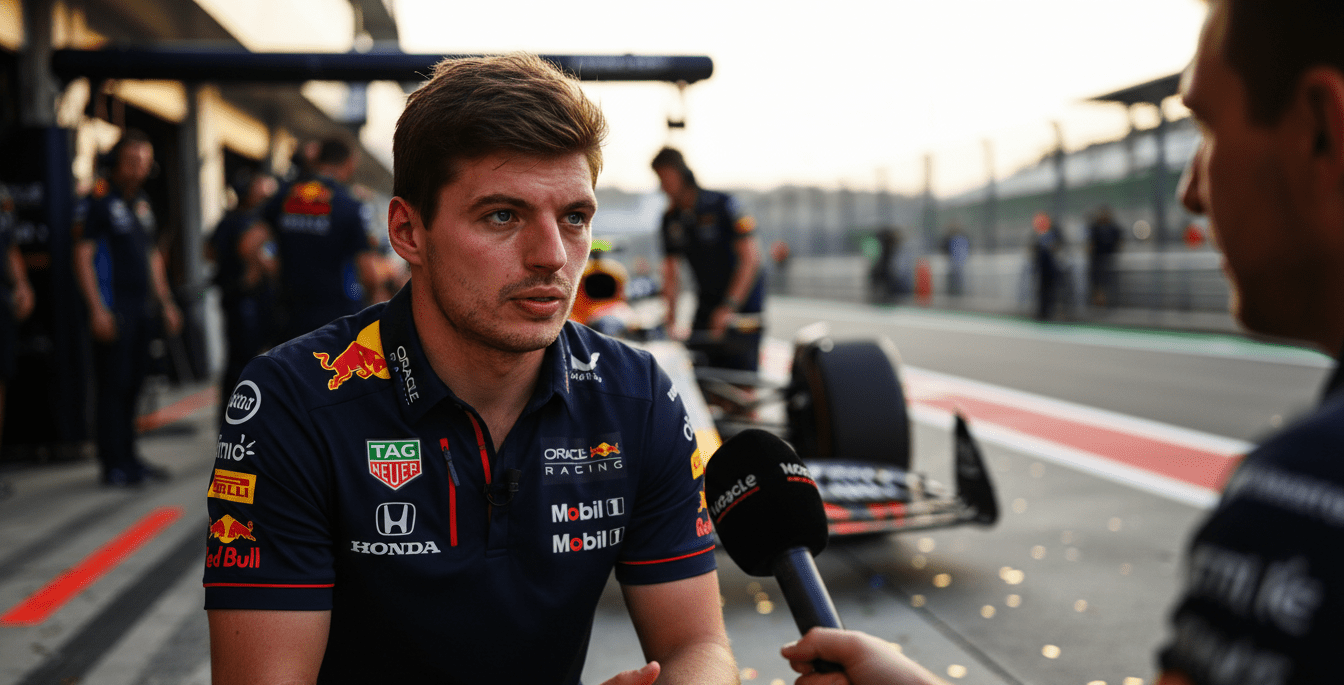
Max Verstappen unequivocally closes the door on any return to Formula 1 after his racing career ends. Fans now face the reality that his journey in F1 will not include roles beyond the cockpit.
Max Verstappen’s recent no comeback announcement in F1 resets many assumptions about post-retirement roles in the motorsport world. The four-time world champion openly discussed his retirement plans, highlighting his desire to pivot from Formula 1 driving.
Max Verstappen’s clear retirement and future intentions

Verstappen’s career in Formula 1 remains dominant, yet he has made clear his decision to end F1 driving in the next few years. His current contract with Red Bull Racing runs up to 2028, indicating strong commitments but no long-term return plan. Instead, Verstappen anticipates transitions into endurance and sports car racing once his peak years subside. This marks a significant pivot that fans and analysts should observe closely within the championship context.
The driver’s refusal to take on any management role in Formula 1 post-retirement surprises many but underlines his firm focus on direct competition. His statement on emphasizing simulator racers moving into real motorsport hints at future contributions outside traditional Formula 1 lanes. Verstappen’s approach favors nurturing new talent through technology-driven pathways rather than team management roles. This aligns with evolving motorsport dynamics visible in related fields like the World Endurance Championship.
Shifts in career paths for retired Formula 1 champions

Verstappen’s plans illustrate a growing trend where elite drivers seek avenues beyond Formula 1’s management or commentary circuits. His choice to engage with sim racing and driver development reflects an innovative approach to extending influence without returning to track governance. Such a path offers sustainability for careers often defined by intense physical demands and brief spans. This model is becoming increasingly relevant, as motorsport organizations evolve and technologies advance.
With his focus checking off direct returns, Verstappen sets a precedent for how post-retirement roles in motorsport can be diversified. He provides support to simulator athletes transitioning to real racing, a niche gaining prominence in racing communities worldwide. This fosters a fresh ecosystem where virtual skills directly translate into career opportunities. As F1 grows, his example encourages promising talents who lack traditional funding or entry points.


