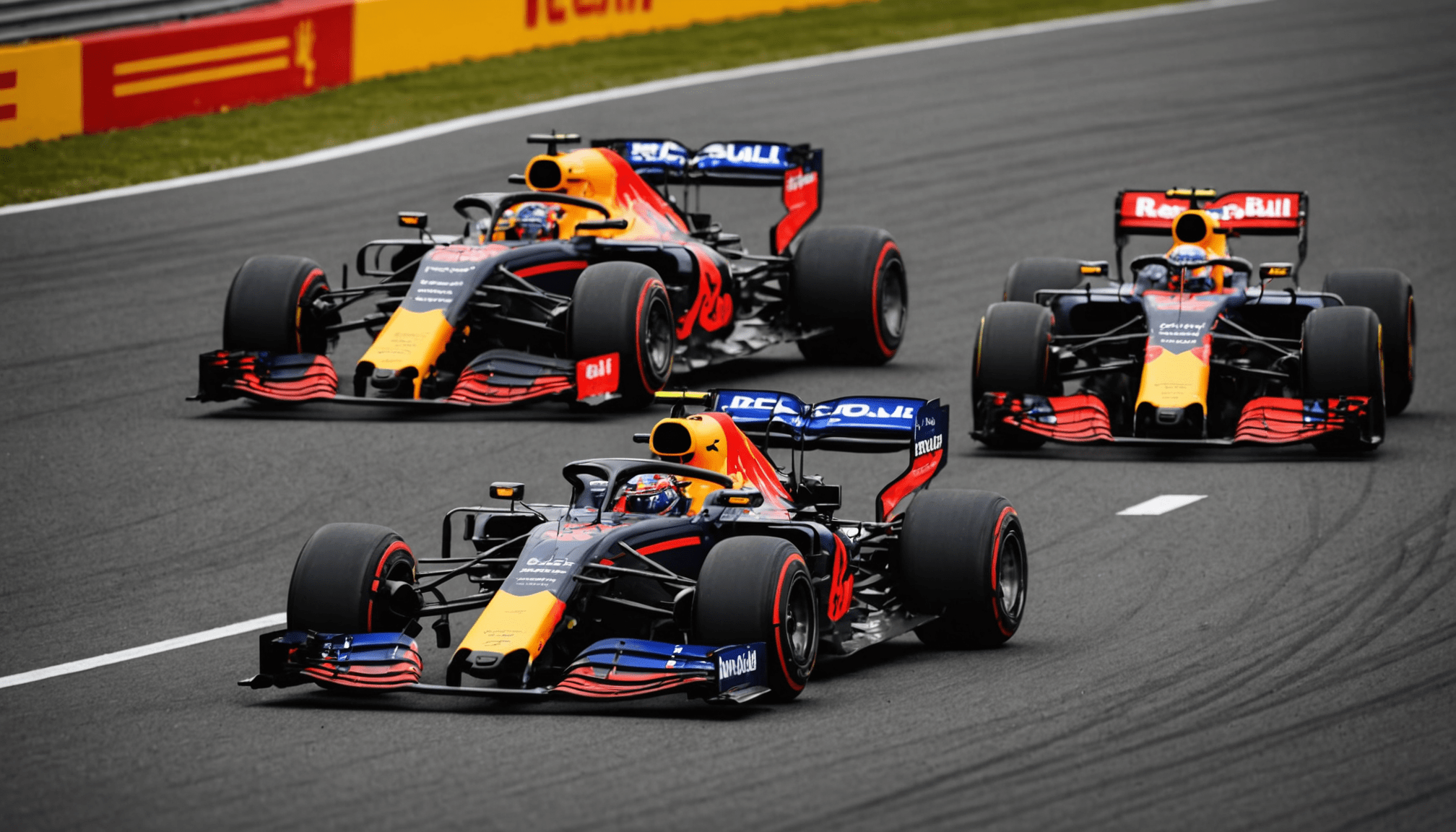

Formula 1’s ongoing rivalry has taken a provocative turn as Lando Norris publicly challenges Max Verstappen’s assertion that the new F1 energy deployment algorithms stifle driver influence. The McLaren star insists that despite the technical constraints, the edge of superior driving remains very much alive on the circuit.
As Verstappen vocalises concerns over the restrictive nature of the power unit, Norris pushes back, claiming he still holds the advantage behind the wheel. This clash highlights a deeper debate about driver skill versus technological controls shaping the future of Formula 1 racing.
Norris rejects Verstappen’s blunt claim that the 2026 power unit energy algorithms render drivers unable to “make a difference”. According to Verstappen, the algorithm’s automatic deployment leaves little room for a driver’s personal input without penalty, effectively flattening the competition. Norris counters with a data-driven stance backed by racing instincts, asserting that even with tighter energy management, “better drivers” continue to gain ground through precision in corners. His commentary comes as the sport recalibrates in the wake of ground-effect innovations and regulatory shifts.
What sparked the Lando Norris and Max Verstappen rivalry over driver performance in 2026?
Verstappen’s criticism centres on how the new hybrid power unit’s energy management algorithm governs deployment around the lap, significantly reducing manual control. The system’s learning curve demands drivers maintain perfect consistency, lest the algorithm penalise perceived deviations on the next straight. Verstappen’s viewpoint paints a picture of formulaic driving where algorithms dictate performance rather than driver flair.
In contrast, Norris maintains that track characteristics still allow for tangible advantages via driving skill. He references corners like those at Silverstone and Spa, where a sharp racing line and timely throttle can yield measurable gains despite energy restrictions. Even at challenging circuits like Hungaroring, Norris sees opportunities to exploit nuances in driving style that the algorithms cannot fully neutralise.
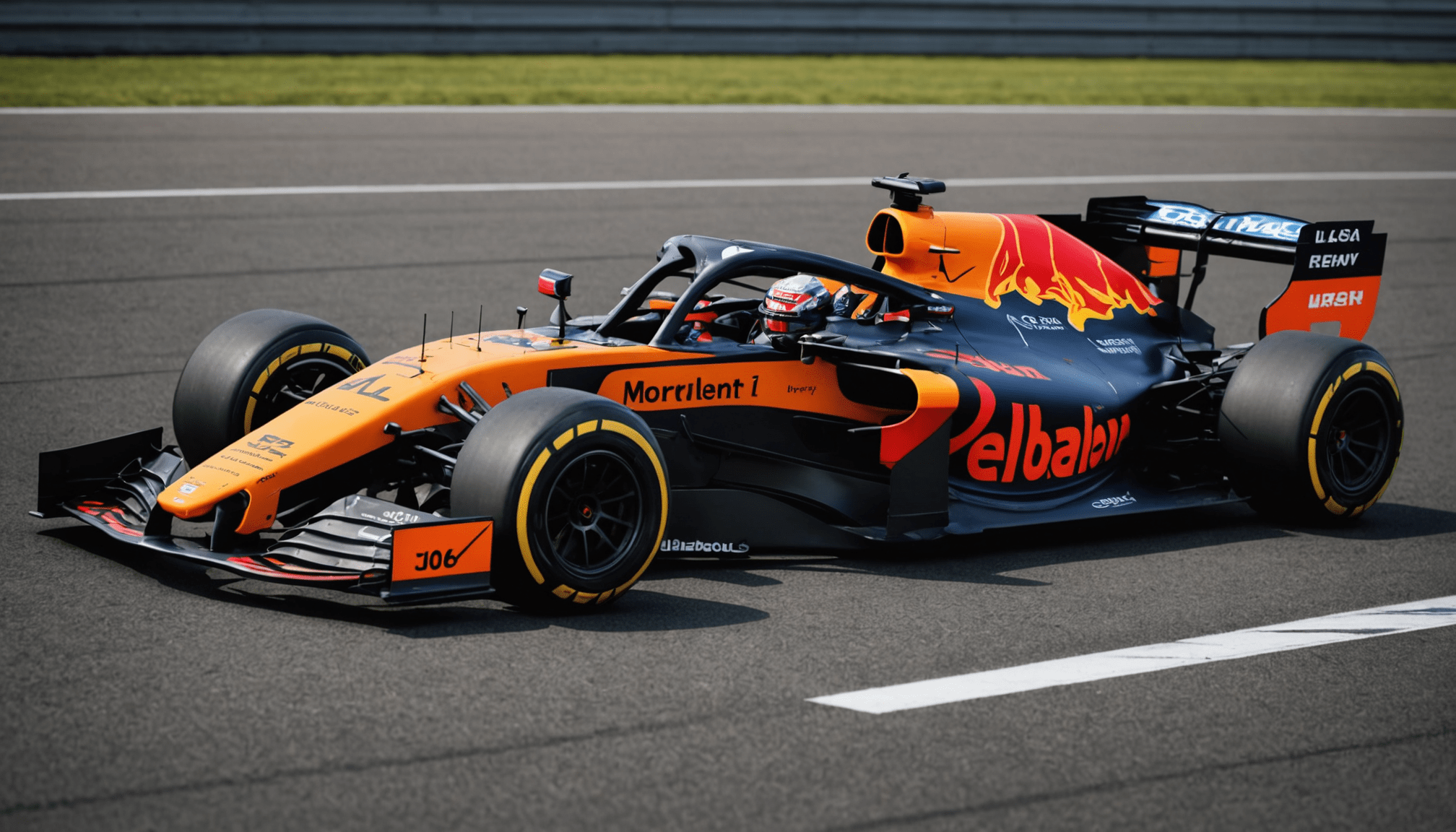
Technical and Strategic Factors Behind the Driver Skill Debate
The core of the debate lies in how the energy deployment system interacts with driver inputs. Verstappen argues any attempt to outsmart the algorithm results in penalties affecting energy reserves and lap times. Norris, however, explains that managing the battery and tyre life calls for adaptive driving styles, emphasizing that success depends on knowing when to modulate attack versus conservation.
Norris highlights the broader impact of tyre characteristics and aerodynamic differences on driver performance. He argues that since every car behaves uniquely under the regulations, the challenge to find “a better way” to drive the car differs across teams. His experience underlines that mastery over these variables remains a defining factor in establishing a driver’s superiority on race day.
Implications for the Championship and the Future of Racing Skill
This public disagreement not only fuels the intense driver rivalry in Formula 1, but it also influences team strategies heading into the remainder of the season. How teams interpret the delicate balance between technology and driver influence could define race outcomes and championship trajectories. As rivals push the limits within regulatory frames, fan anticipation peaks for who will indeed emerge as the “superior driver”.
Norris’ confidence in his ability to outdrive opponents under advanced technical constraints challenges perceptions about the necessity of human skill in modern motorsport. This assertion resonates with those watching for a clash of pace versus programming and raises questions on how future F1 iterations will preserve the driver’s imprint amid increasing automation.
For ongoing insights on this dynamic relationship between human talent and machine innovation, follow LAS Motorsport and explore further coverage on the evolving grid battles and strategy interpretations across the 2026 season at F1 News.