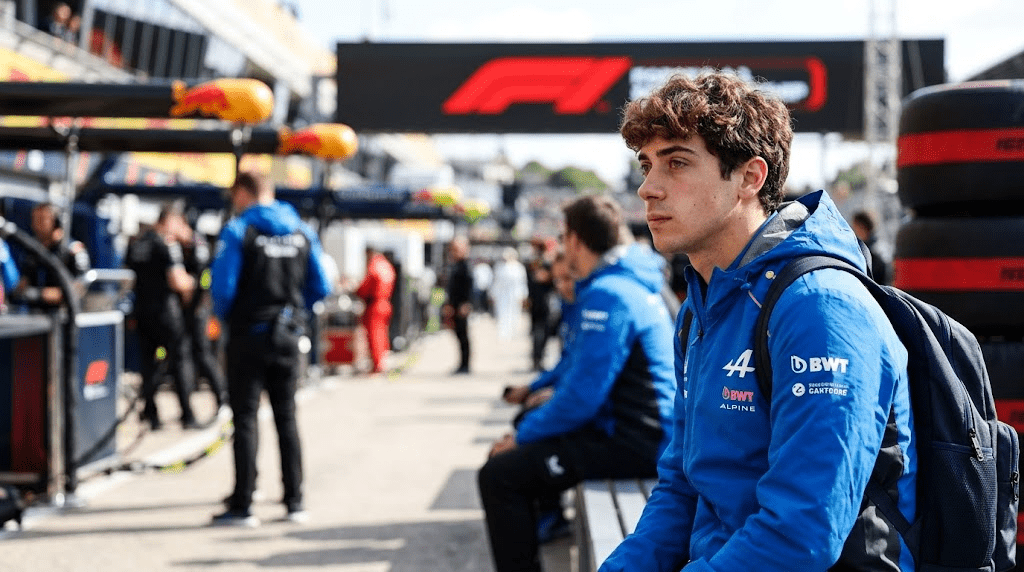

The FIA has stepped into the heat of controversy after the Dutch Grand Prix. Franco Colapinto’s main sponsor publicly accused the sport’s governing body of “killing the integrity” of Formula 1. This marks one of the most outspoken moments surrounding race steward decisions this season, raising fresh questions about governance and fairness in motorsport.
Franco Colapinto, the Alpine driver, faced two penalties at Zandvoort for alleged infractions under yellow flags. His sponsor, Mercado Libre, fired off an aggressive critique, suggesting the stewards’ calls compromise racing ethics. The FIA has now issued an official response, defending its stewards and condemning online abuse towards its officials. This saga highlights ongoing tensions about regulatory consistency and the balance of power between drivers, teams, sponsors, and the sport’s regulatory body.
FIA official response shakes F1 governance
During the Dutch GP, Colapinto incurred a drive-through penalty and two penalty points after overtaking Yuki Tsunoda under yellow flags following incidents involving Max Verstappen and Gabriel Bortoleto. The second penalty point came after the stewards ruled the Argentine failed to reduce speed appropriately under caution. These decisions sparked immediate backlash from within Colapinto’s camp. He argued that braking heavily could have caused more danger than passing under subdued yellow flags.
Support from outside the cockpit came swiftly. Arvid Lindblad of Racing Bulls, who received a similar penalty in the same incident, suggested stewards were “trying to set a precedent” rather than evaluating incidents case by case. Mercado Libre’s chief marketing officer, Sean Summers, escalated the dispute on social media, accusing the FIA of incompetence and dishonesty that harms the sport’s integrity.
Breaking down the technical context of the penalties
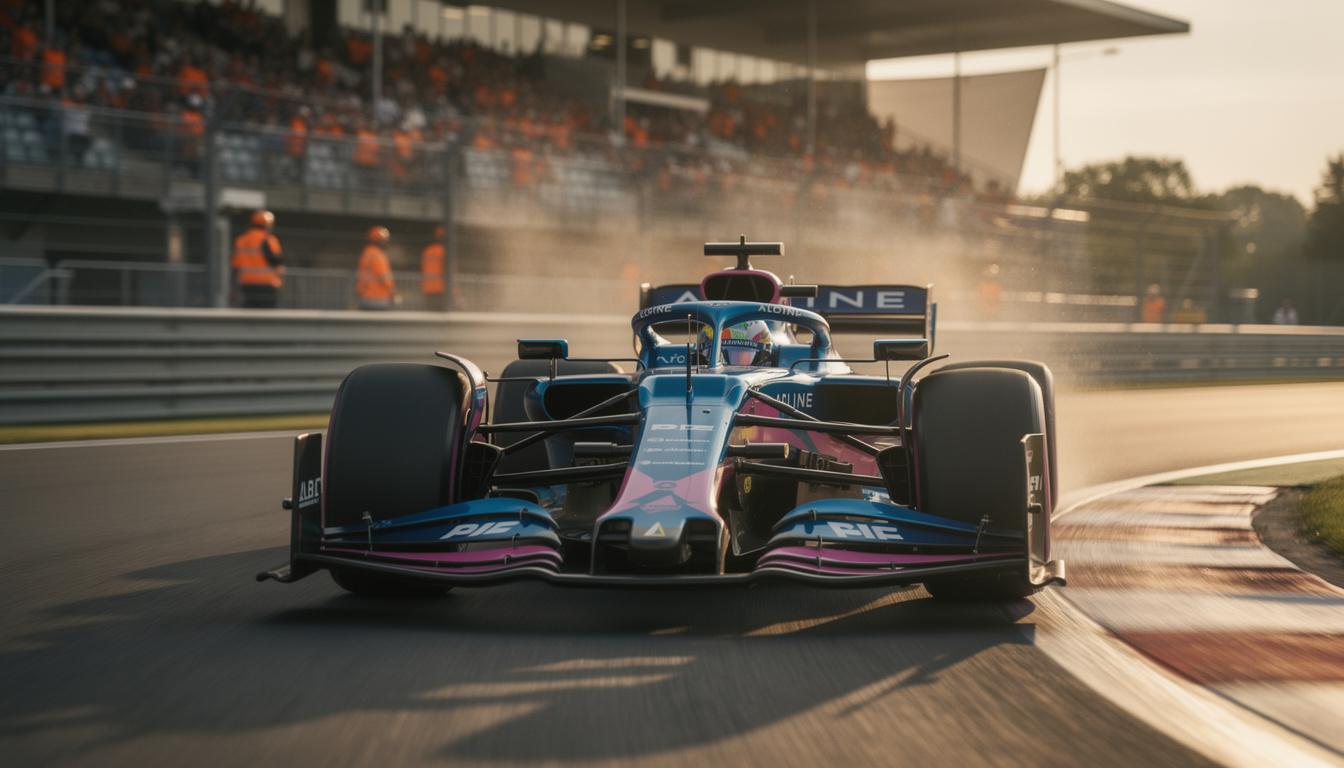
The penalties handed to Colapinto were strictly on procedural grounds related to yellow flag protocols — a central safety rule in motorsport governance. The stewards judged the overtaking manoeuvre and the failure to slow down as breaches of regulations designed to protect driver safety during on-track incidents.
These decisions underscore the FIA’s tight grip on maintaining safety standards, especially as Formula 1 evolves with higher performance margins in 2026. Yet, such rulings can stir controversy when balancing risk management against racing freedom. The clash here lies in the interpretation of ‘danger’—Colapinto and allies see their actions as necessary, while stewards view any advantage gained under caution as unacceptable.
What this means for racing ethics and the FIA’s regulatory outlook
With sponsors like Mercado Libre going public on social platforms, the intersection of commercial interests and sporting governance is under the spotlight. Calls of “killing the integrity” strike at the heart of motorsport ethics and fan trust. The FIA’s rapid rebuttal underlined its commitment to steward independence and to a respectful discourse in all engagements around the sport.
Looking ahead, the FIA faces increased pressure to manage perceptions of fairness while enforcing regulations consistently. Motorsport fans and insiders will follow closely how stewards’ authority and the responses from teams and their backers shape the sport’s narrative in 2026. For deeper coverage on driver controversies and steward decisions impacting the championship, see our detailed analysis at LAS Motorsport.
Fan and industry reactions as stewarding scrutiny intensifies
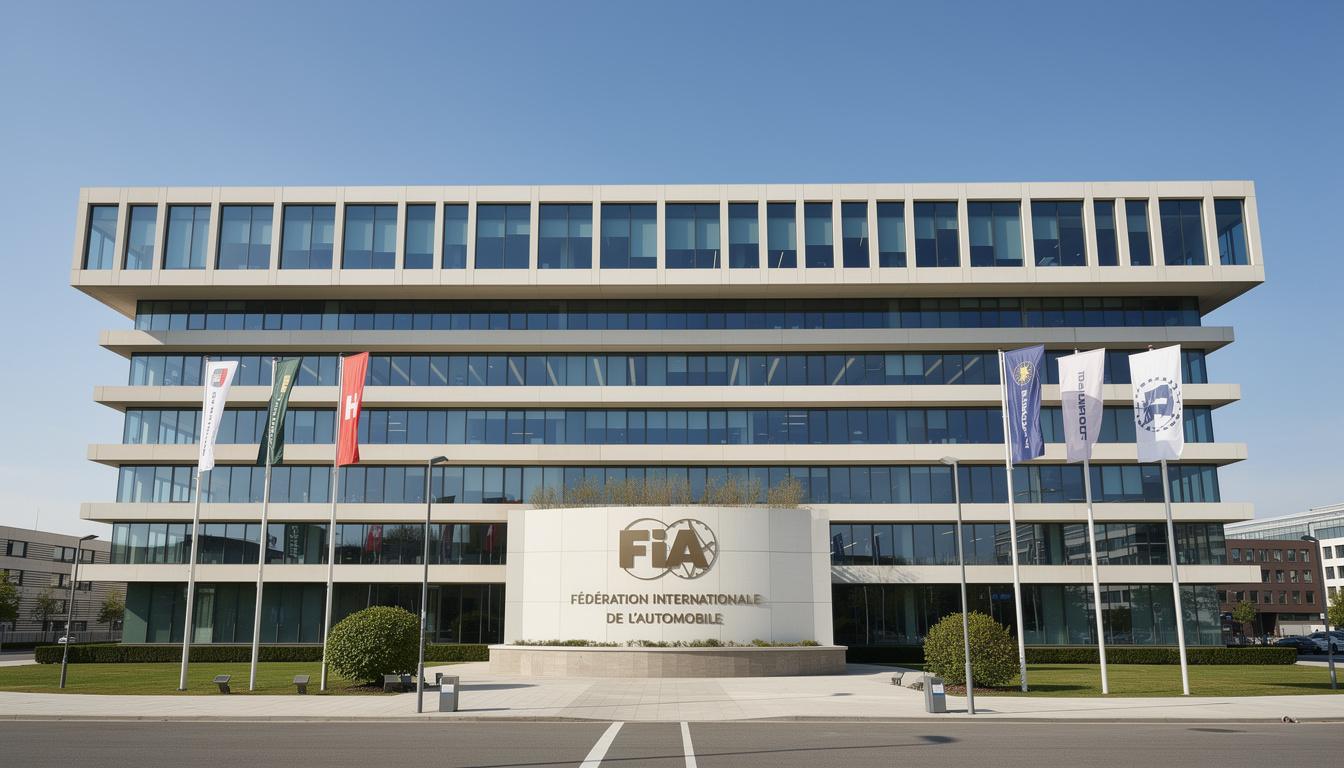
The FIA’s response highlights growing challenges in managing backlash triggered by penalty decisions. The organisation’s United Against Online Abuse coalition, launched in response to previous targeted harassment incidents, was spotlighted once again. This initiative reflects evolving priorities towards safeguarding officials without diluting the critical scrutiny that comes with professional sports officiating.
Meanwhile, the competitive scene itself remains fiercely contested. Penalty disputes like Colapinto’s have ripple effects on team strategies and championship battles, intertwining with broader technical and political moves across Formula 1. For ongoing updates on the motorsport calendar and regulatory shifts, fans can visit LAS Motorsport’s F1 News section, which keeps a close eye on how such controversies affect the bigger picture in racing.