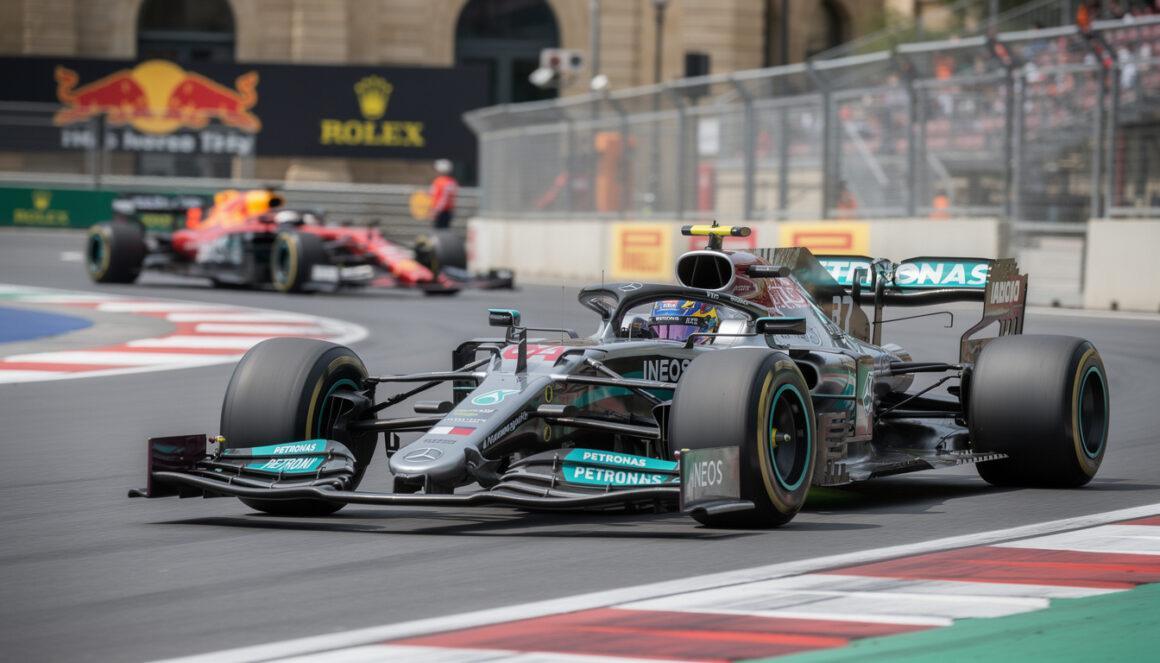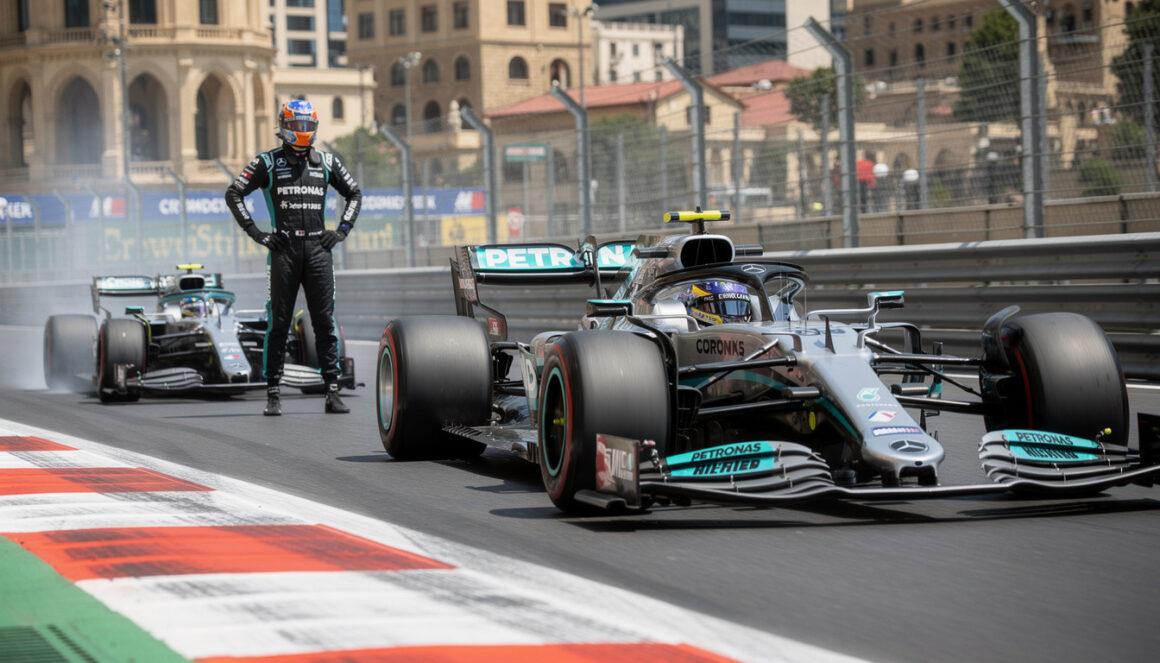
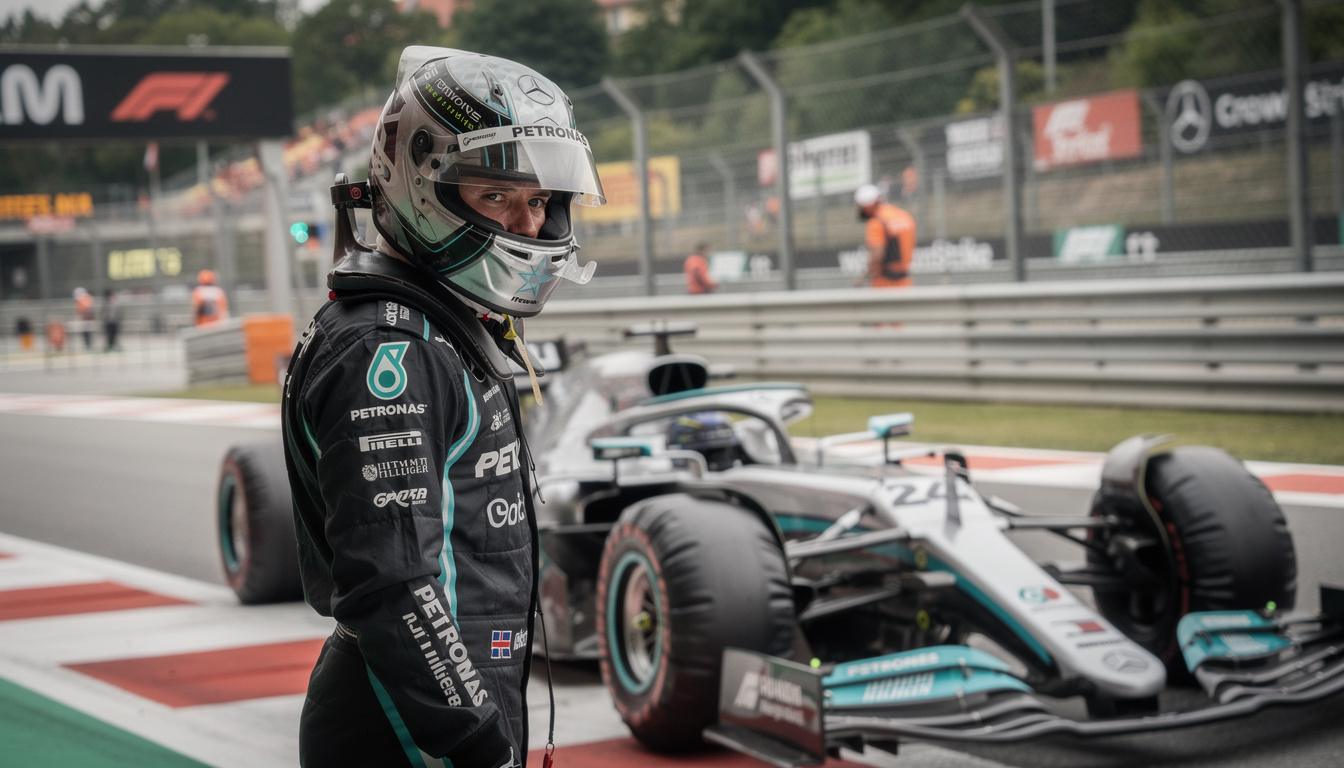

George Russell has raised an uncommon concern about the feel of the tyres under the new Formula 1 regulations. The Mercedes star describes the sensation as driving on “big balloons,” highlighting an unusual side effect of the updated rules integrating Straight Mode. These confusing regulatory tweaks aim to boost speed but bring challenges to tyre performance, impacting driver feedback and race dynamics significantly.
The current rule forcing all teams to run tyre pressures two to three psi above the minimum required by Pirelli raises safety standards but introduces a fresh complication. This regulation appears aimed at cushioning stresses when Straight Mode fails, but drivers like Russell feel the adjustment disrupts the grip and feel of the car. As teams juggle new race regulations, the tyre pressure debate is shaping into a pivotal technical and strategic battleground in motorsport.
George Russell spotlights issue in Formula 1 tyres
Russell described the sensation with the inflated tyre pressures as if the cars ride “big balloons,” a rare complaint in top-level racing. The root cause lies in the newly introduced rule compensating for the variable aerodynamic states created by Straight Mode (SM). When SM activates, it drastically lowers downforce to boost top speed on straights, but if this fails, cars travel with unexpectedly high downforce in straight sections, putting extra strain on tyres.
This safety measure takes form by mandating tyre pressures above Pirelli’s specified minimum to stave off failures under such conditions. However, the trade-off is a tyre feel that’s unusual and less predictable, making racecraft tougher. Russell insists adjusting this would brighten race quality and driver enjoyment, helping cars generate more consistent lap times and closer battles on track.
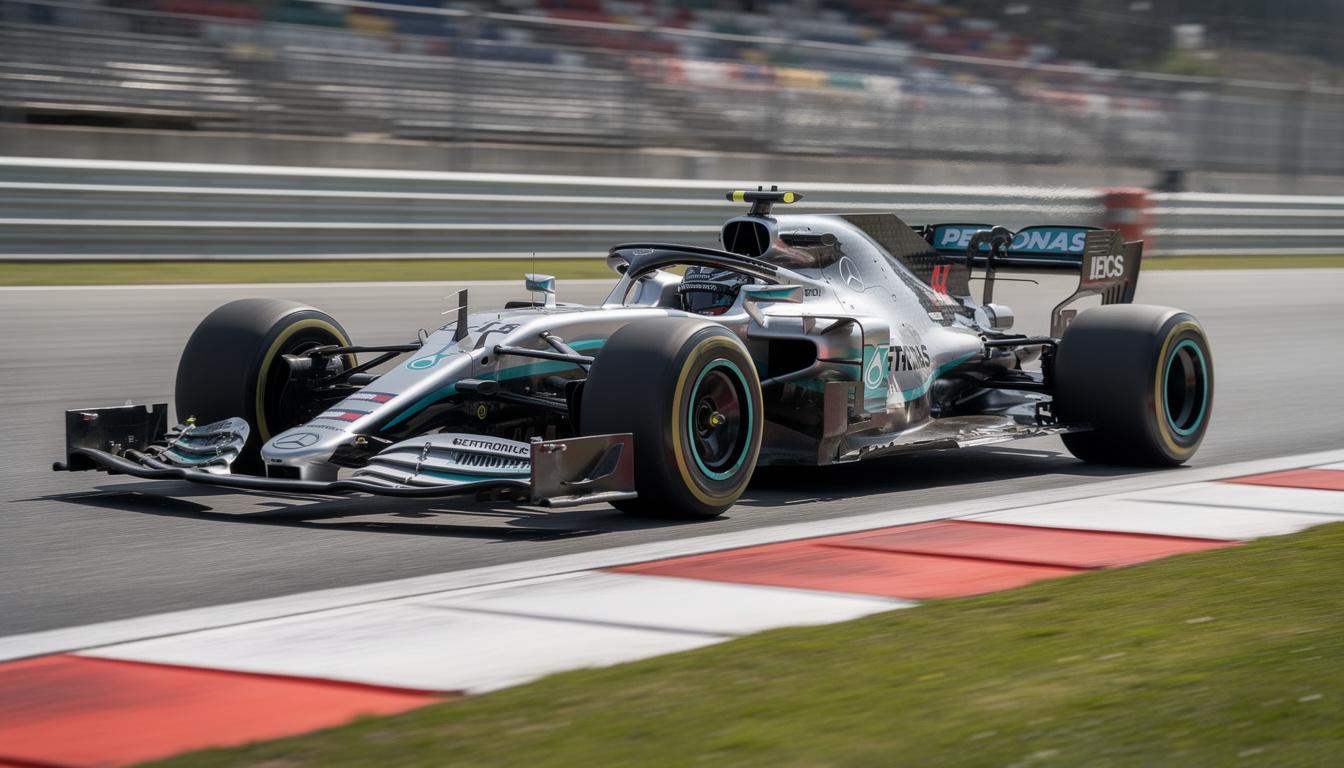
The technical downside of straight mode on tyre performance
The latest powertrain rules requiring Straight Mode introduce a complex balancing act for teams managing aerodynamic load and tyre wear. SM functions by opening the front and rear wings on designated straights to minimize drag, pushing cars to higher top speeds efficiently. The flip side, however, is that when SM fails, the wings remain closed, increasing downforce dramatically in sections where cars expect low drag.
This unintended aerodynamic shift raises thermal and mechanical stress on the tyres, a safety risk the FIA addresses by enforcing inflated tyre pressures. Teams now run with pressures two to three psi above the usual minimum, a safety buffer to protect against failures. This increase results in more tyre overheating and reduced mechanical grip, especially through corners, forcing drivers into an altered driving style that feels unnatural and less responsive.
Implications of Russell’s Feedback on F1’s Championship and Future Regulations
Russell’s candid remarks shed light on the broader technical challenges teams face adapting to these confusing rules. The issue isn’t merely a driver discomfort but a factor influencing race outcomes, potentially affecting tyre strategies and overtaking opportunities. If unresolved, the inflated pressures could widen the performance gap between teams who better manage these quirks and those struggling.
Looking ahead, the ongoing tyre pressure dilemma might push the FIA and Pirelli toward refinements in either tyre construction or race regulations. Russell’s call to address the “big balloons” phenomenon echoes across the paddock, spurring dialogue over balancing regulation innovation with pure racing spectacle. Motorsport enthusiasts and experts alike watch keenly to see if these changes will evolve before impacting championship battles seriously.
Technical Innovations and Strategy Shifts Expected in Response to New Tyre Regulations
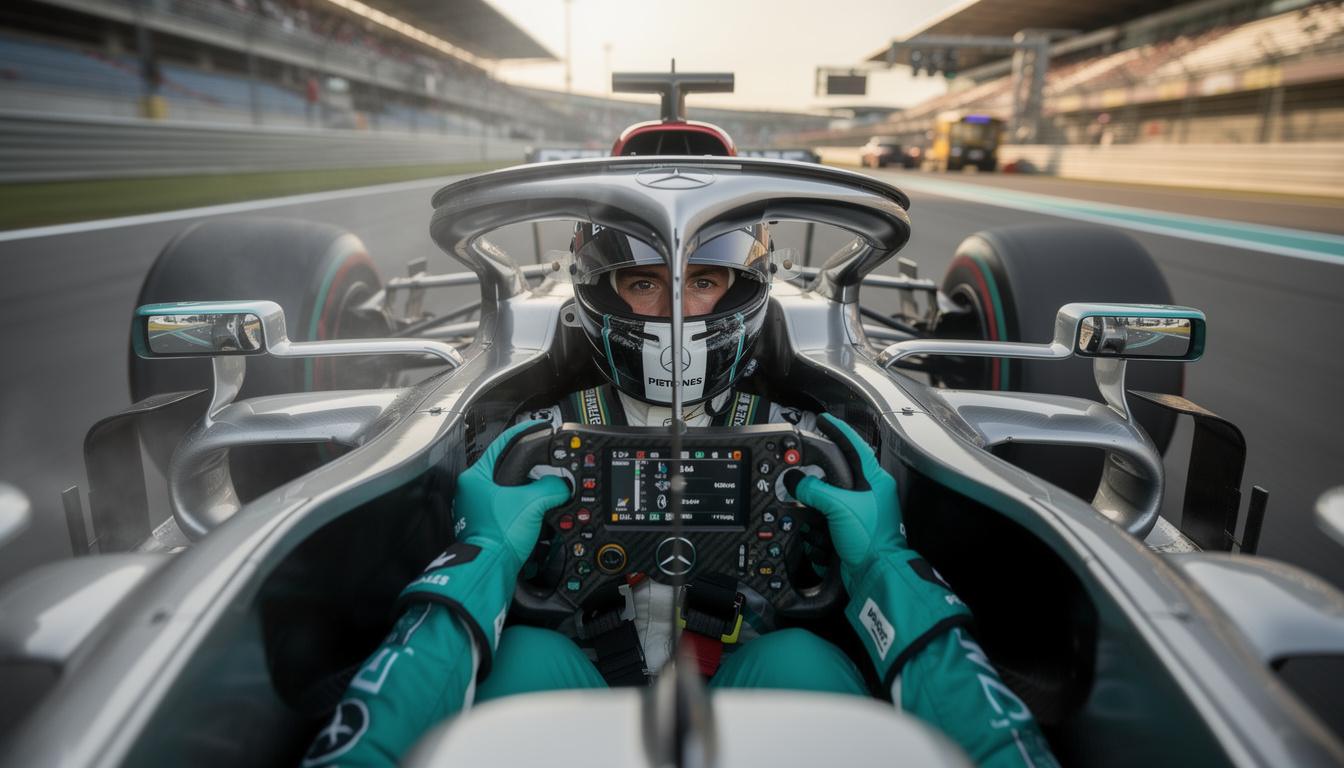
The pressure on engineers and strategists mounts as teams seek solutions to offset the compromised tyre feel brought on by current regulations. Adjusting pit-stop tactics, tyre compound selection, and adapting driver styles become crucial components in teams’ arsenals. Mercedes, with drivers like George Russell, has already signalled that understanding and mitigating these effects will be a competitive edge.
Fan discussions and technical analysis on sites like LAS Motorsport underscore how race regulations and safety standards continuously evolve and impact the grid. The unfolding seasons will test how adaptive teams and drivers are to these “big balloons” affecting tyre dynamics and overall racecraft.