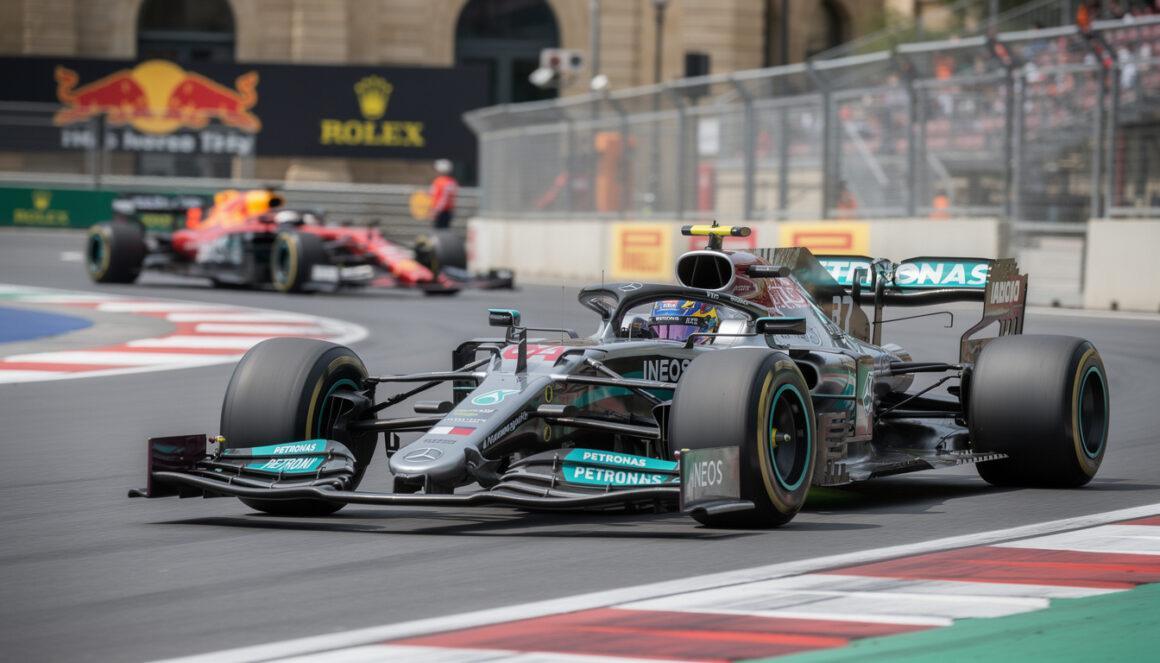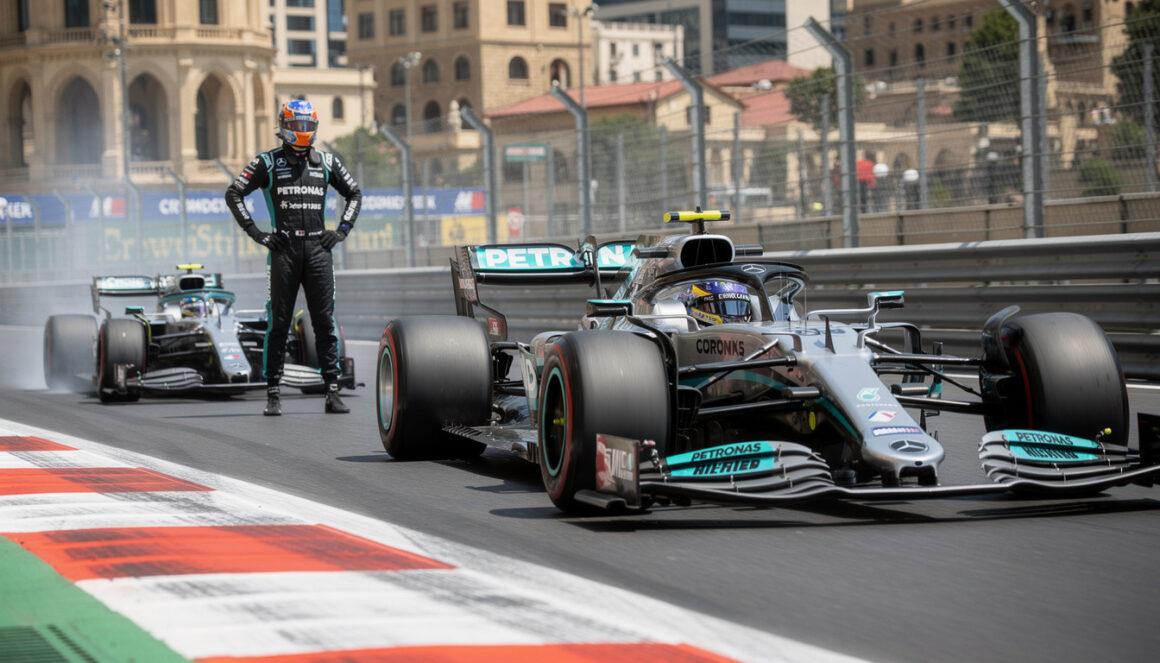
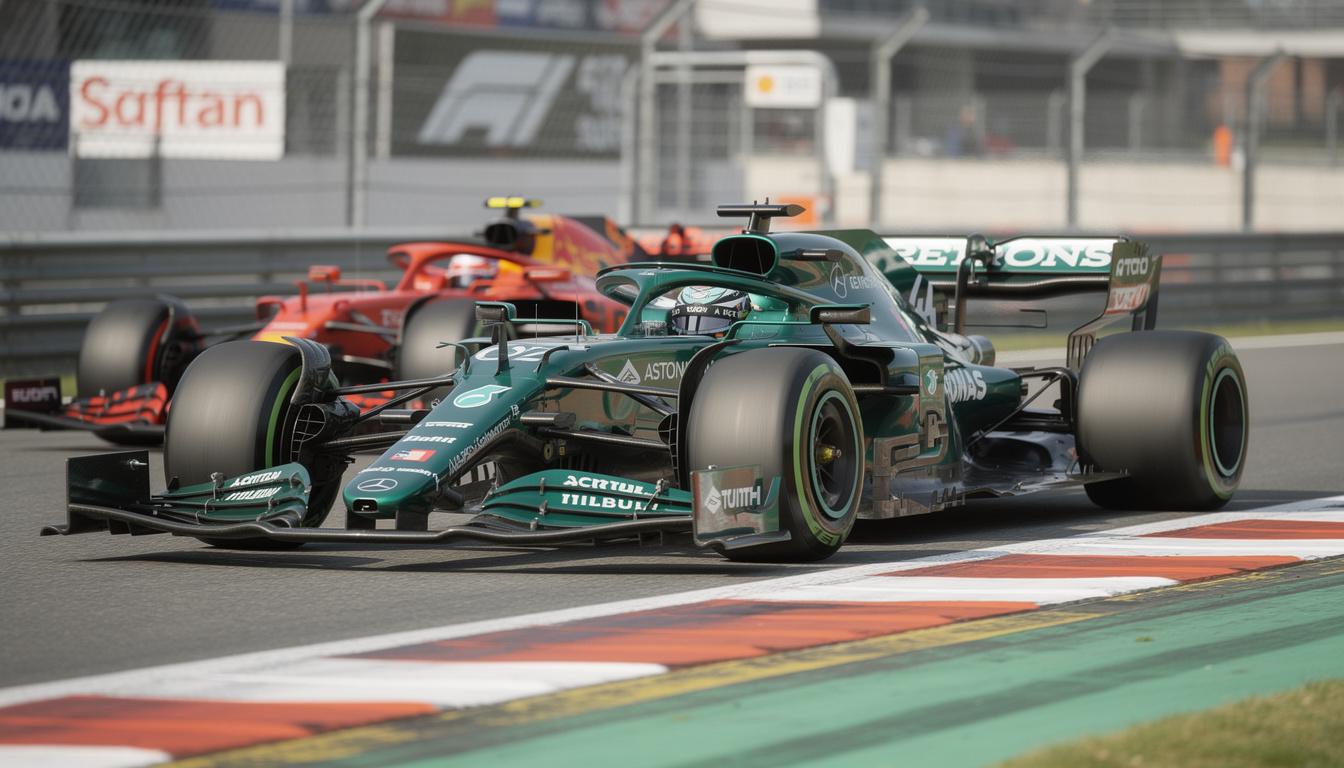

Carlos Sainz tags Aston Martin as a class apart after their upgrades shine. Williams lags behind, only outperforming Cadillac in current race pace. A clear split emerges in speed and strategy among F1 teams at Zandvoort.
Aston Martin has surged ahead this season, notably after unveiling impactful upgrades that have propelled them well beyond Williams’ reach. Following a tough start with reliability and speed issues in partnership with Honda, the Silverstone-based squad’s performance leap at Hungary and further Honda enhancements at Zandvoort have transformed their competitiveness. Carlos Sainz, speaking post-Dutch Grand Prix, didn’t mince words in describing Aston Martin as playing in a “different league” compared to Williams. This candid admission highlights the widening gap between F1 teams as the season grinds on. Meanwhile, Williams languishes near the back, only outpacing Cadillac, with internal on-track clashes underscoring their struggles.
Upgrade impact puts Aston Martin above Williams in F1 Race rivalry
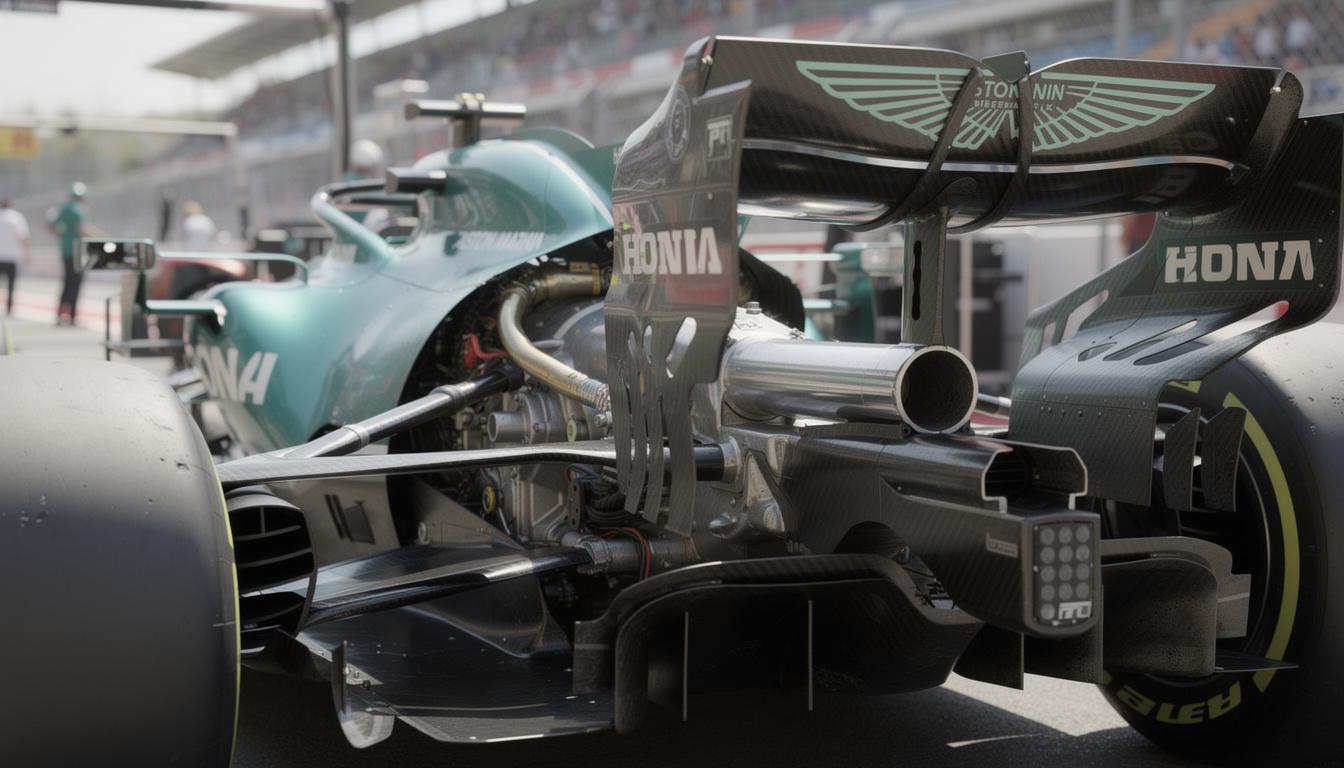
After a slow and patchy start, Aston Martin allowed their 2026 campaign to gather fresh momentum through a major mid-season upgrade package debuts at the Hungarian Grand Prix. This update, developed with Honda, yielded several seconds’ gains—enough to flip the balance of power relative to midfield rivals. The upgrades enhanced aerodynamics and powertrain performance, fundamentally shifting Aston Martin’s race pace and reliability.
Further improvements rolled out at the recent Dutch Grand Prix tightened Aston Martin’s grip on rivals like Williams. By contrast, Williams endured a tough weekend, unable to keep pace, which Sainz confirmed in blunt fashion: “We are only quicker than Cadillac at the moment.” Persistent issues in race pace and fleet reliability hamper Williams’ ability to break into the midfield, leaving them well adrift in this ongoing team competition.
Internal team battles and on-track frustrations highlight Williams’ challenges
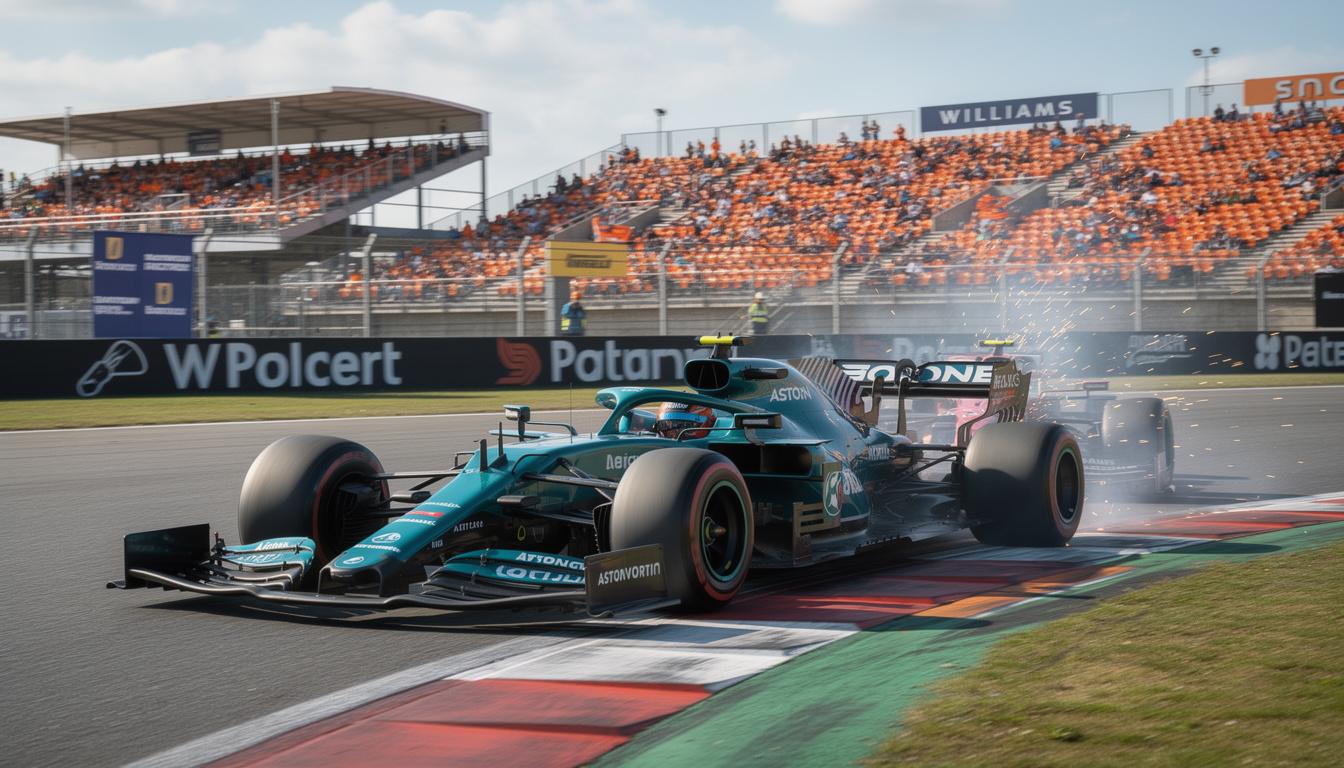
The Dutch Grand Prix also witnessed tensions within Williams, crystallised by a collision between Carlos Sainz and teammate Alexander Albon late in the race. With both drivers further back than desired, Sainz admitted the error was born from frustration rather than fierce competition: locking up at Turn 1 led to Albon’s retirement.
This incident exposed cracks in Williams’ team cohesion amid a season of underperformance. As the squad struggles to deliver a car capable of fighting higher up the grid, internal battles sap morale and limit constructive race outcomes, a stark contrast to the cohesion Aston Martin has demonstrated in its recent resurgence.
Aston Martin’s development pace opens new rivalries and championship questions
The pronounced acceleration in Aston Martin’s form reshapes the midfield battle and places them firmly as contenders for stronger points finishes, if not podium scraps. For Williams, the challenge intensifies; their package still lacks the firepower to threaten these surging teams. This divergence opens a broader strategic dialogue around car development budgets and the efficiency of upgrade pipelines across F1 teams.
Looking ahead, Aston Martin’s continuous upgrade flow, supported by Honda’s power unit evolution, signals a team preparing to punch above its weight for the remaining Grands Prix. Meanwhile, Williams faces pressing choices on investment and driver management, made all the more urgent by recent internal skirmishes. This evolving team competition reverberates across the Formula 1 grid, sharpening rivalries and championship scenarios alike.