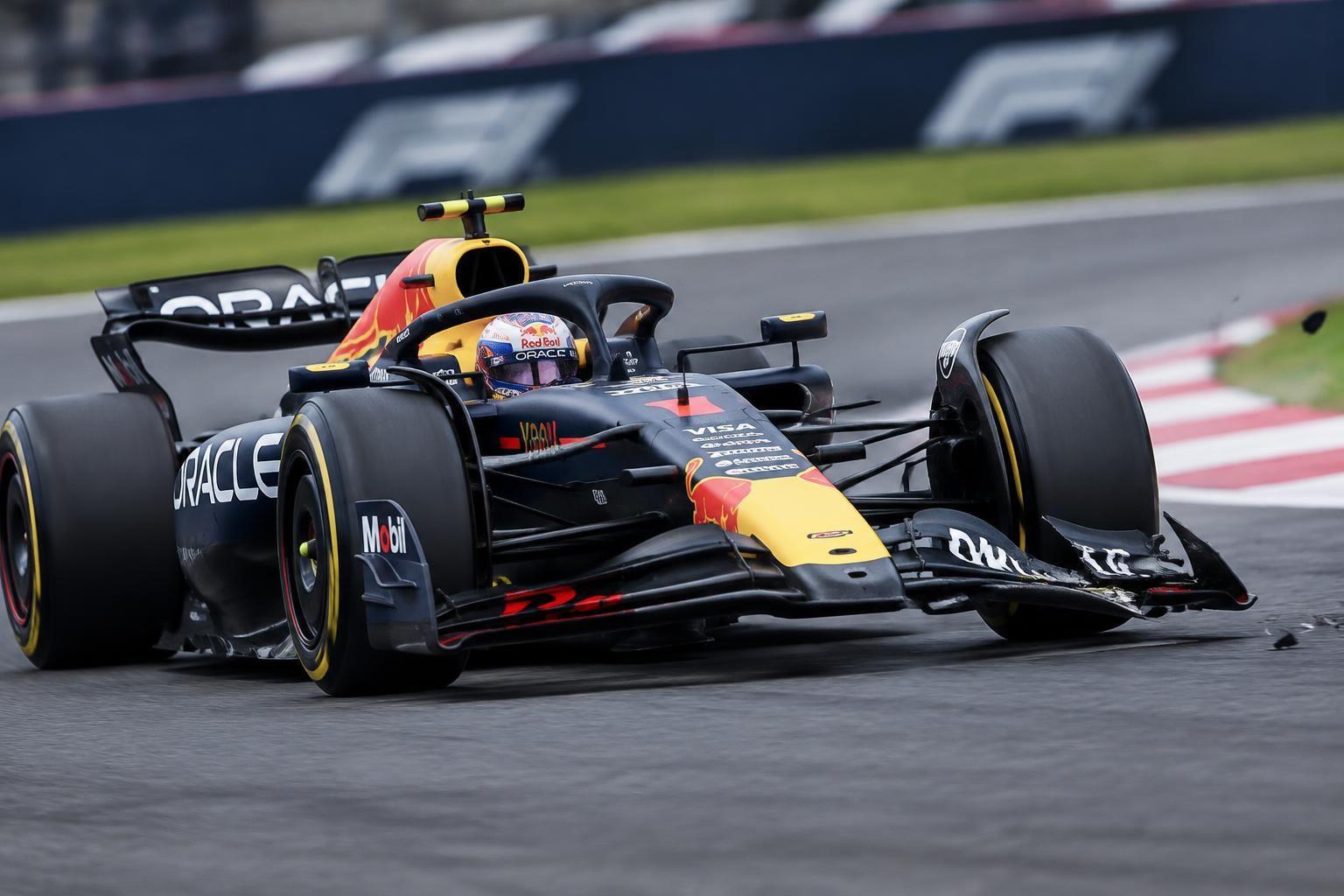

Hadjar’s front wing failed in Las Vegas. A bump met a mode change at the worst possible instant. The bizarre coincidence may have erased his first Grand Prix victory chance.
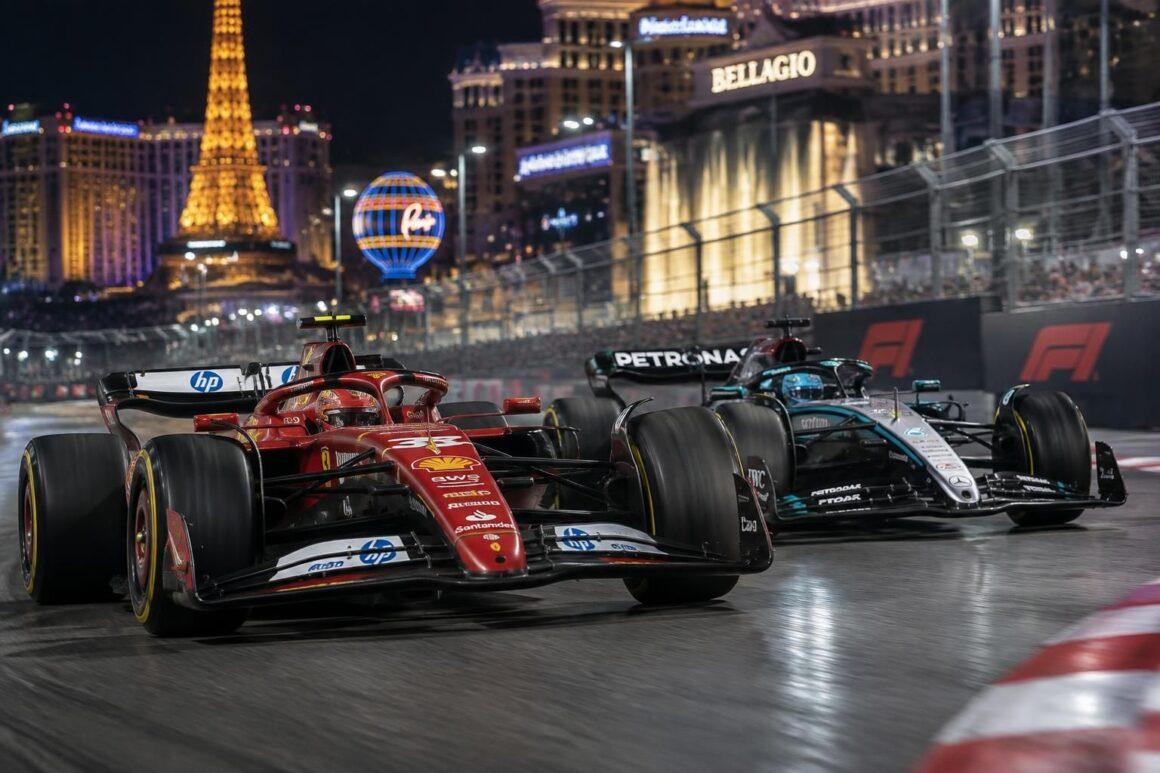
Isack Hadjar was running third after the safety-car restart in Las Vegas, with 24 laps remaining and a genuine chance to fight for the win. He had already traded slipstream moves with team-mate Max Verstappen, and a second straight podium looked within reach.
Then, on lap 26 of 50, his front wing exploded under braking for Turn 5. The failure sent him tumbling down the order, while a separate 10-second penalty for backing up the field at the pit-lane entry under the safety car left him classified 15th.
Speaking in Qatar, Hadjar described a freak overlap between closing the car’s SM mode and hitting a track bump. He believes the wing might have survived if he had shut the system two tenths earlier; the team is still investigating the technical issue and had reinforced the component for the weekend.
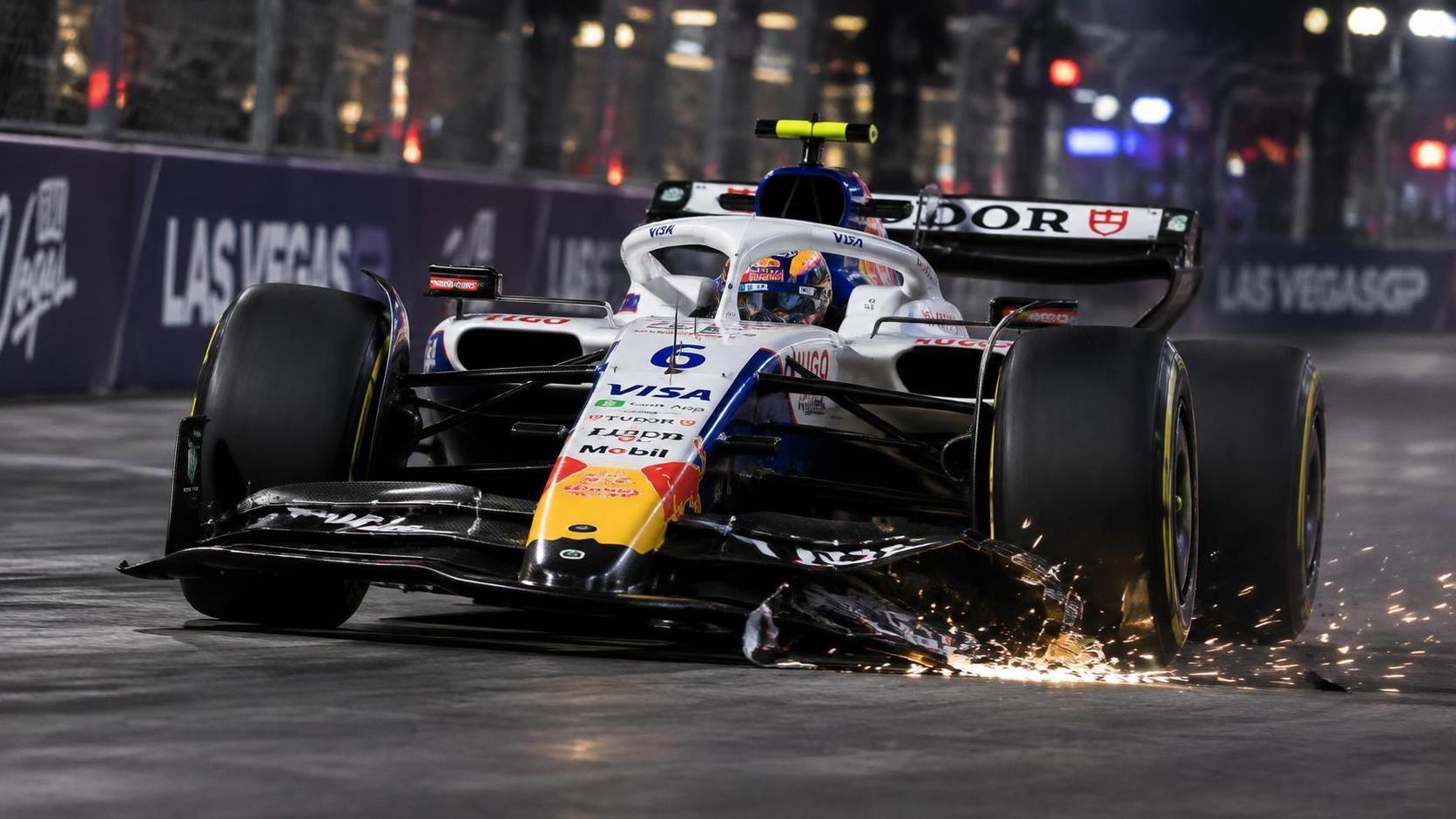
Isack Hadjar explains the Las Vegas front-wing failure
Hadjar said the timing was the problem: he was closing the mode as the car struck the bump, leaving the front wing unable to withstand the combined load. The dramatic explosion was not, in his account, the result of one isolated impact but of two actions converging in a fraction of a second.
The team had already strengthened the wing, yet the part collapsed without warning. Engineers continue to examine the failure, while the driver’s estimate of a two-tenths difference offers a precise clue—not proof—about how narrow the margin was. In modern Formula 1, a tiny timing window can decide whether a component holds or gives way.
Understanding the cockpit controls helps explain why mode timing matters. This guide to the Formula 1 steering wheel outlines how drivers manage complex systems while braking and positioning the car. Hadjar’s account points to a split-second workload, not simply a damaged part.
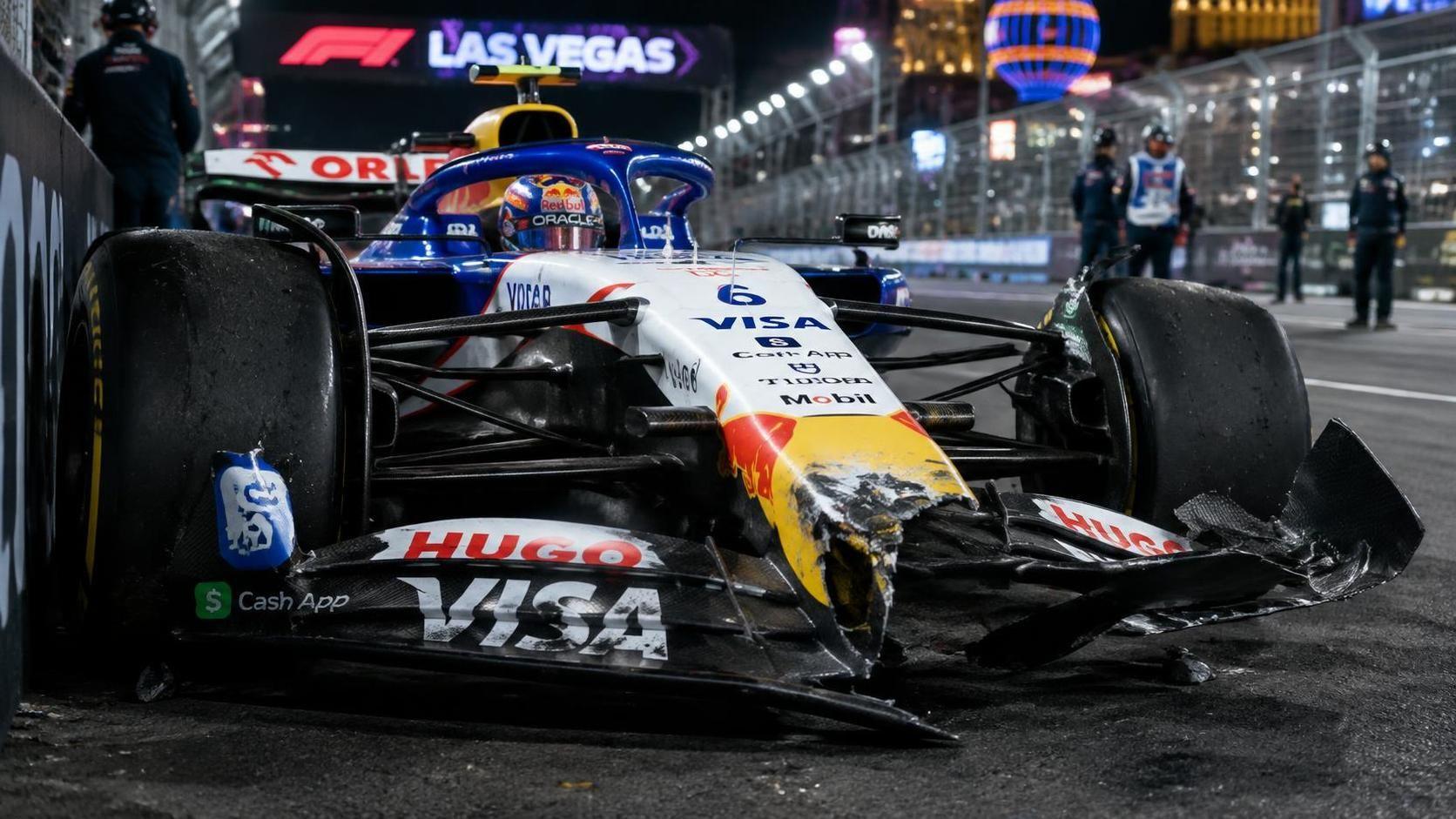
How the wing failure changed Hadjar’s Grand Prix
Before the racing incident, Hadjar had been in the fight at the front, using the slipstream to challenge Verstappen and protect third place. That position made the failure especially costly: a strong finish was possible, and a maiden victory remained a live prospect rather than a distant calculation.
The broken wing dropped him through the field, but the final result also reflected the 10-second penalty for backing up the pack at the safety-car pit-lane entry. Those events should be separated: the wing failure caused the loss of pace, while the penalty added another hit to his classification. The car damage and stewarding decision combined to turn a front-running afternoon into 15th.
Trackside footage can make a damaged car look like a paintwork story, but the key issue here was structural. The distinction matters when assessing an incident: this front wing did not merely lose a cosmetic panel, it collapsed and ended Hadjar’s chance to stay in contention. The site’s Formula 1 paintwork guide provides useful context for separating surface marks from more serious damage.
Hadjar targets another chance at the front
Despite the setback, Hadjar said he enjoyed fighting for the win and wants to reproduce that position more often. At the time of his Qatar comments, he had two further opportunities that season, and he praised how well the car was responding.
That confidence gives the team a clear short-term task: establish why the mode change and bump coincided with the collapse, then verify that the reinforcement can handle the same load again. The bizarre coincidence may explain the trigger, but the investigation must establish whether the design has enough margin when the next Grand Prix gets rough.
Hadjar’s Las Vegas pace showed he could run with the front group; the failure denied him the chance to prove it over a full distance. For now, the defining detail is his own: closing the system just two tenths earlier might have kept the wing intact—and kept the win within reach.