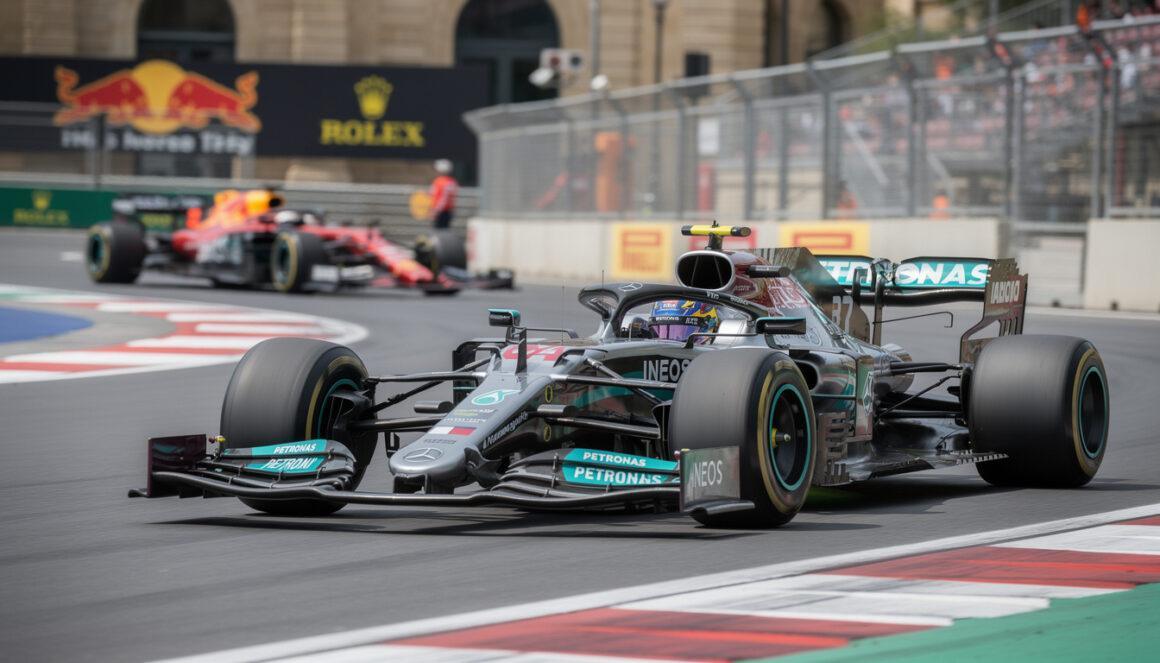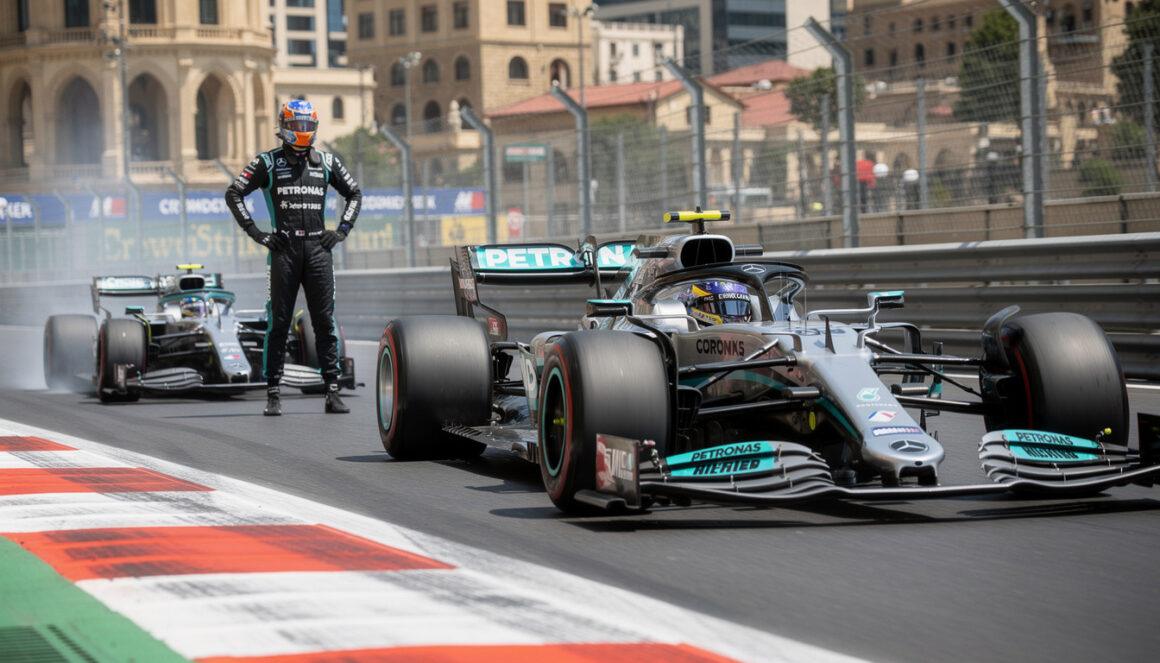


Making the assumption that the data which matters in one series will be similarly significant in another is common, but unhelpful. The dichotomy between the Canadian Grand Prix in Montreal and the 24 Hours of Le Mans represents this especially effectively, because there’s a gulf between how a race plays out depending on whether it lasts less than 2 hours or for a full day. It’s the classic sprint-versus-marathon comparison, and so making predictions requires context-aware investigation of the most relevant information.
The F1 focus
The outcome of an F1 race can be determined in the first couple of laps, since a good starting position can put a driver in an unassailable position given how hard it is to overtake, even at a venue like Circuit Gilles Villeneuve in Montreal. So the first thing race predictions must take into account is how drivers perform during qualifying, and where this places them on the grid.
Bookmakers will get very granular with the data derived from qualifying, looking at how well drivers handle specific sections of the circuit, including the most technical corners, in addition to their lap times. It’s a sport where marginal gains matter, and if you’re a fan who’s into sports betting, Canada now has its own sites where odds based on this level of data analysis can be found. Reviewing what the experts think ahead of the next Montreal Grand Prix is a good way to gauge how the math is done, even if you’re not a data fiend yourself.
The le ans legacy
Few events are as iconic as the 24 Hours of Le Mans, and while there are some superficial similarities to a grand prix like Montreal, stretching a race out to a day of near-unbroken action does change where predictions turn their attention. For instance, the endurance of both car and driver is much more important than the lap times achieved in qualifying, because while the difference of a few tenths of a second matter in F1, it’s more of a mechanical and mental struggle that needs to be overcome in a 24 hour slog of a race.
There’s also much more variance because the classes of cars competing can differ here, whereas F1 only involves a smaller number of heavily-regulated, near-identical machines. Drivers and teams need to account for the traffic they’ll come up against on the circuit, and predictors must do the same.
Reliability of the core components of cars also matters much more in Le Mans than F1. It’s uncommon for a gearbox to give up the ghost or an engine to go kaput at a Grand Prix, whereas in a 24-hour race there’s a much higher chance of something mechanical going awry. Predictions must use whatever data on car reliability is available in order to be accurate.
Ultimately, while both disciplines use advanced telemetry and machine learning to forecast race outcomes, data science in motorsport must mirror the rules of the sport itself. A model optimized for the razor-thin margins of a Formula 1 Grand Prix would completely collapse under the chaotic, long-horizon variables of an endurance classic like Le Mans.