
Red Bull’s “silly” problems still bite. Verstappen and Hadjar want the basics fixed. Mekies says the start issue could last into 2027.
Red Bull Racing left Austin with another podium for Max Verstappen, but little satisfaction in the garage. The team could not match Kimi Antonelli’s race pace, and both drivers felt the RB package had more to give.
Strategy and inconsistent power-unit behaviour hurt, yet familiar technical issues also undermined the weekend: weak getaways and unreliable radio communication. Isack Hadjar called these basic failures “silly” because they keep costing the team opportunities. Team principal Laurent Mekies says the radio fault should be fixed this year; the start problem is harder. Red Bull expects to narrow the gap during the season, but a full launch-performance fix will require hardware changes for 2027.
Verstappen and Hadjar expose Red Bull’s recurring Austin problems
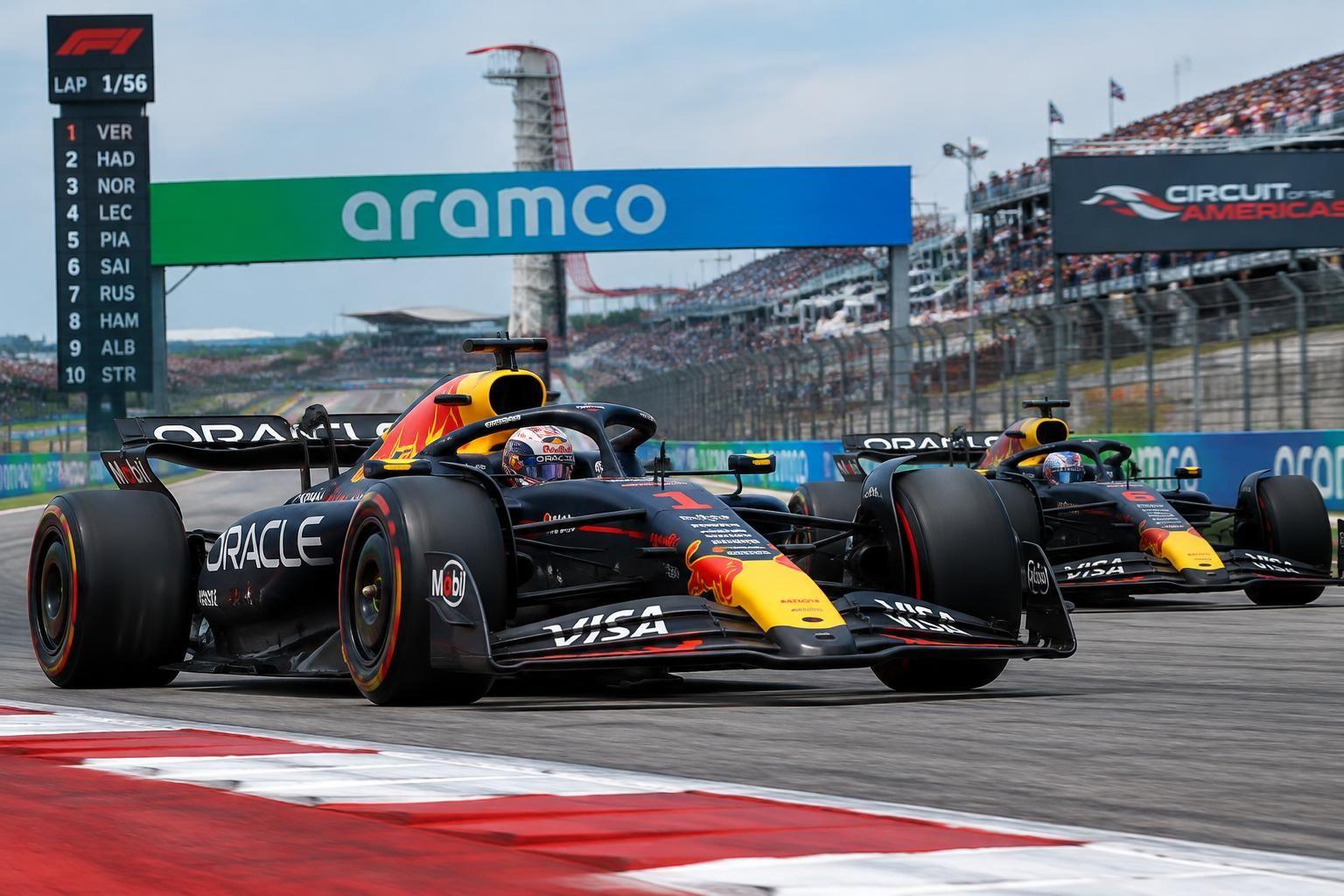
The start set the tone at the Circuit of the Americas. Both Red Bull Racing drivers struggled off the line from the front rows, handing rivals an early opening and forcing them to recover in traffic. For Hadjar, the frustration was plain: he said his radio was poor and the clutch response turned each launch into a “nightmare”.
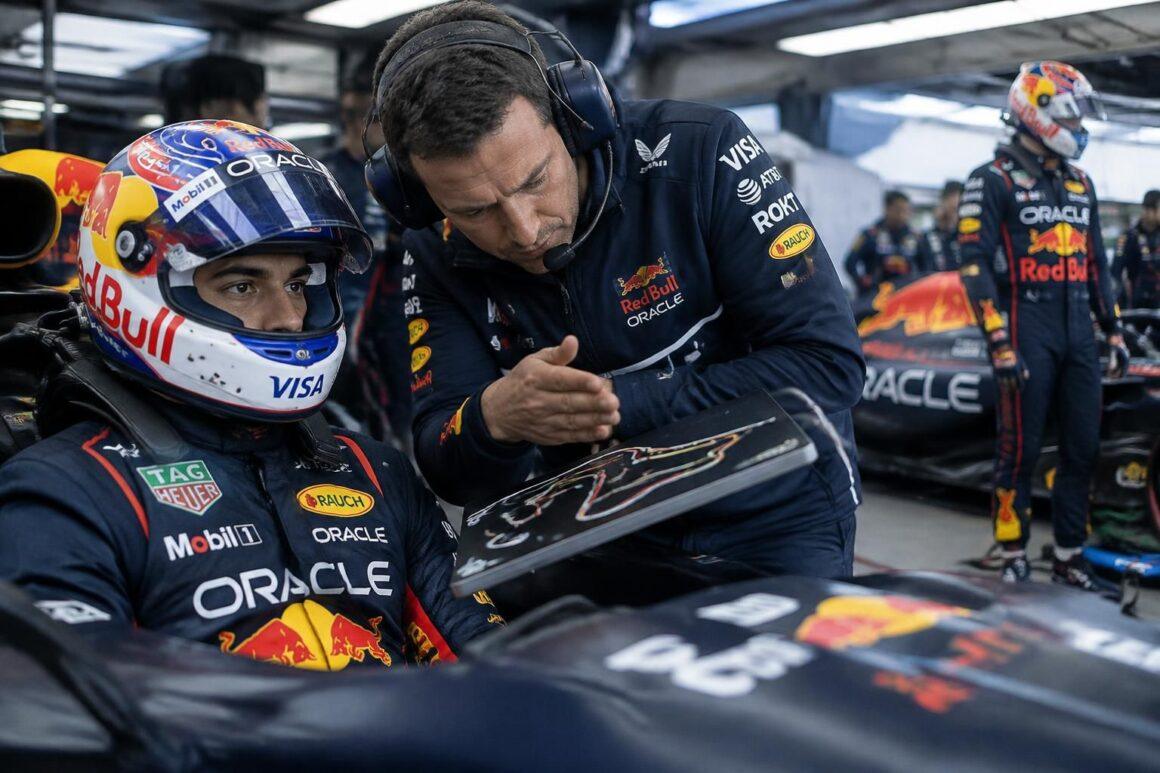
The radio failures compounded that lost track position. In Austin, Verstappen could not hear stand-in engineer Tom Hart, while Hadjar experienced the problem for the first time this year; Verstappen had also faced disrupted communication in Singapore. The team’s car reliability story is not about a single broken component, but repeated operational snags that blunt team performance.
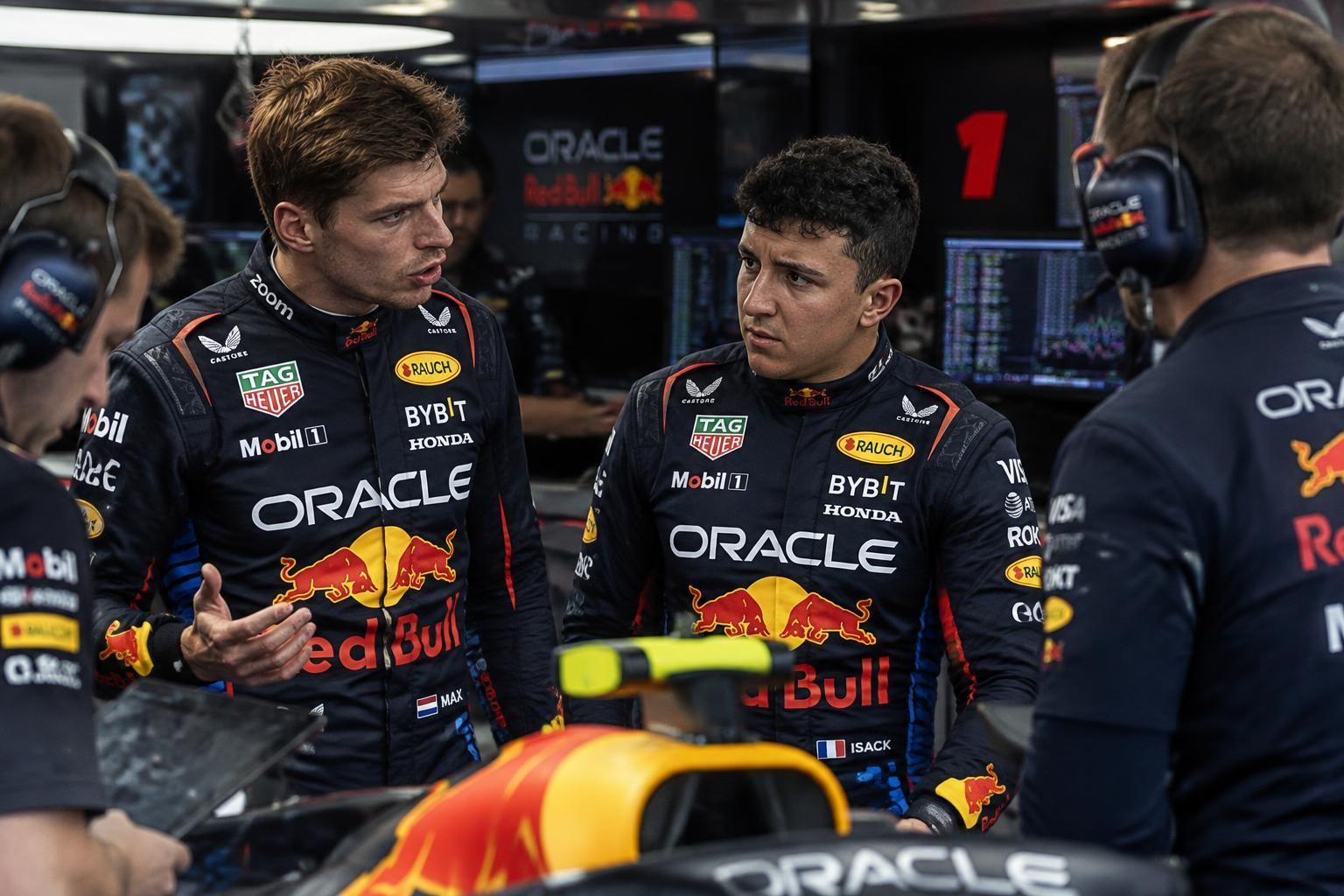
Why Red Bull’s radio faults and launch performance need different fixes
Mekies separated the two problems. He called the radio trouble unacceptable for a leading Formula 1 team and said Red Bull should resolve it before the end of the season, though the engineers still do not fully understand why the failures keep appearing. He noted that rival teams communicate more reliably, underlining a fixable weakness rather than a known design limit.
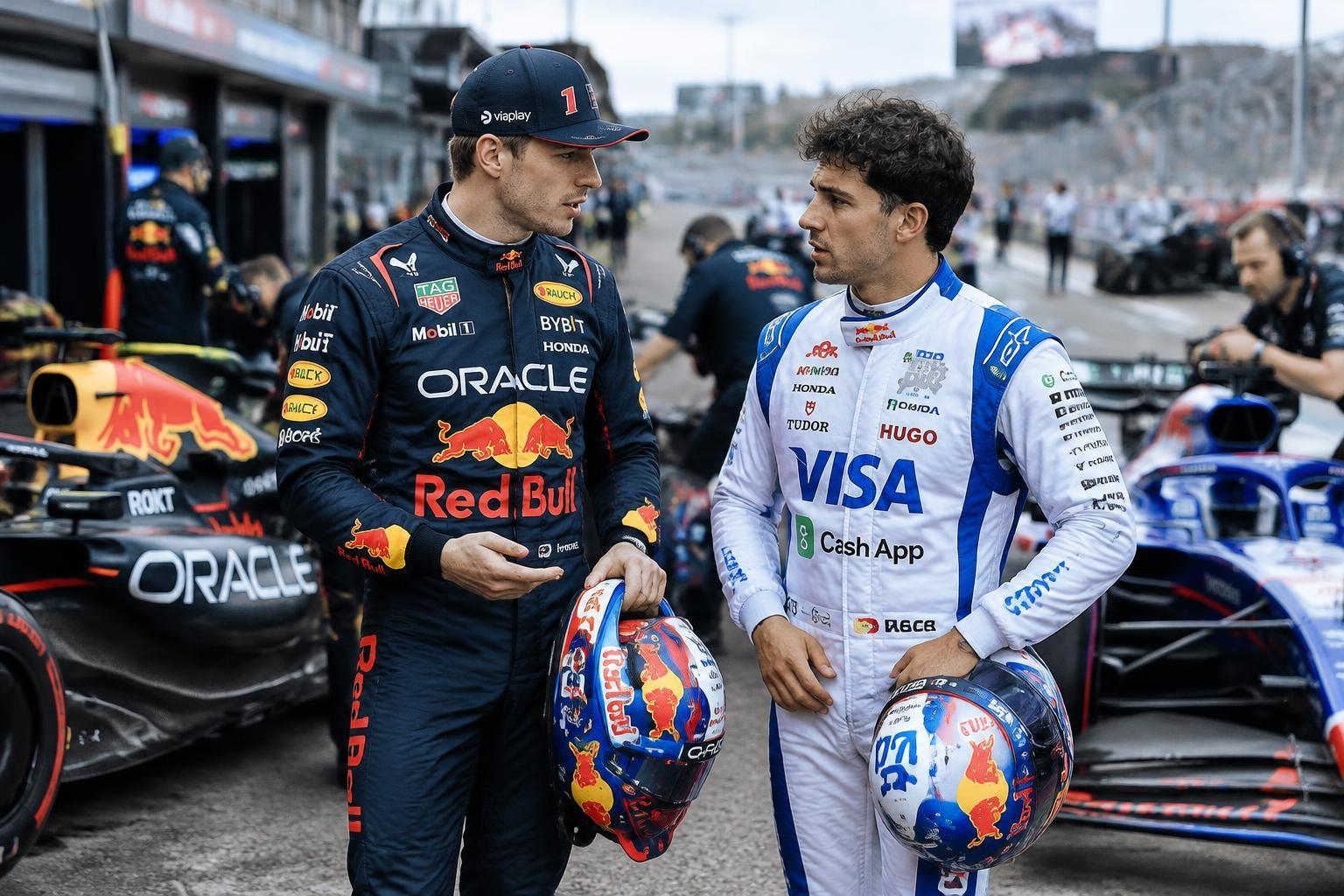
The starts involve a wider chain: clutch, gearbox, power unit and turbo all shape the launch. Hadjar has argued for a clutch redesign, but Mekies says the issue cuts across departments and cannot be pinned on one part. The team has improved since Melbourne, and Racing Bulls has generally launched better, yet the gap remains painful now that Red Bull is fighting closer to the front. A previous look at Red Bull’s pace recovery in Azerbaijan showed how quickly the team can respond when it identifies a performance deficit.
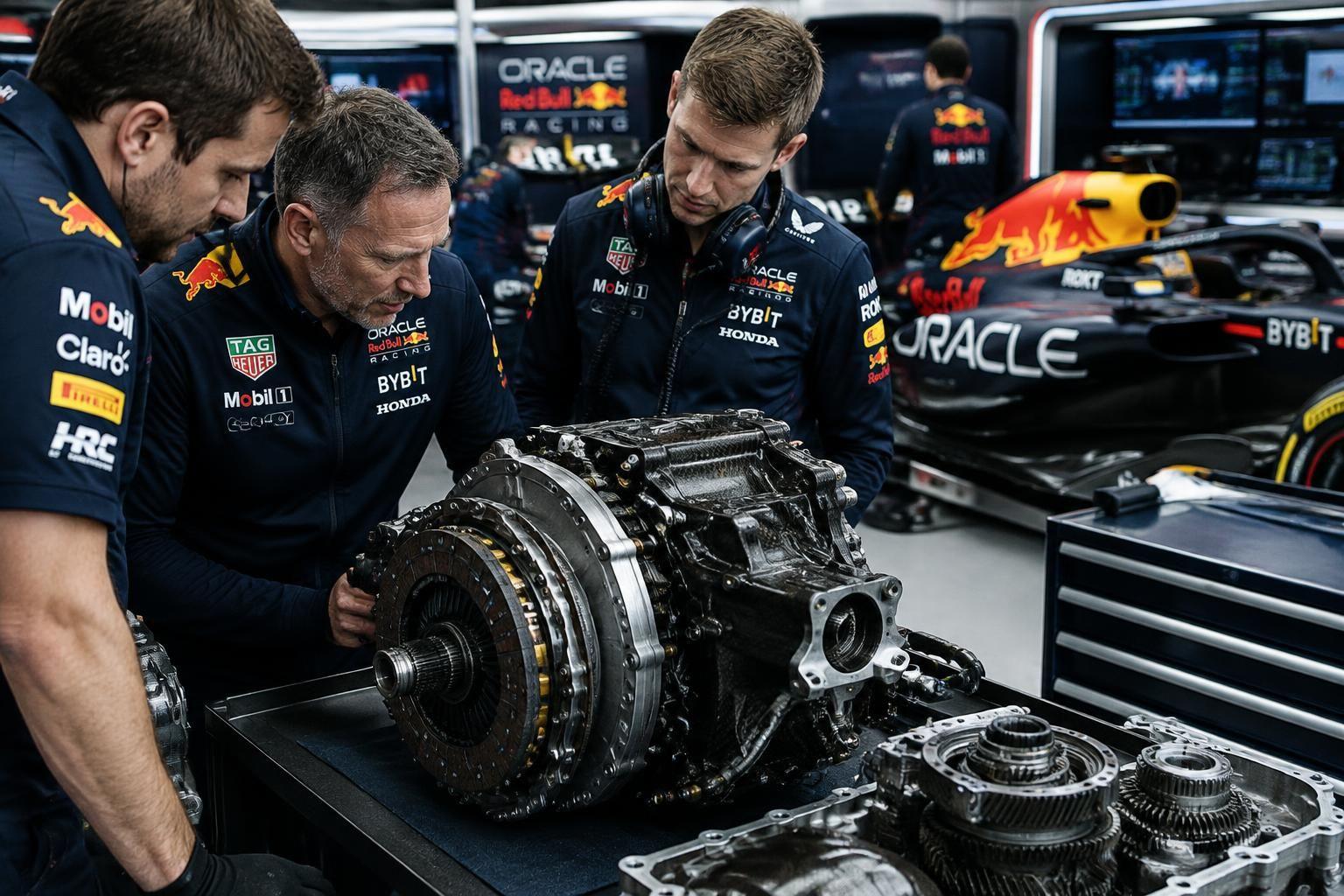
Red Bull’s 2027 hardware changes shape the long-term fix
Software and procedure still offer room for gains this year. Mekies expects the team to make small improvements at each race, but says it will not become the launch benchmark before the season ends. Proper progress needs significant design and hardware changes, which makes the start issue one of the clearest development challenges carrying into 2027.
That timeline puts Hadjar’s complaint in perspective. Red Bull Racing has clawed back a substantial race-pace deficit—averaging about 1.2 seconds per lap behind in Australia, China and Japan—yet avoidable silly mistakes can still waste that progress. The team’s response will be judged not only by its pace, but by whether it can turn radio reliability and better procedures into points while the larger hardware fix waits.
Early-season form and the development path were already under scrutiny in this review of winter testing’s winners and losers. In Austin, the message was sharper: Verstappen and Hadjar can fight near the front, but starts and communication remain unfinished business.